Best Selling Products
Adobe Premiere Pro Account
99 USD

Windows 10 & 11 Pro Key
36 USD
Upgrade Duolingo Super
29 USD
Copyright Adobe Lightroom Account
59 USD

Autodesk All App Account Copyright
120 USD

ChatGPT Plus Account (GPT-4)
16 USD
Genuine Adobe Illustrator account
99 USD

Freepik Premium Account
59 USD
Adobe Photoshop Copyright - Full App
120 USD

Upgrade genuine Capture One account
120 USD

MidJourney Account
29 USD

Capcut Pro 1 Year
39 USD

Upgrade Genuine Office 365
49 USD

Plugin Retouch4me
69 USD
Genuine Cheap Canva Pro
39 USD
Visual Design Trends Graphic Designers Need to Know
Nội dung
In the modern world of graphic design, keeping up with visually appealing design trends is essential for graphic designers to create unique and impressive products. These trends not only reflect changes in consumer preferences but also demonstrate the development of technology and design tools. From bright colors to minimalist design forms, each trend brings a fresh and creative perspective, helping designers express themselves and attract customers’ attention. In this article, Appvip will join you in exploring the most outstanding design trends that graphic designers need to know to avoid falling behind in this highly competitive industry.
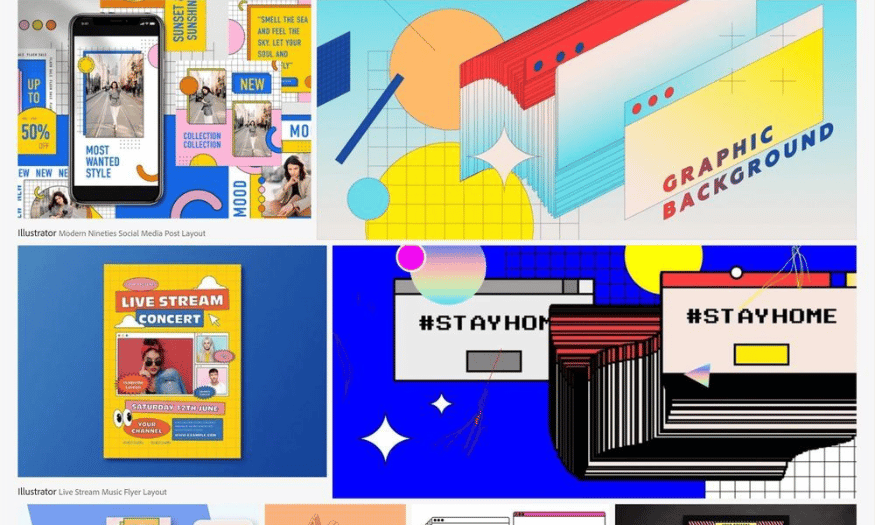
1. Hand-Drawn Illustrations
In a market where authenticity is increasingly valued, Hand-Drawn Illustrations have emerged as a powerful trend. According to a Stackla survey, 88% of consumers believe that authenticity is a deciding factor when choosing and loving a brand. Applying this design style not only creates a sense of closeness and friendliness but also allows brands to express their own identities. Publications created by an artist’s hands provide a unique and non-replicable feeling, thereby attracting customers’ attention.
The authenticity in every stroke not only demonstrates meticulousness but also creates a strong emotional connection with consumers. Handmade designs often bring a warm and approachable feeling, helping brands stand out among a sea of cold digital images. In this way, graphic designers can create works of art that are not only beautiful but also carry profound messages about the values that brands want to communicate.
.png)
2. Surrealism
Surrealist art always brings unique and unexpected experiences to viewers. This is an art movement that allows designers to freely explore their inner worlds, creating images that are colorful yet highly mysterious. Through the skillful combination of reality and imagination, surrealist designs not only attract attention but also arouse viewers’ curiosity and desire to explore.
The unlimited creativity of the surrealist style is often expressed through bizarre images where logic and reason are no longer the dominant factors. This allows graphic designers to visually express profound and complex messages. The Shutterstock platform has stated that surrealist images can be eccentric or energetic, depending on how designers explore and communicate their messages.
One of the notable designers in this field is Nico Ito. She has created works that are not only distinctive but also deeply reflect her personal identity. Her designs, such as illustrations of Nike shoes and Gucci handbags, uniquely demonstrate the combination of art and branding. With her distinctive surrealist style, she not only attracts consumers’ attention but also establishes her position in the graphic design industry.
3. Minimalism
Minimalism has become a popular design trend in many fields, from art to interior design and technology. With the philosophy “Less is More,” this style emphasizes removing unnecessary details and retaining only the essential elements, helping communicate messages clearly and effectively. The minimalist style not only brings elegance but also creates a relaxing and pleasant feeling for viewers.
Applying minimalism in design helps brands focus on the core elements they want to communicate. By using clean lines and minimalist colors, graphic designers can create publications that attract attention at first glance. This is especially important in a world where consumers are often overwhelmed by information and images.
.png)
4. Maximalism
While Minimalism often aims for simplicity and sophistication, Maximalism is a bold revolution in design, awakening all of the viewer’s senses through richness and diversity. This style stands out through the powerful combination of colors, graphics, and patterns, creating works filled with energy and depth. A design product following the Maximalism trend often displays complexity through multiple layers, making every viewing angle provide a different experience. Empty space almost does not exist, making the work even more vibrant and captivating.
However, because of its complexity and elaborate nature, Maximalism also faces considerable difficulty in reaching viewers. These designs often require viewers to have patience and an appreciation for art, which can make them “selective” regarding their audience. Sometimes, these works may be misjudged aesthetically, leading to mixed opinions from viewers. Nevertheless, this uniqueness and unconventionality are precisely what attract people who appreciate differences, especially young people.
Generation Z, with their strong personalities and desire to stand out, are often attracted to designs that strongly reflect individuality and creativity. Many surveys have shown that the consumption behavior of this group is strongly influenced by personal preferences and uniqueness. Maximalism, with its elaborate and eye-catching designs, is the key that helps brands connect with young customers and create memorable and impressive experiences. For example, the Swedish brand Happy Socks has successfully created diverse collections in collaboration with many famous names, providing customers with products that are both high-quality and colorful.
5. Data Visualization
In the digital age, where information is overwhelming and consumers have only about eight seconds to focus, Data Visualization has become an essential tool that helps brands communicate messages effectively. The human brain can process images 60,000 times faster than text, showing that presenting data through images not only makes it easier to understand but also makes it more attractive to viewers. Visual charts, creative illustrations, and distinctive design styles help brands stand out in a fiercely competitive market.
Instead of only providing dry statistics, brands need to know how to transform them into compelling stories, helping consumers easily understand and experience the message. By presenting information visually, brands not only attract attention but also create an emotional connection with customers. This has become more important than ever as the market contains an increasing number of competing brands, with each brand seeking to create the best possible impression in consumers’ minds.
6. Candy-Colored Pastels
Pastel colors, with their gentle and sweet beauty, have become a popular design trend in many fields, from fashion to interior design. Pastel colors are generally divided into two main groups: cool tones such as light pink and mint green, and warm tones such as bright yellow and peach. These colors not only create a youthful and fresh feeling but also bring optimism to viewers. In the past, pastel colors were often used only in fashion and interior design, but today, they have become a popular choice for many different brands.
As society increasingly prioritizes relaxation and comfort in daily life, gentle pastel colors have become more ideal than ever. They not only help reduce stress but also create a pleasant and warm space. Demand for products that provide comfort and support consumers’ psychological well-being is increasing, making these colors a leading choice for brands that want to build a positive image.
Applying pastel colors in design not only helps brands attract customers but also creates a distinctive and easily recognizable style. Many brands have successfully combined pastel colors with other design elements to create unique products that attract attention. With this trend, graphic designers have the opportunity to explore creativity and express brand identity more clearly than ever.
.png)
7. Natural Patterns And Textures
As living environments are increasingly threatened, nature has become a major concern for consumers around the world. According to an IBM survey, 57% of participants said they were willing to change their shopping habits to reduce their environmental impact. In addition, a HubSpot report showed that 82% of consumers, especially Generation Z, want brands to carry out sustainable activities and prioritize human safety. This shows that as environmental awareness increases, consumers increasingly appreciate brands that draw inspiration from nature in their communication materials.
The trend of visual design inspired by nature is gradually becoming a widespread phenomenon. Patterns such as trees, flowers, wood textures, and animal images not only provide a fresh feeling but also help create a deep connection between people and the environment. These designs are often widely applied in fashion, cosmetics, and interior design, where naturalness and sustainability have become leading criteria. A typical example is the vegan cosmetics brand Cocoon, which stands out with products made from natural ingredients, clearly demonstrating its commitment to protecting the environment and consumers’ health.
As consumers increasingly prioritize sustainability, graphic designers are also looking for ways to highlight natural elements in their designs. The diversity of natural patterns not only creates richness for products but also reflects the brand’s sense of social responsibility. The combination of visual elements and environmental protection messages will become a powerful trend in the near future, as brands seek to leave an impression on consumers through sincerity and approachability.
8. Diversity And Inclusion
The development of technology has opened countless opportunities for consumers to access diverse cultures around the world. The desire to explore and integrate has promoted creativity, leading to unique combinations in every field, from fashion to design. In particular, African culture has become a rich source of inspiration for designers, with its diversity of materials, patterns, and colors. These elements not only enrich design works but also create powerful impressions on viewers.
Ramon Tejada, Assistant Professor at the Rhode Island School of Design, emphasized that the future of design must create more space for voices and ideas that were previously often overlooked. This is especially important in celebrating diversity in ethnicity, gender, and age. Unilever has pioneered the application of this trend in its designs by presenting racial and cultural diversity in its products and advertising campaigns. The company not only creates a positive image but also contributes to building a friendlier and more inclusive environment for everyone.
Diversity and inclusion are not only trends but also essential requirements in the current era. Brands need to demonstrate their commitment to diversity through their products, services, and communication campaigns. This not only helps improve brand value but also creates a more connected and loyal consumer community, where every individual feels respected and appreciated.
9. 3D Design Elements
3D design is no longer unfamiliar to modern users, but in the coming years, this trend is expected to develop more strongly than ever. According to a report from Exploding Topics, the use of 3D images is increasing by 20% each year from 2020 to 2026. This increase mainly comes from technological advancements, which have made designing complex 3D images easier and faster than ever. Tools such as Cinema 4D and Adobe’s Substance toolset have become powerful assistants for designers, allowing them to create high-quality products in less time.
The 3D design trend not only brings products to life but also creates engaging interactive experiences for consumers. 3D images help brands present products more realistically and in greater detail, thereby attracting attention and improving memorability in consumers’ minds. The combination of 3D design with virtual reality technology, or VR, and augmented reality technology, or AR, promises to open many new opportunities for graphic designers to create unique and engaging experiences.
The trend of designing 3D characters is booming, especially in China, where 3D images have become an indispensable part of consumer culture. Three-dimensional animated characters are not only cute images but have also become symbols for brands, helping create strong emotional connections with consumers. With the development of technology and the growing demand for creativity, 3D design will certainly continue to establish its position in the graphic design industry.
.png)
11. Conclusion
In conclusion, keeping up with visually appealing design trends not only helps graphic designers create high-quality products but also helps them establish their position in the industry. Design trends are constantly changing, and it is important for designers to regularly update their knowledge and remain flexible in their approaches. By applying the latest trends, they not only improve their own skills but also bring value to customers. Always remain creative and dare to experiment, because that is the key to success in the field of graphic design.
















VIP Products




Best Selling Products
Adobe Premiere Pro Account
99 USD
Windows 10 & 11 Pro Key
36 USD
Upgrade Duolingo Super
29 USD
Copyright Adobe Lightroom Account
59 USD
Autodesk All App Account Copyright
120 USD
ChatGPT Plus Account (GPT-4)
16 USD
Genuine Adobe Illustrator account
99 USD
Freepik Premium Account
59 USD
Adobe Photoshop Copyright - Full App
120 USD
Upgrade genuine Capture One account
120 USD
MidJourney Account
29 USD
Capcut Pro 1 Year
39 USD
Upgrade Genuine Office 365
49 USD
Plugin Retouch4me
69 USD
Genuine Cheap Canva Pro
39 USD