
Best Selling Products
Capcut Pro 1 Year
39 USD
Plugin Retouch4me
69 USD
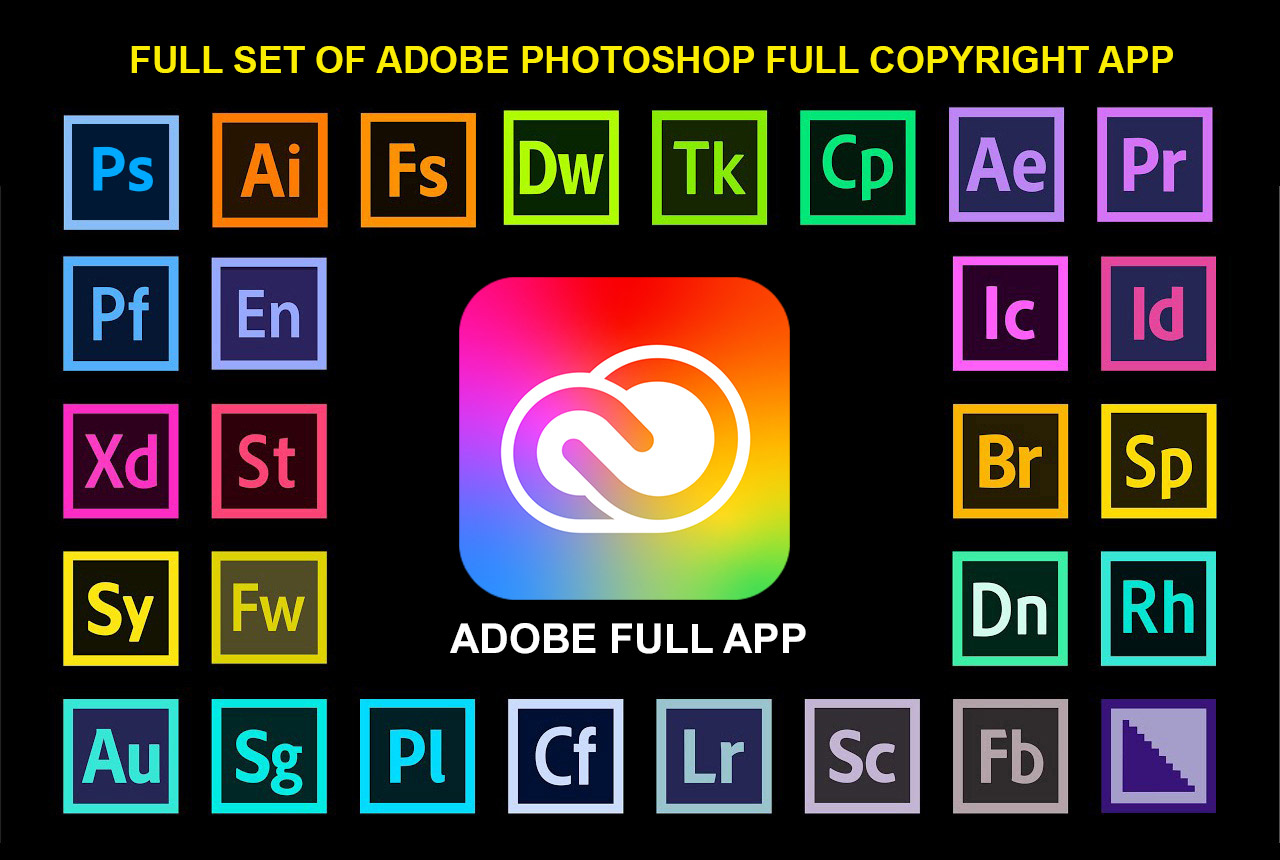
Adobe Photoshop Copyright - Full App
120 USD

ChatGPT Plus Account (GPT-4)
16 USD

MidJourney Account
29 USD
Autodesk All App Account Copyright
120 USD
Copyright Adobe Lightroom Account
59 USD
Upgrade Genuine Office 365
49 USD
Upgrade genuine Capture One account
120 USD
Upgrade Duolingo Super
29 USD
Freepik Premium Account
59 USD
Adobe Premiere Pro Account
99 USD
Genuine Cheap Canva Pro
39 USD
Windows 10 & 11 Pro Key
36 USD
Genuine Adobe Illustrator account
99 USD
What is Gemini Canvas? How to use the basics to unlock the power of AI.
Nội dung
- 1. What is Gemini Canvas?
- 2. What makes Gemini Canvas special?
- 2.1. Visual product preview
- 2.2. Edit individual sections directly.
- 2.3. Working with AI to perfect the product.
- 3. Key features of Gemini Canvas
- 3.1. Content creation and conversion
- 3.2. Creating 2D Games Using AI
- 3.3. Landing Page Design
- 3.4. Data Visualization
- 3.5. Creating a set of review questions
- 4. How to use Gemini Canvas from A to Z
- 4.1. Open Gemini Canvas
- 4.2. Write a detailed prompt.
- 4.3. View and evaluate the results
- 4.4. Highlight to edit
- 5. How to get code from Gemini Canvas
- 6. Tips for effectively utilizing the Gemini Canvas
- 7. How does Gemini Canvas differ from ChatGPT Canvas and Claude Artifacts?
- 10. Conclusion
Gemini Canvas is changing the way users work with AI by transforming a casual conversation into a creative and visually engaging editing space. Instead of just receiving answers and then processing them manually in another tool, you can work with Gemini to build articles, create websites, program 2D games, or develop small applications right in the middle of the interaction. So what is Gemini Canvas and how can you effectively utilize this feature? Let''s explore it from A to Z with Sadesign right now.

1. What is Gemini Canvas?
Gemini Canvas is an intuitive workspace integrated into Gemini , allowing users to create, edit, and refine complex content or products all within a single interface. While a standard chat window is suitable for quick Q&A, Canvas acts like a personal "workbench," where you can monitor the product as it's created and continuously request AI adjustments.
When handling tasks like writing lengthy documents, building websites, creating source code, or developing a simple game, Canvas helps present results more clearly instead of stretching them into a long string of messages. Users can view the content, select areas for improvement, and provide new requests without having to restart the entire project. The most attractive aspect of Gemini Canvas lies in its circular workflow . You provide the initial idea, Gemini creates a draft, and then continues to refine it based on your feedback. Therefore, the AI no longer simply answers questions but becomes an assistant working alongside you to develop the product.

2. What makes Gemini Canvas special?
The Canvas space is designed to facilitate tasks requiring more interaction between the user and AI. Instead of just looking at text-based responses, you can directly observe the product and make specific changes.
2.1. Visual product preview
For content with a user interface, Canvas allows users to see the results visually instead of just reading the code. For example, when creating a website using HTML, CSS, and JavaScript, you can observe the page layout, buttons, images, or interactive elements.
This is especially helpful for those with little programming experience. You don't need to understand every single line of code to know if the product is working correctly. Just by looking at the preview, you can spot any inconsistencies and ask Gemini to make corrections.
2.2. Edit individual sections directly.
Another advantage is the ability to make localized edits. Users can select a specific piece of text or code and then ask Gemini to change that content.
This approach helps prevent AI edits from spreading to unrelated areas. For example, if you only want to change the title on a landing page, you don't necessarily need to ask Gemini to recreate the entire page. Just select the specific section you need to edit and issue a concise command.
2.3. Working with AI to perfect the product.
Canvas is well-suited to a continuous creative process. You can ask Gemini to create the initial version, then progressively add features, change the interface, edit content, or optimize the structure.
Instead of expecting AI to create a perfect product the first time, a more effective approach is to view each result as a prototype. The more specific the feedback, the closer the final product will be to the original idea.

3. Key features of Gemini Canvas
Gemini Canvas can be applied to a wide range of tasks, from content creation to programming and learning. This is also why this feature attracts the attention of both casual users and those who frequently work with technology.
3.1. Content creation and conversion
Canvas can help create longer content such as articles, reports, emails, or social media posts. After you have a draft, you can then ask Gemini to change the length, tone, structure, or presentation.
For example, a specialized article can be transformed into content that's easy for beginners to understand. A lengthy report can also be condensed into key points for use in a presentation. Editing takes place right in the workspace, making the process more seamless.
3.2. Creating 2D Games Using AI
Previously, creating a simple game required at least basic programming knowledge, but Canvas significantly shortens this initial step. You can describe your idea in natural language and ask Gemini to build the first version of the game.
Basic 2D games can be developed using HTML, CSS, and JavaScript. After testing, you can further request additional scores, change character speed, add obstacles, or improve the interface.
3.3. Landing Page Design
Canvas can also serve as a quick sketching tool for those wanting to build landing pages. Users simply need to describe the product, target audience, desired style, and the elements that need to appear on the page.
Gemini can then assist in creating the interface structure and continue refining it based on feedback. You can request changes to the title, colors, call-to-action button placement, or optimize the layout for mobile devices without having to manually edit each piece of code.
3.4. Data Visualization
Tabular data is often difficult to observe when there are too many numbers. Canvas can help transform this data into visual charts, making it easier for users to identify trends and compare different groups.
This is a useful application in learning, business analysis, or reporting. Instead of simply presenting a long table of data, you can ask Gemini to create a suitable chart and then further adjust the display to make it easier to understand.
3.5. Creating a set of review questions
For students or self-learners, Canvas can help transform documents into interactive question sets. Gemini can use the provided content to generate questions, answers, and explanations.
This learning method allows users to actively check their level of memorization instead of just reading material passively. Especially for long chapters, transforming the content into questions can make the review process less tedious.
4. How to use Gemini Canvas from A to Z
To begin, you don't need to prepare a complete project. A simple idea is enough to experiment with. The important thing is to clearly describe your goals so Gemini understands what kind of product you want to create.
4.1. Open Gemini Canvas
Access Gemini in your browser, then start a new chat. In the input area, select the plus (+) icon to open the list of tools.
Next, select Other tools and find Canvas . Once activated, the Canvas space will appear, allowing you to begin building your content or product.

4.2. Write a detailed prompt.
This is the most important step. Instead of just typing "create a website," tell Gemini what you want the website to serve, who it's for, and what components you need.
You can write a prompt using this structure:
Role + Objective + Target Audience + Interface + Features + Output Requirements.
Example: “Assume the role of Senior Frontend Developer and UI/UX expert. Create a landing page introducing beauty products for young people, with a modern, minimalist, responsive design, including an introduction, benefits, customer reviews, pricing, and a buy button.”
The more specific the prompt, the more information Gemini has to build a suitable product. For even better results, you should also clearly describe the desired style, colors, layout, and user experience.

4.3. View and evaluate the results
After Gemini completes the first version, take the time to test the entire product. Don't just look at whether it "looks good," but check if each component is working as intended.
If you find a bug, describe the problem precisely. For example, instead of saying "redesign the interface," ask "increase the size of the signup button, move it closer to the product description, and optimize the spacing on mobile screens."

4.4. Highlight to edit
When you want to change a specific area, select the relevant text or code. Then, enter your editing request and make the necessary changes on the interface.
For long code snippets, it's best to break down the requirements. If Gemini is asked to change the interface, game logic, scoring system, and file structure all at once, the likelihood of errors is higher. Dividing it into smaller tasks makes it easier to monitor the results.
5. How to get code from Gemini Canvas
Once you've finished the product, you can switch to Code mode to test the code. This is the time to review the structure, variable names, functions, and important components before exporting the product to another environment. Then, use the share option and select Copy content to get the source code. If you're creating a simple HTML page, you can create an index.html file on your computer and paste the code into it.
Next, open the file with a code editor like Visual Studio Code to run a test. Testing outside of the Canvas is crucial because while the product may work in the preview environment, it still needs further evaluation before actual use.
Affordable and reliable Gemini upgrades
6. Tips for effectively utilizing the Gemini Canvas
The key to using Canvas isn't about issuing a lot of commands, but about giving the right commands and breaking down tasks . A large project should be built in stages instead of expecting AI to complete everything at once. You can apply the following process:
-
Define your goals.
-
Write a prompt to create the first version.
-
Check the results.
-
Select each section you want to edit.
-
Gemini's requirements have changed.
-
Run the test again.
-
Continue optimizing until it's perfect.
Additionally, provide feedback that is as specific as possible. Statements like "look better" or "look more professional" are quite general. Instead, describe precisely what you want to change, such as "reduce header size," "increase whitespace," "change layout to two columns," or "add hover effects."
7. How does Gemini Canvas differ from ChatGPT Canvas and Claude Artifacts?
Gemini Canvas, ChatGPT Canvas, and Claude Artifacts all aim to transform AI into a live, interactive work environment rather than simply a chat platform. However, each tool has its own approach and strengths. Gemini Canvas excels at combining content creation, visual product development, and testing small applications . ChatGPT Canvas is suitable for tasks requiring piecemeal code writing, editing, and modification. Meanwhile, Claude Artifacts is highly regarded for its ability to create and display interactive visual products.
Therefore, this shouldn't necessarily be seen as a competition to see which tool is best. If you frequently create websites or test product ideas, Canvas might be a worthwhile option to try. If your work involves writing, editing documents, or in-depth code development, you might consider other platforms to find the most suitable tool.

10. Conclusion
Gemini Canvas not only helps AI answer questions but also immerses users in a space where ideas can be built, edited, and results seen almost instantly. From content writing and landing page creation to 2D game programming, data visualization, and building learning tools, Canvas opens up many exciting applications for both beginners and experienced AI users








VIP Products
Best Selling Products
Capcut Pro 1 Year
39 USD
Plugin Retouch4me
69 USD
Adobe Photoshop Copyright - Full App
120 USD
ChatGPT Plus Account (GPT-4)
16 USD
MidJourney Account
29 USD
Autodesk All App Account Copyright
120 USD
Copyright Adobe Lightroom Account
59 USD
Upgrade Genuine Office 365
49 USD
Upgrade genuine Capture One account
120 USD
Upgrade Duolingo Super
29 USD
Freepik Premium Account
59 USD
Adobe Premiere Pro Account
99 USD
Genuine Cheap Canva Pro
39 USD
Windows 10 & 11 Pro Key
36 USD
Genuine Adobe Illustrator account
99 USD


