
Best Selling Products

Adobe Photoshop Copyright - Full App
120 USD

Upgrade Genuine Office 365
49 USD

Genuine Cheap Canva Pro
39 USD

Upgrade genuine Capture One account
120 USD

Copyright Adobe Lightroom Account
59 USD

ChatGPT Plus Account (GPT-4)
16 USD

MidJourney Account
29 USD

Freepik Premium Account
59 USD

Genuine Adobe Illustrator account
99 USD

Adobe Premiere Pro Account
99 USD

Windows 10 & 11 Pro Key
36 USD

Capcut Pro 1 Year
39 USD

Upgrade Duolingo Super
29 USD

Autodesk All App Account Copyright
120 USD

Plugin Retouch4me
69 USD
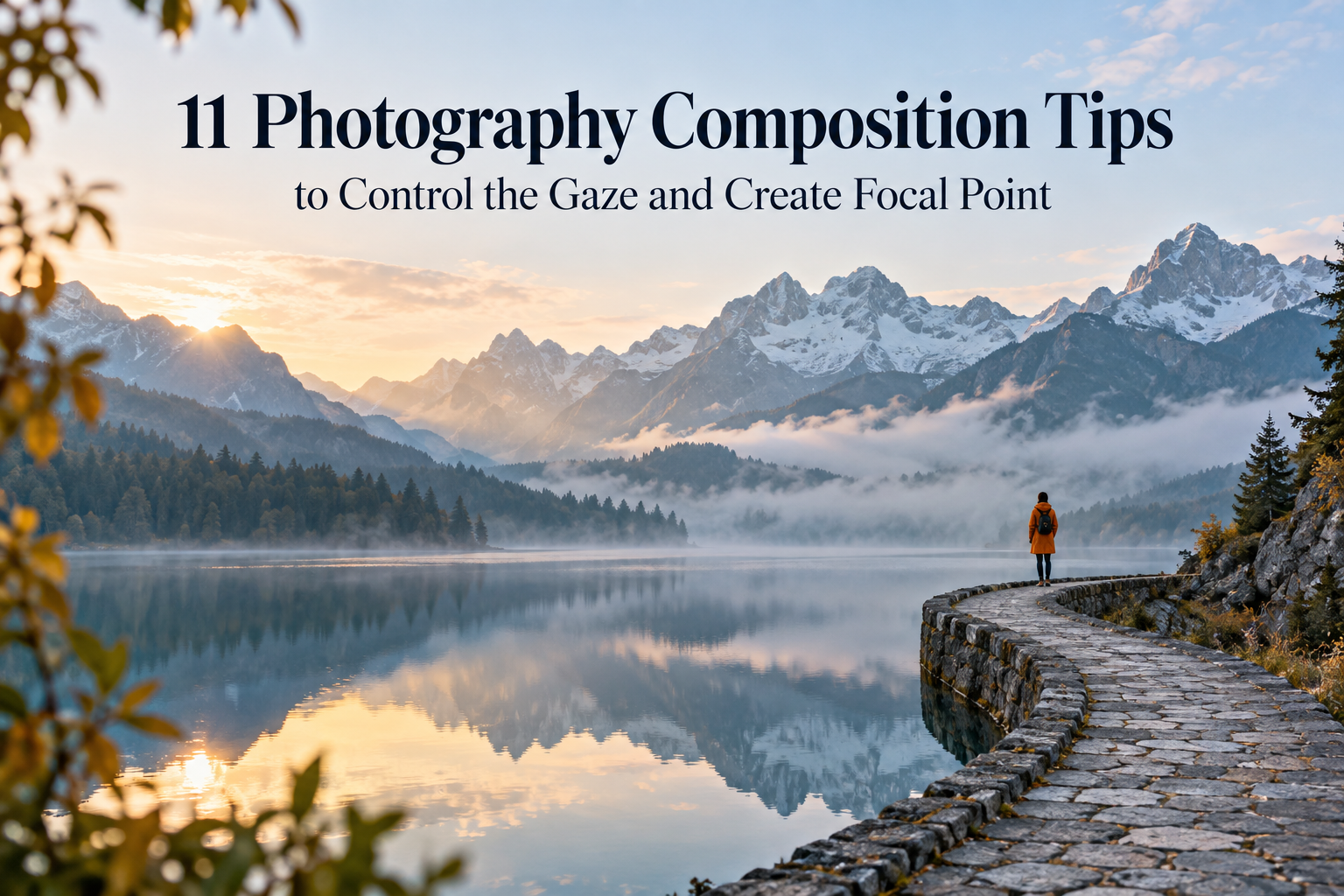
11 Photography Composition Tips to Control the Gaze and Create Focal Point
Nội dung
- 1. What is Visual Weight and Why Does It Determine How Viewers Perceive Images?
- 2. 11 Techniques for Creating Visual Weight Balance in Photos
- 2.1. Symmetrical Balance: The Beauty of Perfect Order
- 2.2. Asymmetrical Balancing: The Art of Creating Deliberate Difference
- 2.3. Balancing by Size: When Larger Objects Always Dominate
- 2.4. Balancing Color and Saturation: The Appeal of Bold Colors
- 2.5. Balancing Tones and Contrast: When Darkness Also Speaks
- 2.6. Surface Texture: A Subtle Yet Powerful Element
- 2.7. Balancing Sharpness: The Power of the Focus Area
- 2.8. Light and Darkness: Two Extremes That Create Emotional Depth
- 2.9. The Presence of Humans and Animals: Natural Anchors for the Gaze
- 2.10. Guiding Space: The Space for the Subject's Gaze
- 2.11. The Weight of Ideas: When Story Becomes the Balancing Element
- 3. Conclusion: Mastering Visual Weight to Elevate Photographic Composition
In photography, not every detail in a frame carries the same weight for the viewer. Some objects, even if only briefly appearing, are enough to draw the viewer''s attention, while others, despite occupying a large area, are easily overlooked. This phenomenon is an expression of the concept of visual weight, one of the most important compositional principles that any photographer should master. Understanding how to apply visual weight will help you proactively direct the viewer''s gaze, creating photographs with greater depth and powerful persuasiveness.
1. What is Visual Weight and Why Does It Determine How Viewers Perceive Images?
Visual weight, sometimes also called compositional balance, is a term used to describe the degree of visual impact that each element in a frame has. The stronger an element's visual weight, the more likely it is to draw the viewer's attention to it.
To create a balanced composition, the photographer needs to pay attention to the visual weight of each object appearing in the frame. Some natural objects have a much stronger presence than others, and this allows you the flexibility to decide whether to keep or exclude them from the overall composition depending on the message the photograph aims to convey.
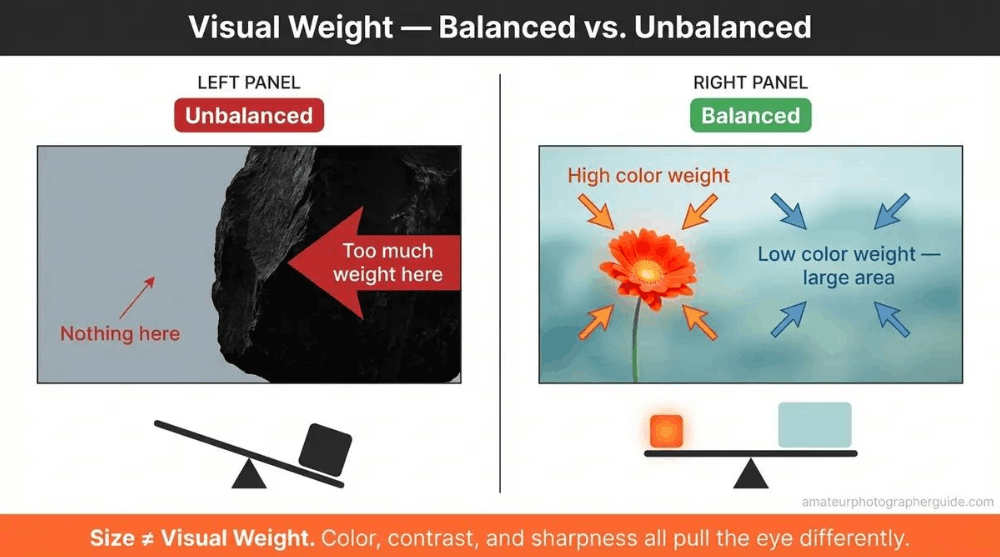
There are many different principles you can apply to balance visual weight in a photograph. One simple yet highly effective way is to skillfully combine light and shadow areas within the frame. Like many other principles in photography, sometimes photos that break the rules create unexpected and impressive effects. However, to intentionally and effectively break the rules, you first need to truly understand and master these fundamental principles.
2. 11 Techniques for Creating Visual Weight Balance in Photos
2.1. Symmetrical Balance: The Beauty of Perfect Order
Symmetrical balance, also known as formal balance, is the most visually intuitive and easily recognizable compositional method. This principle requires the photographer to place the most important element of the photograph at the center of the frame.
Most photographs that employ symmetrical balance are typically in a horizontal format, as this composition helps to better showcase symmetrical elements within the image. It's important to note that these elements don't necessarily have to be absolutely identical; they only need to convey a sense of similar weight and presence for the composition to be considered balanced.
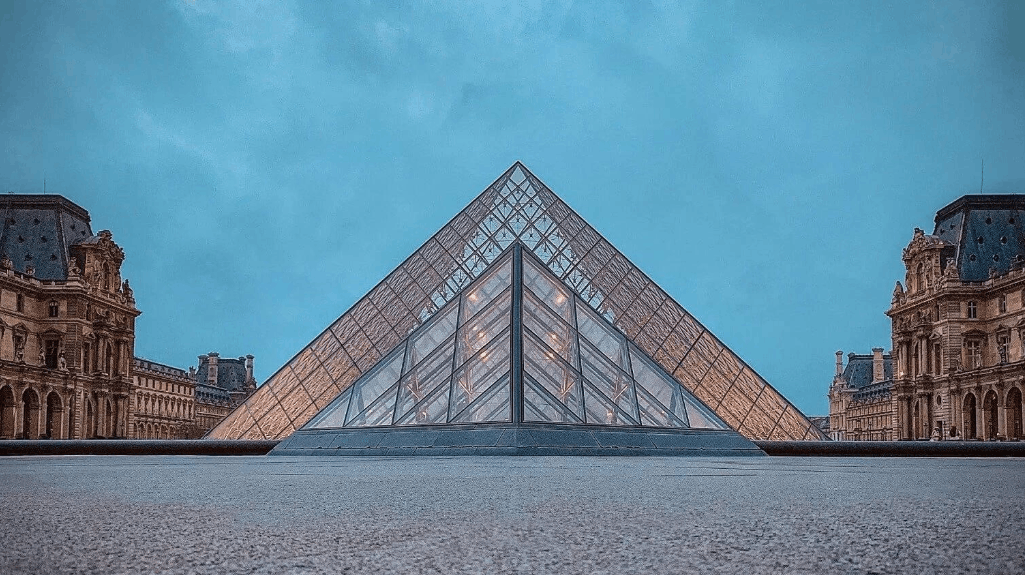
In fact, there are four common forms of symmetry in photography, including vertical symmetry, horizontal symmetry, radial symmetry, and mirror symmetry. Experimenting with these forms of visual weight balance is particularly relevant when photographing architecture and landscapes, where geometric lines and repeating structures can be exploited to their fullest potential.
2.2. Asymmetrical Balancing: The Art of Creating Deliberate Difference
Asymmetrical balance, also known as informal balance, is often more difficult to achieve than symmetrical balance, because human instinct tends towards symmetry and order.
Applying the rule of thirds will make it easier to create asymmetrical layouts. This informal balance often results in unique compositions that are sure to grab attention at first glance.
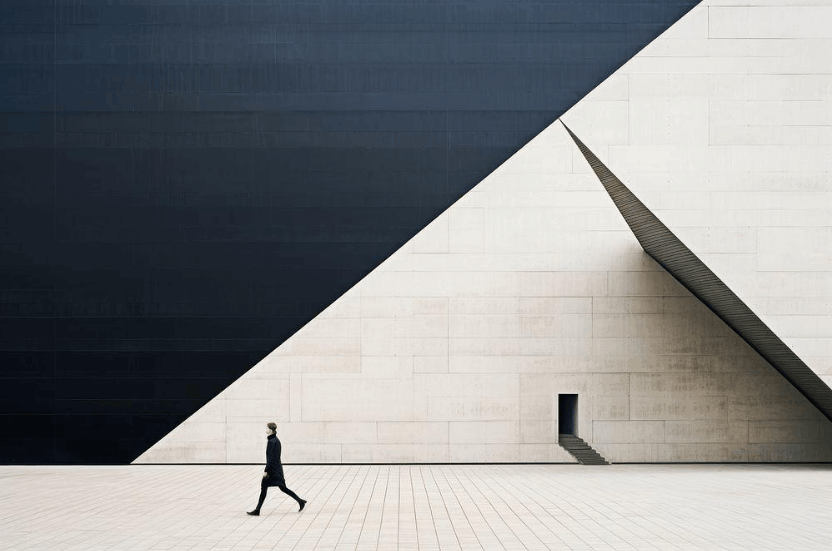
If you feel the scene isn't perfectly balanced, try adding one or more secondary subjects to the empty space in the frame. For example, a bird or an airplane in the open sky could be the perfect complement to a building in the rest of the image, helping to create a more harmonious overall picture even if it's not perfectly symmetrical.
2.3. Balancing by Size: When Larger Objects Always Dominate
Size is one of the most effective tools for achieving balance in composition. Psychologically, we tend to perceive larger subjects as closer to us, even though this isn't always the case. Skillfully leveraging this psychological characteristic can help you create dramatic and impactful photographs.
Larger objects naturally carry more visual weight than smaller objects, thus attracting the viewer's attention more strongly. You can apply this principle by changing your perspective or shortening the distance between you and the main subject to make it appear larger in the frame.

Additionally, you can also take advantage of the contrast between elements of different sizes within the same composition. Experiment with size and spacing to achieve a good balance between subjects. This method is particularly suitable for landscape, street, and architectural photography.
2.4. Balancing Color and Saturation: The Appeal of Bold Colors
Bright, vibrant colors always stand out more than muted, less saturated colors. A striking splash of color against a simple, monochromatic background can instantly capture the viewer's attention. This allows you to strategically design the layout to focus the viewer's gaze on one or two specific objects.
In addition, colors can enhance each other when placed together appropriately. You can try combining similar or contrasting colors to make the photo more interesting and appealing.

Placing similar colors next to each other also helps create a smooth transition between objects in the frame, thus keeping the viewer engaged for longer. This technique is very useful in landscape photography, portraits, and even food photography. A deeper understanding of color theory will also help you better master the art of creating harmonious compositions based on color.
2.5. Balancing Tones and Contrast: When Darkness Also Speaks
Contrast and tonal range play a crucial role in the entire photographic process. Darker objects tend to have a heavier visual impact than lighter ones, and you can fully utilize this characteristic to serve your creative intentions.
Tone and contrast are particularly powerful in black and white photography. In this genre, the viewer's attention is usually focused on the subject, surface textures, and patterns rather than color. Areas with high contrast always have the ability to strongly attract the eye. You can try placing a dark object against a light background, or vice versa, to create a striking visual effect.
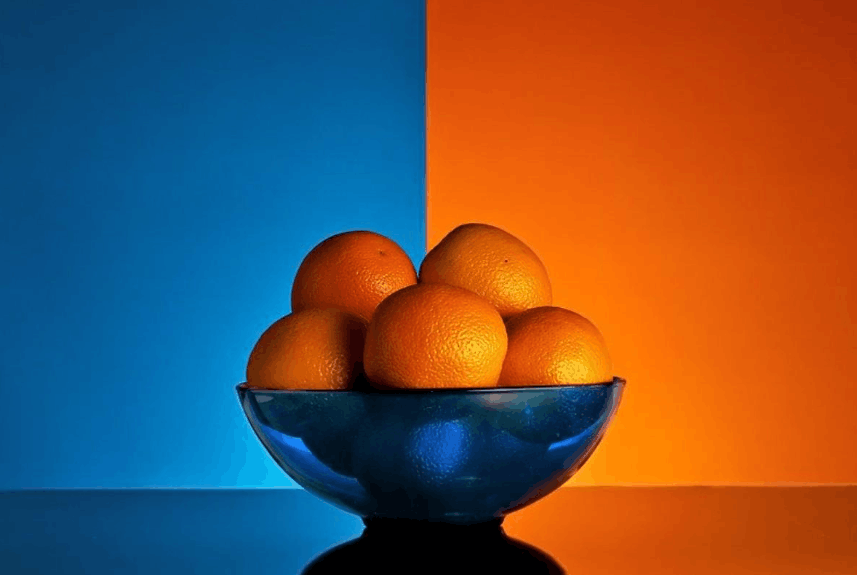
A helpful tip is to retain certain details in the negative space to help viewers maintain their interest in the overall image. This technique is often effectively applied in landscape, architectural, and street photography.
2.6. Surface Texture: A Subtle Yet Powerful Element
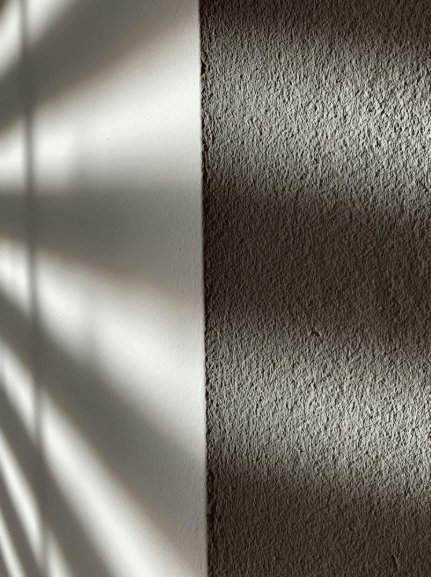
Surface patterns and textures have always held a special appeal, as humans naturally tend to seek them out and focus on them, even unintentionally. Prominent textures can contribute to the overall composition by balancing a subject that isn't in the center.
However, you need to be very careful when using this technique, because backgrounds with overly complex textures can easily distract the viewer from the main focus of the photograph.
When used correctly, surface textures can further reinforce other compositional principles. The shapes and structures of the foreground and background interact and complement each other. Furthermore, each type of texture lends a distinct visual weight to each element in the image. This visual weighting tool can be applied flexibly in portraits, street photography, landscapes, abstract art, and urban photography.
2.7. Balancing Sharpness: The Power of the Focus Area
Sharpness is one of the most effective tools for drawing the viewer's attention to a specific area or subject within a frame. Objects in sharp focus always carry more visual weight than areas outside the focus zone. The technique of blurring the background with a shallow depth of field, also known as differential focus, is an incredibly powerful tool for removing unwanted details from the overall scene.
Areas outside the focus zone still play an important role because they provide useful texture to the overall composition. Sometimes these blurred areas are even repetitions of what is in focus, helping the viewer's eye naturally drift towards them after finding the main sharp area.

To achieve this effect, you should use a shallow depth of field when shooting. This sharpness balancing technique works well in landscape photography, macro photography, and especially in food photography.
2.8. Light and Darkness: Two Extremes That Create Emotional Depth
Light and shadow are two incredibly powerful tools in photography. Every photograph is a combination of light and shadow, black and white, or highlights and shadows.
A photograph with a dark tone can create a gloomy atmosphere, suitable for serious or controversial subjects. Conversely, a photograph with a bright tone often conveys a more gentle, clear, and pure feeling.
By combining both light and dark elements, you can create different levels of visual weight for each element in the frame. You can also leverage the balance between light and dark to build a story for your photograph.
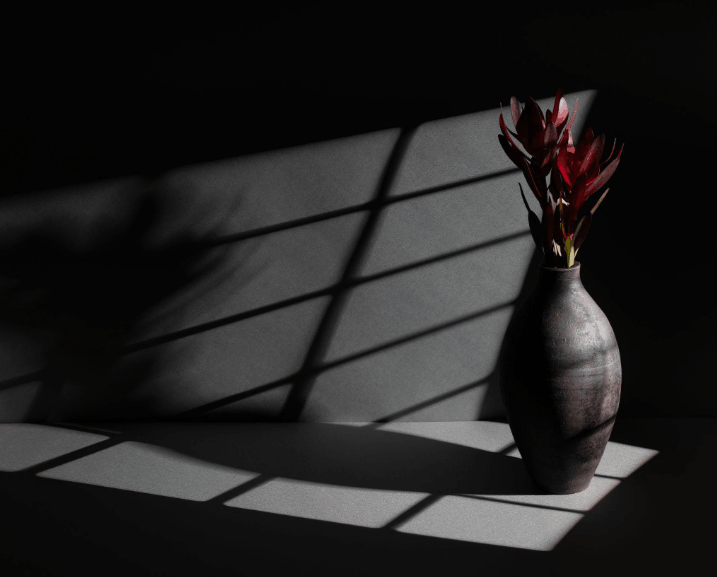
Dark areas tend to draw the viewer's eye toward brighter areas. You can apply this technique to create natural framing, for example, by using dark objects to surround and guide the viewer's gaze through the frame, causing the viewer's eye to follow the brighter areas. This visual weighting tool can be applied in almost any genre of photography.
2.9. The Presence of Humans and Animals: Natural Anchors for the Gaze
Including people or animals in a frame can be very effective in balancing the composition. These subjects are easily recognizable at first glance, as humans naturally tend to pay attention to other living things. Therefore, placing them in the image not only creates a sense of proportion and size but also helps to keep the viewer's attention focused on the entire frame for longer.

The presence of people or animals, through their location and surrounding context, also helps convey a sense of specific space and time within the photograph. Photographing people or animals always has the potential to create interesting and narrative-rich images. A unique background can also make the foreground much more appealing. This technique of creating visual weight is particularly suitable for landscape and street photography.
2.10. Guiding Space: The Space for the Subject's Gaze

The concept of leading space, sometimes called foreground space, is a principle in photography that requires the photographer to leave a space in front of the subject's line of sight. This helps the viewer perceive that the subject is looking in a different direction, rather than being confined to the edge of the frame.
From a visual psychology perspective, we always expect to see a space corresponding to the direction the subject is looking. Without this space, the photograph will struggle to create a sense of good composition or balance.
If you feel your photo isn't perfectly balanced, try including an object that the subject is looking at in the frame. This not only balances the composition but also sparks the viewer's curiosity. This spatial guidance technique is commonly used in portrait and street photography.
2.11. The Weight of Ideas: When Story Becomes the Balancing Element
A conceptual idea can be an incredibly powerful tool in constructing visually impactful compositions. Placing two opposing concepts side-by-side can tell a story or draw attention through the very contrast between those ideas.
For example, a photograph might depict the gap between rich and poor, showing the stark contrast between the circumstances of a homeless person and the luxury products being advertised right next to them. The person passing by the frame then acts as a bridge connecting these two contrasting extremes.
The conceptual ideas behind a composition can range from obvious and readily apparent things to profound, thought-provoking messages. Another example might be the image of a boy standing at the bottom of a staircase, looking up at the first step. This composition could symbolize a challenge the boy must overcome with purpose, effort, and courage. Two contrasting ideas, when placed side-by-side, effectively complement and balance each other. This technique is particularly suitable for photographs aimed at evoking emotion and stimulating thought in the viewer.
3. Conclusion: Mastering Visual Weight to Elevate Photographic Composition
There are countless ways to apply visual weight in photography, from perfect symmetry to profound conceptual ideas. However, the advice is to try applying one principle at a time in each photograph, rather than trying to cram too many techniques into a single frame. Doing so can easily make your composition cluttered and confusing for the viewer.
Instead, begin by experimenting with fundamental elements like symmetry, size, and color. Once you feel confident and proficient with these basic principles, you can move on to exploring more complex and sophisticated compositional ideas. A deep understanding of visual weight not only gives you better control over how viewers perceive your photographs, but also opens the door to creating photographic works that possess both artistic depth and powerful, enduring emotional impact.





















VIP Products








Best Selling Products
Adobe Photoshop Copyright - Full App
120 USD
Upgrade Genuine Office 365
49 USD
Genuine Cheap Canva Pro
39 USD
Upgrade genuine Capture One account
120 USD
Copyright Adobe Lightroom Account
59 USD
ChatGPT Plus Account (GPT-4)
16 USD
MidJourney Account
29 USD
Freepik Premium Account
59 USD
Genuine Adobe Illustrator account
99 USD
Adobe Premiere Pro Account
99 USD
Windows 10 & 11 Pro Key
36 USD
Capcut Pro 1 Year
39 USD
Upgrade Duolingo Super
29 USD
Autodesk All App Account Copyright
120 USD
Plugin Retouch4me
69 USD