Best Selling Products
Upgrade Duolingo Super
29 USD
Copyright Adobe Lightroom Account
59 USD
Adobe Premiere Pro Account
99 USD
Adobe Photoshop Copyright - Full App
120 USD
Windows 10 & 11 Pro Key
36 USD
Upgrade Genuine Office 365
49 USD
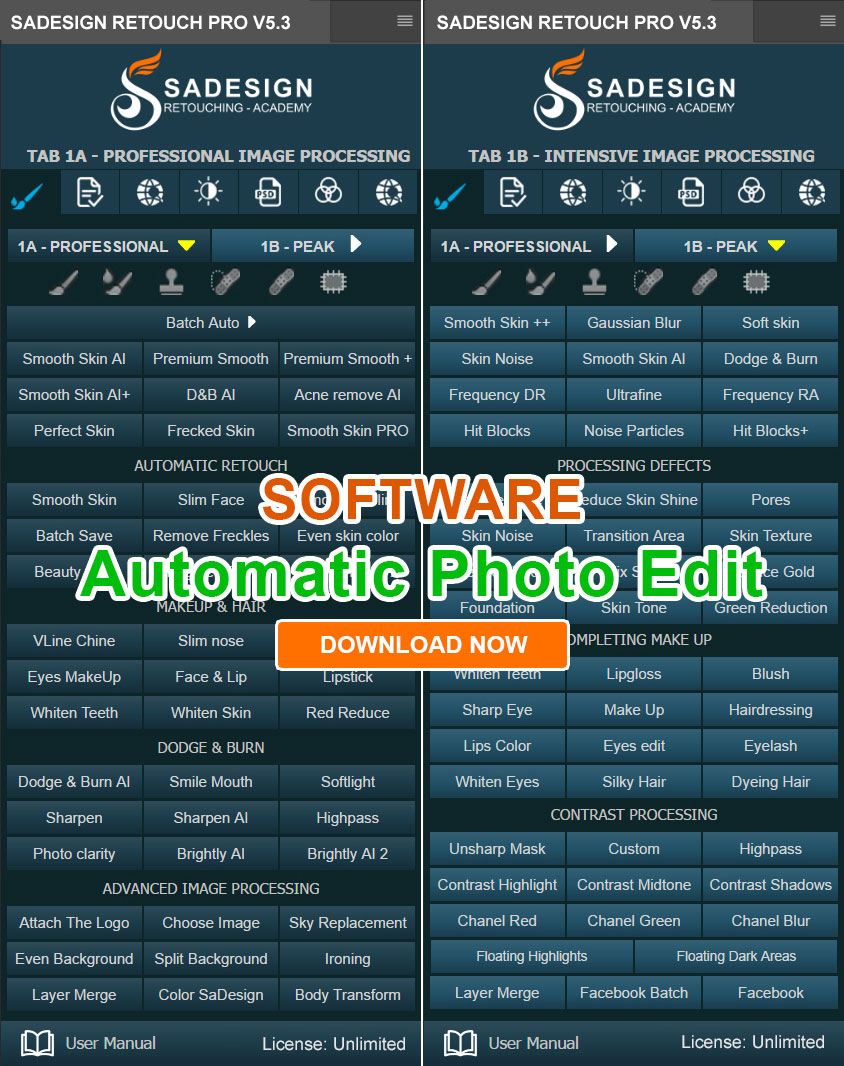
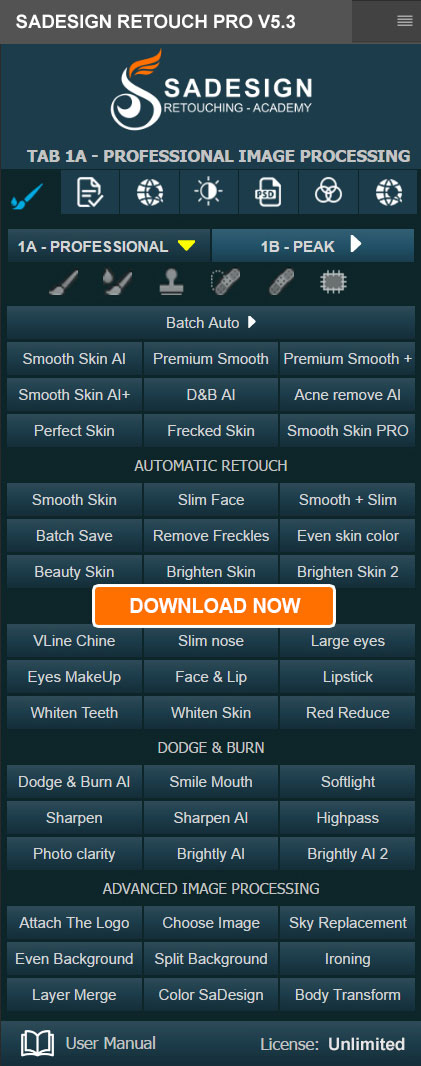
Plugin Retouch4me
69 USD
Genuine Adobe Illustrator account
99 USD
ChatGPT Plus Account (GPT-4)
16 USD
Autodesk All App Account Copyright
120 USD
Genuine Cheap Canva Pro
39 USD
Capcut Pro 1 Year
39 USD
Upgrade genuine Capture One account
120 USD
MidJourney Account
29 USD
Freepik Premium Account
59 USD
Free ChatGPT is about to undergo a major overhaul: Users should prepare for a series of unexpected changes.
Nội dung
OpenAI is testing new features that could directly impact the experience of free users. Many signs indicate that advertising and new access policies will soon be implemented. This could be a crucial turning point in OpenAI's strategy to maintain its free model in the long term.
With AI becoming a global trend and companies facing increasing infrastructure costs, finding a sustainable monetization model is essential. While OpenAI previously focused on selling services to businesses, development partners, and paying users, it now seems the company is targeting the largest user group: free users. The introduction of advertising is not just a change in user experience, but also reflects OpenAI's new direction in the increasingly fierce competition in the AI market. To better understand this shift, we need to look deeper into the leaked information, OpenAI's business goals, and the potential impact they will have on users in the future.
1. The advertising code appears in the ChatGPT application.
The appearance of code referencing an advertising system in the ChatGPT Android app has sparked a major discussion within the tech community. Logically, it's not unusual for a global company to implement advertising to support a free platform. However, for OpenAI, a company that has repeatedly stated that advertising is not its primary focus, this is a noteworthy development.
It's worth noting that this change seems to directly affect users with free accounts. This group makes up the largest proportion and is also the source of significant traffic for ChatGPT. As the number of users increases exponentially, the cost of operating AI infrastructure becomes increasingly large and complex, especially as the model becomes more powerful and resource-intensive. Maintaining a completely ad-free free version for an extended period is clearly not economically sustainable.
(2).jpg)
Implementing advertising can therefore be seen as a way to balance user experience and operating costs. This is also a way for OpenAI to continue expanding its free user base while still ensuring the necessary revenue to develop more advanced AI models. However, many users are concerned that the appearance of ads may disrupt the already smooth experience of ChatGPT.
Some experts believe that if advertising is implemented in a "non-intrusive" manner, such as only appearing when users search for external content or perform certain tasks, the negative impact may not be too significant. Conversely, if ads appear directly within the chat interface, this can significantly reduce the quality of the user experience.
2. Ad code traces
The information that generated the most attention was the discovery by Tibor Blaho, a software engineer specializing in analyzing the source code and internal structure of AI applications. While researching the Android version of ChatGPT, he discovered numerous code snippets directly related to the advertising system, including ad search capabilities, ad search cycles, and even a separate advertising API.
These findings suggest that OpenAI is not just experimenting at the conceptual level, but has already built the necessary foundational components of the system. The relevant modules did not appear randomly but have a fairly complete structure, sufficient for deployment in the near future. The presence of this code in the public version of the application indicates that the integration process has reached a sufficiently stable stage to be included in testing or prepared for launch.
According to Blaho, the advertising system mentioned in the source code could operate by sending requests to an OpenAI API or an integrated advertising platform. The “ad search” and “ad search rotation” features suggest that ads could be displayed based on the user’s search context or related product and service categories. This creates the possibility that ChatGPT will use user search data to display more relevant ads, similar to how Google Search works.
(1).jpg)
Blaho's findings aren't the only ones, but they are highly credible because they were verified directly from the application. This has led the community to believe that the possibility of ads appearing in ChatGPT is no longer a rumor, but has become part of OpenAI's development roadmap.
3. Advertisements can appear on multiple platforms.
One of the most noteworthy details in the discovered code is that the advertising system is not limited to the Android platform. This suggests that OpenAI is implementing a cross-platform advertising solution that can operate across all versions of ChatGPT, including iOS, macOS, and desktop. This aligns with the modern application development model, where key features are built cross-platform to ensure a consistent user experience.
This indicates that advertising is not a temporary experiment on Android but a long-term strategy that OpenAI is preparing to implement synchronously. The repeated mention of the term "search" in the source code suggests that ads will likely only appear during web searches or when ChatGPT suggests purchases. If ads are limited to those contexts, the experience in a normal chat window may not be significantly affected.
However, it's still too early to conclude what form of advertising OpenAI will use. The company may experiment with various options, from compact ads within search results to related content suggestions. Some analyses even predict OpenAI might opt for "smart ads," meaning ads naturally integrated into the responses, similar to how some AI platforms recommend products.
(2).jpg)
Regardless of which direction it takes, the introduction of advertising in ChatGPT will undoubtedly mark a significant turning point in how the platform operates and monetizes its free users.
4. ChatGPT Paid Package
Currently, users can choose a paid version of ChatGPT, starting at $20 per month for the Plus plan. This price provides users with faster response times, access to more powerful models like GPT-4.1 or GPT-5 mini, and many other additional features. Additionally, the ChatGPT Pro plan, priced at $200 per month, offers near-unlimited access to the most powerful models, high-volume processing capabilities, and resource prioritization during peak traffic periods.
The appearance of advertisements will clearly make paid packages more attractive. This is a strategy that many other online services have successfully adopted: maintaining a free version with ads to attract a large user base, while offering paid packages to ensure an uninterrupted premium experience.
Additionally, OpenAI is developing service packages for businesses and education. Organizations using ChatGPT in professional or school environments will not want to be bothered by advertisements, so a paid package will become an almost mandatory option. This opens up a more stable revenue stream for OpenAI in the future.
(1).jpg)
Adding ads, if implemented appropriately, could help OpenAI maintain the current price for the Plus plan or even develop new plans to suit a wider range of needs. However, if ads heavily impact the user experience, free users might feel compelled to switch to a paid plan against their will.
5. OpenAI is considering raising prices.
In addition to indications about the advertising system, there's another important piece of information mentioned: OpenAI is considering raising the price for access to its AI chatbots. Introducing an advertising support package at the same time as the price change could be a logical strategy the company is considering.
The high operating costs of AI models mean that companies like OpenAI are constantly looking for ways to increase revenue to reinvest in research, model training, expanding computing infrastructure, and improving processing speed. Therefore, price increases are not entirely unexpected. However, if prices are increased without adding value, paying users may react negatively. Introducing ads into the free version could help OpenAI reduce the pressure of excessively high prices for its paid packages, or allow for more reasonable price increases.
(2).jpg)
Combining advertising with paid subscriptions is a model already adopted by many platforms such as Spotify, YouTube, and numerous mobile apps. Users fully understand that advertising is a way for them to avoid paying. If OpenAI pursues this approach, they need to ensure that advertising does not detract from the quality of the experience: the ability to conduct fast, accurate, and uninterrupted AI conversations.
If OpenAI implements advertising subtly, free users may still enjoy much of the familiar experience. However, if ads appear frequently or directly affect the responsive content, a shift to other models like Claude, Gemini, or LLaMA is entirely possible.






VIP Products
Best Selling Products
Upgrade Duolingo Super
29 USD
Copyright Adobe Lightroom Account
59 USD
Adobe Premiere Pro Account
99 USD
Adobe Photoshop Copyright - Full App
120 USD
Windows 10 & 11 Pro Key
36 USD
Upgrade Genuine Office 365
49 USD
Plugin Retouch4me
69 USD
Genuine Adobe Illustrator account
99 USD
ChatGPT Plus Account (GPT-4)
16 USD
Autodesk All App Account Copyright
120 USD
Genuine Cheap Canva Pro
39 USD
Capcut Pro 1 Year
39 USD
Upgrade genuine Capture One account
120 USD
MidJourney Account
29 USD
Freepik Premium Account
59 USD