Best Selling Products
Copyright Adobe Lightroom Account
59 USD

Autodesk All App Account Copyright
120 USD

MidJourney Account
29 USD

Freepik Premium Account
59 USD

ChatGPT Plus Account (GPT-4)
16 USD

Adobe Premiere Pro Account
99 USD

Upgrade Genuine Office 365
49 USD
Adobe Photoshop Copyright - Full App
120 USD

Upgrade Duolingo Super
29 USD

Upgrade genuine Capture One account
120 USD

Genuine Cheap Canva Pro
39 USD

Plugin Retouch4me
69 USD

Genuine Adobe Illustrator account
99 USD

Capcut Pro 1 Year
39 USD

Windows 10 & 11 Pro Key
36 USD
The Journey to Finding Your Perfect Photography Style
Nội dung
- 1. Why is it important to find your personal photography style?
- 2. Elements that define your own photographic style
- 2.1. Photography Style
- 2.2. Editing Style
- 2.3. Inspiration
- 3. How do trends influence photographic style?
- 4. Let your personal photography style develop naturally.
- 5. Not everyone is good at everything.
Not everyone finds their style right away. This article shares how to experiment, eliminate options, and choose to gradually develop a photography style that makes you feel confident and enthusiastic.
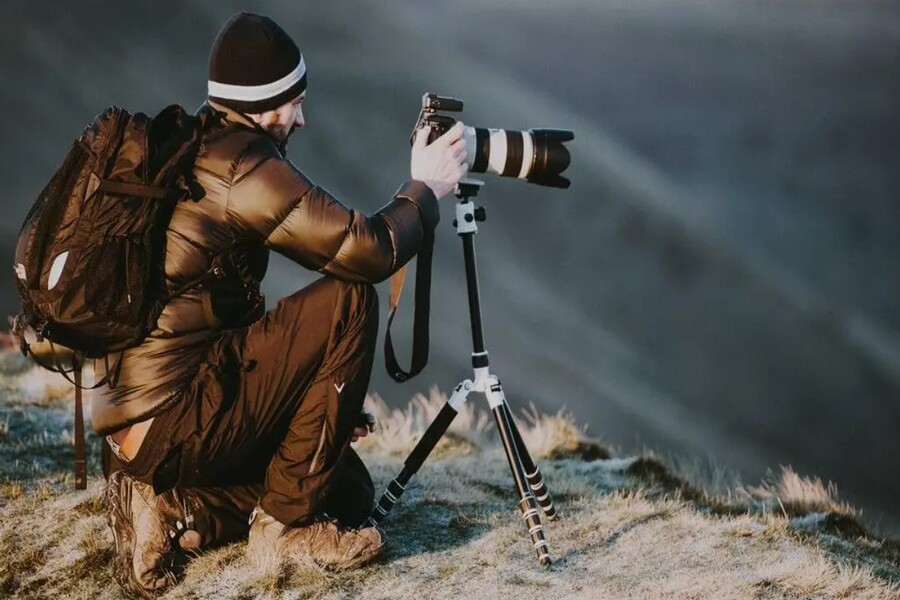
1. Why is it important to find your personal photography style?
Finding your personal photography style is like finding a lifestyle or a style of dress that suits you. When you're young, you might try many different clothes: sometimes following trends, sometimes dressing like your idols, and sometimes changing completely because of a comment. But only when you truly understand your body and what makes you comfortable will you begin to develop a stable style.
Photography is no different. Initially, you can try shooting everything: landscapes, portraits, street scenes, products, events. You try different camera angles, different color grading, different equipment. This is not only normal, but also essential if you want to progress further. Because if you don't try, you'll never know what you truly enjoy and where you excel.
A photographic style not only helps you take better photos, but also helps you make decisions faster . Once you have a relatively clear style, you'll know where to stand, what focal length to choose, what aperture to use, and how to handle the light. These decisions gradually become instinctive, instead of requiring too much deliberation each time you press the shutter button.
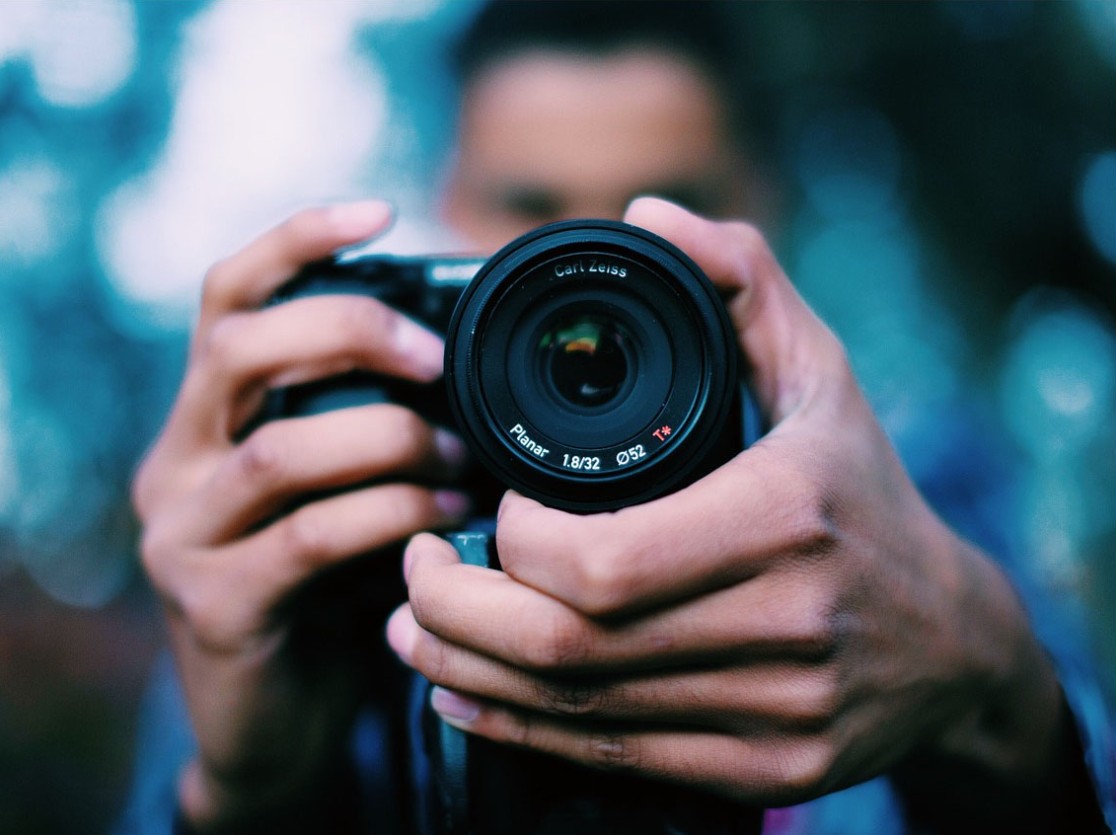
Furthermore, personal style is a crucial factor if you want to pursue photography seriously or professionally. In a market where everyone has a good camera and can edit photos, what makes clients remember you is not the technical specifications, but the emotion and unique touch in your images.
Just like fashion, photography isn't static. What's considered beautiful today may be outdated tomorrow. Flared pants were a symbol of style in the 70s, then disappeared in the 80s, before making a strong comeback decades later. The same is true for photography. The heavy HDR trend was once very popular, then gradually gave way to a more natural style. The important thing is that your style doesn't just follow trends, but reflects who you are and how you see the world.
2. Elements that define your own photographic style
Photographic style isn't a single element. It's the sum total of many small decisions repeated over time. These decisions can relate to how you shoot, how you edit, and even the sources of inspiration you choose to nurture your creative thinking.
2.1. Photography Style
Shooting style is how you approach the subject and its surroundings. Two photographers standing in the same spot, looking at the same scene, can produce completely different results. This doesn't come from the equipment, but from how they think and make choices.
Some people prefer a natural approach, capturing moments authentically, almost unintentionally. Others prefer staging, controlling the light, and creating carefully calculated settings. There is no right or wrong way. Each approach reflects the personality and mindset of the photographer.
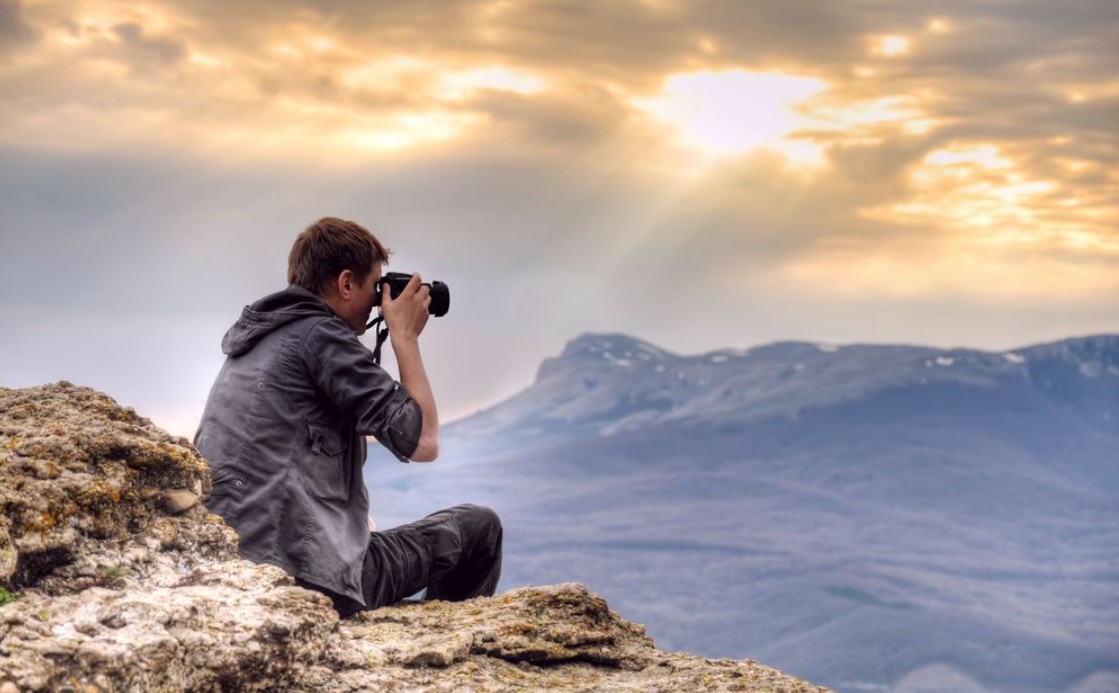
For example, in event photography, some photographers often use a large aperture to blur the foreground and background, keeping the subject prominent in an emotionally rich space. This helps tell a story subtly, focusing on the people. Meanwhile, others may choose a narrower aperture, preserving more background detail to emphasize the overall atmosphere of the event.
These choices, when repeated enough times, will gradually become your "signature." You may not realize it immediately, but viewers will begin to notice a consistency in your photos, regardless of the setting.
2.2. Editing Style
Photo editing is not just about perfecting your technique, but also where your personal style is most clearly expressed. Two people might shoot the same RAW file, but the way they handle color, contrast, and lighting will create two photos with completely different emotions.
Some photographers build their style through their choice of aspect ratios, such as square images. Jonathan Chritchley and Lea Tippett are prime examples. Their consistent use of a format has helped them create a unique identity, allowing viewers to recognize their photos even without seeing the author's name.
In addition, the choice of color or monochrome also plays a crucial role. Jonathan Chritchley is famous for his black and white landscape photographs, where light and form are paramount. This style helps him stand out from the crowd and create a very unique visual language.
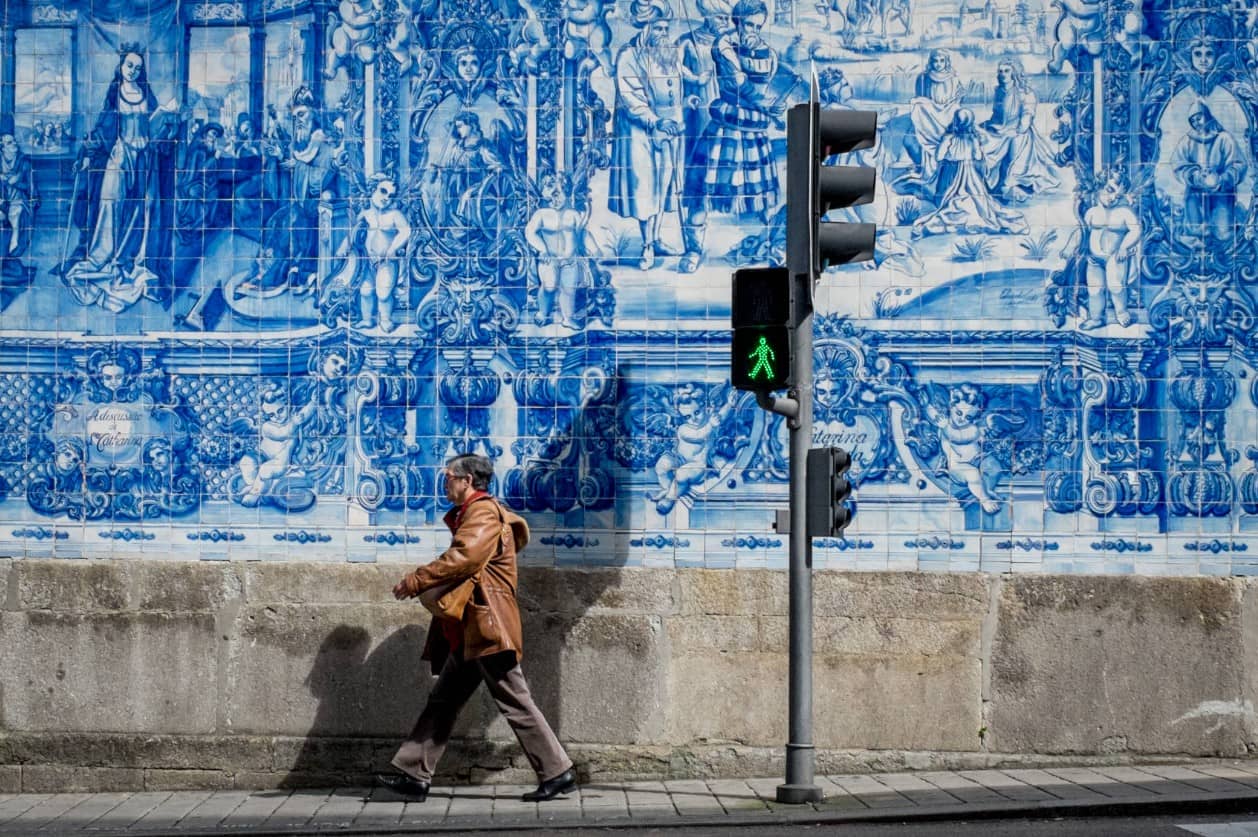
Some people prefer subtle photo editing, preserving a natural feel. Others prefer to enhance color and contrast to create a strong visual impact. Neither option is inherently better than the other. The important thing is that you understand what you're doing and why you're doing it.
2.3. Inspiration
No one develops a style in isolation. We are all influenced by those who came before us, by the works that move us. This is perfectly normal and even necessary.
It's important to distinguish between inspiration and imitation. Inspiration is when you learn the spirit, the storytelling, the use of light, and then make them part of your own language. Imitation is when you copy the surface without adding any personal touch.
For example, you might be influenced by Maarten Mellemans' storytelling ability, Lily Bungay's subtle use of light, or Dina Belenko's clever arrangement. When these influences blend with your own experiences and personality, they create a new, unique, and personal style.
3. How do trends influence photographic style?
Trends are an inevitable part of any creative field. Photography is no exception. There were times when strong HDR was considered the standard for beautiful photos, but over time, tastes changed and that trend gradually became outdated.
Trends influence how we perceive beauty. A photograph you were proud of a few years ago might make you feel embarrassed when you look back at it. This doesn't mean you took the wrong picture; it means you've evolved.
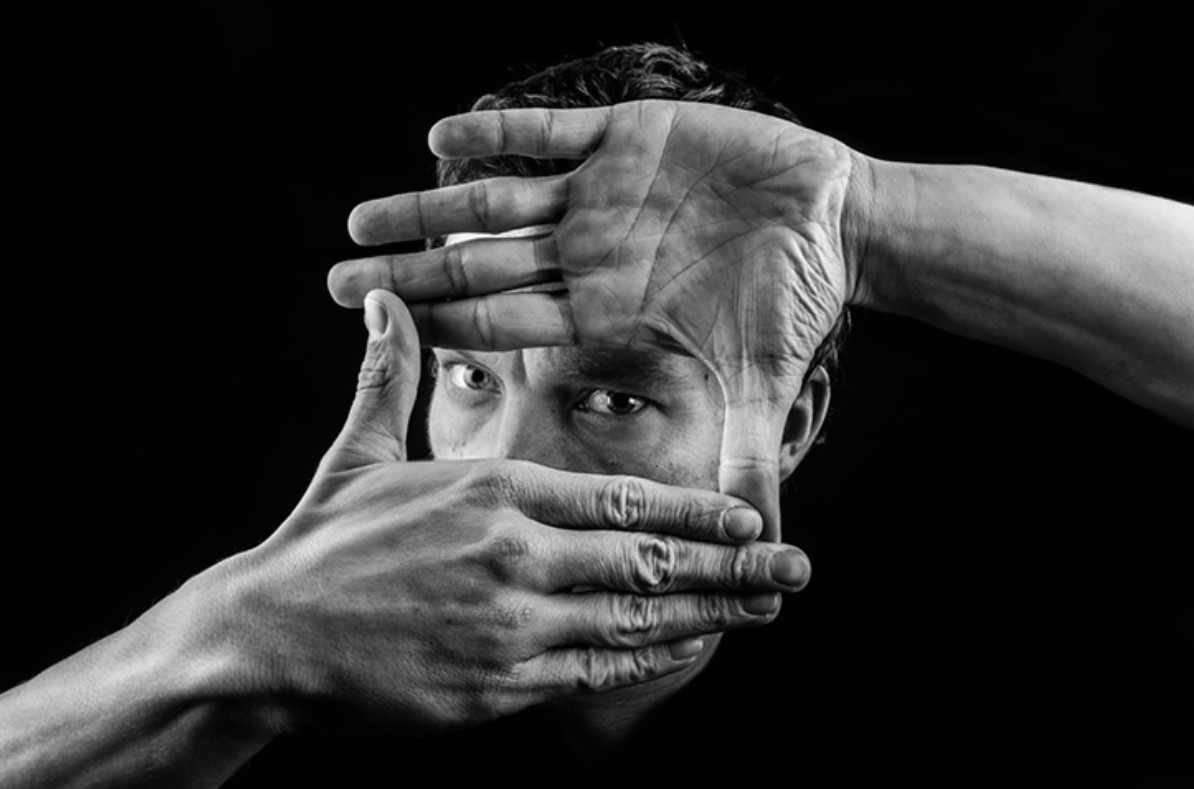
Following trends is essential, especially if you're doing commercial photography. Clients, the market, and social media are all driven by trends. However, blindly following trends can easily lead to losing your own identity.
There are photographers who create timeless works. Annie Leibovitz's portraits from the 1980s remain iconic to this day. Steve McCurry's photographs from the 1990s continue to inspire generations to come. Their commonality lies not in chasing trends, but in staying true to their visual language and the stories they want to tell.
4. Let your personal photography style develop naturally.
One of the most common mistakes beginners make is trying to "define their style" too early. When you don't have enough experience, any attempt to label your style is likely to feel forced.
Style takes time to develop. You need to shoot a lot, experiment a lot, and most importantly, allow yourself to make mistakes. Over time, you'll gradually realize what kind of photos you like, what kind you dislike, and what excites you when you're behind the camera.
Once your style begins to develop, you'll find yourself more confident in your work. You'll know what you need and what you don't need, and you'll start saying "no" to projects that don't align with your direction.
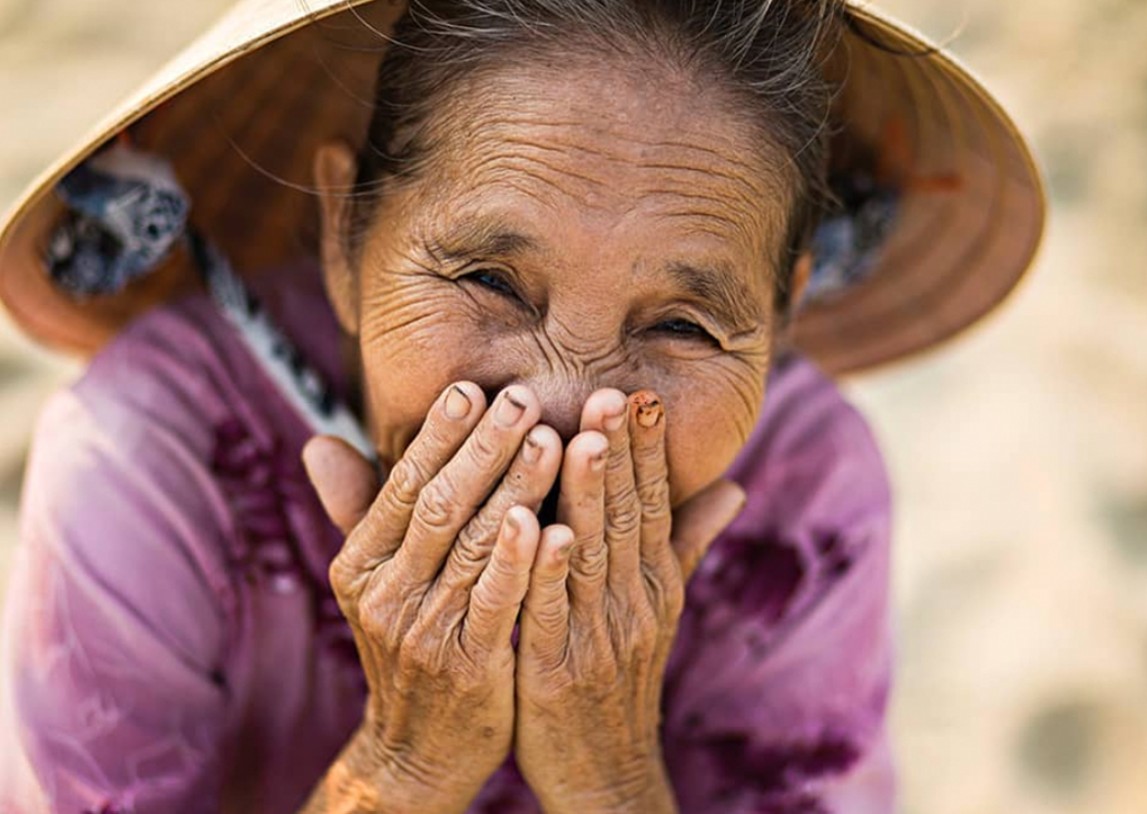
5. Not everyone is good at everything.
Photography is a vast field. No one can be good at everything. Acknowledging this is not a failure, but an important step in the journey of development.
You might admire the landscape photography of David Clapp, Verity Milligan, or Joe Cornish, but that doesn't mean you have to become a landscape photographer. There are people who love landscapes, enjoy being in nature, but don't find joy in capturing sunrise shots or waiting for hours for a particular moment of light.
Recognizing your weaknesses helps you focus on your strengths. When you invest your time and energy in the right areas, your style will develop much faster and more sustainably.
Finding your own photographic style isn't a destination, it's a journey. Your style today may be different from your style a few years from now, and that's perfectly normal. The important thing is that you always shoot with honesty, curiosity, and joy.
Allow yourself to experiment, allow yourself to change, and allow your style to mature over time. When you truly understand why you're photographing and for whom, your style will naturally emerge without being forced or labeled, but clear enough for others to recognize it as your own.

















VIP Products






Best Selling Products
Copyright Adobe Lightroom Account
59 USD
Autodesk All App Account Copyright
120 USD
MidJourney Account
29 USD
Freepik Premium Account
59 USD
ChatGPT Plus Account (GPT-4)
16 USD
Adobe Premiere Pro Account
99 USD
Upgrade Genuine Office 365
49 USD
Adobe Photoshop Copyright - Full App
120 USD
Upgrade Duolingo Super
29 USD
Upgrade genuine Capture One account
120 USD
Genuine Cheap Canva Pro
39 USD
Plugin Retouch4me
69 USD
Genuine Adobe Illustrator account
99 USD
Capcut Pro 1 Year
39 USD
Windows 10 & 11 Pro Key
36 USD