Best Selling Products
Upgrade Genuine Office 365
49 USD
Upgrade genuine Capture One account
120 USD
Genuine Cheap Canva Pro
39 USD

MidJourney Account
29 USD
Plugin Retouch4me
69 USD
Windows 10 & 11 Pro Key
36 USD
Autodesk All App Account Copyright
120 USD
Adobe Premiere Pro Account
99 USD

Capcut Pro 1 Year
39 USD

ChatGPT Plus Account (GPT-4)
16 USD

Freepik Premium Account
59 USD
Adobe Photoshop Copyright - Full App
120 USD
Genuine Adobe Illustrator account
99 USD
Upgrade Duolingo Super
29 USD
Copyright Adobe Lightroom Account
59 USD
UI/UX Website Design Trends 2026: More Minimalist, Smarter, and More Emotionally Engaging
Nội dung
Modern web design is moving toward simplicity with depth. This article analyzes how emerging UI/UX trends help enhance user experiences and strengthen emotional connections with users. From micro-interactions to personalization, every detail plays a strategic role. Ideal for designers who want to create websites that are not only beautiful but also effective.

1. Glassmorphism
Glassmorphism is one of the most prominent UI design trends of recent years. This style draws inspiration from transparent glass materials, combining blur effects and soft shadows to create a modern, refined, and visually layered appearance. Today, Glassmorphism is no longer viewed as a simple decorative effect but has gradually become part of design systems, selectively used to support focus and guide users through information.
In 2026, Glassmorphism continues to evolve toward greater simplicity and functionality. Designers no longer apply frosted glass effects extensively but instead reserve them for areas that require separation of information layers, such as navigation bars, content cards, popups, or control panels. The goal is not merely to “beautify” the interface but to create visual depth and help users better understand the structure of the UI. When used properly, Glassmorphism creates a sense of space, making interfaces feel lighter, more open, and more dimensional compared to traditional flat layouts.
.jpg)
However, Glassmorphism also presents challenges in terms of readability and performance. The use of blur and transparency can reduce contrast, especially when the background contains complex details or colors. Therefore, designers need to pay close attention to information hierarchy and the degree of effect usage. Typography should be sufficiently bold and maintain high contrast against the background. It is also recommended to combine Glassmorphism with solid or subtle gradient backgrounds to ensure readability and accessibility. In addition, elements such as bright borders, soft shadows, and proper layer spacing play an important role in preventing the interface from appearing flat or difficult to view.
Another notable aspect of 2026 is the tighter integration of Glassmorphism with dark mode. When applied to dark backgrounds, frosted glass effects create a distinctly premium and futuristic feel. Many technology, fintech, and SaaS brands are leveraging this approach to establish a high-end product image. Nevertheless, performance optimization remains critical, particularly on mobile devices. Excessive blur effects or too many glass layers can reduce rendering speed and negatively impact user experience.
Glassmorphism is not a loud or flashy trend, but it is one of the most sustainable styles because it serves not only aesthetic purposes but also helps organize information effectively. In 2026, designers should treat Glassmorphism as a system tool rather than a decorative effect.
.jpg)
2. Interactive 3D
Interactive 3D is a design style that allows users to directly engage with three-dimensional models or environments. In recent years, this trend has been widely applied across various industries such as interior design, education, e-commerce, and gaming, delivering immersive and exploratory user experiences.
Entering 2026, Interactive 3D website design is being implemented with greater practicality and clearer objectives. Rather than simply creating a “wow” effect, 3D elements are optimized to support the user journey, from product exploration and personalized experiences to decision-making assistance. For example, in e-commerce, users can rotate, zoom, and inspect products in real time; in education, 3D models help visualize knowledge; and in branding, 3D creates emotionally rich and distinctive experiential spaces.
The development of technologies such as WebGL, WebGPU, and AR/VR has made 3D experiences smoother, more accessible, and better optimized across various devices. Modern frameworks allow complex graphics to be rendered without significantly compromising performance. However, Interactive 3D remains a technique that requires careful consideration. When used without purpose, 3D can increase loading times, distract attention, or make the experience feel heavy.
.jpg)
In 2026, the clear trend is “strategic 3D.” Designers need to ask: What value does this 3D element provide to users? Does it clarify information or merely serve as visual spectacle? When 3D serves a meaningful purpose, it not only enhances user experience but also increases engagement time, brand recall, and conversion rates.
3. Illustration
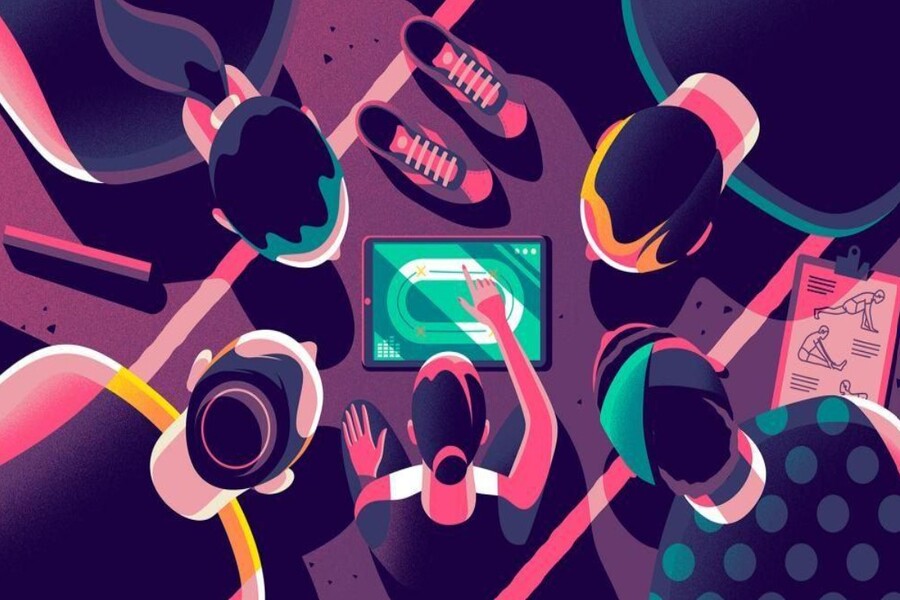
Illustration is a design style that uses custom artwork as the primary visual element instead of photography or template-based UI graphics. Illustrations help websites express brand personality more clearly while creating a friendlier and more memorable experience compared to purely functional interfaces.
Today, illustration is no longer merely decorative but functions as a visual storytelling tool. Illustrations are often custom-designed to align with a brand’s tone of voice and messaging, enabling users to quickly understand what the website wants to communicate without relying on excessive text. In 2026, illustration is becoming increasingly systematic. Brands are no longer creating isolated illustrations but are instead building entire visual languages that remain consistent across landing pages, onboarding experiences, and micro-interactions.
Modern illustration trends favor minimalism, clear shapes, controlled color palettes, and subtle movement. Motion illustrations, particularly loop animations and scroll-based animations, help make interfaces feel alive while remaining lightweight. This approach is especially effective for onboarding, storytelling, and product explanation.
.jpg)
However, illustrations are only effective when used thoughtfully. They should support content and user experience rather than overwhelm users with excessive details or reduce performance. A balanced combination of illustration, typography, and white space helps websites stand out visually while remaining clear and user-friendly.
4. Parallax Scrolling
Parallax scrolling is a website design technique in which interface elements are divided into multiple layers with varying depths and movement speeds. As users scroll, foreground layers move faster than background layers, creating a sense of depth and a three-dimensional motion effect.
.jpg)
In 2026, parallax is no longer used for visual spectacle alone but is applied more subtly and intentionally. The effect helps emphasize important content, create rhythm throughout the scrolling journey, and strengthen continuity between content sections. Parallax is particularly effective for storytelling, product landing pages, and portfolios where visual experience plays a central role.
However, it remains a technique that requires careful control. Excessive movement, inconsistent speeds, or overly dramatic effects can disrupt reading flow, cause fatigue, and negatively affect performance, especially on mobile devices. In 2026, good parallax is parallax that “goes unnoticed,” meaning users experience smoothness and natural flow without consciously focusing on the effect itself.
5. Retro
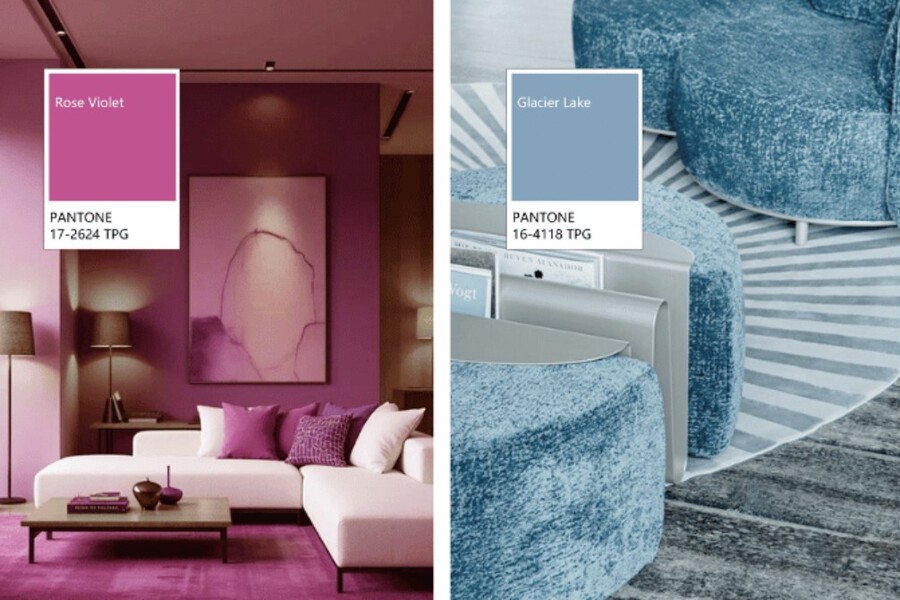
Retro is a 2026 website design trend that incorporates visual elements inspired by previous decades to create nostalgia and emotional connections with users. In modern web design, retro is no longer about directly copying old styles but about distilling the spirit of the past and combining it with modern structures and user experiences to create unique brand identities.
.jpg)
Retro-style websites often express the characteristics of specific eras through typography, color palettes, and graphic design. Bold, decorative, or pixel-inspired fonts evoke the atmosphere of the 1970s and 1980s, while earthy tones, pastel palettes, and neon colors establish nostalgic feelings visually. In 2026, retro is increasingly combined with subtle motion effects and modern layouts, creating a blend of old and new.
However, overusing nostalgic elements can make interfaces cluttered and difficult to navigate. Modern retro design requires a balance between emotion and functionality, ensuring that websites remain nostalgic while still meeting contemporary user experience expectations.
6. Oversized Text
Oversized Text is a website design approach that uses large-scale typography to create strong visual focal points. It is commonly applied to headlines and key messages in order to capture attention immediately and communicate core content at a glance.
.jpg)
In 2026, typography is no longer merely a supporting element but has become the centerpiece of many layouts. Oversized text is often combined with generous white space, minimalist layouts, and subtle motion, resulting in interfaces that feel bold, clear, and highly distinctive. When used consistently, this style helps establish a strong brand identity and allows websites to stand out among more conventional designs.
However, the use of large typography requires strategic planning. Too much oversized text on a single screen can make interfaces feel heavy, difficult to read, and visually unbalanced. Designers must carefully manage hierarchy, line spacing, contrast, and responsiveness to ensure optimal experiences across all screen sizes.
7. Bento Grid
Bento Grid is a website interface design trend based on grid layouts inspired by the organized compartments of traditional Japanese Bento lunch boxes. Each piece of content is placed within its own distinct “cell,” creating a clear and orderly structure from the first glance.
In modern web design, Bento Grid is commonly used for landing pages, news websites, e-commerce platforms, and dashboards. This layout allows different types of content—such as images, text, videos, and data—to coexist on the same screen while remaining easy to follow. Thanks to its well-structured segmentation, users can scan information quickly, understand the overall content at a glance, and easily focus on important areas.







VIP Products


Best Selling Products
Upgrade Genuine Office 365
49 USD
Upgrade genuine Capture One account
120 USD
Genuine Cheap Canva Pro
39 USD
MidJourney Account
29 USD
Plugin Retouch4me
69 USD
Windows 10 & 11 Pro Key
36 USD
Autodesk All App Account Copyright
120 USD
Adobe Premiere Pro Account
99 USD
Capcut Pro 1 Year
39 USD
ChatGPT Plus Account (GPT-4)
16 USD
Freepik Premium Account
59 USD
Adobe Photoshop Copyright - Full App
120 USD
Genuine Adobe Illustrator account
99 USD
Upgrade Duolingo Super
29 USD
Copyright Adobe Lightroom Account
59 USD