
Best Selling Products
Upgrade genuine Capture One account
120 USD

ChatGPT Plus Account (GPT-4)
16 USD
Autodesk All App Account Copyright
120 USD

Capcut Pro 1 Year
39 USD

Upgrade Duolingo Super
29 USD

Freepik Premium Account
59 USD
Genuine Adobe Illustrator account
99 USD
Genuine Cheap Canva Pro
39 USD
Adobe Photoshop Copyright - Full App
120 USD
Upgrade Genuine Office 365
49 USD

Copyright Adobe Lightroom Account
59 USD

MidJourney Account
29 USD
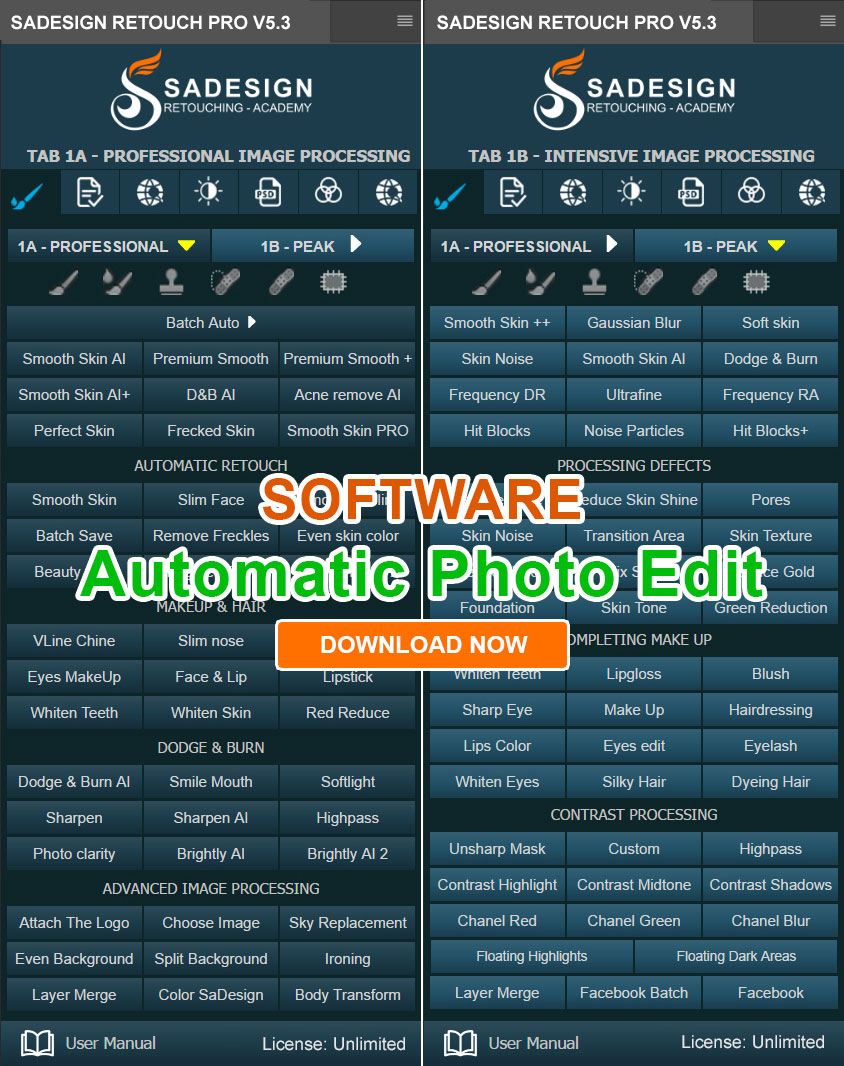
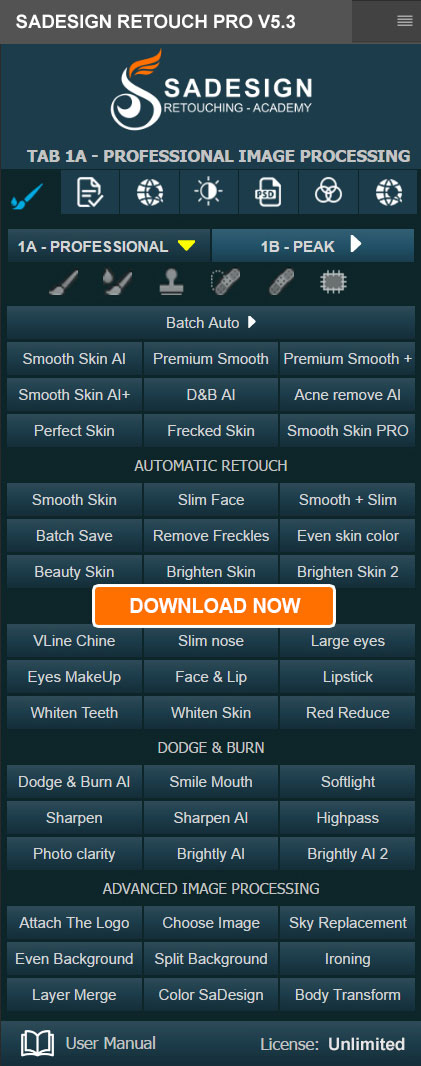
Plugin Retouch4me
69 USD
Adobe Premiere Pro Account
99 USD

Windows 10 & 11 Pro Key
36 USD
What is Infographic? Revealing 10 Key Elements That Make an Infographic Stand Out
Nội dung
- 1. What is an Infographic?
- 2. Benefits of Infographics in Marketing
- 3. The Role of Infographics Across Industries
- 3.1. In Recruitment
- 3.2. In Education
- 3.3. In Marketing
- 4. The Most Common Types of Infographics
- 4.1. Informational Infographics
- 4.2. List Infographics
- 4.3. Statistical Infographics
- 4.4. Process Infographics
- 4.5. Comparison Infographics
- 4.6. Timeline Infographics
- 4.7. Map Infographics
- 4.8. Hierarchical Infographics
- 4.9. Anatomical Infographics
- 4.10. Motion Infographics
- 5. Steps to Design an Infographic
- 6. Conclusion
Infographic is a type of graphic publication that combines images, icons, and text content to convey information in a visual, vivid, and easy-to-understand way.

1. What is an Infographic?
Infographic is a combination of “Information” and “Graphic,” meaning “information graphics.” It is a way of presenting content by combining concise text with visual images, vibrant colors, and clear layouts to deliver information quickly and effectively. Instead of forcing readers to go through long paragraphs, infographics summarize key points, represent data, and clarify messages within a single layout. Thanks to this concise yet visual approach, infographics are widely used in fields such as communication, advertising, education, marketing, and presentations.
In addition to shortening content, infographics also help “visualize” complex data into charts, symbols, maps, timelines, or illustrative icons that are easier to understand. As a result, viewers can grasp the overall idea in just a few seconds without reading a large block of text. This harmonious combination of information and visuals has made infographics an effective communication tool, helping businesses promote products and services while increasing customer recall.
%20(1).jpg)
2. Benefits of Infographics in Marketing
In modern marketing, infographics are considered a highly effective communication tool thanks to their ability to turn complex content into visual and easy-to-digest formats. Instead of making customers “struggle” with long advertisements, infographics allow them to quickly grasp core values in just a few seconds while increasing engagement with brand content. That is why more and more businesses are choosing infographics as an essential part of their communication strategies—from product introductions and data presentation to brand storytelling.
Outstanding benefits of infographics in marketing include:
Quick and easy information delivery: Visual images help customers understand content instantly without reading too much text.
Improved memory retention: Visual content helps viewers remember about 65% of information—much higher than plain text.
Increased engagement and attraction: Eye-catching design makes content less boring, encouraging users to stop and interact more.
Easy to share on social media: Infographics have high shareability, helping brands expand reach quickly.
Enhanced brand image: Using infographics makes a brand appear more professional, modern, and creative.
Effective SEO support: Visual content is favored by Google and more likely to appear in search results, improving website rankings.
%20(1).png)
3. The Role of Infographics Across Industries
Infographics can be flexibly adapted to suit different industries, from education and recruitment to marketing and corporate communication. By transforming complex content into visual formats, infographics save time and improve communication effectiveness across most fields. Below are the most prominent roles in three common areas:
3.1. In Recruitment
Infographics bring a modern and engaging way to present recruitment information, which is often considered dry. When candidates search for company information, turning details such as company culture, benefits, workflows, or career paths into infographics helps them better visualize the work environment. This not only creates a positive first impression but also builds a professional image for the company.
In addition, infographics help recruiters shorten explanation time during interviews or onboarding. Instead of long documents, a concise infographic can summarize company rules, organizational charts, or workflows. This helps candidates absorb information faster while reducing workload for HR departments.
3.2. In Education
In education, infographics act as a tool to visualize knowledge, helping students easily understand and remember complex topics. Abstract concepts such as biological models, historical timelines, mathematical formulas, or mind maps become clearer when presented visually. This supports both classroom learning and independent study.
Moreover, infographics enhance visual thinking and creativity. When lessons are presented in a lively way, students tend to focus better and feel more engaged instead of being overwhelmed by large amounts of text. For teachers, using infographics also makes lessons more professional, engaging, and interactive.
3.3. In Marketing
In marketing, infographics are a powerful tool to simplify messages and increase persuasion. Instead of lengthy explanations about products, customer behavior, or campaign results, infographics allow marketers to tell brand stories through concise and emotional visuals. This helps messages be understood quickly, reduces bounce rates, and improves brand recall.
Additionally, infographics help present data, charts, and market analysis in a more aesthetic and readable way. Reports, communication strategies, or product introductions become more attractive and shareable when combined with infographics. This is why major brands frequently use them in social media posts, advertising materials, and multi-channel campaigns.
%20(1).jpg)
4. The Most Common Types of Infographics
Not all infographics are the same. Depending on the purpose and how viewers consume information, each type is suitable for different contexts. Thanks to their flexibility, infographics are widely used in presentations, reports, communication campaigns, and training materials. Below are the most commonly used types today.
4.1. Informational Infographics
Informational infographics are the most popular due to their ability to present knowledge clearly without overwhelming viewers. Content is divided into short sections with icons or illustrations to highlight key points. This creates a clean, readable, and informative layout.
They are often used in blogs, guides, newsletters, or corporate reports, helping simplify long and complex content.
4.2. List Infographics
List infographics are ideal for presenting steps, tips, benefits, or grouped information. Content is organized into clear sections with numbers or icons, making it easy to read and understand quickly.
They are commonly used in tutorials, marketing posts, or life tips content.
4.3. Statistical Infographics
Statistical infographics are useful for presenting numbers, data, or survey results. Instead of long tables, they use charts, percentages, and visuals to make data easier to understand.
They are widely used in market reports, business analysis, and customer behavior research.
4.4. Process Infographics
Process infographics illustrate steps or workflows clearly using arrows, flowcharts, and icons. This helps viewers understand processes without reading too much text.
They are commonly used in training materials, workflows, user guides, and customer journeys.
4.5. Comparison Infographics
Comparison infographics highlight differences between two or more options, making it easier for viewers to evaluate and decide.
They are often used in advertising, product comparisons, and decision-making content.
.jpg)
4.6. Timeline Infographics
Timeline infographics arrange events chronologically, helping viewers follow developments or processes easily.
They are commonly used in history, brand development, or business planning.
4.7. Map Infographics
Map infographics use geographic visuals to present data distribution such as population, economy, or user behavior.
They are often used in tourism reports, market research, and location-based analysis.
4.8. Hierarchical Infographics
Hierarchical infographics show relationships in structured levels, helping viewers understand overall context before diving into details.
They are commonly used in organizational charts, product categories, and knowledge systems.
4.9. Anatomical Infographics
Anatomical infographics break down objects into parts to explain their structure or function clearly.
They are used in medicine, engineering, food, and other technical fields.
4.10. Motion Infographics
Motion infographics use animation to create engaging and dynamic viewing experiences.
They are often used in video ads, online learning, and digital reports.
5. Steps to Design an Infographic
Designing a professional infographic becomes much easier when you understand the process and organize content effectively. Below are the basic steps:
Step 1: Define the topic: Choose a clear topic and message to guide the design.
Step 2: Plan the idea: Sketch the layout and direction.
Step 3: Select information: Gather reliable data and keep only the most relevant points.
Step 4: Build a story: Organize content logically from beginning to end.
Step 5: Develop the design: Choose colors, visuals, and layout for clarity and consistency.
Step 6: Visualize data: Use charts, icons, and diagrams for easy understanding.
Step 7: Get feedback: Ask others for input to improve the design.
Step 8: Publish and share: Distribute the infographic on suitable platforms.
6. Conclusion
Infographics are a powerful tool for delivering information quickly, logically, and effectively through the combination of visuals and content. By mastering key elements such as clear layout, harmonious colors, attractive icons, and visual data, you can create professional, engaging, and memorable infographics. Hopefully, this article from Thế Giới Phần Mềm AI has provided useful insights to help you design more effective infographics for study, work, and marketing. If you want suggestions for AI tools to create beautiful, fast, and free infographics, feel free to ask!


















VIP Products



Best Selling Products
Upgrade genuine Capture One account
120 USD
ChatGPT Plus Account (GPT-4)
16 USD
Autodesk All App Account Copyright
120 USD
Capcut Pro 1 Year
39 USD
Upgrade Duolingo Super
29 USD
Freepik Premium Account
59 USD
Genuine Adobe Illustrator account
99 USD
Genuine Cheap Canva Pro
39 USD
Adobe Photoshop Copyright - Full App
120 USD
Upgrade Genuine Office 365
49 USD
Copyright Adobe Lightroom Account
59 USD
MidJourney Account
29 USD
Plugin Retouch4me
69 USD
Adobe Premiere Pro Account
99 USD
Windows 10 & 11 Pro Key
36 USD