
Best Selling Products
Copyright Adobe Lightroom Account
59 USD
Genuine Cheap Canva Pro
39 USD

Autodesk All App Account Copyright
120 USD
Genuine Adobe Illustrator account
99 USD

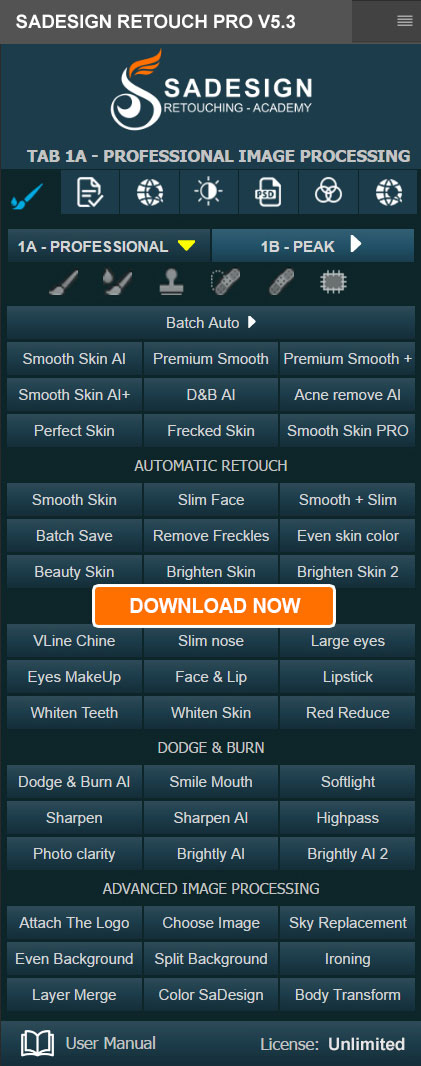
Plugin Retouch4me
69 USD
Adobe Photoshop Copyright - Full App
120 USD

Freepik Premium Account
59 USD

MidJourney Account
29 USD

Upgrade genuine Capture One account
120 USD
Adobe Premiere Pro Account
99 USD

Windows 10 & 11 Pro Key
36 USD

ChatGPT Plus Account (GPT-4)
16 USD

Capcut Pro 1 Year
39 USD
Upgrade Duolingo Super
29 USD

Upgrade Genuine Office 365
49 USD
What Is the Difference Between an Art Director and a Creative Director?
Nội dung
- 1. Overview of Art Directors and Creative Directors in the Creative Industry
- 2. Comparing Art Directors and Creative Directors by Scope of Responsibility
- 3. Differences in Their Approach to Work
- 4. Working Relationships and Organizational Position
- 5. Authority and Decision-Making Power
- 6. Comparing Required Skills and Competencies
- 7. Career Paths and Advancement Opportunities
- 8. Does a Business Need an Art Director or a Creative Director?
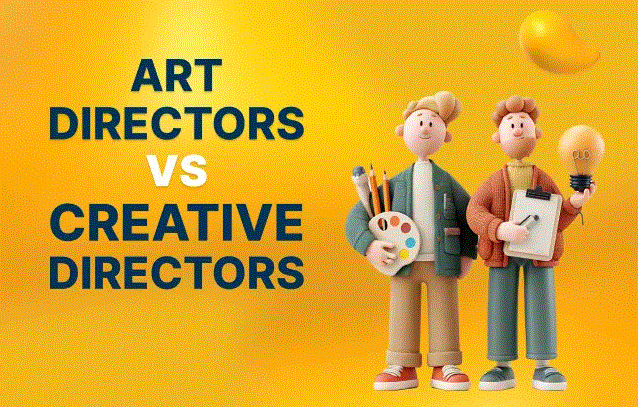
Both work in creative fields, but the thinking approach and authority of an Art Director and a Creative Director are not the same. This article analyzes the core differences so you can avoid confusing strategy with execution in the design industry.
1. Overview of Art Directors and Creative Directors in the Creative Industry
Before making a detailed comparison, it is important to understand that Art Directors and Creative Directors do not exist independently. They operate within a structured creative system where each role serves a specific purpose while maintaining a close connection to ensure projects are executed effectively from concept to final product.
A Creative Director is generally considered the highest creative authority within a project, campaign, or even an entire brand. They are the ones who ask, “What do we want to say?” and “How should we say it?” Based on those questions, the Creative Director develops the “big idea.”
An Art Director, meanwhile, answers the question, “How will this idea be expressed visually?” They focus on transforming abstract concepts into tangible visual products, from layout, color, and typography to visual style and design materials.
The relationship between these two roles can be compared to that of a chief architect and an implementation architect. One defines the overall vision and design philosophy, while the other is responsible for turning that vision into measurable and evaluable details.
.jpg)
2. Comparing Art Directors and Creative Directors by Scope of Responsibility
The biggest difference between an Art Director and a Creative Director lies in the scope of responsibility. Creative Directors operate at a higher strategic level, while Art Directors focus more heavily on execution.
Creative Directors are responsible for building and protecting the overall creative vision of a brand or project. They think not only about visuals but also about the entire brand experience, including the message, tone of voice, and emotions the brand wants to deliver to users. Creative Directors are often involved from the earliest stages of a project, even when the brief exists only as an idea or business objective.
Art Directors, on the other hand, become more deeply involved during the implementation phase. Once the creative direction has been established, they lead the design team to ensure all visual outputs align with the concept, maintain high quality, and remain consistent. They directly oversee the visual execution, from the first sketch to the final product.
If the Creative Director views the project from above and focuses on the big picture, the Art Director views it from a closer distance, concentrating on specific details. These perspectives complement each other, creating a balance between strategy and execution.
3. Differences in Their Approach to Work
The way Art Directors and Creative Directors approach their work clearly reflects the nature of their responsibilities.
Creative Directors typically approach projects through strategic and conceptual thinking. They spend significant time researching the market, consumer behavior, cultural context, and the client’s business goals. From there, they develop ideas capable of creating emotional connections and long-term value for the brand.
.jpg)
Throughout the process, Creative Directors ask guiding questions: What is the core message? How should the brand communicate with customers? What differentiates the brand from its competitors? Their decisions are foundational and influence the entire campaign or communication system.
Art Directors, by contrast, approach work through visual and technical thinking. They focus on selecting the right imagery, creating layouts that communicate the intended emotion, and determining how color and typography should be handled to achieve harmony. Art Directors work closely with the actual product, continuously refining and adjusting details to achieve the best possible result.
In simple terms, the Creative Director asks “why,” while the Art Director answers “how” through visual language.
4. Working Relationships and Organizational Position
Within an organizational structure, Creative Directors generally hold a higher position than Art Directors. They often report directly to executive leadership, marketing directors, or major clients. Creative Directors have a strong voice in strategic meetings and frequently participate in high-level business decision-making.
Art Directors, meanwhile, work directly with creative teams, including designers, illustrators, photographers, motion designers, and production partners. They serve as the bridge between strategic ideas and execution teams, ensuring everyone understands the concept and moves in the same direction.
.jpg)
In many projects, Art Directors also work directly with clients on execution details, explaining visual choices, design styles, and implementation methods. However, major directional changes typically still require approval from the Creative Director.
The relationship between these two positions is not simply one of superior and subordinate but rather one of collaboration. A strong Creative Director trusts the Art Director to bring ideas to life, while a strong Art Director understands the Creative Director’s vision and executes it faithfully.
5. Authority and Decision-Making Power
Decision-making authority is one of the clearest distinctions between an Art Director and a Creative Director.
Creative Directors have the authority to make decisions regarding the overall creative strategy. They can change concepts, adjust messaging, and even propose entirely new directions for a campaign when necessary. These decisions are based on a broader understanding of the brand, market, and business objectives.
Art Directors primarily make decisions at the execution level. They determine how concepts are visually expressed, making choices regarding color, layout, photography style, or illustration direction. While these decisions are not strategic at a macro level, they directly affect the quality and effectiveness of the final product.
This division of responsibility creates a clearer and more efficient workflow. Creative Directors do not need to become absorbed in minor details, while Art Directors have the freedom to fully apply their visual expertise.
6. Comparing Required Skills and Competencies
The skill requirements for Art Directors and Creative Directors overlap in some areas but also contain important distinctions.
.jpg)
Creative Directors need strong strategic thinking. They must deeply understand marketing, branding, consumer behavior, and market trends. Their ability to analyze and synthesize information enables them to make creative decisions that are both informed and commercially effective.
In addition, Creative Directors require advanced leadership skills. They often manage multiple teams or projects simultaneously, requiring the ability to allocate resources, resolve conflicts, and inspire others. Communication and presentation skills are equally important, as they frequently present ideas to clients and executive leadership.
Art Directors, meanwhile, require a strong foundation in aesthetics and technical expertise. They must master design principles, understand color, typography, composition, and imagery, and possess advanced proficiency in design tools. Since Art Directors often need to make direct edits or guide team execution, technical competence is essential.
Furthermore, Art Directors need intermediate-level team management skills. They must know how to provide constructive feedback, guide designers in developing ideas, and ensure projects remain on schedule.
7. Career Paths and Advancement Opportunities
In the creative industry, Art Directors and Creative Directors often exist on the same professional trajectory but at different stages.
.jpg)
Most Creative Directors previously worked as Art Directors or held other mid-level creative positions. The transition from Art Director to Creative Director is considered a natural career progression as professionals accumulate experience, strategic thinking, and leadership capabilities.
Art Directors typically begin their careers as designers before gradually taking on greater responsibilities, managing teams, and influencing visual direction. Once they become comfortable leading projects and gain a deep understanding of branding, they can expand into creative strategy and eventually become Creative Directors.
However, not every Art Director wants to become a Creative Director or is suited for the role. Some choose to pursue deeper specialization in visual disciplines, becoming Senior Art Directors or Visual Directors focused primarily on visual quality and artistic direction.
8. Does a Business Need an Art Director or a Creative Director?
Whether a business needs an Art Director or a Creative Director depends largely on its size, objectives, and stage of development.
For small businesses or startups, a versatile Creative Director may be able to handle both strategic and executional responsibilities to a certain extent. Meanwhile, businesses heavily focused on visual communication may prioritize an Art Director to ensure design quality and consistency.
In large corporations, advertising agencies, or media groups, both roles typically coexist. The Creative Director handles strategic direction, while the Art Director is responsible for implementation and visual quality control. This collaboration optimizes the creative process and improves project outcomes.
Art Directors and Creative Directors are both essential positions that complement each other within the creative ecosystem. Although they operate in the same creative field, they differ significantly in terms of responsibility, work approach, decision-making authority, and skill requirements. The Creative Director serves as a high-level strategist, shaping the creative vision and leading the overall direction of a brand or project. The Art Director focuses on bringing that vision to life through visual language, ensuring every output maintains quality and consistency. Understanding the differences between these two positions not only helps individuals make more informed career decisions but also enables businesses to build more effective creative teams.















VIP Products



Best Selling Products
Copyright Adobe Lightroom Account
59 USD
Genuine Cheap Canva Pro
39 USD
Autodesk All App Account Copyright
120 USD
Genuine Adobe Illustrator account
99 USD
Plugin Retouch4me
69 USD
Adobe Photoshop Copyright - Full App
120 USD
Freepik Premium Account
59 USD
MidJourney Account
29 USD
Upgrade genuine Capture One account
120 USD
Adobe Premiere Pro Account
99 USD
Windows 10 & 11 Pro Key
36 USD
ChatGPT Plus Account (GPT-4)
16 USD
Capcut Pro 1 Year
39 USD
Upgrade Duolingo Super
29 USD
Upgrade Genuine Office 365
49 USD