Best Selling Products

Adobe Premiere Pro Account
99 USD

Genuine Adobe Illustrator account
99 USD

Capcut Pro 1 Year
39 USD

Upgrade Genuine Office 365
49 USD

Genuine Cheap Canva Pro
39 USD

ChatGPT Plus Account (GPT-4)
16 USD

Plugin Retouch4me
69 USD

Windows 10 & 11 Pro Key
36 USD

Upgrade Duolingo Super
29 USD

Autodesk All App Account Copyright
120 USD

MidJourney Account
29 USD

Copyright Adobe Lightroom Account
59 USD

Adobe Photoshop Copyright - Full App
120 USD

Freepik Premium Account
59 USD

Upgrade genuine Capture One account
120 USD
5 types of data that can cause you trouble if shared with ChatGPT.
Nội dung
ChatGPT shouldn't know all information, especially sensitive data. If leaked, the consequences could be more serious than you think.

Technology and data security experts are constantly warning that users are increasingly "confiding too much" in virtual assistants without realizing the consequences. Seemingly harmless information can become a "digital footprint," leading to the risk of data leaks, exploitation, or privacy breaches.
What makes the problem even more worrying is that users trust chatbots more than traditional social media platforms. With their conversational interface, natural and non-judgmental responses, chatbots easily create a false sense of security. Therefore, some people are willing to share details about their family, health, finances, and even confidential work documents. This is extremely dangerous because not all platforms provide absolute protection for user data. In this article, we will explore five types of information that should absolutely never be shared with ChatGPT or any other AI chatbot. This is not only a recommendation from information security experts but also a lesson learned from numerous data breaches that have caused a stir in recent times.
1. Why are users increasingly sharing too much information with chatbots?
To understand why many people carelessly share sensitive information with ChatGPT, we first need to look at how people interact with virtual assistants. Unlike social media platforms, chatbots create a "private conversation" environment, making users feel more comfortable. There are no real-life icons, no profile pictures, no feeling of being judged; all of this creates a pleasant atmosphere for exchange, to the point that users forget they are chatting with a system capable of remembering and storing data.
Jennifer King, an expert at the Stanford AI Institute, pointed out that people tend to be "unexpectedly open" when chatting with chatbots. The reason lies in psychology: they feel heard without fear of criticism. Interacting with chatbots also provides a greater sense of "privacy" compared to writing posts on social media, making users less hesitant to share things they rarely say to family and friends.
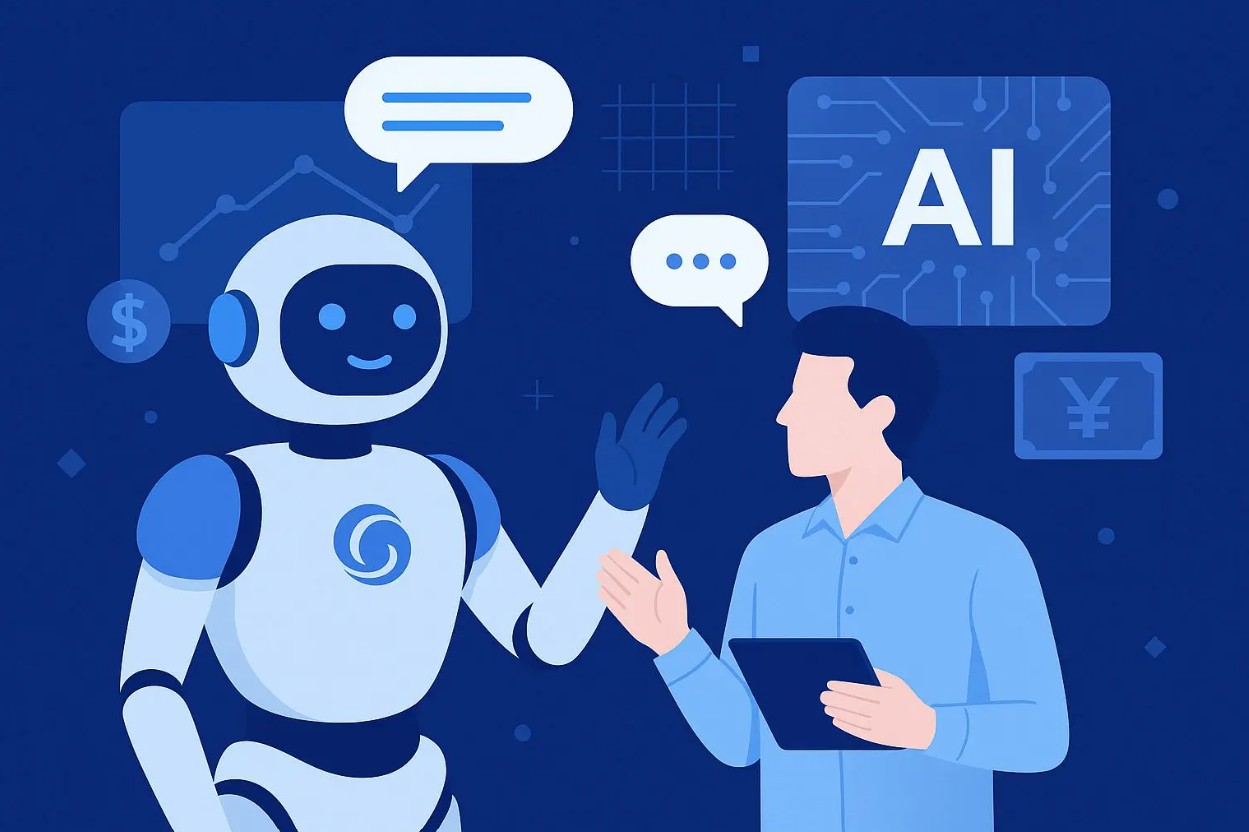
However, that sense of privacy is a dangerous illusion. The data you input into a chatbot, whether ChatGPT, Gemini, Copilot, or Claude, is likely to be recorded somewhere in the system for operational purposes, model optimization, or technical analysis. This means that ownership of your personal data no longer belongs to you after you send it.
In fact, we've witnessed quite a few incidents. In March 2023, ChatGPT leaked the chat history of a group of users due to a caching error. Before that, OpenAI mistakenly sent confirmation emails, inadvertently revealing users' names, email addresses, and payment information. These incidents remind us that no matter how advanced a security system is, no platform is absolutely secure.
Major tech companies acknowledge that user data sent to chatbots can be stored at various levels. As the data volume grows sufficiently, the platform can automatically create a "digital profile" of the user with highly personal details, from preferences, habits, and emotions to even secrets the user inadvertently reveals.
Therefore, knowing which types of data should not be sent to chatbots is crucial for protecting privacy. Below are five types of information that should absolutely not be shared.
2. Personal identification information
Personal identification information is a highly sensitive data class that users absolutely must not send to ChatGPT or any other AI chatbot. This data includes national ID numbers, passports, driver's licenses, dates of birth, home addresses, phone numbers, and other official identification codes. Security experts believe this is a prime target for cybercriminals.
The frightening thing is that even seemingly harmless information can become crucial data if it falls into the wrong hands. Once these small details are pieced together, they can form a complete map of your identity and personal habits.
In many cases, hackers don't need to steal all the data. They only need your phone number and address to carry out sophisticated scams, or they might use your date of birth to guess your email password. The more identifying information you share, the greater your risk of losing your privacy.
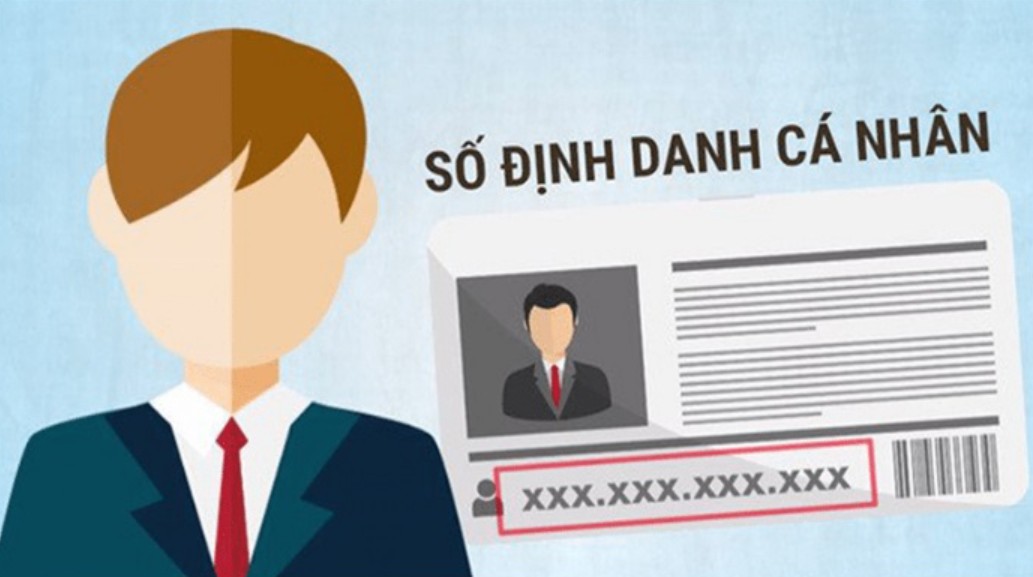
Many people believe that as long as a chatbot "doesn't use data for training," all information is safe. This is completely wrong. Data may not be used to train the model, but it is still temporarily stored in the system, in server logs, or internally analyzed to improve service quality. The fact that you cannot control the path of data after it is sent makes all identifying information extremely vulnerable.
3. Medical data
Medical information is always among the most sensitive data, strictly protected by law and international privacy regulations. Data such as test results, medical records, clinical diagnoses, or treatment information all reflect an individual's health, factors that can affect their work, insurance, finances, and social relationships.
When users bring this data to chatbots to seek advice, they inadvertently increase the risk of medical information leaks. Furthermore, sharing medical information with chatbots carries the risk of receiving inaccurate or inappropriate advice. Chatbots are not doctors, and experts consistently advise against using chatbots as a substitute for medical consultations.
Some people habitually submit images of test results, ultrasound scans, or detailed descriptions of their medical conditions. When this data is stored, the platform can create a user's medical profile. If the system malfunctions or is accessed illegally, this information can be exploited for blackmail, reputational damage, or identity theft.
Therefore, you should absolutely not share any form of medical information with chatbots, even for a preliminary consultation. The safest approach is to consult a specialist doctor or official medical sources.

4. Financial Information
Financial data such as bank account numbers, credit card information, payment codes, electronic invoices, or any data related to cash flow are highly valuable. Just one small oversight could put you at risk of losing money or being scammed.
Many users share financial information when asking chatbots to check transactions, explain payment errors, or create spending plans. However, sending any account numbers to a chatbot is extremely dangerous. If the platform is hacked, this information could be easily exploited.
Historically, many tech companies have experienced incidents of leaking emails, invoices, payment information, and more. No system is absolutely secure. Therefore, you shouldn't blindly trust chatbots, no matter how user-friendly their interface may be.
Chatbots are also not designed to handle requests related to actual financial transactions. If you provide too much detail, the model may misinterpret your intentions and respond inappropriately, leading to security risks.

5. Internal company documents
One of the most costly lessons in the tech world is the story of Samsung in 2023. A group of employees inadvertently uploaded internal source code to ChatGPT to request bug analysis support. A few days later, the company discovered the problem and immediately issued a ban on all employees using chatbots for work. The reason was simple: internal company data, once sent to a chatbot, no longer belonged exclusively to the company.
Internal documents can include source code, strategic reports, business plans, customer information, security documents, contracts, and a wealth of high-value data. If leaked, businesses can suffer serious damage: loss of competitive advantage, exposure of technological secrets, cyberattacks, or exploitation for market manipulation.
Many programmers, marketers, or office workers often use ChatGPT to optimize internal documentation without realizing that this data can be stored. Even if the platform claims to have a "no-training" mode, data can still exist at the system level, stored in clipboard, or retrieved by engineers to troubleshoot.

This is why many businesses require employees to minimize or even completely prohibit the use of chatbots in internal document processing. If you work in a corporate environment, strictly adhere to regulations and absolutely do not send confidential documents to chatbots, even a small snippet.
6. Login information
Passwords, PINs, security questions, OTP codes, account recovery links—all of this data is at the highest risk if it falls into the wrong hands. Absolutely do not share any login information with chatbots. Platforms like ChatGPT cannot help you recover your account or verify password validity, so providing this information offers no benefit and only increases risk.
In many cases, users ask chatbots to generate passwords and then inadvertently save or copy them during conversations. This is a serious mistake. Passwords should be generated and stored using professional password management tools, not chatbots.
7. How do chatbots store data?
One reason users are complacent is their lack of understanding of how chatbots store data. Platforms like Anthropic's Claude claim they don't use user data to train their models and will automatically delete it after two years. Meanwhile, ChatGPT, Google Gemini, and Microsoft Copilot can still use conversational data unless the user activates an "out-of-sight" mode.
Many people mistakenly believe that deleting history in the interface means the data is completely gone. In reality, the data may still exist on the server, in backups, or in system logs. Deleting in the interface is only a user-side operation and does not guarantee complete deletion on the server side.
For this reason, cybersecurity experts always advise users to protect themselves by minimizing the sending of sensitive information, regardless of how secure the platform promises.

8. How can I use chatbots more safely?
Despite the risks involved, chatbots remain a powerful and useful tool if used correctly. Experts advise users to proactively manage their data through the following steps:
-
Delete chat history after each work session.
-
Activate “temporary chat” mode or similar features like incognito tabs.
-
Do not share any type of information belonging to the five sensitive groups listed.
-
Use the enterprise version if you need to handle work-related documents, as these versions typically have better data protection mechanisms.
-
Always double-check the important information provided by the chatbot, and avoid becoming overly reliant on it.
Data security is the responsibility of the users themselves. Technology can assist, but it cannot replace self-awareness and protection.
Sharing sensitive information with chatbots can lead to consequences beyond our control. Personal, financial, medical, internal business data, and login credentials are all crucial pieces of information that can be exploited if they fall into the wrong hands. No system is absolutely secure, and no data is completely safe once it's sent online.





















VIP Products








Best Selling Products
Adobe Premiere Pro Account
99 USD
Genuine Adobe Illustrator account
99 USD
Capcut Pro 1 Year
39 USD
Upgrade Genuine Office 365
49 USD
Genuine Cheap Canva Pro
39 USD
ChatGPT Plus Account (GPT-4)
16 USD
Plugin Retouch4me
69 USD
Windows 10 & 11 Pro Key
36 USD
Upgrade Duolingo Super
29 USD
Autodesk All App Account Copyright
120 USD
MidJourney Account
29 USD
Copyright Adobe Lightroom Account
59 USD
Adobe Photoshop Copyright - Full App
120 USD
Freepik Premium Account
59 USD
Upgrade genuine Capture One account
120 USD