Best Selling Products

Copyright Adobe Lightroom Account
59 USD

Upgrade Genuine Office 365
49 USD

Upgrade Duolingo Super
29 USD
Adobe Photoshop Copyright - Full App
120 USD

MidJourney Account
29 USD

Genuine Cheap Canva Pro
39 USD

Capcut Pro 1 Year
39 USD

Plugin Retouch4me
69 USD

Windows 10 & 11 Pro Key
36 USD

Adobe Premiere Pro Account
99 USD

Freepik Premium Account
59 USD
Autodesk All App Account Copyright
120 USD

Upgrade genuine Capture One account
120 USD

Genuine Adobe Illustrator account
99 USD

ChatGPT Plus Account (GPT-4)
16 USD
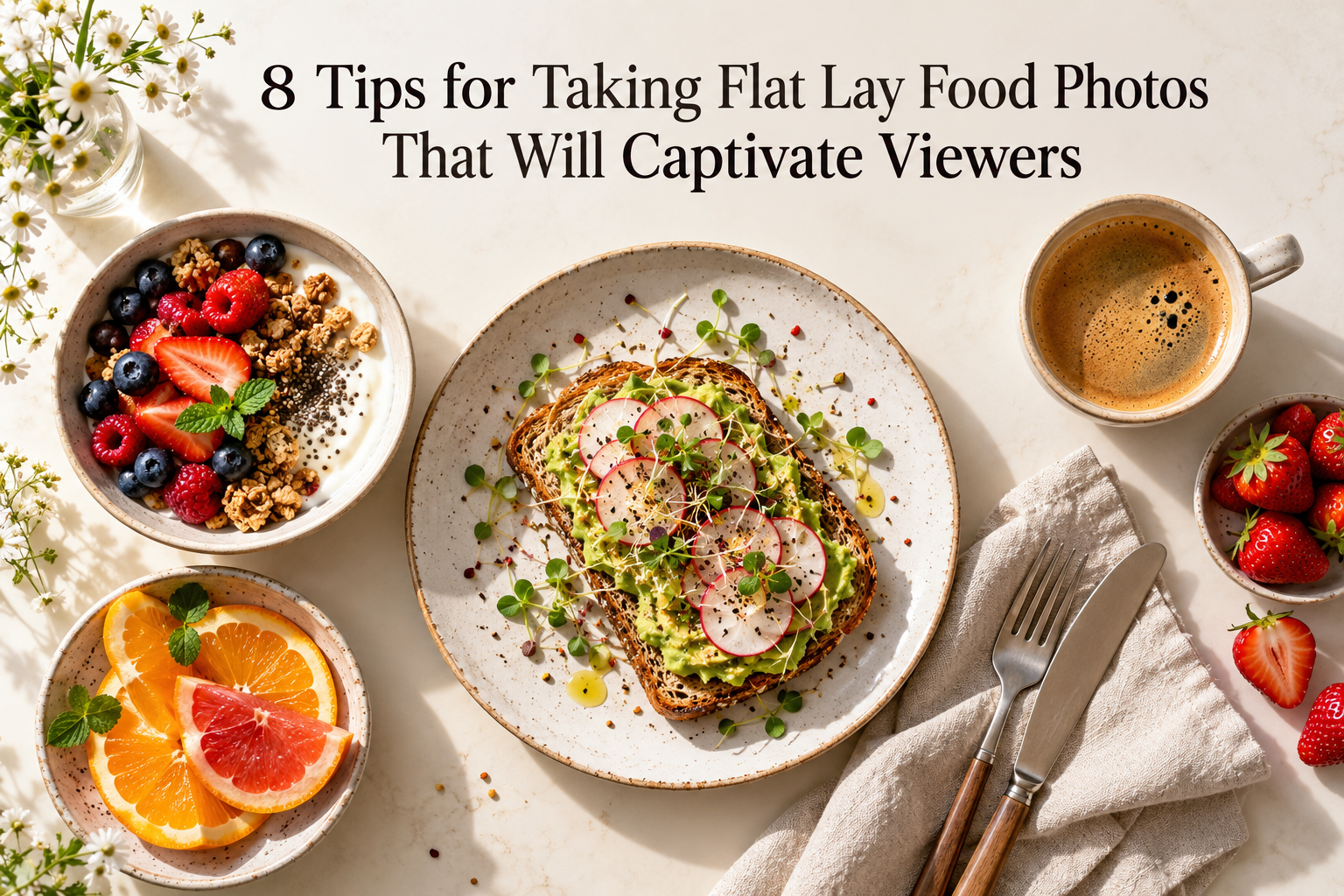
8 Tips for Taking Flat Lay Food Photos That Will Captivate Viewers
Nội dung
- 1. View the Frame as a Playground for Unlimited Creativity
- 2. Breathe Life into the Photograph with the Presence of People
- 3. Mastering Lighting and Controlling Shadows
- 4. Never Stop Experimenting with Layouts and Arrangements
- 5. Creating Depth Using Layering Techniques
- 6. Use props to weave a story through your food.
- 7. Position the camera high and parallel to the table surface.
- 8. Choose a Background That Highlights Your Dish
Flat lay food photography always offers a creative, appealing feel and captivates viewers from the first glance. However, to achieve a truly professional flat lay food photograph, the photographer must master various techniques, from framing and lighting control to choosing the right background. This article will share the most important secrets to help you conquer this challenging yet incredibly enjoyable photography genre.
1. View the Frame as a Playground for Unlimited Creativity
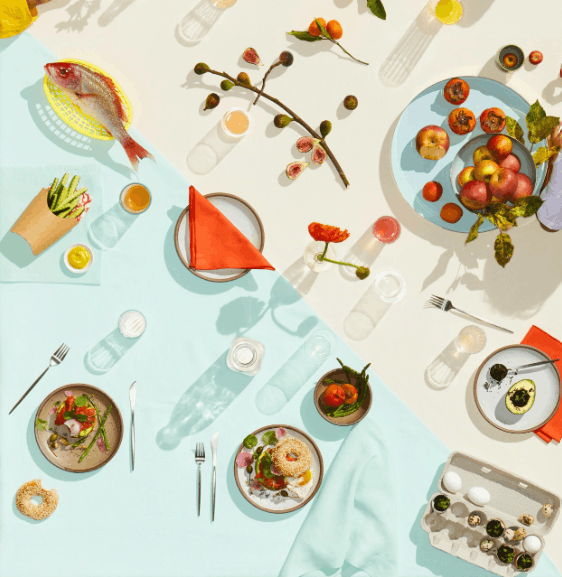
Make it a habit to view the frame as a boundless creative space, where you have complete control over what appears and what is excluded. Don't hesitate to crop a portion of the plate or place a corner of the food outside the frame, because the more natural it is, the more authentic and captivating the photograph will be.
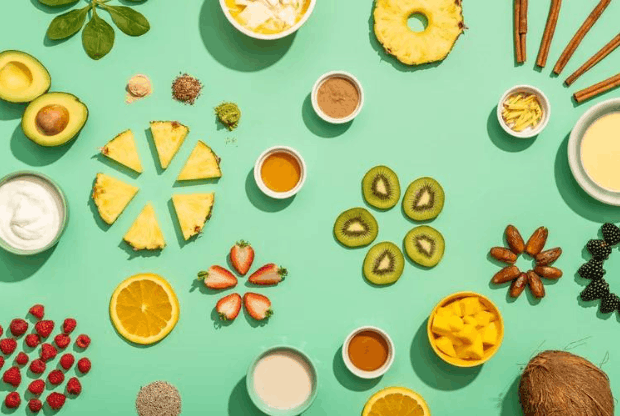
You can freely scatter ingredients, tools, or accessories around the frame, while cleverly utilizing empty spaces to create focal points and balance the overall composition. The interesting thing is that, even if you've meticulously planned and arranged every detail, the final image still needs to exude a sense of spontaneity and naturalness, as if everything was placed there by chance rather than being the result of an elaborate setup. This is the fascinating paradox, but also the biggest challenge, of flat lay food photography.
2. Breathe Life into the Photograph with the Presence of People
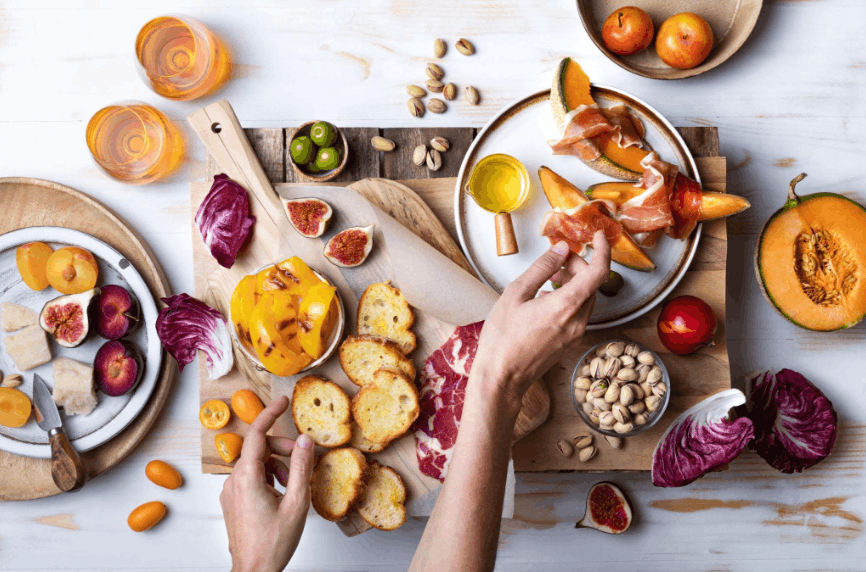
Incorporating people into flat lay food photography makes the images much more relatable and relatable. The presence of hands or figures not only demonstrates that the food is actually being enjoyed and not simply being photographed, but also contributes to building a vibrant and emotionally rich story for the entire frame.
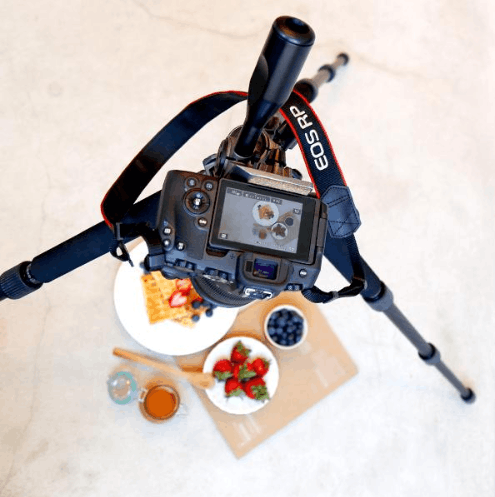
You could try capturing the moment a hand reaches for food or a drink, or photographing someone cutting or using eating utensils. Alternatively, another interesting idea is to photograph someone taking a picture of the meal itself, creating a subtly interwoven narrative. These seemingly small details are what prevent your photograph from feeling static and lifeless, while simultaneously evoking a strong emotional connection with the viewer.
3. Mastering Lighting and Controlling Shadows
Natural light is always the best option when photographing food, as it provides realistic colors and soft, subtle shadows. You should prioritize shooting outdoors or near windows to make the most of this natural light.
Shadows play a crucial role in flat lay food photography, as they can add depth and create unique visual effects. However, if not properly controlled, shadows can also become an eyesore when they appear in unwanted locations, disrupting the overall aesthetics of the image.
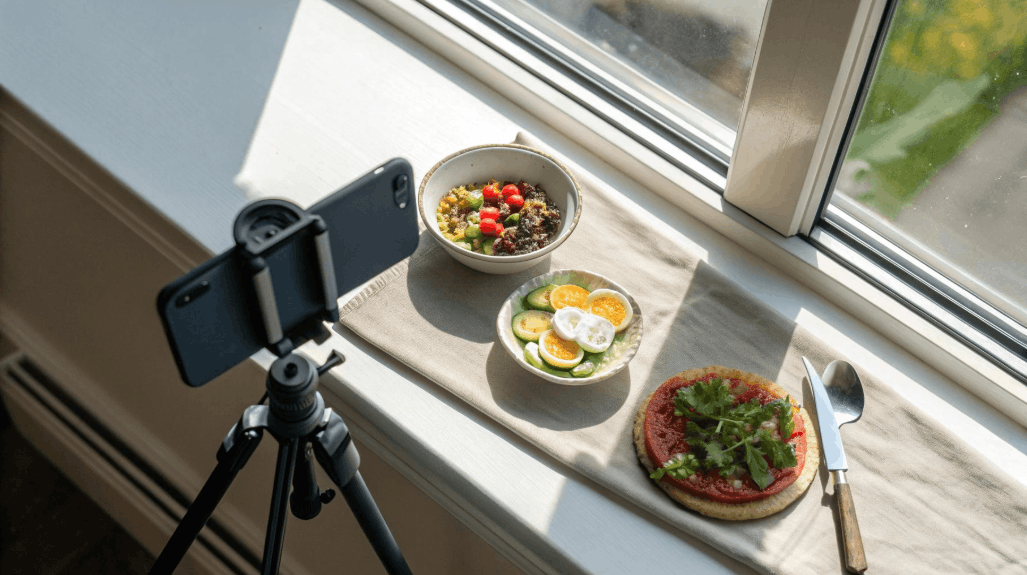
To effectively control shadows in your flat lay photos, you should use a light diffuser or simply a sheet of white paper placed in the right position. These simple tools will help soften the intensity of harsh light, resulting in harmonious, purposeful shadows instead of chaotic, uncontrollable ones.
4. Never Stop Experimenting with Layouts and Arrangements
Some foods are inherently well-suited for flat lay photography. A pizza or a round pastry are relatively easy subjects to photograph because their flat surfaces allow toppings and ingredients to be spread evenly, showcasing them fully within the frame.
But the problem becomes much more complicated when you need to photograph a multi-layered burger or a tiered cake. In these cases, you need to actively intervene in the composition to make the food look more appealing, while also applying professional staging techniques that food stylists often use.
In reality, almost no food photoshoot is completely natural and spontaneous. Every detail in the frame is meticulously arranged to make the food look as appealing as possible. For example, when photographing a burger, people often intentionally let the cheese overflow the edges of the bun, or have lettuce leaves sticking out in different directions. That's why the burger in the photo almost never looks exactly like the burger you actually eat, because it's set up for the photoshoot, not for eating.
Try comparing a photo of a burger that only reveals a little lettuce peeking out from the side of the bun with another that clearly shows the layers of cheese, bacon, tomatoes, and greens beneath the bread. The second photo will undoubtedly be much more appealing and appetizing. If you cleverly tilt a burger to reveal all the layers inside, combined with supporting details like a drink or a corner of a pizza nearby, the overall image will exude a sense of abundance, fullness, and deliciousness. Shadows also play a crucial role in adding depth to the entire frame. It can be said that composition is the deciding factor in food photography, so utilize the rule of thirds, supporting props, and guiding lines to achieve the best results.
5. Creating Depth Using Layering Techniques
One of the most noticeable characteristics of flat lay food photos is that they often give the impression of being two-dimensional. Sometimes this flat effect creates a minimalist, elegant look, but in many other cases, it makes the photo look boring and lifeless.
To overcome this, you should proactively add layers of detail to build depth in your photos. Never underestimate small details like grains of salt or ground pepper; they may seem purely decorative, but each small element can significantly contribute to the overall depth of the image. These small tips will help transform flat, two-dimensional photos into works of art with more depth and a distinct three-dimensional quality.
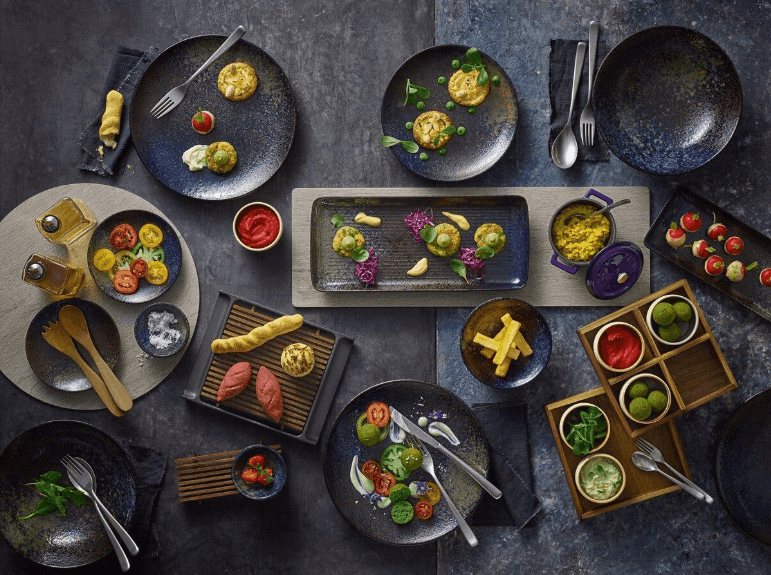
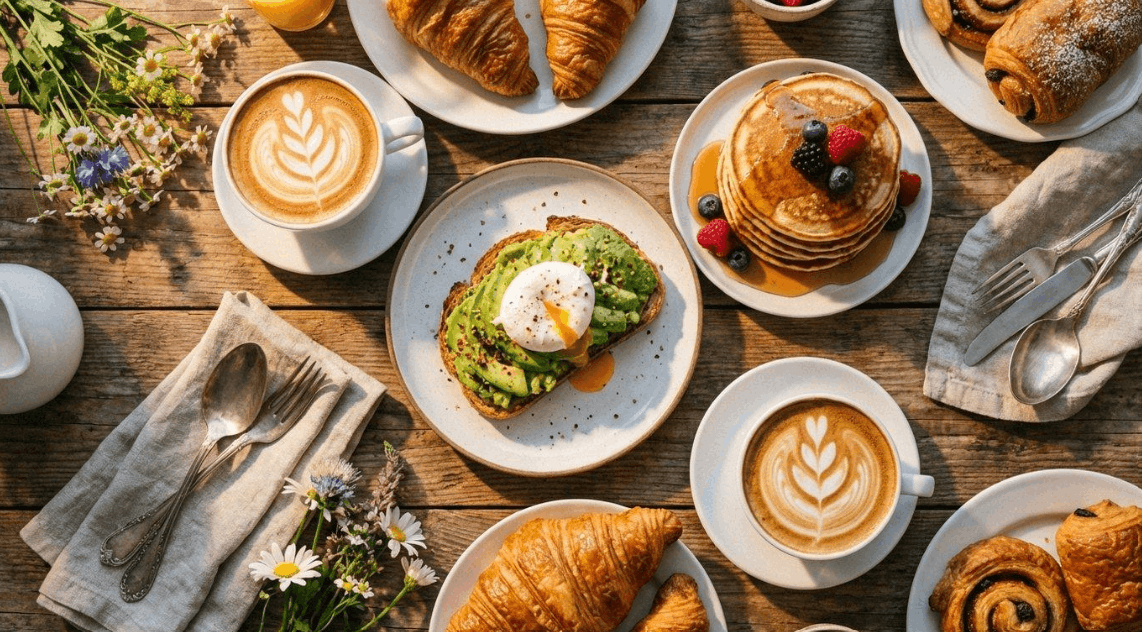
Try observing a flat-lay food photograph and counting how many layers of detail appear within it. You might be surprised to find that a seemingly simple photograph can contain up to seven different layers, starting with the background, the plate, the peppers sprinkled on the plate, then the slices of bread, the slices of butter, the egg, and finally the nuts and spices sprinkled on top. Each ingredient, no matter how small, contributes to the overall depth of the photograph.
6. Use props to weave a story through your food.
Using props can significantly enhance any food photograph. You can utilize the ingredients, spices, or toppings of the dish itself to decorate the scene. Additionally, adding knives, forks, or small decorative items can make the photo more authentic and lively.
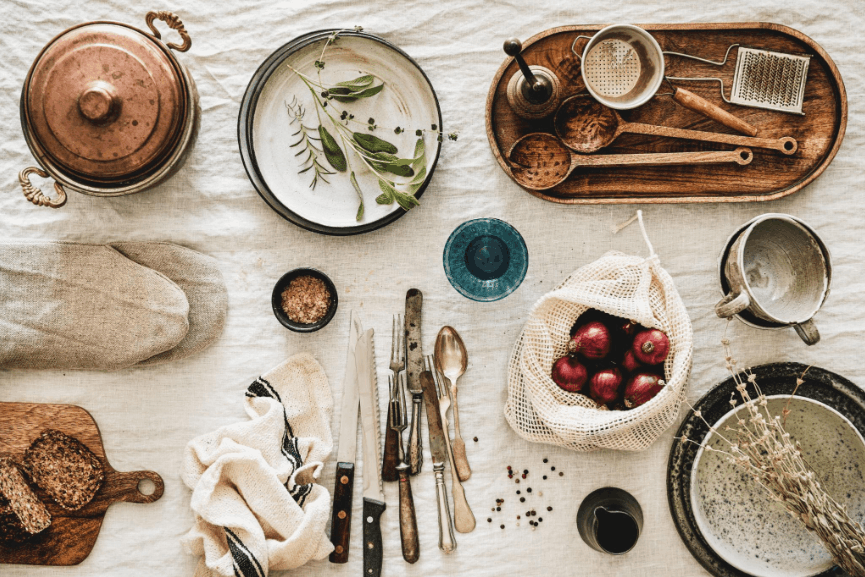
Props also play a crucial role in visual storytelling. Thanks to them, you can create cozy, dreamy scenes. Try using props to design a creative scenario for your flat lay photoshoot. For example, when photographing Christmas cookies, you can create a miniature winter wonderland within the frame. This is the unique aspect of flat lay photography, allowing you to create two-dimensional settings while still incorporating three-dimensional elements.
You can place a few snowman-shaped cookies around the main subject, sprinkle powdered sugar on the background to create a snow effect, and combine it with small decorative lights and lush green pine branches. With just a few simple details like these, you can perfectly recreate the atmosphere of a dreamy, warm winter afternoon. Additionally, props can help you tell the story of the entire cooking process by adding cooking utensils and main ingredients to the scene, giving viewers the feeling that they are directly participating in the preparation.
7. Position the camera high and parallel to the table surface.
To get the best flat lay food photos, you need to raise your camera high enough to capture the entire scene. You can stand on a chair or ladder to shoot, or if that's not possible, simply arrange the food directly on the floor; this will give you the necessary distance to step back and capture the whole composition.
If you intend to pursue flat lay food photography long-term, investing in a tripod with a 90-degree boom is well worth considering. This investment will help you avoid serious back pain from constantly bending over, while also providing incredibly impressive and stable aerial shots.
A horizontal support on a tripod will allow you to position the camera perfectly parallel to the table where the food is placed. Be sure to use this with a sufficiently sturdy tripod, especially if your camera or lens is quite heavy, to prevent the equipment from tipping over during shooting. Additionally, the best way to monitor and adjust the framing throughout the shooting process is to connect the camera to an external monitor via cable. This allows you to easily observe and rearrange the composition as needed without constantly checking the camera screen.
8. Choose a Background That Highlights Your Dish
The background is a crucial element that can determine the success or failure of a flat lay food photograph. Due to the nature of the overhead angle, you can't avoid revealing a significant portion of the background in the frame, so choosing the right background is essential.
You should prioritize simple or neutral-toned backgrounds. Soft pastel colors or rustic wood textures often create a visually pleasing effect for food photos. If you want to add more emphasis, you can choose backgrounds with subtle, delicate textures, as long as they aren't so striking that they distract the viewer.
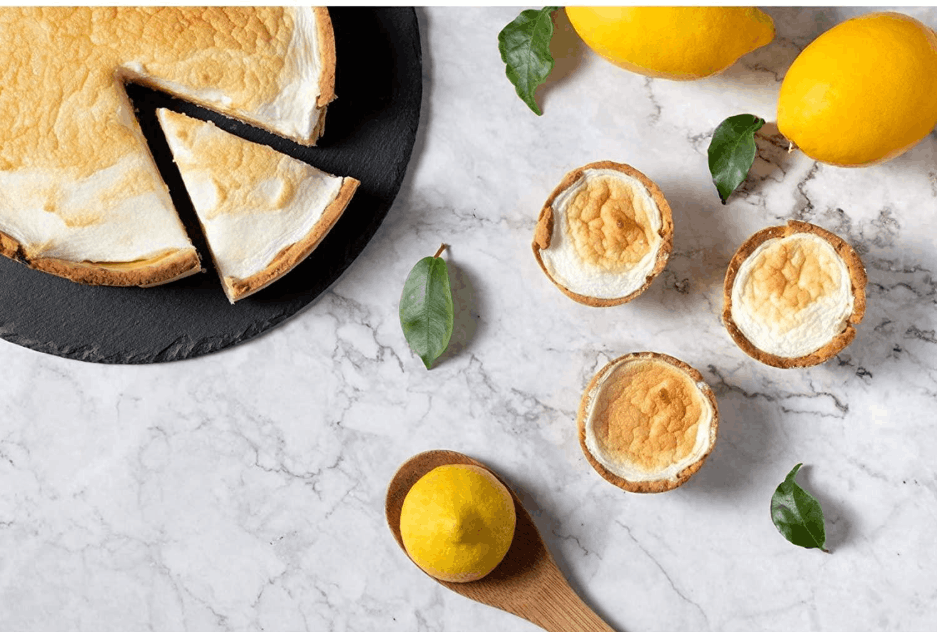
The most important thing to remember is that every choice of background must serve a single goal: ensuring the viewer's attention is fully focused on the food, the main subject of the photograph. No matter how beautiful the background is, if it overshadows the food, it's considered an unsuccessful choice.



















VIP Products






Best Selling Products
Copyright Adobe Lightroom Account
59 USD
Upgrade Genuine Office 365
49 USD
Upgrade Duolingo Super
29 USD
Adobe Photoshop Copyright - Full App
120 USD
MidJourney Account
29 USD
Genuine Cheap Canva Pro
39 USD
Capcut Pro 1 Year
39 USD
Plugin Retouch4me
69 USD
Windows 10 & 11 Pro Key
36 USD
Adobe Premiere Pro Account
99 USD
Freepik Premium Account
59 USD
Autodesk All App Account Copyright
120 USD
Upgrade genuine Capture One account
120 USD
Genuine Adobe Illustrator account
99 USD
ChatGPT Plus Account (GPT-4)
16 USD