Best Selling Products

Plugin Retouch4me
69 USD

Copyright Adobe Lightroom Account
59 USD

Genuine Adobe Illustrator account
99 USD

ChatGPT Plus Account (GPT-4)
16 USD

Capcut Pro 1 Year
39 USD

Adobe Premiere Pro Account
99 USD
Upgrade Genuine Office 365
49 USD

Freepik Premium Account
59 USD

Adobe Photoshop Copyright - Full App
120 USD

Windows 10 & 11 Pro Key
36 USD

Autodesk All App Account Copyright
120 USD

Upgrade Duolingo Super
29 USD

MidJourney Account
29 USD
Upgrade genuine Capture One account
120 USD

Genuine Cheap Canva Pro
39 USD
A feature in Chrome could unknowingly expose your passwords.
Nội dung
Google Chrome is very convenient, but not all settings are secure. This article points out a common feature that many people enable by default, inadvertently paving the way for the risk of losing personal data.

Chrome's popularity stems not only from its speed or familiar interface, but also from its design philosophy strongly focused on convenience: everything is synchronized, all data is always available, and the experience is seamless across all devices.
That very philosophy has helped Chrome dominate the global browser market. However, in an era where personal data is a "gold mine" and cybercriminals are increasingly sophisticated, absolute convenience can sometimes be a double-edged sword. What saves users a few minutes of login time and a few password entry steps can simultaneously open the door to serious security risks.
It's no coincidence that Apple has recently been repeatedly recommending that iPhone users limit their use of Chrome. Nor is it without reason that many cybersecurity experts believe some of Chrome's default features, particularly data synchronization, pose significant risks to users' privacy and financial security.
The problem isn't that Chrome is "insecure," but rather that very few people truly understand what Chrome is storing and sharing, how, and where the risks lie. This article will delve into features that require special attention, and should even be disabled, on Google Chrome, explain why Apple advises users to abandon Chrome, and more importantly, what you need to do to protect yourself in an increasingly complex digital world.
1. Why does Apple advise iPhone users to abandon Chrome?
For many years, the competition between Apple and Google has been more than just a race for hardware or operating systems; it's also about their differing philosophies regarding data. While Google built its empire on collecting and analyzing user data to optimize advertising, Apple positioned itself as a "privacy protector," at least in terms of marketing and product design.
Apple's recommendation for iPhone users to limit or abandon Chrome isn't simply a competitive strategy. It stems from how Chrome operates beneath its familiar interface. When users log into Chrome with a Google account, the browser not only syncs bookmarks and browsing history, but also connects deeply to Google's vast data ecosystem.
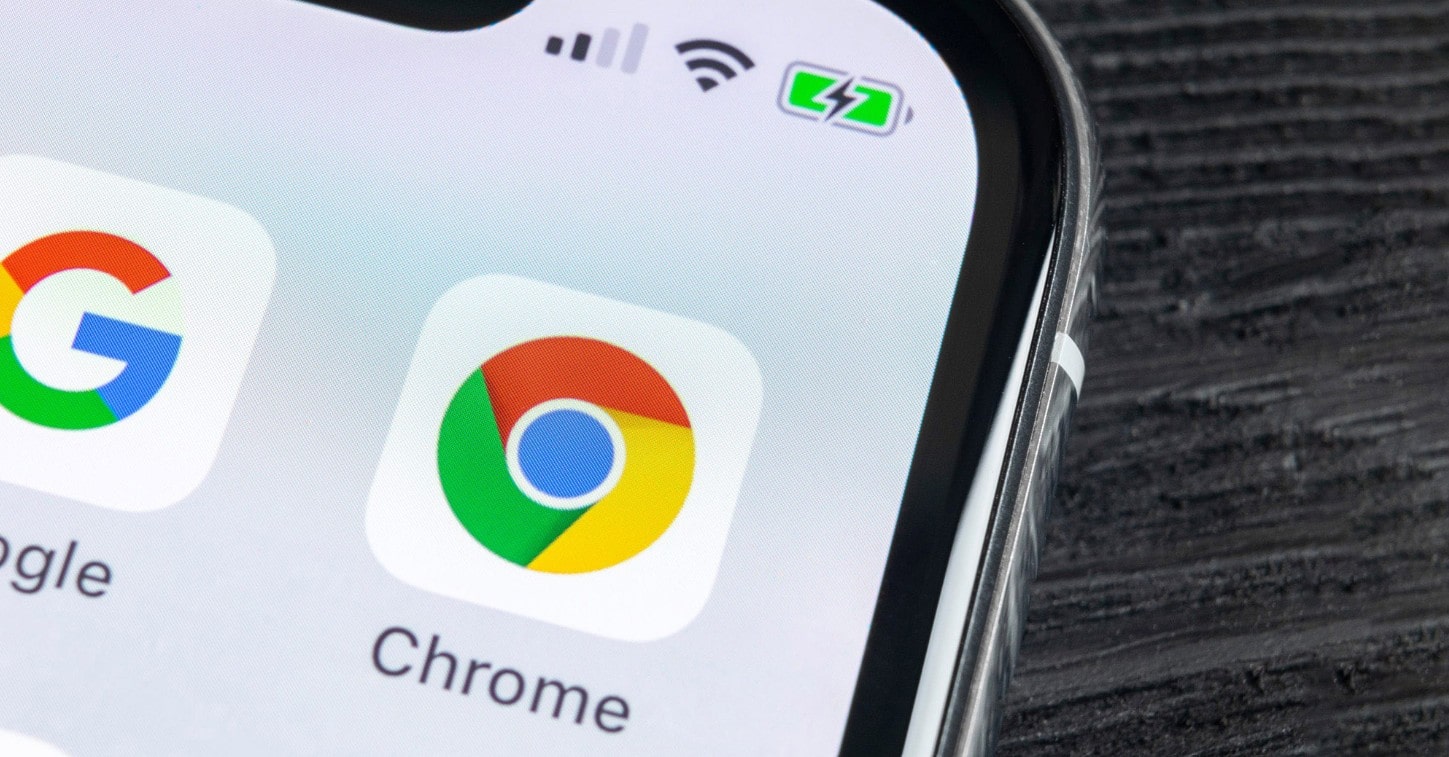
On the iPhone, Chrome cannot use its own engine and is forced to rely on Apple's WebKit. However, that doesn't stop Chrome from continuing to collect user data at the app layer and syncing it to Google's servers. For Apple, this is a major point of contention: a third-party app capable of tracking user behavior goes beyond Apple's "on-device privacy" philosophy.
Apple has repeatedly emphasized that Safari is designed to minimize cross-device tracking, limit third-party cookies, and prevent hidden trackers. Chrome, on the other hand, is optimized for a multi-platform experience, which requires a much higher level of data collection and synchronization.
This difference becomes most apparent when it comes to incognito mode and synchronization features: two elements that many users believe make them "safer," but in reality, it's not that simple.
2. The truth about incognito mode and synchronization vulnerabilities
Chrome's Incognito mode has long been seriously misunderstood. Many people believe that enabling it makes all their browsing activity completely private and untraceable. In reality, Incognito only prevents Chrome from saving your browsing history, cookies, and form data on your device. It doesn't hide your identity from websites, internet providers, advertising companies, or even Google itself.
Google has been involved in lawsuits regarding the fact that its Incognito mode isn't truly "anonymous" as the name suggests. Users' search data and browsing behavior can still be collected, analyzed, and used for advertising purposes. This explains the familiar situation many people encounter: searching for a product on their phone in Incognito mode, only to have ads for that product appear on their computer or another device a few minutes later.
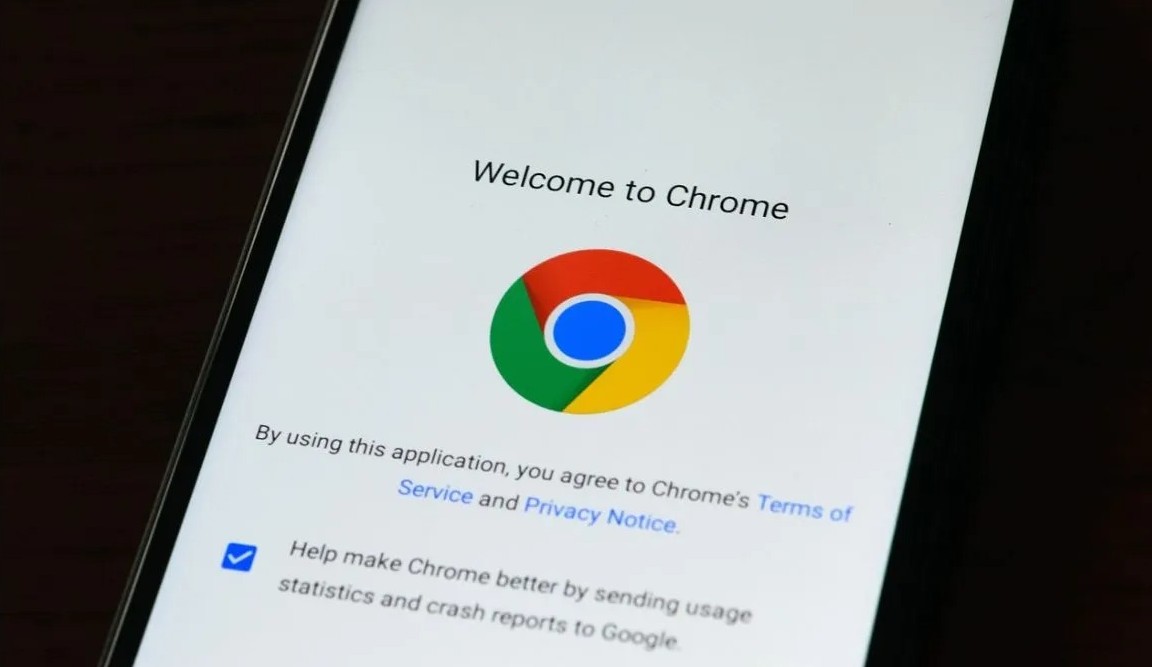
The bigger vulnerability lies in the Sync feature. When Sync is enabled, Chrome continuously synchronizes data between all devices you're logged into with the same Google account. This includes not only browsing history and bookmarks, but also passwords, payment information, and much more personal data.
In terms of user experience, Sync is a great design. But in terms of security, it creates a systemic vulnerability.
3. Chrome's convenient Sync feature also poses a significant security risk.
Google introduced the Sync feature as a way for users to "take their internet with them" everywhere. You can open your laptop at home, your phone on the go, or your office computer, and everything feels equally familiar. Bookmarks don't disappear, passwords don't need to be remembered, and credit card information only needs to be entered once.
The problem is that when everything is so tightly interconnected, just one weak link is enough to bring down the entire system. Cybersecurity experts call this the "domino effect" scenario.
Imagine you have an old, rarely used laptop that isn't regularly updated. One day, this device gets infected with malware or is accessed illegally. Because it's logged into your Google account and has sync enabled, the attacker can not only access the data on that laptop, but also potentially trace back all the data synced on other devices.
The worrying thing is that even if your primary phone is protected by Face ID or fingerprint recognition, data on it can still be exposed through a weaker device. Sync doesn't distinguish between "primary" and "secondary" devices, and that's the real danger.

Chrome Sync currently stores a significant amount of information that is vital to users. This includes not only harmless browsing history, but also passwords for social media accounts, email addresses, bank details, credit card information, billing addresses, phone numbers, and home addresses. Once this data falls into the wrong hands, the consequences extend beyond spam and ads; it can lead to financial losses, identity theft, and a host of legal problems.
From a system design perspective, Sync is a solution that prioritizes experience over security. It assumes that users always have full control over all their devices.
As a seasoned designer, I've always believed that every design decision reflects the product's philosophy. With Chrome, Google clearly prioritizes seamlessness and speed. This isn't wrong, but when applied to sensitive data like passwords and financial information, it becomes a double-edged sword.
A good design isn't just about making things faster for the user; it should also protect them from unforeseen risks. The problem with Chrome Sync is that it's easy to enable, but it doesn't communicate clearly enough to the user what they're trading off.
Most users enable Sync simply for convenience, without realizing that they are consolidating all their personal data into a single "safe," and the key to that safe may be located on multiple devices with varying levels of security.
4. What can users do to protect themselves?
In this context, the solution is not to panic or immediately delete Chrome from your device, but to understand what you are using and adjust accordingly.
The first and most important step is to reconsider your need for Sync. For most users, syncing bookmarks and history may be sufficient. However, syncing passwords and payment information is an unnecessary risk, especially when dedicated password managers offer higher levels of security.
Completely disabling Sync is a recommended option by many cybersecurity experts. When Sync is turned off, each device becomes a separate "data island," minimizing the risk of a domino effect. This may be inconvenient initially, but it offers long-term peace of mind.
In addition, deleting data already stored on Google's servers is also very important. Many people turn off sync but forget that old data still exists on Google's system. If this data is not deleted, the risk is not truly eliminated.
Finally, considering switching to more privacy-focused browsers like DuckDuckGo, Firefox, or browsers committed to blocking trackers is also a worthwhile option, especially for those who frequently handle sensitive data.
Google Chrome isn't a bad browser, and the Sync feature isn't a mistake. The problem is that the convenience it offers comes with a price that not everyone is willing to pay: a higher level of risk to personal and financial data.
In a world where cybercrime is increasingly sophisticated, proactively protecting oneself is no longer an option, but a responsibility for every user. Understanding the tools you are using, knowing when to turn a feature on and when to turn it off, is the first step to regaining control of your personal data.
Google Chrome's synchronization feature is a prime example of a design philosophy that prioritizes user experience but fails to consider the long-term security implications. While Chrome makes digital life easier, it also inadvertently concentrates all of a user's sensitive information in one vulnerable location.
Apple's recommendation for iPhone users to limit their use of Chrome isn't just a competitive strategy; it reflects a different perspective on privacy in the digital age. The truth about incognito mode and synchronization vulnerabilities shows that it's time for users to be more discerning and not automatically assume that everything "convenient" is safe.
Turning off sync, deleting old data, and considering alternatives isn't an extreme measure, but rather a necessary adjustment to balance convenience and security. In an age where passwords and credit cards are just a click away from malicious actors, user initiative is the most important layer of security.



















VIP Products








Best Selling Products
Plugin Retouch4me
69 USD
Copyright Adobe Lightroom Account
59 USD
Genuine Adobe Illustrator account
99 USD
ChatGPT Plus Account (GPT-4)
16 USD
Capcut Pro 1 Year
39 USD
Adobe Premiere Pro Account
99 USD
Upgrade Genuine Office 365
49 USD
Freepik Premium Account
59 USD
Adobe Photoshop Copyright - Full App
120 USD
Windows 10 & 11 Pro Key
36 USD
Autodesk All App Account Copyright
120 USD
Upgrade Duolingo Super
29 USD
MidJourney Account
29 USD
Upgrade genuine Capture One account
120 USD
Genuine Cheap Canva Pro
39 USD