Best Selling Products
Upgrade genuine Capture One account
120 USD
Adobe Premiere Pro Account
99 USD
Genuine Cheap Canva Pro
39 USD

MidJourney Account
29 USD

ChatGPT Plus Account (GPT-4)
16 USD
Plugin Retouch4me
69 USD

Freepik Premium Account
59 USD
Adobe Photoshop Copyright - Full App
120 USD
Upgrade Duolingo Super
29 USD
Windows 10 & 11 Pro Key
36 USD
Autodesk All App Account Copyright
120 USD
Genuine Adobe Illustrator account
99 USD
Capcut Pro 1 Year
39 USD
Upgrade Genuine Office 365
49 USD
Copyright Adobe Lightroom Account
59 USD
Canva Predicts Design Styles That Will "Shape Aesthetics" in 2026
Design in 2026 is no longer about absolute perfection. Canva points out trends that emphasize craftsmanship, storytelling, and authentic emotions. This article helps you understand why "imperfection" is so appealing.
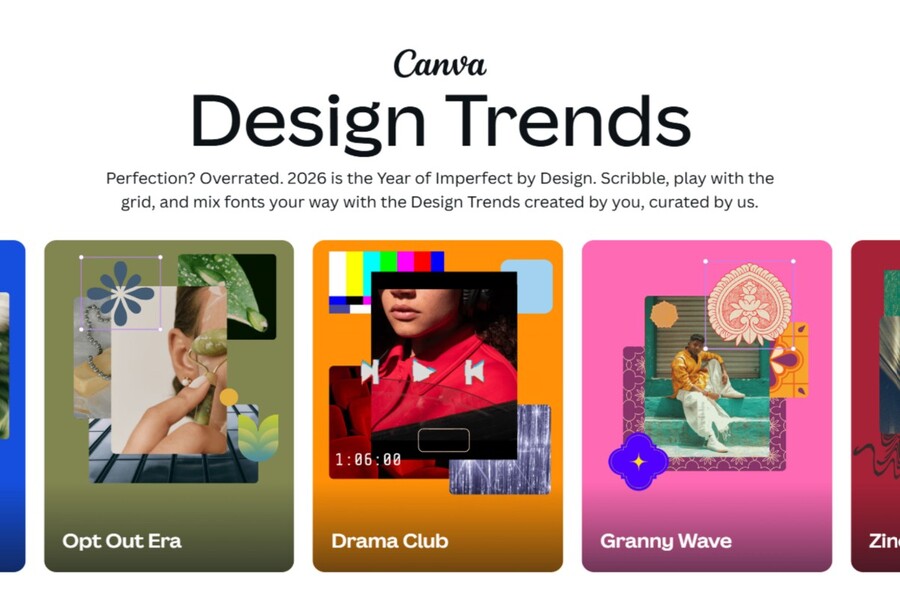
Canva, as one of the world's most popular design platforms, possesses a unique advantage in its ability to observe the creative behavior of hundreds of millions of users globally. The search data, layout choices, color schemes, typography, and design styles on Canva not only reflect aesthetic trends but also reveal profound shifts in the emotional needs and creative thinking of society.
Entering 2026, Canva predicts the rise of more reflective, emotionally rich, and profound design styles. It's no longer a race to showcase special effects or surface perfection, but a journey to rediscover slow pace, personal identity, and conscious visual experiences. The "hot trends" of 2026 will therefore be more dialogue-oriented, prioritizing emotion, storytelling, and focus. In this article, we will analyze in detail the prominent design styles predicted by Canva for 2026. Each style is not just a visual trend but also a new perspective on design in the context of a rapidly changing digital world.
1. Explorecore
Explorecore is a design style that represents a relaxed spirit, exploration, and slow storytelling. Canva describes Explorecore as a direct response to doomscrolling, where users are overwhelmed by a dense, continuous stream of information that is both mentally and visually exhausting. Instead of forcing viewers to passively consume content, Explorecore invites them to pause, breathe, and explore the content at their own pace.
The core of Explorecore lies in its design approach that guides the experience. Content is no longer presented abruptly, but is layered and unfolded in sections like a journey. Viewers feel like they are "going deeper" into the content instead of skimming through it. This is particularly suitable for long-form platforms such as blogs, brand websites, portfolios, or storytelling content on social media.
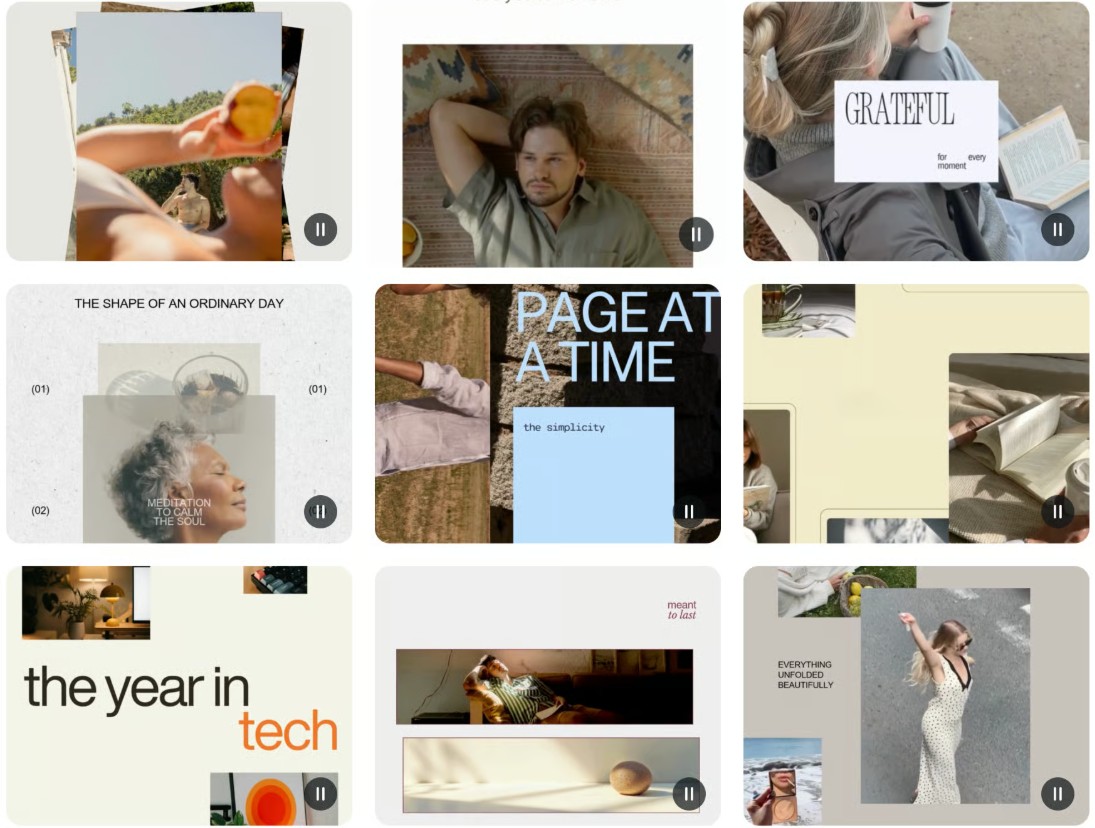
Visually, Explorecore prioritizes minimalist layouts, using ample white space to create breathing room for the eyes. Accents are strategically placed, guiding the viewer's gaze gently and logically. Refined serif fonts are often chosen to enhance the sense of depth, evoking images of books, magazines, and slow reading experiences. Overall, the design feels airy, easy to read, and contemplative, a stark contrast to the visual clutter often found in digital environments.
Explorecore's appeal is evident in its search data. Canva recorded a dramatic increase, up to 85%, in searches related to zine layouts, substacks, and long-form content formats. This shows that users increasingly appreciate "slow content" visual experiences, where they can focus and immerse themselves in the content without distractions.
Explorecore is particularly well-suited to storytelling social media content, brand identities that emphasize depth of value, and websites and blogs that need to build long-term relationships with readers. In 2026, Explorecore is not just a design style, but a statement about how we consume and appreciate content.
2. Zinegeist
Zinegeist is a design style that embodies a rebellious, free, and individualistic spirit, inspired by the zine movement, particularly popular in Mexico and many independent creative communities. Canva interprets Zinegeist as a return to textures, material textures, and "imperfect" effects, a complete contrast to the overly polished digital aesthetic.
Zinegeist's defining characteristics lie in its raw, cut-and-paste layout, large, unglossy paper, vibrant colors, and large, sometimes oversized, fonts. Images, text, notes, and hand-drawn elements are freely combined, not adhering to traditional grid rules. This very irregularity creates a sense of freedom, energy, and strong personal expression.
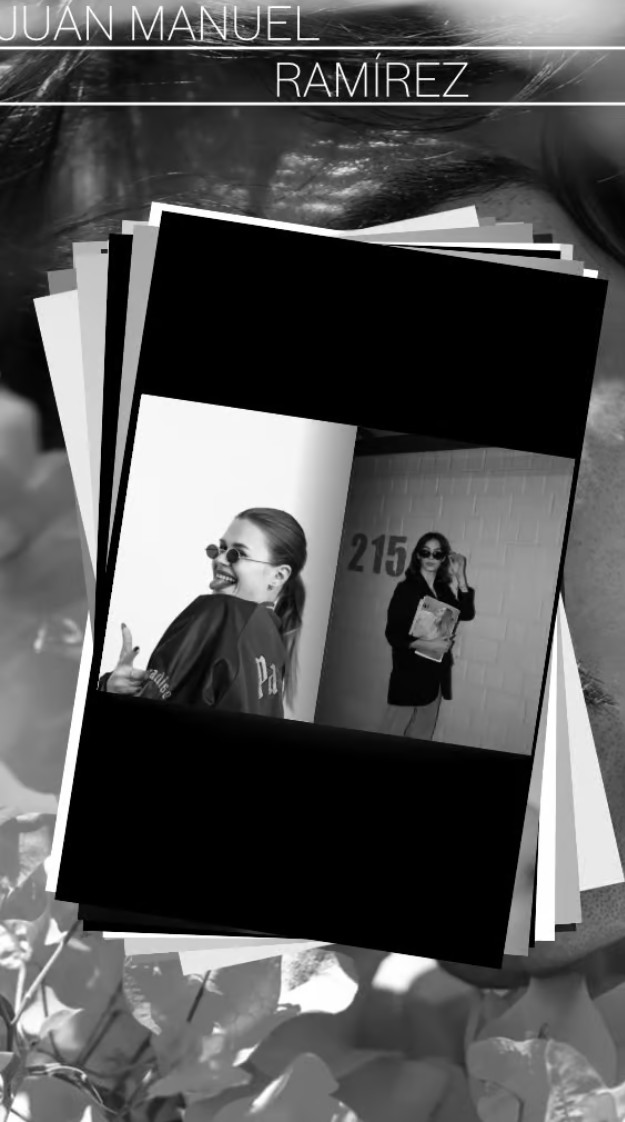
The DIY spirit is the soul of Zinegeist. This style strongly rejects the uniformity and excessive polish of modern digital design. While everything can be smoothed and perfectly adjusted with a single click, Zinegeist chooses to retain the human touch: uneven cuts, hand-drawn strokes, and imperfectly layered colors.
The 77% increase in searches for concepts like “brutal design” or “poster type” on Canva demonstrates a clear demand for designs that are personal, raw, and expressive. Zinegeist is particularly well-suited for young brands, independent artists, cultural projects, music, streetwear, and media campaigns that need to showcase a distinctive, unmistakable spirit.
3. Notes App Chic
Notes App Chic is a design style that celebrates originality, spontaneity, and authenticity. Canva describes this trend as "capturing human chaos," where design no longer tries to hide imperfections, but transforms them into aesthetic value.
The Notes App Chic design evokes the feeling of browsing through personal notes, old photo albums, or scrapbooks. Lo-fi details like unedited photos, handwritten notes, collages, scribbled notes, and seemingly "unfinished" layouts become central elements. Instead of creating an impression of perfection, this style connects with viewers through intimacy and genuine emotion.
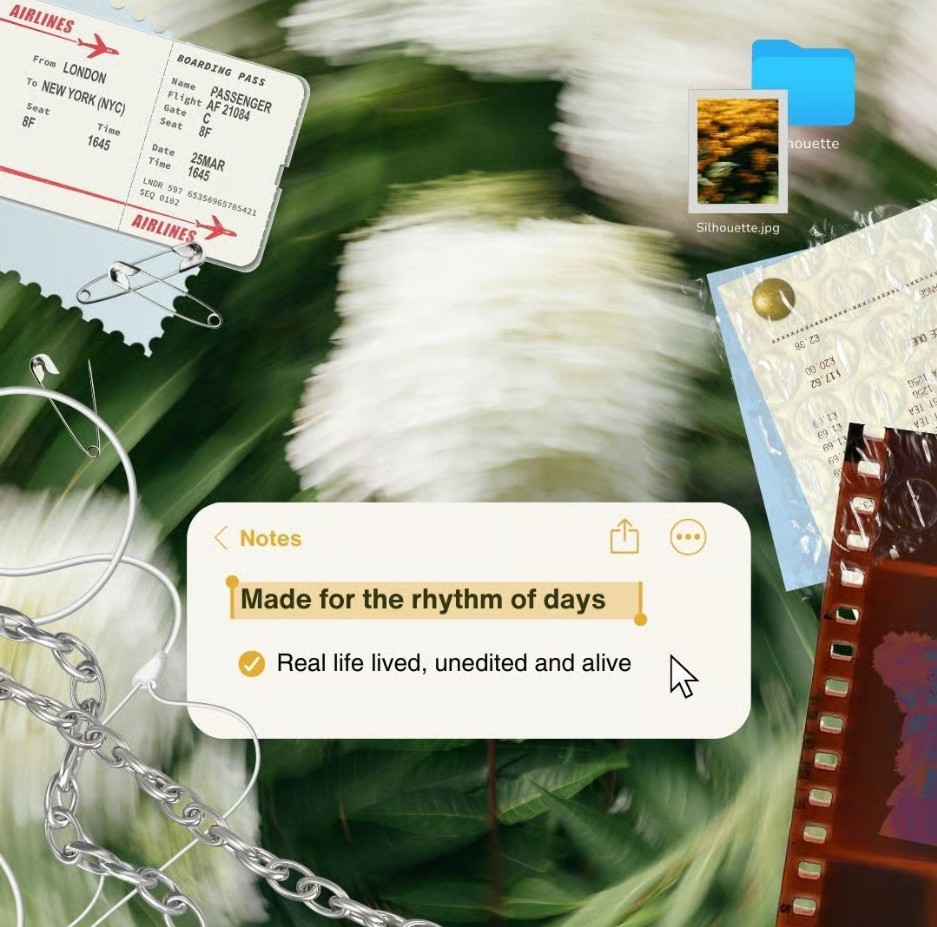
This trend is closely tied to the DIY spirit and the shift in digital aesthetics. As users become increasingly tired of overly polished images, Notes App Chic offers a warm, everyday, and relatable feel. The 90% increase in searches for scrapbook elements and collages on Canva demonstrates a clear need: to see authenticity, without excessive filtering.
Notes App Chic is particularly well-suited for personalized social media content, youthful and approachable brand identities, as well as websites, landing pages, and presentation slides that need to tell a story through emotion. In 2026, this style is predicted to continue its strong growth, especially in lifestyle, personal creativity, and community-oriented branding.
4. Opt-Out Era
The Opt-Out Era represents a wave of return to deliberate minimalism. This design style is a direct response to visual and information overload in the digital world. Canva describes the Opt-Out Era as a proactive act of “retreating” from the noise, by eliminating unnecessary elements and focusing on clear, purposeful structure.
Opt-Out Era designs typically utilize a streamlined color palette, most commonly black and white or neutral tones. Traditional serif fonts are favored, conveying a sense of stability and reliability. The layout is clear, the logo is clean, and cluttered illustrations or entertaining mascots are minimized.
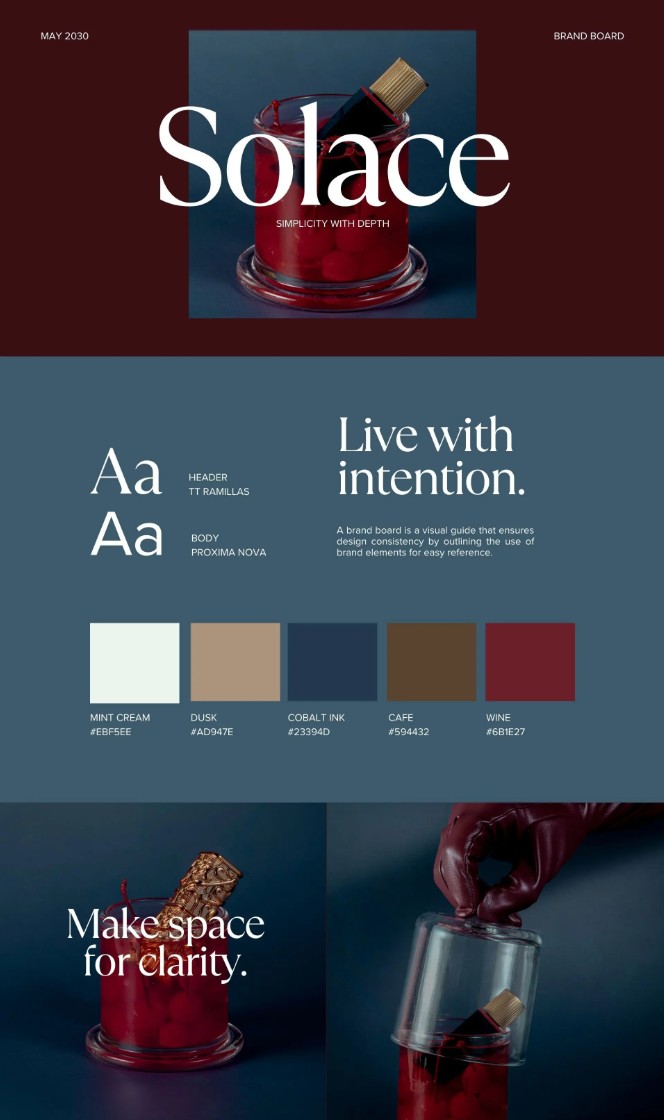
Even the elements of movement in this style are restrained, aiming to keep the overall design static and easy to focus on. The Opt-Out Era reflects the need to rediscover core values in a world constantly distracted by announcements, advertisements, and short-lived content.
Data from Canva shows a 54% increase in searches for elements related to clean layouts, serif fonts, and minimalist branding. This suggests that the Opt-Out Era is not just a passing trend, but a long-term design strategy, particularly suitable for high-end brands, educational institutions, financial services, and technology companies that need to build a serious, sustainable image.
5. Drama Club
Drama Club is a design style heavily influenced by cinema and theater. Canva describes this trend as a "short break from reality," where design becomes a vehicle for viewers to enter a dramatic, emotionally rich, and sometimes highly entertaining world.
Drama Club's style heavily utilizes high-contrast lighting, cinematic staging, and Hollywood-inspired imagery and videos. Bold typography, striking camera angles, and visual effects are employed to create a sense of drama. Everyday moments are elevated into emotionally charged scenes, sometimes with a dramatic or humorous parody feel.
This trend reflects a need to escape reality and seek more immersive entertainment experiences. The approximately 27% increase in searches for keywords like "mockumentary" or "dramatic spotlight" on Canva shows that users are increasingly fond of designs that tell cinematic stories.
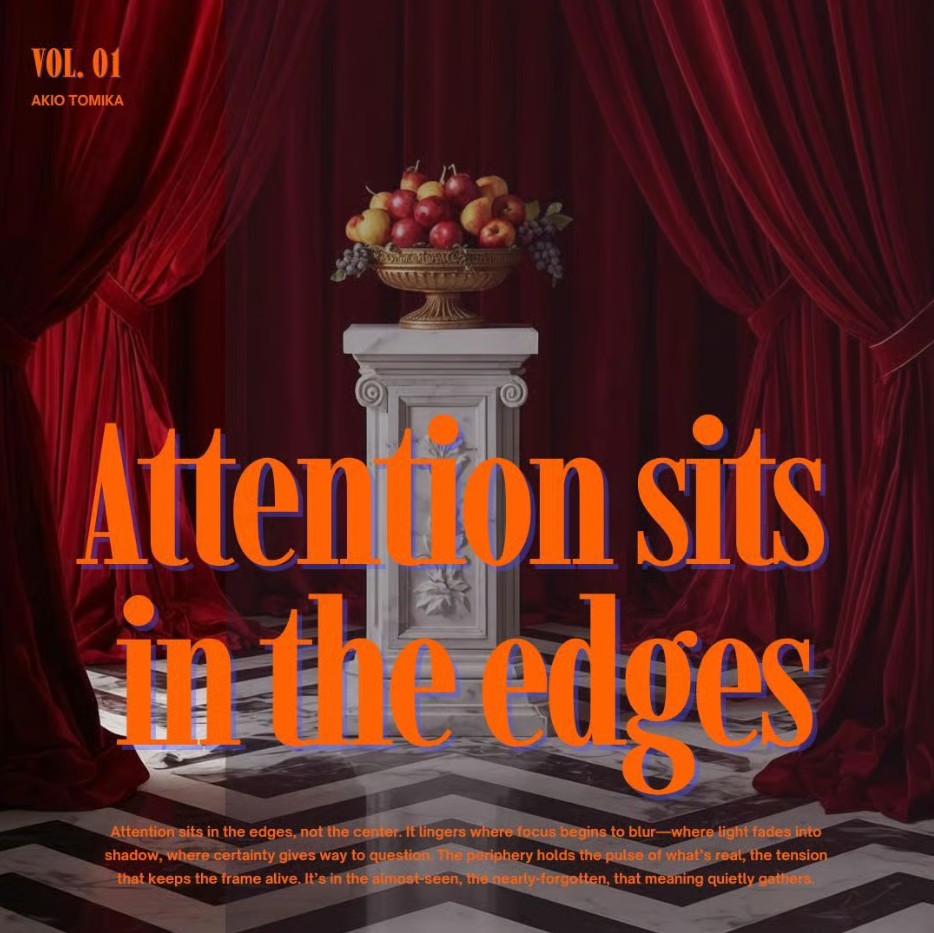
Drama Club is particularly well-suited to the entertainment, fashion, advertising, creative media campaigns, and content requiring a strong impact. In 2026, this style is predicted to continue its growth alongside the explosion of short videos and emotionally rich visual content.
For designers, marketers, and brands, grasping these trends not only helps create beautiful products, but also helps design become a tool for connecting emotionally, telling stories, and building sustainable value. 2026 promises to be an exciting period where design is no longer just for "looking," but for feeling, for pausing, and for remembering.Upgrade to Affordable Canva Pro







VIP Products
Best Selling Products
Upgrade genuine Capture One account
120 USD
Adobe Premiere Pro Account
99 USD
Genuine Cheap Canva Pro
39 USD
MidJourney Account
29 USD
ChatGPT Plus Account (GPT-4)
16 USD
Plugin Retouch4me
69 USD
Freepik Premium Account
59 USD
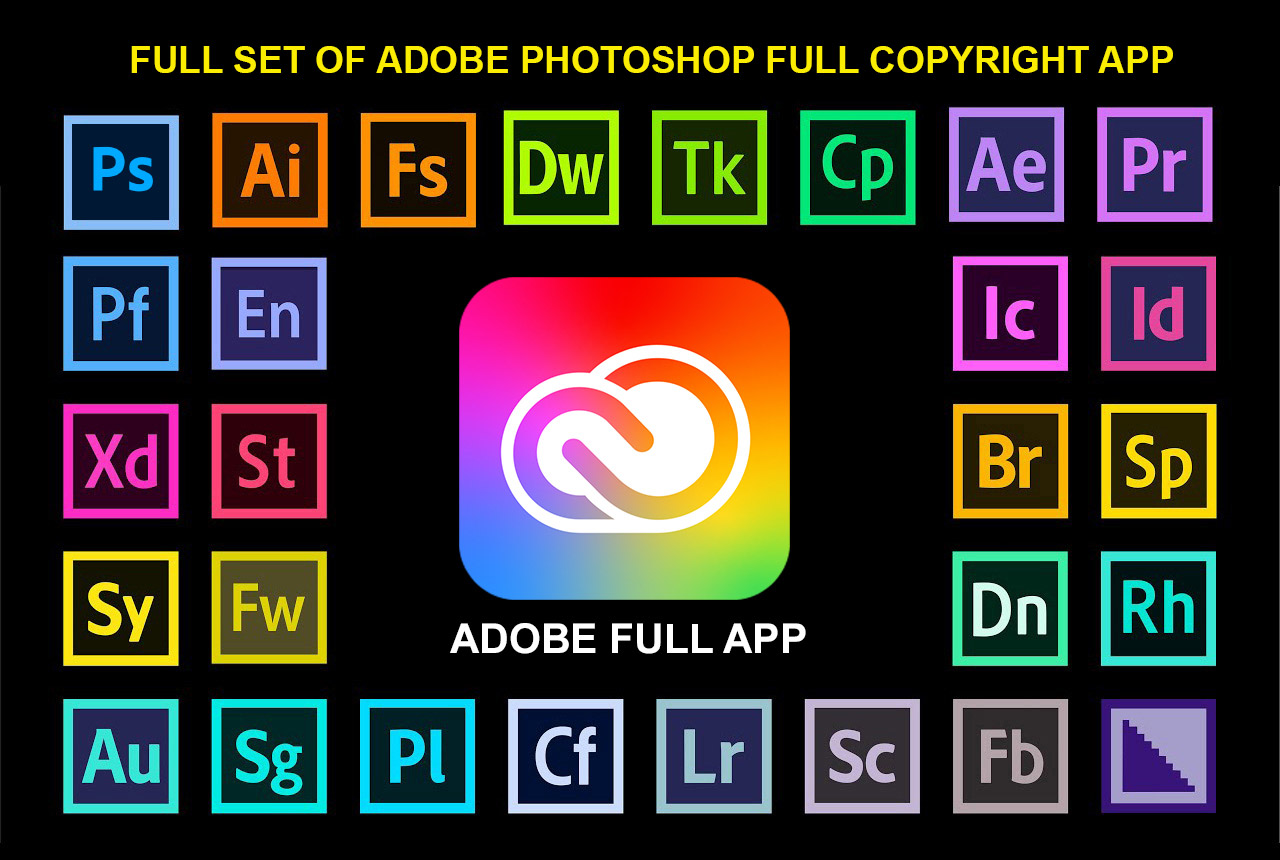
Adobe Photoshop Copyright - Full App
120 USD
Upgrade Duolingo Super
29 USD
Windows 10 & 11 Pro Key
36 USD
Autodesk All App Account Copyright
120 USD
Genuine Adobe Illustrator account
99 USD
Capcut Pro 1 Year
39 USD
Upgrade Genuine Office 365
49 USD
Copyright Adobe Lightroom Account
59 USD