Best Selling Products
Autodesk All App Account Copyright
120 USD
Genuine Cheap Canva Pro
39 USD

Windows 10 & 11 Pro Key
36 USD
Genuine Adobe Illustrator account
99 USD

Freepik Premium Account
59 USD

Upgrade Duolingo Super
29 USD

Upgrade Genuine Office 365
49 USD

Capcut Pro 1 Year
39 USD

Adobe Premiere Pro Account
99 USD

Upgrade genuine Capture One account
120 USD
Adobe Photoshop Copyright - Full App
120 USD

MidJourney Account
29 USD

Copyright Adobe Lightroom Account
59 USD

ChatGPT Plus Account (GPT-4)
16 USD

Plugin Retouch4me
69 USD
Awkward Art: Lo-fi Design in the Gen Z Era
Nội dung
- 1. What is "Lo-fi design"?
- 2. Differentiating between “lo-fi design” and “bad design”
- 3. Why is "ugly" beautiful? Anti-design and the aesthetic manifesto of Gen Z.
- 4. Anti-design in the flow of aesthetic culture.
- 4.1. Ugly fashion: Deliberate ugliness in high fashion
- 4.2. Blurry Photography: Emotion in Blurry Motion
- 4.3. Trash aesthetic: The aesthetics of chaos and systemic failure.
- 5. Lo- fi design in creative practice
- 6. Lo-fi: When aesthetics are no longer the rule.
Raw elements, blurry images, and asymmetrical compositions have become popular trends among young people. Lo-fi expresses the beauty of imperfection, reflecting individuality and a spirit of creative freedom.
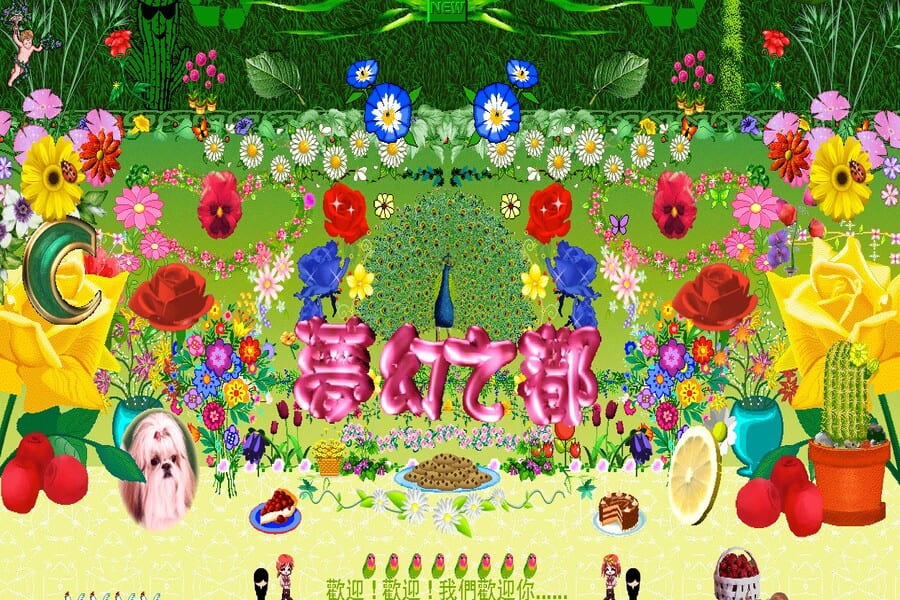
The concept of "lo-fi design" has emerged as a unique phenomenon in the creative industry. From existing only sporadically within some underground art communities, lo-fi has become a widely accepted style and is even applied in many mainstream products. What makes this style appealing is not its perfection or high technical skill, but rather its "clumsiness," "craftsmanship," and seemingly flawed, unpolished aspects. Lo-fi is not an impromptu style; it is a deliberate aesthetic statement, reflecting a new generation of users, especially Gen Z: those who are constantly seeking authenticity, individuality, and breaking traditional design norms.
Lo-fi emerged as a counter-current, evoking faded old posters, mismatched angles, shaky photos, and designs that looked hastily created using early software… This wasn't due to a lack of skill, but rather a deliberate aesthetic purpose: to bring back a sense of "real people, real work" in an era of excessive perfection.
Lo-fi design has become an "aesthetic statement" in the digital age, a way of saying that beauty lies not only in refinement but also in roughness, imperfection, and everyday life. This article will help you explore why lo-fi is trending, how it operates within the Gen Z aesthetic ecosystem, and why this "intentionally ugly" design is so appealing.
1. What is "Lo-fi design"?
Lo-fi design is understood as a design style characterized by its handcrafted nature, everyday life, and a deliberate sense of imperfection. The term "lo-fi," short for "low fidelity," refers to low-quality recordings with background noise, interference, and vibration. Interestingly, it is precisely this imperfection that makes the music feel authentic and emotional. When this concept is applied to design, it creates a new school of thought: where "awkwardness" becomes part of the aesthetic.
A lo-fi design can include many seemingly unconventional elements: sloppy fonts, blurry images, skewed layouts, inconsistent colors, pixelated textures, or smudged materials that look like they were hastily taken. All of these combine to create a sense of familiarity and evoke memories of products from the old technology era.
Most importantly, lo-fi doesn't mean a lack of skill; it's a deliberate choice to create a sense of intimacy, nostalgia, playfulness, or even rebellion against the perfectionism of modern design.
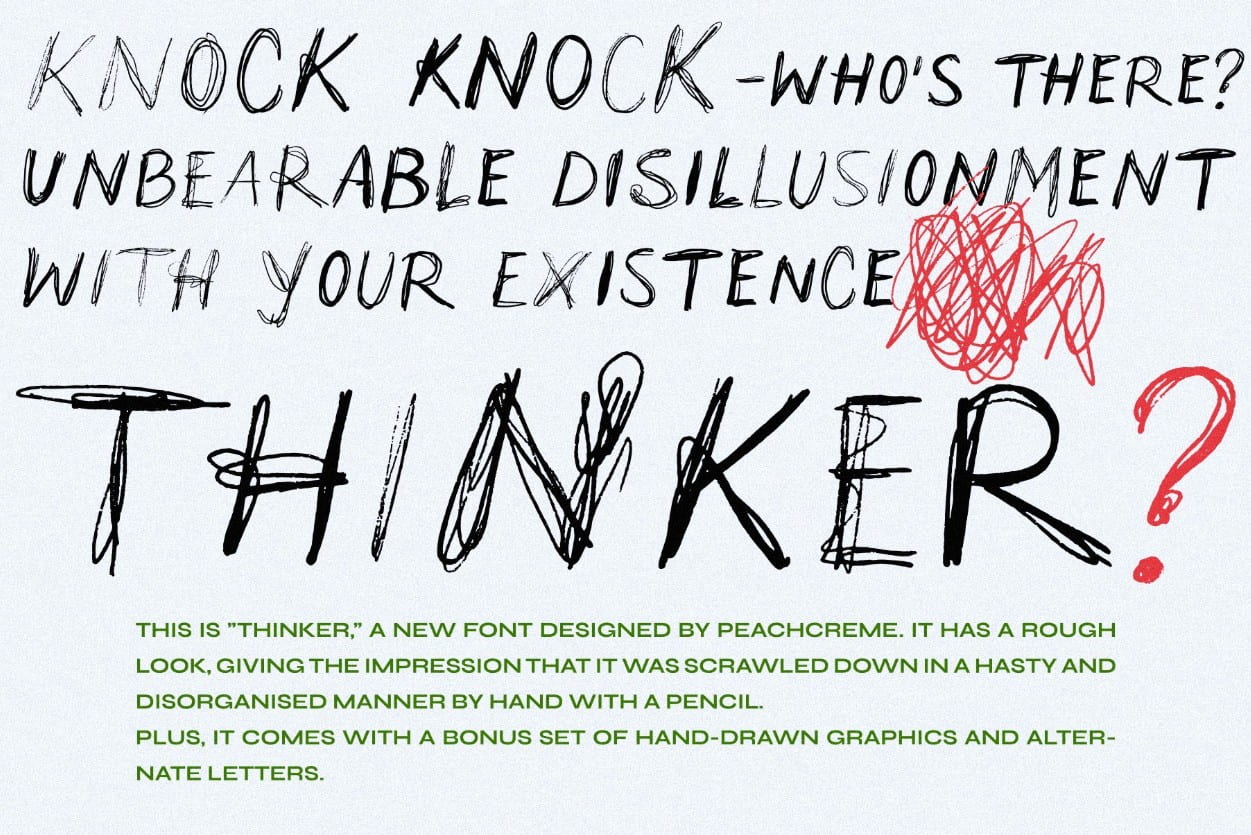
It's not easy to understand why "flawed design" is so popular. But market trends over the past five years prove otherwise. As design standards become increasingly homogenized, brands, users, and especially the Gen Z creative community are starting to get bored with interfaces that are too clean, too smooth, and too similar to be distinguishable.
The rise of lo-fi can be seen as a counter-reaction to the era of "perfect beauty." Just as the rise of digital photography led to a strong resurgence of film photography, lo-fi emerged as a way for both creators and viewers to perceive the raw, authentic, and individualistic nature of design.
Blurry indie music posters, hand-cut stickers, retro posters with worn-out materials, websites mimicking the style of the 90s with pixelated icons… all create a sense of unconventionality and vibrancy. Viewers sense a spirit of "rough beauty in its own way," something that perfect designs cannot provide.
2. Differentiating between “lo-fi design” and “bad design”
A common misconception is that lo-fi is synonymous with bad design. This is completely wrong. Bad design is the result of a lack of aesthetic knowledge or professional skill. But lo-fi feels "bad" simply because it breaks familiar visual rules. It's a deliberate, calculated ugliness with artistic reasons behind it.
A bad design often lacks coherence, has chaotic colors, incorrect contrast, inappropriate fonts, and a lack of expressive intent. In contrast, lo-fi uses these very elements to create a unique feeling, while always maintaining control over layout, rhythm, and message.
You might come across a lo-fi poster with Comic Sans font, heavy grain images, a skewed layout, and colors that look like printing errors. But the designer intentionally created that. They understand the rules and choose to break them to convey a spirit: playful, unconventional, satirical, or nostalgic.
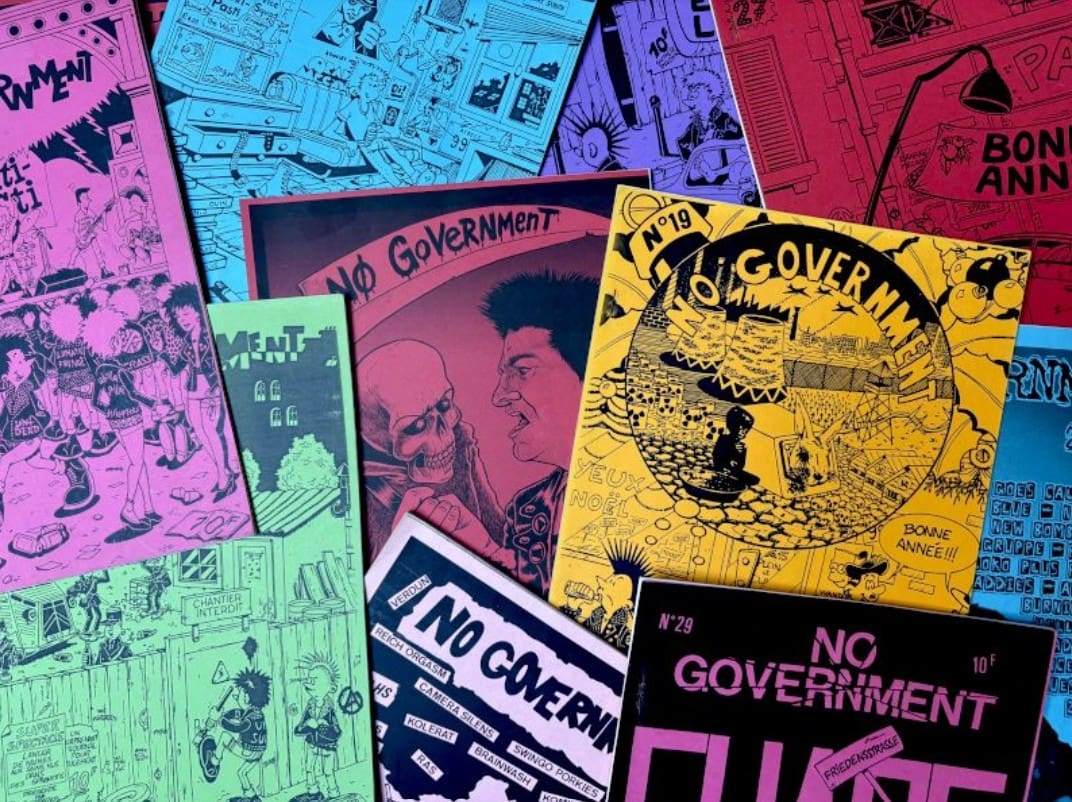
Lo-fi is like writing crooked letters with a deliberately shaky hand. It's not perfect, but it's artistic.
3. Why is "ugly" beautiful? Anti-design and the aesthetic manifesto of Gen Z.
Gen Z is a unique generation. They grew up in a technologically advanced society, witnessing the dominance of clean, standardized, minimalist designs lacking individuality. This inadvertently created a kind of "aesthetic fatigue." When everything is too neat, anything untidy becomes interesting.
Anti-design has become a way for Gen Z to express their individuality, emotions, and subtle rebellion against perfectionism. This is the root of what makes lo-fi so appealing.
The "ugliness" of lo-fi is purposeful ugliness. It evokes a sense of everyday life, intimacy, and almost unedited quality. For Gen Z, this is synonymous with authenticity.
The "unconventional" aesthetic in lo-fi also creates a sense of softness and less pressure. When everything no longer has to be perfect down to the smallest detail, creativity is freer. Viewers also feel connected to the product because it resembles a part of real life, rather than an overly polished and unrealistic image.
4. Anti-design in the flow of aesthetic culture.
Anti-design is nothing new; art history has witnessed many movements that broke the norm. However, what's interesting is how the younger generation has turned it into a mainstream trend and implemented it in various creative fields. Lo-fi design has become an important branch in that trend.
4.1. Ugly fashion: Deliberate ugliness in high fashion
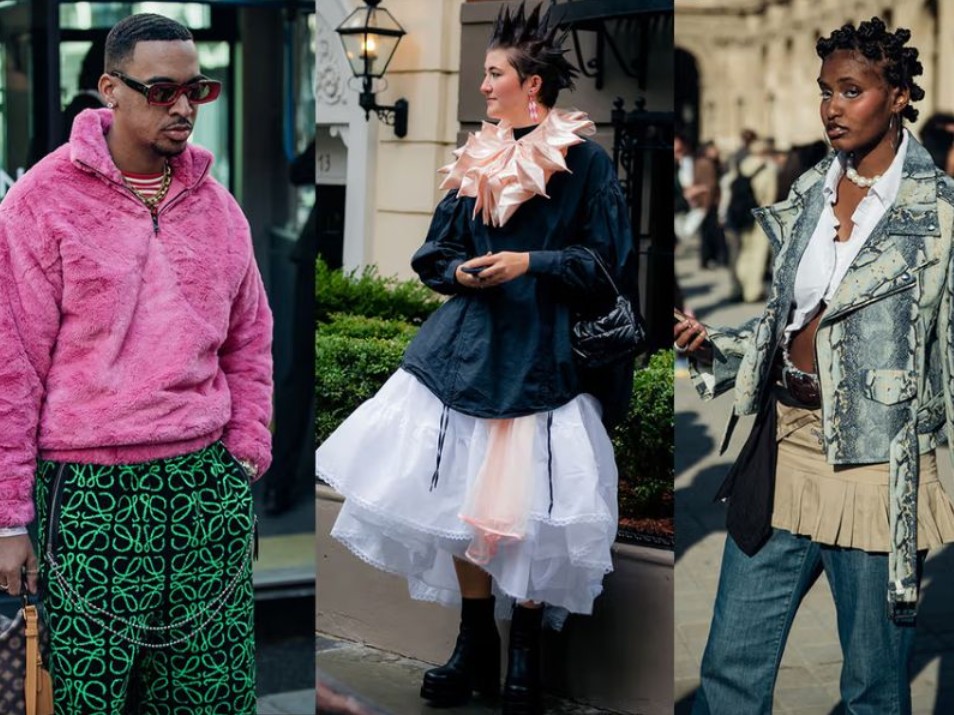
Looking at fashion runways in recent years, it's easy to see the appearance of clunky chunky sneakers, oversized items, bizarre color combinations, and seemingly flawed patterns. Balenciaga, Vetements, Gucci… have all heavily exploited this "ugly" but valuable aesthetic. "Ugly fashion" emerged as a statement: beauty doesn't need to depend on standards, but is defined by the individual.
4.2. Blurry Photography: Emotion in Blurry Motion
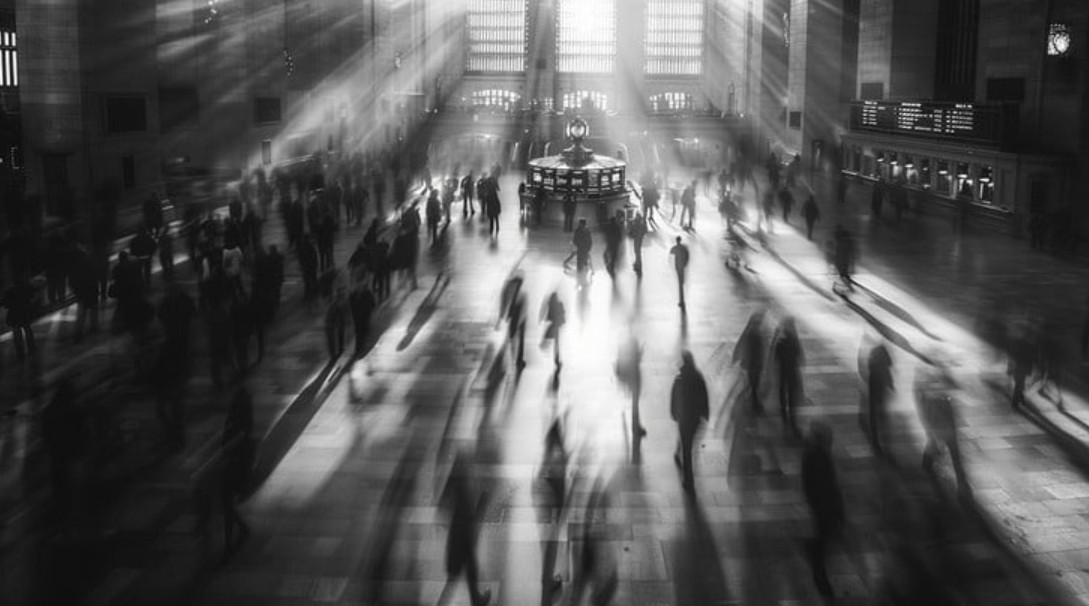
Even as smartphones can now take ultra-sharp photos, young people prefer blurry, out-of-focus images with heavy grain. This isn't a step backward, but rather an emotional choice. The ambiguity of a blurry image allows viewers to feel the rhythm of the moment rather than the technical beauty.
Lo-fi photography evokes a sense of intimacy, authenticity, and sometimes poignancy due to its imperfection. This is evident in trends like simulated film, everyday snapshots, and the "liminal space" aesthetic.
4.3. Trash aesthetic: The aesthetics of chaos and systemic failure.
Trash aesthetics exploits chaotic images, glitches, blue screen errors, broken pixels, distorted icons, faulty menus, etc. This is the beauty of "system breakdown" in an artistic way.
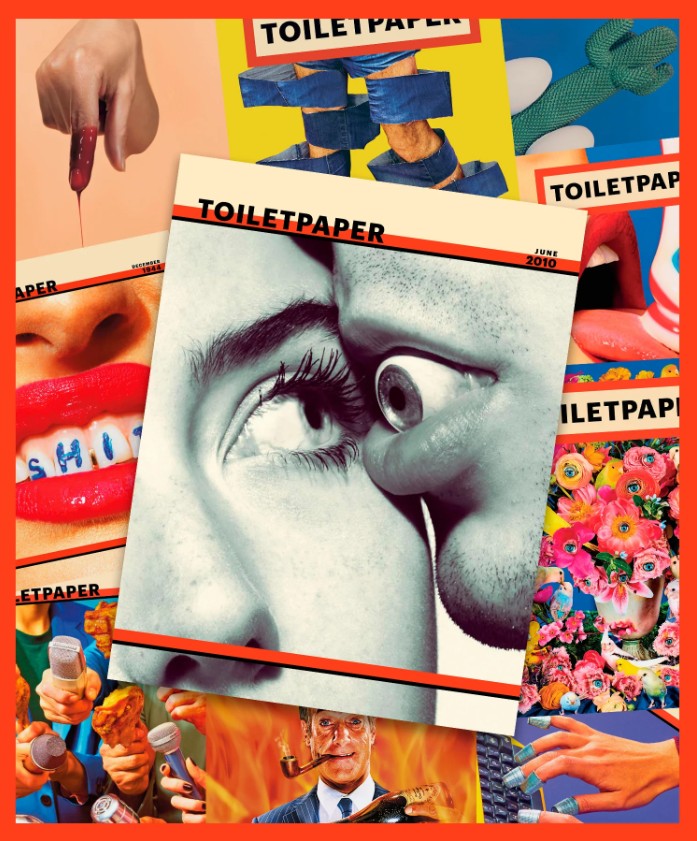
It reminds viewers of the old Windows interface, websites from the 2000s with dancing GIF effects, or distorted VHS tapes. This chaos not only evokes nostalgia but also reflects the mood of the younger generation in a world of rapidly evolving technology that is difficult to keep up with.
5. Lo- fi design in creative practice
Initially, lo-fi emerged in indie music communities, underground poster design, personal DIY projects, and small creative groups. It was the choice of those lacking resources, equipment, or time, but still wanting to create something with their own unique style.
However, as this style spread, it began to be applied to larger fields. Young fashion brands, tech companies, social media platforms, F&B brands, and even large corporate media campaigns began using the lo-fi aesthetic to attract Gen Z.
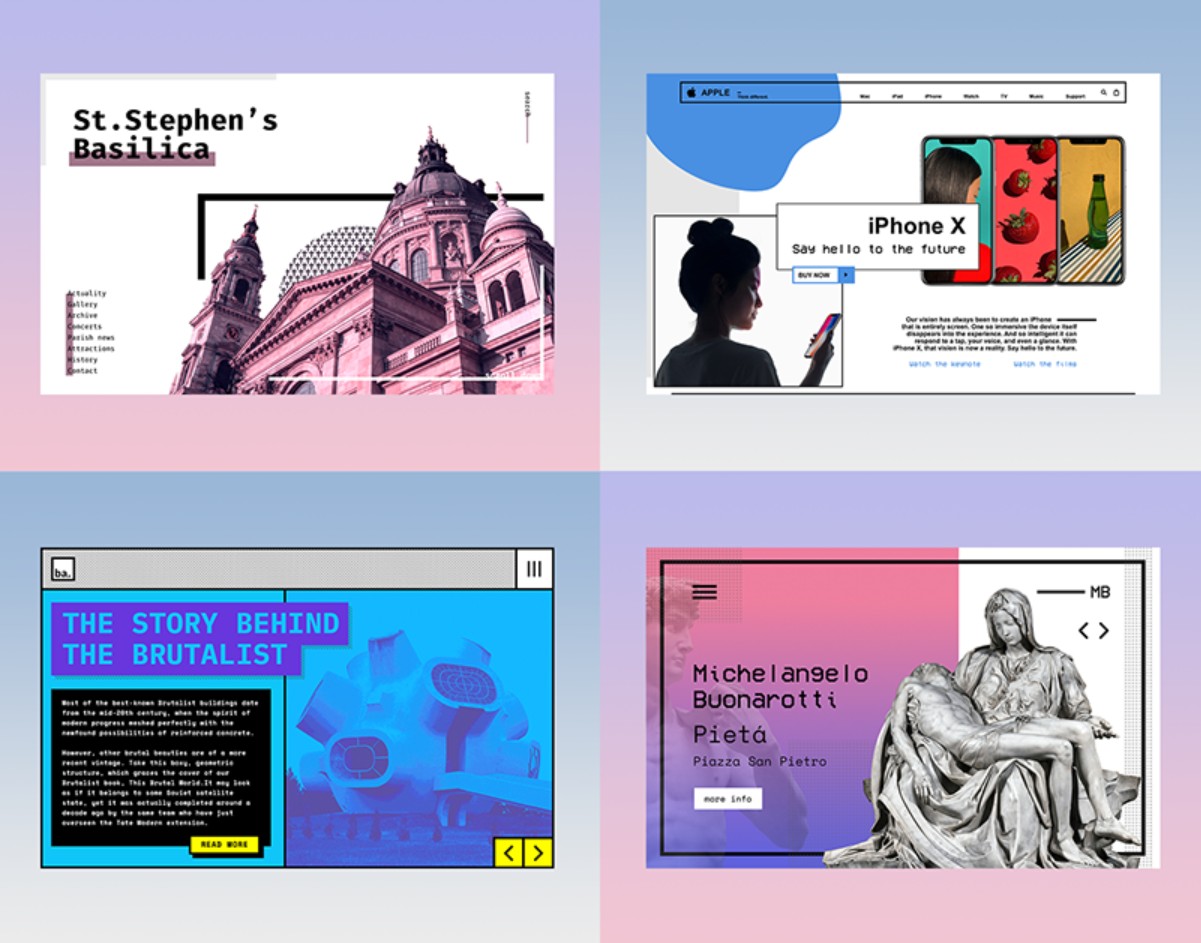
The "old-fashioned" interface trend is becoming popular:
websites mimicking Windows 98, banners resembling printer errors, advertisements using retro pixel fonts, and promotional videos that evoke the feeling of old VHS.
Lo-fi music has also become a symbol of a slow-paced lifestyle and creative freedom. The accompanying visuals, such as distorted images, background noise, and the hazy classrooms of "lofi girls," have become a cultural icon.
6. Lo-fi: When aesthetics are no longer the rule.
Lo-fi breaks many fundamental design norms: balance, precision, neatness, and visual order. But that's precisely what makes it so appealing. Lo-fi is proof that aesthetics isn't a rigid set of rules, but rather a system of values that evolves with the times.
In an era where every brand strives to appear "professional," lo-fi offers an opportunity to stand out. It instantly differentiates a brand. At the same time, it conveys a sense that the brand is daring, unconventional, and understands the psychology of young people.
When a lo-fi poster with an asymmetrical layout can still become iconic, when a seemingly flawed banner can still attract hundreds of thousands of shares, we understand that the appeal of lo-fi lies in its ability to connect emotionally rather than in traditional visual beauty.
Lo-fi reminds us that beauty is not confined within fixed rules or standards. It can emerge from improvisation, craftsmanship, chaos, and imperfection, as long as it is intentional.
Lo-fi design is not a style of sloppiness, but a style of freedom. It celebrates the beauty of imperfection, of roughness, and of genuine moments. In a world increasingly polished by technology, lo-fi becomes an emotional anchor, allowing viewers to feel the human breath in the design.

















VIP Products




Best Selling Products
Autodesk All App Account Copyright
120 USD
Genuine Cheap Canva Pro
39 USD
Windows 10 & 11 Pro Key
36 USD
Genuine Adobe Illustrator account
99 USD
Freepik Premium Account
59 USD
Upgrade Duolingo Super
29 USD
Upgrade Genuine Office 365
49 USD
Capcut Pro 1 Year
39 USD
Adobe Premiere Pro Account
99 USD
Upgrade genuine Capture One account
120 USD
Adobe Photoshop Copyright - Full App
120 USD
MidJourney Account
29 USD
Copyright Adobe Lightroom Account
59 USD
ChatGPT Plus Account (GPT-4)
16 USD
Plugin Retouch4me
69 USD