Best Selling Products
Upgrade Duolingo Super
29 USD
Capcut Pro 1 Year
39 USD
Upgrade genuine Capture One account
120 USD
Plugin Retouch4me
69 USD

Windows 10 & 11 Pro Key
36 USD

Freepik Premium Account
59 USD
Adobe Photoshop Copyright - Full App
120 USD

MidJourney Account
29 USD

ChatGPT Plus Account (GPT-4)
16 USD
Adobe Premiere Pro Account
99 USD
Genuine Cheap Canva Pro
39 USD

Upgrade Genuine Office 365
49 USD
Autodesk All App Account Copyright
120 USD
Genuine Adobe Illustrator account
99 USD
Copyright Adobe Lightroom Account
59 USD
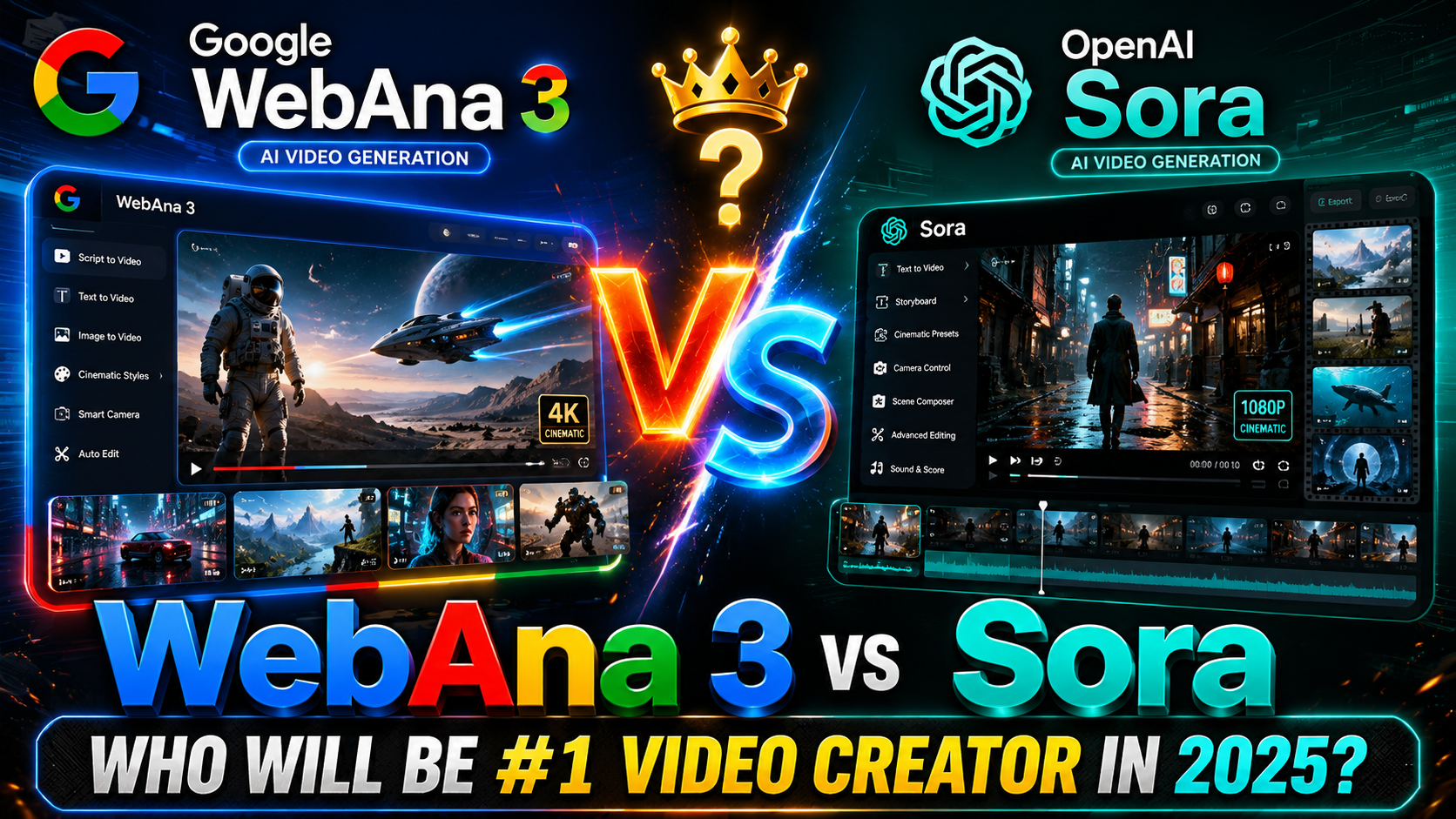
Comparing Google WebAna 3 with OpenAI Sora: Who Will Be the #1 Video Creator in 2025?
Nội dung
- 1. Overview of Google Veo 3's video creation model
- 1.1 Google Veo 3
- 1.2 Technical Highlights
- 1.3 Ideal Application
- 2. Overview of Sora's video creation model
- 2.1 OpenAI Sora
- 2.2 Technical Highlights
- 2.3 Outstanding Applications
- 3. Comparing Google Veo 3 and OpenAI Sora
- 4. Ethical impacts and changes in the creative industry
- 5. Conclusion: Who will lead in 2025?
AI-generated video has become an integral part of modern life, opening up new ways to create and experience content.
1. Overview of Google Veo 3's video creation model
1.1 Google Veo 3
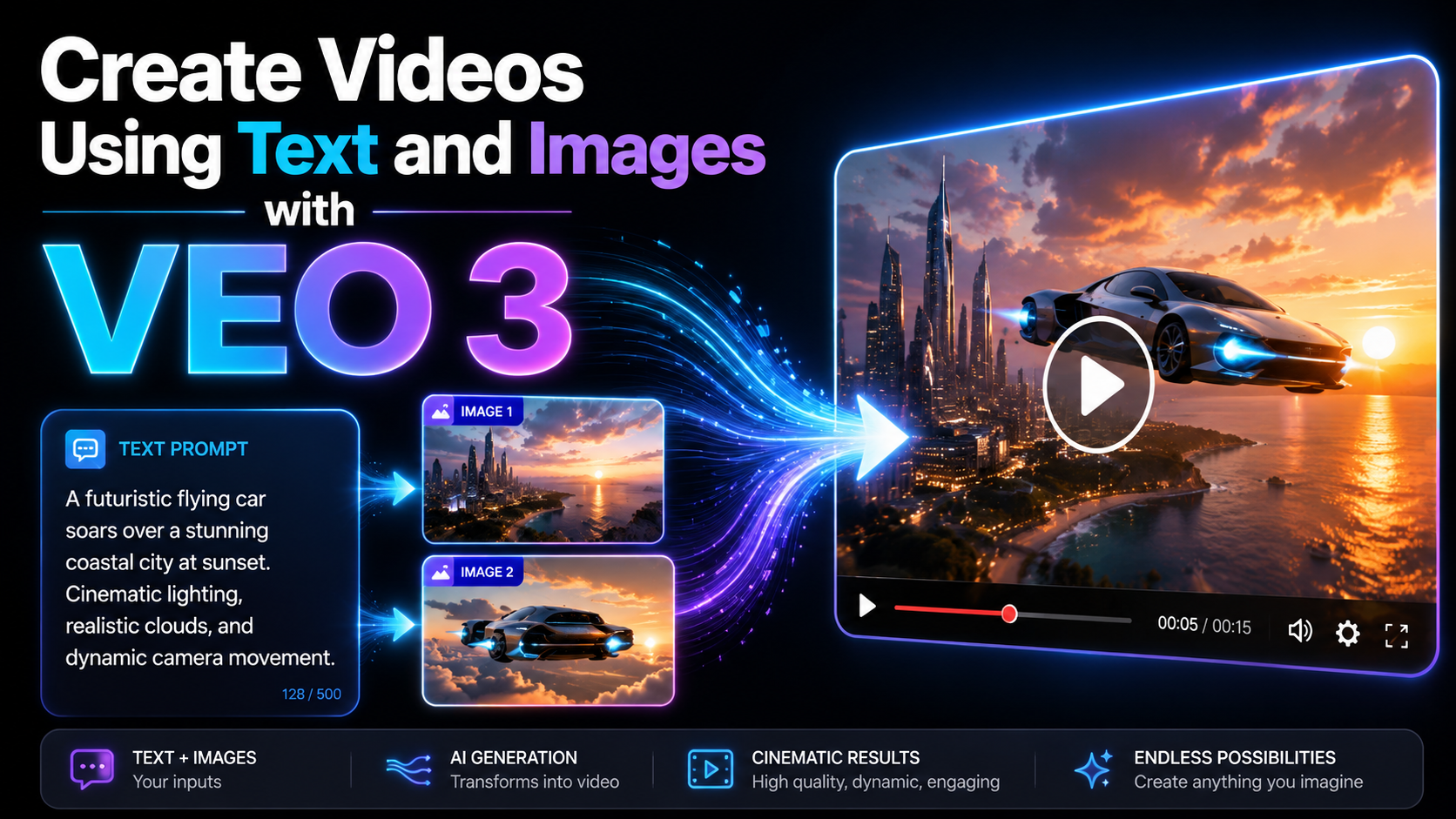
Introduced at the annual Google I/O conference, Google Veo 3 has solidified its position as one of the most advanced video creation models available today. With support for creating videos from both text and images, Veo 3 ushers in a new era for content creators. This model not only focuses on image quality but also delivers vibrant cinematic motion, along with perfectly synchronized sound. This allows users to create impressive video products that meet the diverse needs of the market.
Veo 3 is more than just a tool; it's a creative assistant. It allows users to easily bring ideas to life through a user-friendly and intuitive interface. Features like scene and composition control enable users to customize every detail, from camera angles to motion effects. The combination of technology and art creates a powerful platform, helping users convey their message vividly and engagingly.
However, it's undeniable that this innovation also comes with some challenges. At $249.99 per month, Veo 3 can be a barrier for many small-scale creators. Furthermore, the video creation process can sometimes be lengthy due to the complex audio and video processing required. Nevertheless, with its outstanding advantages, Veo 3 remains a top choice for those looking to improve the quality of their videos.
1.2 Technical Highlights
One of the technical highlights of Google Veo 3 is its ability to create videos in resolutions up to 1080p, with the promise of 4K support in the future. This not only delivers sharp images but also helps users create products that meet the highest industry standards. The maximum video length of approximately 30 seconds is also ideal for advertising content or short social media videos, and Google has committed to extending this in upcoming updates.
Veo 3 supports a wide variety of input types, allowing users to create videos using both text and images. Its high level of control over the footage enables users to easily adjust details such as camera movement, composition, and shooting angles. Veo 3's visual style leans towards realism and scientific accuracy, providing viewers with a genuine and immersive experience.
Another strength is its ability to integrate with services within the Google ecosystem such as YouTube, Google Cloud, and Imagen. This not only makes it easier for users to share their content but also expands storage and data processing capabilities. Audio synchronization, including narration, background music, and soundtracks, is also a highlight, creating a perfect viewing experience for users.
1.3 Ideal Application
Google Veo 3 is designed with many ideal applications, especially in the fields of education and advertising. It is very convenient for visualizing complex scientific concepts, helping learners easily absorb knowledge through vivid images and sounds. Data communication becomes clearer and more engaging, thereby improving the effectiveness of teaching and learning.
For the film industry, Veo 3 is an ideal tool for pre-production planning and visual prototyping. Filmmakers can easily create test videos to present their ideas, enhancing their ability to convince partners and investors. This not only saves time but also reduces production costs, optimizing the filmmaking process.
Finally, Veo 3 is also suitable for creating engaging and authentic social media content. Content creators can use this tool to produce visually appealing promotional videos that attract attention and interaction from viewers. Despite limitations in price and processing time, with its diverse applications and immense potential, Google Veo 3 remains an attractive option for those wishing to enhance their video experience.
2. Overview of Sora's video creation model
2.1 OpenAI Sora
Launched in 2024, OpenAI Sora has created a major stir in the field of AI-powered video creation, marking a significant step in OpenAI's multimodal ambitions. Built on a large-scale language model like ChatGPT, Sora is more than just a video creation tool; it's a source of inspiration for creativity. With its ability to generate realistic visuals and narrative depth, Sora aims to deliver a seamless user experience, allowing them to easily tell compelling stories.
One of Sora's highlights is its focus on depth and artistry in storytelling. This model not only produces videos in up to 1080p resolution but also has the capability to create videos longer than 60 seconds. This opens up opportunities for content creators to not only make short videos but also create more artistic, cinematic works. The ability to import text and images makes it easy for users to quickly and efficiently turn ideas into reality.
While Sora boasts many notable advantages, it also has areas for improvement. One of its biggest limitations is the lack of native audio creation functionality, requiring users to search for or create their own sounds. However, with its integration into the Microsoft ecosystem and plans for future expansion into multimedia, Sora promises to become a more powerful tool in the hands of content creators.
2.2 Technical Highlights
OpenAI Sora boasts several notable technical highlights that set it apart in today's AI video market. First is its ability to create videos in resolutions up to 1080p, resulting in sharp and clear final products. Video lengths can be extended up to 60 seconds, which is extremely useful for creating longer videos, from short films to more engaging entertainment content.
Sora allows users to input both text and images, making the creative process more flexible and easier. Sora's visual style is strong in artistic and cinematic storytelling, helping creators convey emotions and ideas deeply. The system also maintains consistency in character movement and background throughout the scenes, providing viewers with a more seamless and engaging experience.
Another noteworthy point is its ability to connect with ChatGPT and integrate into the Microsoft ecosystem. This not only expands Sora's capabilities but also creates many new opportunities for users. With plans for future multimedia integration, Sora has great potential to become an indispensable tool for content creators, helping them realize their boldest ideas.
2.3 Outstanding Applications
OpenAI Sora is designed with many outstanding applications, especially in the field of cinematic storytelling and entertainment content. This tool is an ideal choice for those who want to create short films, branded content, or surreal and artistic video projects. Its ability to create long videos and its consistency in motion make Sora a powerful tool for filmmakers and content creators.
Furthermore, Sora can be used to create immersive content for virtual reality (VR) and augmented reality (AR) environments. This feature opens up opportunities for developing vivid and interactive visual experiences, allowing users to explore virtual worlds realistically. This is particularly useful in educational and entertainment settings, where user interaction and experience are crucial.
With its user-friendly tools, Sora is suitable for creators lacking technical expertise. This reduces the barrier to accessing technology, allowing more people to participate in the creative process. Sora is truly an attractive option for those who want to produce high-quality videos without needing advanced skills.
3. Comparing Google Veo 3 and OpenAI Sora
When it comes to AI-powered video production, both Google Veo 3 and OpenAI Sora offer unique experiences. In terms of image quality, both platforms support resolutions up to 1080p, but Google Veo 3 plans to expand to 4K in the future, promising sharper images for those requiring high resolution. OpenAI Sora is equally competitive with its ability to create 1080p video, effectively meeting the diverse content needs of social media and digital media platforms.
In terms of video length, Google Veo 3 is currently limited to around 30 seconds, ideal for short videos such as commercials or educational videos. In contrast, OpenAI Sora excels at producing videos longer than 60 seconds, making it suitable for complex storytelling and explanatory videos. This difference suggests that Google Veo 3 tends to focus on quick and concise content, while Sora concentrates on developing deep and rich narratives.
The ability to control the footage is another crucial factor. Google Veo 3 offers a high level of control, allowing users to adjust physical elements and camera angles to create precise and realistic footage. Meanwhile, OpenAI Sora focuses on consistency in long shots, serving the artistic and cinematic goals of the creator. This suggests that Veo 3 might be the optimal choice for those needing high precision, while Sora is ideal for content creators who want to convey emotion and artistic depth in their videos.
4. Ethical impacts and changes in the creative industry
The explosion of AI-powered video creation technologies like Google Veo 3 and OpenAI Sora not only brings significant benefits but also raises serious ethical issues for the creative industry. As these tools become more widespread, they also open up the possibility of creating highly realistic fake videos, also known as deepfakes. The emergence of these videos can increase the risk of fake news and misinformation in society, making it difficult for viewers to distinguish between truth and falsehood. Although Google has implemented censorship measures to limit this problem, complete control remains a major challenge.
Beyond simply creating fake content, the development of AI in video production is fundamentally changing how the creative industry operates. Traditional tasks like scriptwriting, editing, and filmmaking are facing competition from new technical assistants. This raises a major question: will AI support or replace humans? While AI can automate time-consuming processes, increasing efficiency, it also threatens the positions of many professionals. Finding a balance between automation and human creativity will be crucial for the sustainable development of this industry.
Ultimately, over-reliance on AI-generated content can have negative consequences, reducing diversity and originality in creativity. AI often learns from existing patterns and data, which limits the potential for genuine and distinctive creativity. Therefore, creators need to maintain a leading role, harmoniously combining human intelligence and technological power to preserve artistic value and richness in content production.
5. Conclusion: Who will lead in 2025?
The race between Google Veo 3 and OpenAI Sora is more than just a technological competition. Each platform represents a different vision for the future of AI video. If the goal is accurate reality recreation and technical simulation, Google Veo 3 excels with its powerful physics, immersive sound, and sharp images. Conversely, if the goal is to tell an artistic story or create social media content, OpenAI Sora is the ideal choice with its high flexibility and user-friendly interface.
The question "Who will dominate in 2025?" really depends on how users choose and apply technology. It's clear that both platforms will shape different aspects of the AI video ecosystem: Sora for emotionally engaging storytelling, while Veo 3 ensures accuracy and authenticity. This combination not only enriches content but also opens up new opportunities for creators in the future











VIP Products

Best Selling Products
Upgrade Duolingo Super
29 USD
Capcut Pro 1 Year
39 USD
Upgrade genuine Capture One account
120 USD
Plugin Retouch4me
69 USD
Windows 10 & 11 Pro Key
36 USD
Freepik Premium Account
59 USD
Adobe Photoshop Copyright - Full App
120 USD
MidJourney Account
29 USD
ChatGPT Plus Account (GPT-4)
16 USD
Adobe Premiere Pro Account
99 USD
Genuine Cheap Canva Pro
39 USD
Upgrade Genuine Office 365
49 USD
Autodesk All App Account Copyright
120 USD
Genuine Adobe Illustrator account
99 USD
Copyright Adobe Lightroom Account
59 USD