
Best Selling Products

Windows 10 & 11 Pro Key
36 USD

Capcut Pro 1 Year
39 USD

Adobe Photoshop Copyright - Full App
120 USD

Upgrade genuine Capture One account
120 USD

Genuine Cheap Canva Pro
39 USD

Adobe Premiere Pro Account
99 USD

Upgrade Genuine Office 365
49 USD

Copyright Adobe Lightroom Account
59 USD

Autodesk All App Account Copyright
120 USD

ChatGPT Plus Account (GPT-4)
16 USD

Genuine Adobe Illustrator account
99 USD

Plugin Retouch4me
69 USD

MidJourney Account
29 USD
Upgrade Duolingo Super
29 USD

Freepik Premium Account
59 USD
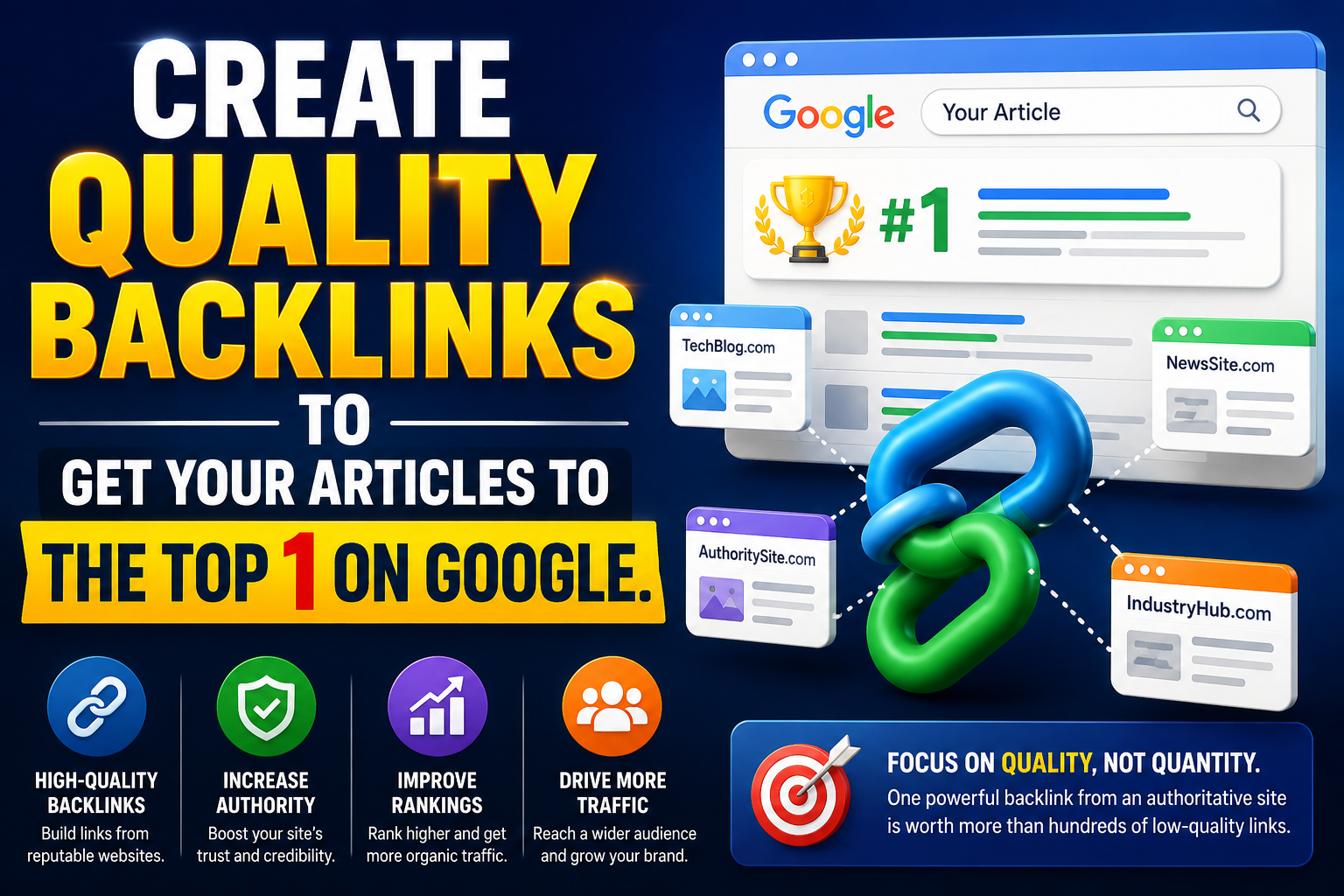
Create Quality Backlinks to Get Your Articles to the Top 1 on Google.
Nội dung
- 1. What are quality backlinks?
- 2. The importance of quality backlinks
- 3. Criteria for evaluating quality backlinks
- 3.1. Backlinks with quality anchor text
- 3.2. Relevance and quality of the linked page
- 3.3. Link Address
- 3.4. Traffic
- 3.5. Backlinks with high engagement rates.
- 3.6. Backlinks from places with high DA and PA
- 3.7. Backlinks from reputable websites
- 3.8. Age of the website placing the backlink
- 3.9. The quality of the backlink article content
- 3.10. Contextual Backlinks
- 4. How to build quality backlinks
- 4.1 Introduction to the blog post
- 4.2 Adding links to existing content
- 4.3 Perform a link audit
- 5. Conclusion
In the increasingly competitive world of SEO, getting your articles to the top of Google search results isn''t just about creating quality content; it''s also about optimizing and building effective backlink strategies.
1. What are quality backlinks?
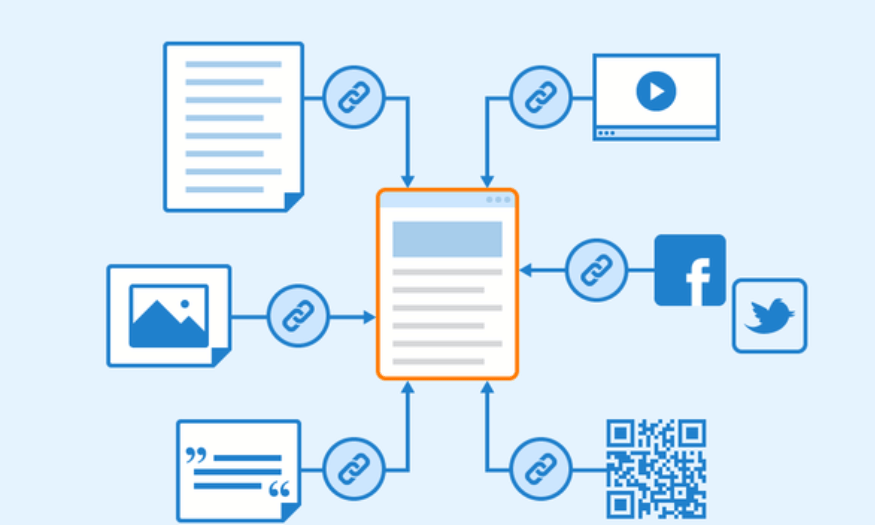
In search engine optimization (SEO), a quality backlink is defined as a dofollow link from a trustworthy website. These links typically lead to another website, originating from reputable sites with relevant content. Quality backlinks often use anchor text containing the main keyword or related keywords, helping Google better understand the content of the target page.
However, the quality of a backlink doesn't solely depend on factors like authority or keywords in the anchor text. In fact, a link can still be considered high-quality even if it doesn't fully meet all those criteria. In the process of building backlinks, it's rare for a website to have all perfect links, but the diversity and relevance of those links remain crucial.
In short, quality backlinks are not just a number, but also the value and credibility they bring to your website. Obtaining these links is one of the main goals in every webmaster's SEO strategy.
2. The importance of quality backlinks
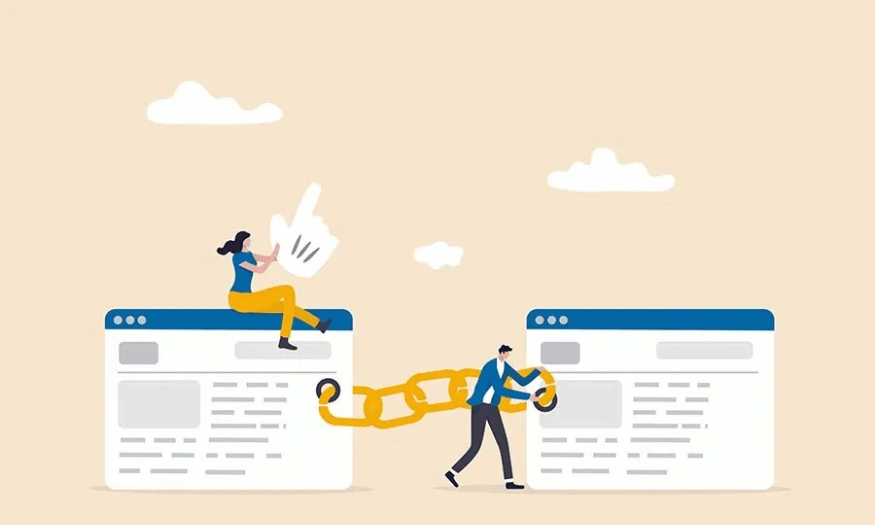
The quality of backlinks directly impacts the amount of "link juice" (link energy) your website receives. Previously, the number of links from other sources was the deciding factor in Google's search ranking. However, with the evolution of search algorithms, the misuse of link-building techniques has led to numerous problems.
To improve rankings, many website owners have resorted to illegitimate methods, such as buying links or using "link schemes." These methods not only violate Google's guidelines but can also lead to penalties. The Penguin algorithm was implemented to detect and penalize websites using these techniques, reducing the value of low-quality links.
Therefore, in today's era, website owners need to focus more on the quality of backlinks rather than just the quantity. A sound backlink strategy will help improve the credibility and presence of a website in search results, thereby bringing in more natural and sustainable traffic.
3. Criteria for evaluating quality backlinks
The quality of a backlink should be evaluated based on both the individual backlink's level and the overall level of the website. To determine if a backlink is truly high-quality, you need to consider many different factors. Below are five key criteria you should consider:
-
The quality of the anchor text.
-
The relevance of the links and the quality of the page content.
-
The quality and relevance of the domain name.
-
Link address.
-
Traffic.
Additionally, there are several other secondary criteria. The difficulty is that there is no single, precise rule for evaluating link quality based on these criteria. Instead, you need to assess the quality of each individual link and the website as a whole.
3.1. Backlinks with quality anchor text
Anchor text is the text containing a link, usually displayed in blue and underlined. When Google crawls, it considers anchor text a crucial factor in determining the relevance of a new website's destination URL. An ideal backlink will use anchor text that naturally and appropriately contains the page's target keywords.
For example, if you write about gardening and want to link to a page selling shovels, the ideal anchor text might be "shovel" or "gardening tools". However, if the link leads to an unrelated page, such as "speakers", this would be a low-quality backlink. The relevance between the anchor text and the content of the linked page is crucial, as it affects not only user experience but also search engine rankings.
However, overusing keywords in anchor text can be detrimental. A sensible strategy is to combine keyword-rich anchor text, brand names, and generic phrases like "click here." This makes your link profile look natural while avoiding being flagged as spam.
3.2. Relevance and quality of the linked page
The relevance and quality of the linking page play a crucial role in determining the value of a backlink. Links from pages with content relevant to your field will be clicked more often than those from unrelated pages. This not only affects traffic but also your website's credibility in Google's eyes.
To assess the quality of a page or domain name, ask yourself a few questions. Does the page's topic align with your website's content? If a page about online poker appears on a food blog, this could be a bad sign. Also, consider whether the page actually provides value to users. If the content is simply copied from another source, then links from that page will likely lack quality.
Finally, considering IP addresses and domain names is also essential. Multiple links from the same IP address can be a sign of a private blogging network, which Google strongly dislikes. Therefore, ensure you have diversity in your link sources.
3.3. Link Address
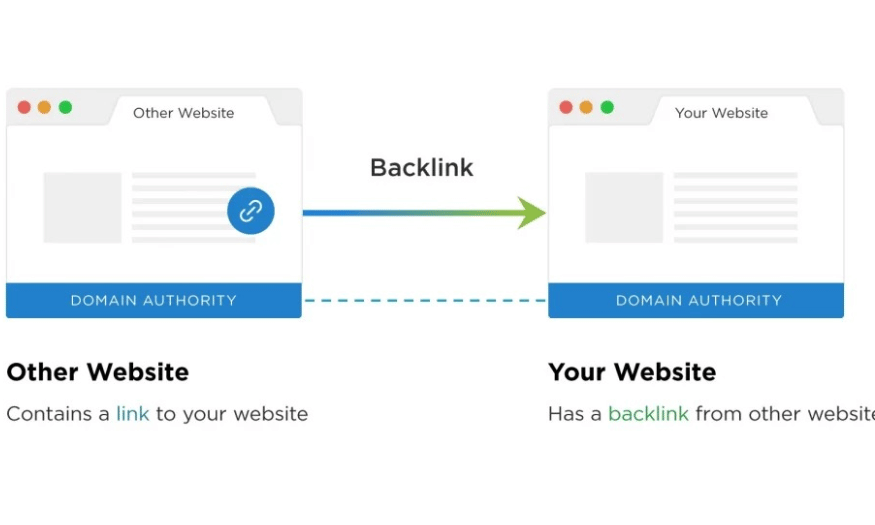
The link address also plays a crucial role in determining the value of a backlink. The location of the link on the page will affect its ability to deliver "link juice". In a basic website, you can find links in many different locations such as the header, footer, left or right toolbar, and main content.
Among these positions, links appearing within the main content are generally considered the most valuable. They not only provide information to the reader but also help Google better understand the context of the link. Furthermore, if a page has too many external links, it may be perceived as a page that exists only to sell backlinks, which can be detrimental to SEO.
Therefore, when optimizing backlinks, pay attention to the placement of the links. A link within the main text of the content will be more valuable than a link in the footer or sidebar. Additionally, ensure that the number of links is not excessive, avoiding confusion for both readers and search engines.
3.4. Traffic
Traffic is a crucial but often overlooked factor when evaluating backlink quality. Backlinks not only influence SEO but are also an effective method to increase organic traffic to your website. A quality backlink can help generate traffic from various sources, which not only improves website performance but also creates opportunities for user interaction.
While traffic doesn't directly improve Google rankings, it can positively impact other metrics such as time spent on site, bounce rate, and conversion rate. These metrics can contribute to enhancing a website's SEO value.
Therefore, when considering backlinks, don't just focus on technical factors. Evaluate the potential of those links to bring traffic to your website. A backlink from a higher-traffic site will be more valuable than one from a lower-traffic site, as this will help increase your visibility and engagement with potential customers.
3.5. Backlinks with high engagement rates.
Article engagement, including likes, comments, and shares, plays a crucial role in enhancing the value of backlinks. When a backlink is placed in a highly engaging article, it not only attracts user attention but also impresses search engines. These articles are often perceived as having quality content, thereby increasing the credibility of the link.
Furthermore, high levels of positive engagement indicate that the content is genuinely influential and connecting with readers. This means that backlinks from such articles will be more valuable, helping to improve the website's ranking and visibility on search engines.
3.6. Backlinks from places with high DA and PA
When evaluating a backlink, Domain Authority (DA) and Page Authority (PA) are two indispensable factors. Links placed on pages with high DA and PA scores will provide significantly more value than those with low scores. This is because reputable websites typically have stable traffic and high credibility in Google's eyes.
Therefore, if you have the opportunity to place backlinks on pages with high DA and PA scores, take advantage of it. This is one of the effective ways to improve your website's credibility and generate quality traffic from various sources.
3.7. Backlinks from reputable websites
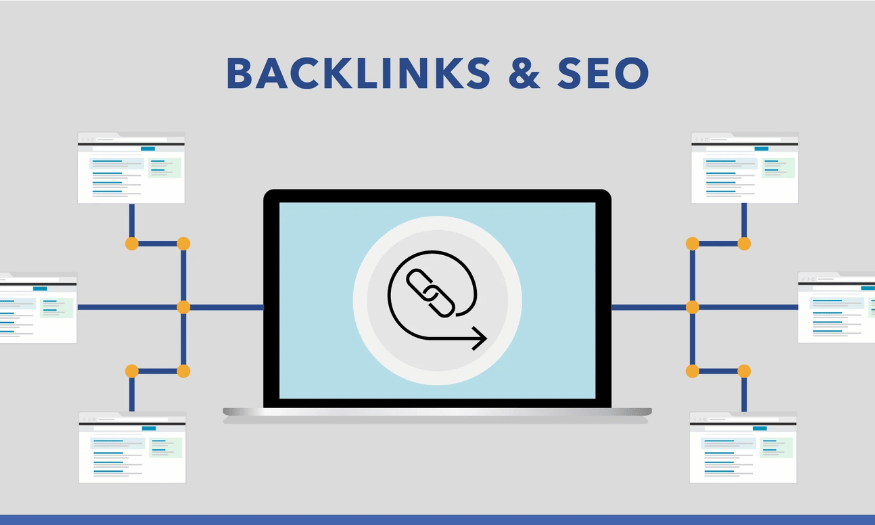
The value of a backlink depends not only on the backlink itself but also on the influence of other links appearing alongside it. Imagine your page being listed in an article alongside reputable sites like Wikipedia or CNN. This not only increases the credibility of the backlink but also helps your page gain recognition in a high-quality context.
Conversely, if your backlinks appear alongside low-quality websites, their value will decrease. Therefore, identifying and selecting reputable sites to link to is crucial in your SEO strategy.
3.8. Age of the website placing the backlink
The age of the website containing the backlink is also a significant factor in evaluating the quality of the link. Websites that have been operating for a long time generally have higher credibility and reputation than newly established ones. This means that if you have a backlink from a long-established site, you will benefit from its professionalism and trustworthiness.
Furthermore, search engines often value websites that have been around for a long time, as they typically demonstrate stability and high-quality content. Choosing older websites for backlinks will enhance the value of your links and improve your search rankings.

3.9. The quality of the backlink article content
The quality of the content of an article containing a backlink is a crucial factor. The content must be free of spelling and grammatical errors, and also engaging and appealing to readers. A high-quality article will not only attract users but also make a good impression on search engines, thereby increasing the value of the backlink.
Furthermore, using a unique writing style and rich vocabulary will create a better reading experience for your audience. High-quality content not only improves search rankings but also drives organic traffic, providing long-term benefits for your website.
3.10. Contextual Backlinks
Contextual backlinks are links embedded within text content via anchor text. Placing links in the right context not only provides useful information to users but also improves the overall experience. These links have the potential to create a strong connection between content and keywords, thereby enhancing backlink value.
When links are placed in the right context and at the right time, they prove effective as part of an SEO strategy. Contextual backlinks not only increase link value but also give your site a better chance of standing out to users and search engines.
4. How to build quality backlinks
Building quality backlinks is one of the key factors determining the success of an SEO strategy. There are two main methods for creating valuable links, helping your website increase its credibility and ranking in search engines.
4.1 Introduction to the blog post
One effective way to build backlinks is through writing blog posts. This way, you can control the content and anchor text of the links, making them more natural and relevant. When writing a post, make sure your content is not only engaging but also provides value to the reader. This not only increases the likelihood of sharing but also enhances the credibility of the backlink.
However, caution is needed to avoid overusing link stuffing in articles. Over-focusing on backlink building can make content seem unnatural and lower its quality. Instead of stuffing links, create engaging content and allow links to appear naturally; this will make readers feel more comfortable interacting with your article.
4.2 Adding links to existing content
Another method for building backlinks is to add links to your content within existing articles. You can email website owners and explain the benefits that linking to your content can bring them. This not only creates opportunities for you to receive links but also helps you build relationships with other bloggers and content managers.
When making a proposal, focus on how your content can complement their article, thereby creating value for both parties. Remember, sincerity and transparency in communication will help you attract attention and build trust from others in the industry.
4.3 Perform a link audit
After building backlinks, the next crucial step is to perform a link check. A link check is the process of collecting data on the backlinks you've created and evaluating their quality. This not only helps you identify high-quality links but also detects low-quality or malicious links that could negatively impact your website's ranking.
By using SEO analytics tools like Ahrefs, Moz, or SEMrush, you can track the performance of backlinks and determine whether they are truly providing value to your website. This will help you adjust your backlink building strategy, thereby optimizing SEO effectiveness and attracting quality traffic to your website.

5. Conclusion
Creating quality backlinks is a crucial part of your SEO strategy. With the right techniques and methods, you can absolutely get your articles to the top of Google. Investing in quality content and building natural backlinks will not only help you achieve high rankings but also generate sustainable traffic for your website. Start today to see the difference in your search results!




















VIP Products








Best Selling Products
Windows 10 & 11 Pro Key
36 USD
Capcut Pro 1 Year
39 USD
Adobe Photoshop Copyright - Full App
120 USD
Upgrade genuine Capture One account
120 USD
Genuine Cheap Canva Pro
39 USD
Adobe Premiere Pro Account
99 USD
Upgrade Genuine Office 365
49 USD
Copyright Adobe Lightroom Account
59 USD
Autodesk All App Account Copyright
120 USD
ChatGPT Plus Account (GPT-4)
16 USD
Genuine Adobe Illustrator account
99 USD
Plugin Retouch4me
69 USD
MidJourney Account
29 USD
Upgrade Duolingo Super
29 USD
Freepik Premium Account
59 USD