Best Selling Products
Upgrade Duolingo Super
29 USD

Adobe Premiere Pro Account
99 USD

Copyright Adobe Lightroom Account
59 USD

Upgrade Genuine Office 365
49 USD
Genuine Adobe Illustrator account
99 USD

Adobe Photoshop Copyright - Full App
120 USD

Freepik Premium Account
59 USD

Upgrade genuine Capture One account
120 USD

MidJourney Account
29 USD

Windows 10 & 11 Pro Key
36 USD

ChatGPT Plus Account (GPT-4)
16 USD

Plugin Retouch4me
69 USD

Genuine Cheap Canva Pro
39 USD
Autodesk All App Account Copyright
120 USD

Capcut Pro 1 Year
39 USD
Humans and AI: Mastering Technology or Being Replaced?
Nội dung
In the age of AI technology, humanity faces both great opportunities and challenges.
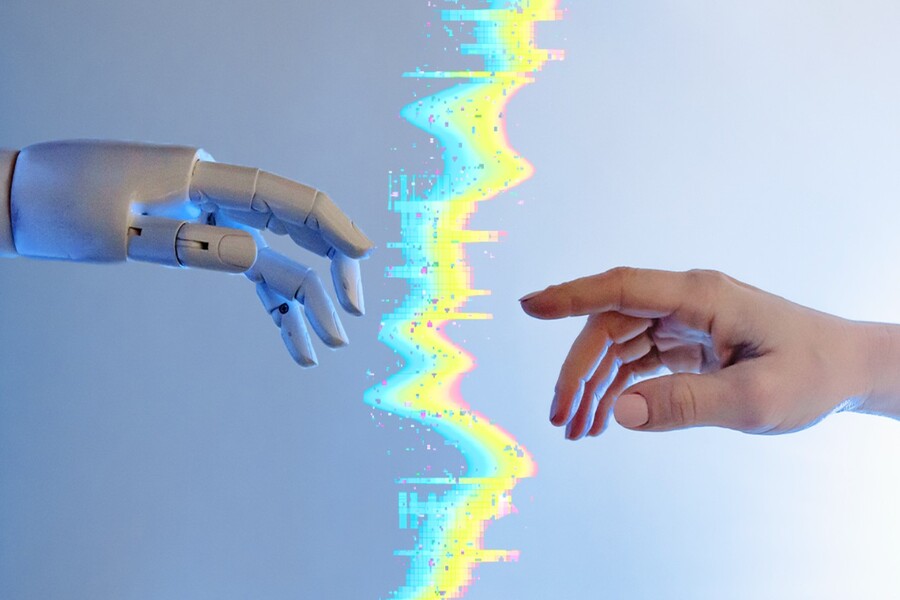
The artificial intelligence (AI) revolution has moved beyond the experimental phase to become an integral part of modern life. Models like ChatGPT, Gemini, Claude, and Midjourney are not just tools but also new "colleagues" capable of understanding language, creating, and making decisions in areas previously dominated by humans.
However, along with that opportunity comes a series of unprecedented challenges. AI can help increase labor productivity many times over, but at the same time, it will replace millions of jobs. It offers unlimited creative power, but it raises big questions about the true value of human beings in the age of automation. So what is the role of humans in the age of AI? Are we heading towards a future where machines do everything and humans are marginalized? Or is AI simply a tool to enhance capabilities, opening up a new era of collaboration between humans and technology?
1. Changes in the World of Work
Artificial intelligence is profoundly changing the structure of the global labor market in the most significant way since the Industrial Revolution. Previously, machines primarily replaced manual labor, but today, AI is replacing human intelligence as well. Jobs involving language, data, creativity, and decision-making are all within the reach of this technology.
According to a 2024 report by the McKinsey Global Institute, approximately 400 million people worldwide could change careers due to automation between 2025 and 2030. The sectors most affected include customer service, accounting, transportation, manufacturing, and basic content creation. However, this does not mean that humans will be eliminated entirely.
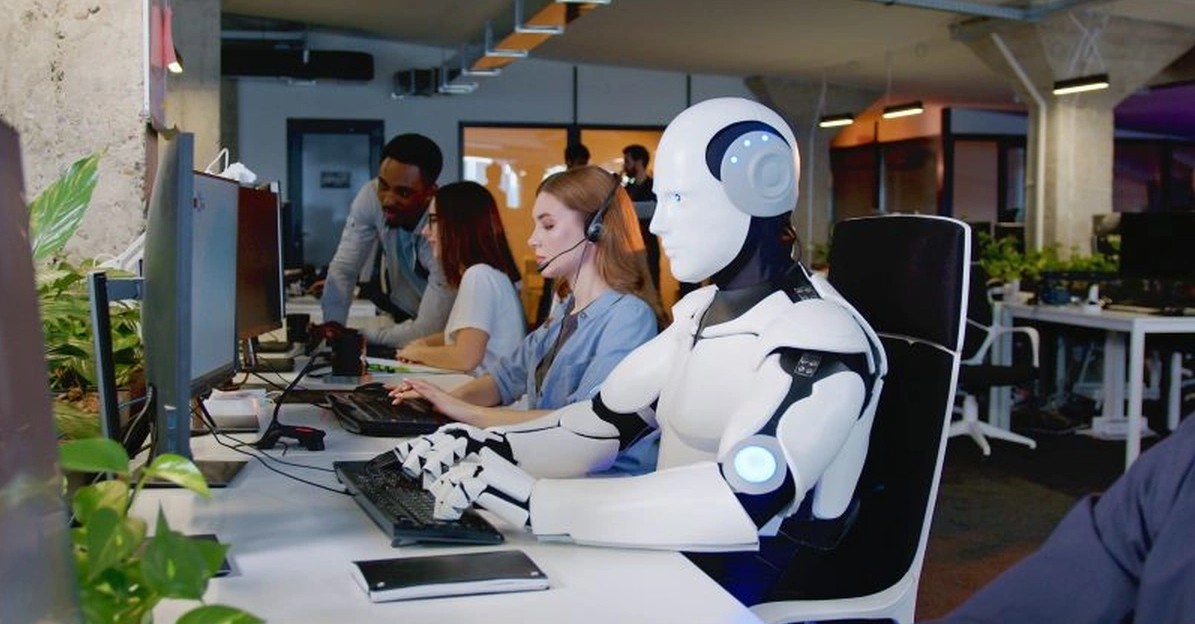
Conversely, the advent of AI has also created millions of new jobs in technology, data analysis, AI innovation, and language modeling. Positions such as AI Trainer, Prompt Engineer, or AI Ethicist are becoming highly sought-after careers.
Remarkably, AI is not just changing "who does the work," but also "how we do it." Humans no longer need to manually process hours of data or write lengthy reports. Instead, AI handles the automation, while humans focus on strategy, creativity, and emotional interaction.
Therefore, instead of asking "Whose jobs will AI take?", perhaps what we need to ask is "How will humans work in the age of AI?".
2. Social and Economic Challenges
AI is not just a technological issue; it's also a social and ethical one. As machines become smarter, the divide between different groups of workers is becoming more pronounced than ever. Those with technological skills, data literacy, and AI expertise will quickly adapt and benefit from this trend. Meanwhile, the unskilled workforce, especially in developing countries, risks being left behind.
The impact of AI on the economy extends beyond simply replacing humans. It also affects income structure, the value of labor, and how people define "work." As AI becomes capable of writing content, composing music, and even painting, the lines between human and machine creativity blur.
Intellectual property issues also present a major challenge. Who owns the work created by AI: the user, the AI development company, or the model itself? As AI creations become increasingly realistic, protecting the value of individual creative works becomes a complex problem.

Furthermore, AI also poses risks of privacy violations and a lack of data control. Every online human behavior can be collected, analyzed, and learned from by massive AI systems. Without transparent control mechanisms, AI could become a tool for manipulating information or distorting reality.
From a societal perspective, the spread of AI could lead to technological inequality. Countries capable of developing and applying AI will surge ahead, while those that fail to keep pace will fall behind. This digital divide will impact education levels, labor productivity, and living standards.
Overall, the challenge posed by AI lies not in "what it can do," but in "what we do with it."
3. AI is seen as a double-edged sword.
AI is a double-edged sword; it can free people from tedious tasks, but it can also cause them to lose their roles if they don't adapt quickly enough. On the positive side, AI helps increase productivity unprecedentedly. A small team can handle a huge workload thanks to automation. A creative person can complete a design, editing, or filmmaking project in just a few hours.
AI not only automates processes but also expands human capabilities. It assists in medicine, helping doctors detect diseases earlier. In education, AI acts as a personalized virtual tutor, enhancing lessons. In the creative field, it helps artists experiment with ideas that previously existed only in their imagination.
However, the downside of automation is the risk of human passivity. When everything is done by AI, humans can easily fall into a state of dependence. Critical thinking, problem-solving, and original creativity may be weakened if we no longer "do things ourselves."
Many experts call this the "paradox of progress": the more powerful the tools people have, the easier it is for them to forget their true capabilities. Therefore, for AI to truly become a supportive tool, we need to position it as a collaborator.
4. Preparing for Future Work
To survive and thrive in the AI era, humanity needs to prepare starting today. The first step is a change in mindset. AI is not a threat, but a catalyst that forces us to evolve. Instead of fearing being replaced, we need to learn how to use AI to do our jobs better.
Hard skills remain important, but soft skills are more valuable than ever. While AI can analyze millions of data points, humans understand emotions, ethics, and social context. Capabilities such as creativity, communication, strategic thinking, and adaptability will become an unreplicable competitive advantage.
Furthermore, lifelong learning is key to survival. In the next five years, skills considered "hot" today may become obsolete. Workers need to constantly update their knowledge, learn new tools, and understand how AI works.
Another crucial element is the education of the younger generation. Training programs should shift from rote learning to critical thinking, from memorizing knowledge to problem-solving. Children need to be taught how to collaborate with AI, use technology responsibly, and maintain their curiosity.
5. The Unique Role of Humans in the AI Era
No matter how advanced AI becomes, there are still values that machines cannot replicate. These are imagination, ethics, emotions, and meaning. Humans don't just process information; we create stories, goals, and values for every action.
An AI-generated painting may be technically perfect, but it lacks soul without the human idea behind it. An AI-composed piece of music may be catchy, but it cannot touch the emotions without the artist's empathy.
Therefore, the role of humans in the AI era is not to compete, but to lead and guide. Humans need to become AI "trainers," teaching it what is right and what is humane. We are not just programming code, but also programming values for the technology.
6. Building a Balanced Future: Humans and AI Working Together
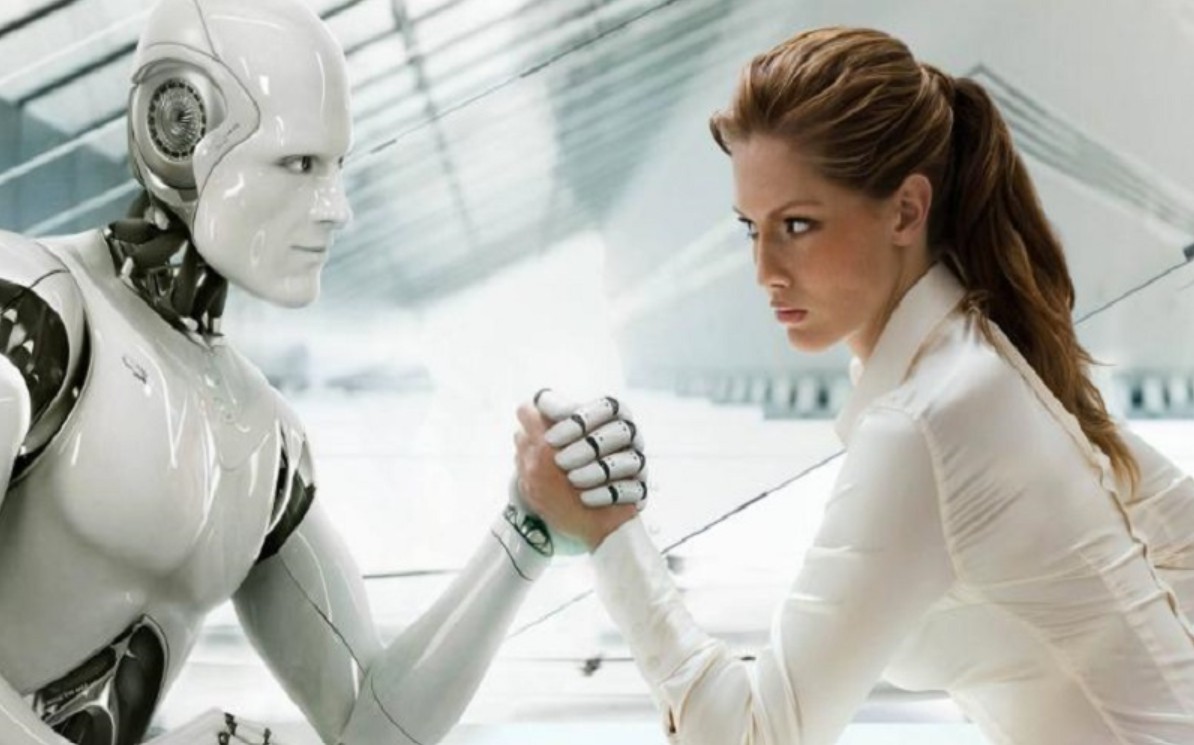
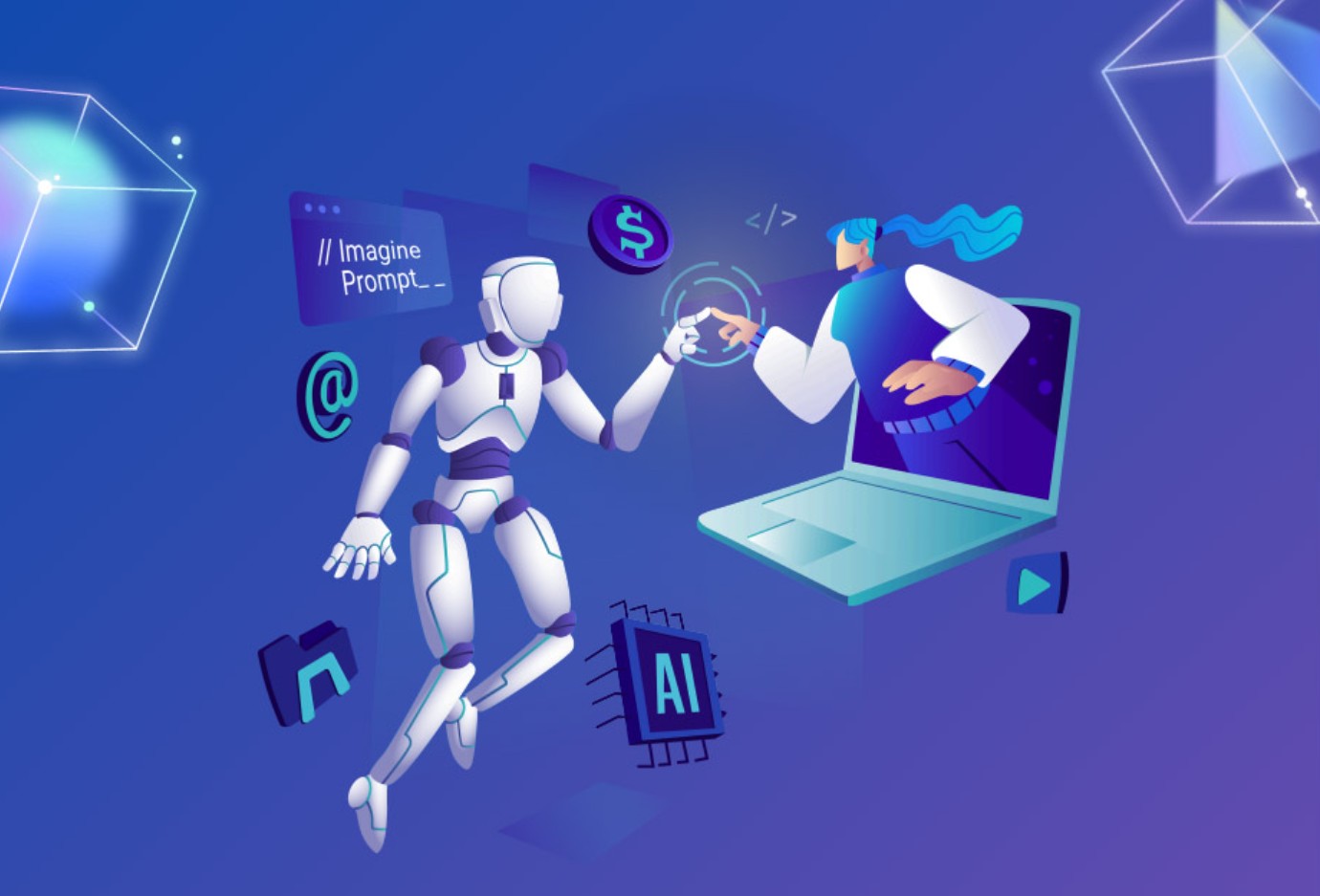
The future should not be a battle between humans and machines, but a symbiosis between two intelligent entities. AI can handle massive workloads, while humans guide its goals. When the two combine, the efficiency achieved will far surpass previous limits.
Businesses need to change their perspective on labor, viewing AI not as a way to cut staff, but as a way to enhance workforce capabilities. Schools need to integrate AI into their curricula so that students understand and master the technology, rather than being controlled by it.
The ideal future is one where humans and AI work together toward a common goal: improving the quality of life, expanding knowledge, and achieving sustainable development. It's a world where technology serves humanity, not defines humanity.
We are no longer people who "work for technology," but people who work with technology. The true power of the future lies not in AI alone, but in the combination of artificial intelligence and human intelligence, logic and emotion, speed and meaning.



















VIP Products






Best Selling Products
Upgrade Duolingo Super
29 USD
Adobe Premiere Pro Account
99 USD
Copyright Adobe Lightroom Account
59 USD
Upgrade Genuine Office 365
49 USD
Genuine Adobe Illustrator account
99 USD
Adobe Photoshop Copyright - Full App
120 USD
Freepik Premium Account
59 USD
Upgrade genuine Capture One account
120 USD
MidJourney Account
29 USD
Windows 10 & 11 Pro Key
36 USD
ChatGPT Plus Account (GPT-4)
16 USD
Plugin Retouch4me
69 USD
Genuine Cheap Canva Pro
39 USD
Autodesk All App Account Copyright
120 USD
Capcut Pro 1 Year
39 USD