Best Selling Products
Upgrade Duolingo Super
29 USD
Capcut Pro 1 Year
39 USD
Plugin Retouch4me
69 USD
Genuine Cheap Canva Pro
39 USD
Adobe Premiere Pro Account
99 USD
Upgrade Genuine Office 365
49 USD
Upgrade genuine Capture One account
120 USD

MidJourney Account
29 USD

ChatGPT Plus Account (GPT-4)
16 USD

Freepik Premium Account
59 USD
Adobe Photoshop Copyright - Full App
120 USD
Autodesk All App Account Copyright
120 USD

Genuine Adobe Illustrator account
99 USD
Windows 10 & 11 Pro Key
36 USD
Copyright Adobe Lightroom Account
59 USD
Kling AI for startups: A cost-effective, professional video creation solution.
Nội dung
- 1. What is Kling AI? Why should startups care?
- 2. Key benefits of Kling AI for startup businesses
- Saving on content production costs.
- Shorten campaign deployment time.
- Enhance the creativity of small teams.
- 3. What startup activities can Kling AI be applied to?
- Create product promotional videos.
- Producing videos for TikTok, Reels, and Shorts.
- Create a brand introduction video.
- Illustrate the concept for a new product or service.
- 4. Kling AI User Guide for Startup Businesses
- Step 1: Define your video goals.
- Step 2: Prepare ideas and reference images.
- Step 3: Write a specific prompt.
- Step 4: Create the video and evaluate the results.
- Step 5: Edit and finalize the video
- Step 6: Publish and measure effectiveness
- 6. Tips for optimizing Kling AI for better performance
- 7. Should Kling AI be used for startup businesses?
- 8. Conclusion
During the startup phase, building brand image and reaching customers is always a major challenge for many businesses. Marketing budgets are limited, staff are small, but the need for content production is constantly growing. Video, in particular, is becoming a popular form of communication due to its ability to convey messages vividly, visually, and easily attract viewers. This is also why Kling AI for startups is receiving attention from many business and marketing professionals. With its ability to create videos using artificial intelligence from text or images, this tool opens up a new approach for businesses wanting to develop creative content without investing heavily in filming and editing equipment. So what makes Kling AI stand out, how does it support startups, and how can you effectively utilize this tool? Let''s explore the details in the article below.
1. What is Kling AI? Why should startups care?
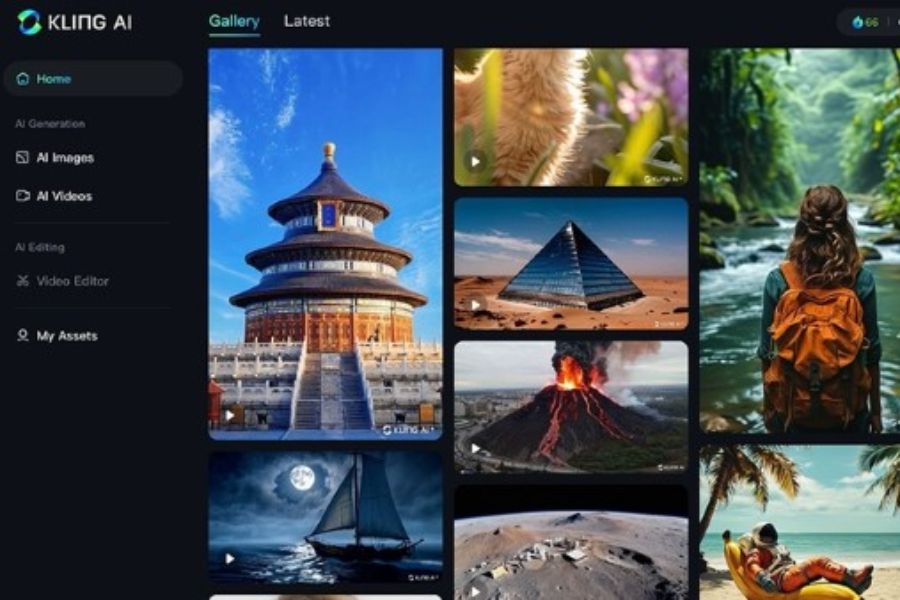
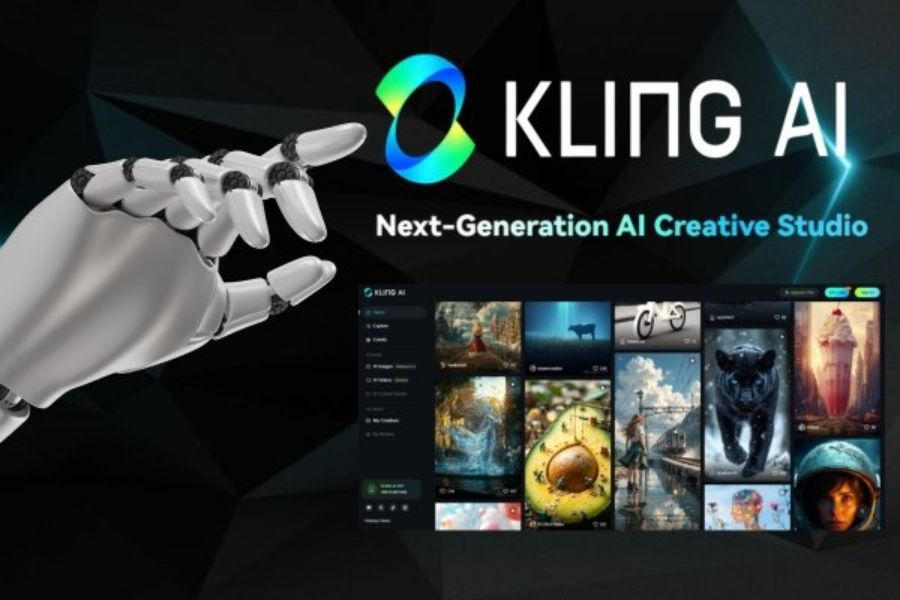
Kling AI is an artificial intelligence tool that helps create videos from text and image input. Instead of having to prepare cameras, sets, actors, and a post-production team, users can describe their ideas and the AI will create videos according to their requirements. For startups, this is a noteworthy approach when needing to quickly build promotional content, test various ideas, and optimize resources in the early stages of business.
Some of Kling AI's key features for startups include:
-
Create videos from ideas: Transform descriptions in natural language into videos for communication and promotion.
-
Leverage existing imagery: Use product photos, illustrations, or reference images to develop animated content.
-
Supporting content creation: Experiment with different visual styles, settings, and storytelling approaches.
-
Streamlining the production process: Reducing some traditional preparation and filming steps.
-
Suitable for multiple media channels: Create materials for advertising, social media, websites, or brand introduction content.
2. Key benefits of Kling AI for startup businesses
For a newly established business, every expense needs careful consideration. Hiring a professional video production company can deliver high-quality results, but it's not always within the initial budget. Kling AI offers businesses an additional option to experiment with more flexible content creation, especially when needing to produce multiple video versions in a short timeframe.
Saving on content production costs.
A traditional advertising video can require significant investment in areas such as location rental, staffing, equipment, lighting, and post-production. Using Kling AI, startups can create a prototype video from existing ideas or images, thereby reducing the need for professional filming and editing for certain types of content.
-
Minimize the cost of preparing the setting for concept videos.
-
Create a prototype to evaluate the content before investing in official production.
-
Leverage internal staff to brainstorm ideas, write descriptions, and review videos.
-
Allocate budgets more effectively between creative work, advertising, and customer service.
The actual savings depend on the number of videos, the complexity of the request, the package used, and the editing time. Therefore, businesses should evaluate the total cost instead of assuming that AI video is always cheaper than any traditional option.
Shorten campaign deployment time.
In a competitive business environment, the speed of idea testing can create a significant advantage. Instead of waiting for the entire filming process to be completed, marketing teams can use Kling AI to create drafts, review the message, and adjust the direction before launching the campaign.
-
Quickly develop video ideas from the initial description.
-
Experiment with different ways of conveying the same message.
-
Create sample content to share with the sales team or partners.
-
Flexibly adjust the scenario as products, promotions, or customer needs change.
However, video creation time also depends on the complexity of the request, processing time, and the number of revisions. A clear review process will help startups avoid wasting too much time on unnecessary video creations.
Enhance the creativity of small teams.
Not every startup has staff specializing in filming, editing, or motion design. Kling AI helps teams with limited video production experience access a more visual approach, as long as they define their goals and communicate their ideas clearly enough.
-
Transform difficult-to-film ideas into illustrative videos.
-
Experiment with different image styles for the same product.
-
Develop storytelling content to increase brand recall.
-
Create a template to unify ideas between marketing, design, and business.
3. What startup activities can Kling AI be applied to?
Each startup has different product characteristics, target customer base, and growth goals. Therefore, instead of using Kling AI for every type of content, businesses should choose categories where they can leverage the strengths of AI video. Below are some common application scenarios that businesses can consider.
Create product promotional videos.
Advertising videos need to highlight the benefits, visuals, and unique selling points of a product. With Kling AI, startups can experiment with illustrative settings, motion effects, or storytelling techniques to create more engaging content. For example, an accessories brand might develop a video concept featuring a bag in a modern city setting, while a home appliance startup could create a video simulating the product in a comfortable living space.
When implementing this, businesses should pay attention to the following:
-
Identify a key benefit to convey in each video.
-
Use appropriate reference images to guide the product's appearance.
-
Carefully check the color, style, and important details.
-
Add information about prices, offers, and calls to action using the editing tool as needed.
AI-powered videos are suitable for illustrating advertising ideas, but they shouldn't mislead customers about the actual size, features, or quality of the product.
Producing videos for TikTok, Reels, and Shorts.
Short-form video platforms are a popular channel for reaching potential customers among startups. Kling AI can assist in creating animated video clips for storytelling, idea presentation, or brand building.
-
Develop an opening video that captures attention in the first few seconds.
-
Create visual illustrations for common customer problems.
-
Create a series of content with a consistent visual style.
-
Combine AI video with appropriate dialogue, subtitles, and background music.
To increase effectiveness, startups should prioritize videos with a clear message rather than focusing solely on eye-catching effects. Content needs to be relevant to user viewing habits on each platform and have specific goals such as increasing awareness, traffic, or conversions.
Create a brand introduction video.
In the early stages of a startup's launch, they often need to explain who they are, what solutions they offer, and why customers should care. A brand introduction video makes this information more visual and easier to follow. Kling AI can help create visual illustrations for the customer journey, the company vision, or the context of service usage. The team can then combine the video with narration, logo, brand message, and contact information to complete the content. A brand introduction video should focus on the following elements:
-
The problem the customer is facing.
-
The solution that the business provides.
-
The unique value proposition of a product or service.
-
The message helps customers understand and remember the brand.
For content that needs to build a high level of trust, such as introducing the founding team or outlining actual operational processes, businesses should incorporate real images instead of relying entirely on AI-generated imagery.
Illustrate the concept for a new product or service.
Not every business idea has a ready-made product to shoot a video with. In the case of prototype development, startups can use Kling AI to visualize the usage scenario, present their idea, or create an initial illustration for partners.
This method can be useful when businesses need to present a concept, test storytelling, or gather preliminary feedback from potential customers. However, the demonstration video should be clearly labeled as a simulation if the actual product is not yet complete, to avoid confusing viewers with the existing concept and features.
4. Kling AI User Guide for Startup Businesses
To effectively leverage Kling AI, businesses shouldn't start by creating videos immediately. A clear process will help minimize unsatisfactory creations, save time, and keep content aligned with business goals.
Step 1: Define your video goals.
Before creating content, determine whether the video will be used to advertise products, introduce the brand, increase engagement, or support sales. Each objective will require a different approach.
For example, advertising videos need to highlight benefits and calls to action, while brand awareness videos can focus on visuals, emotions, and storytelling.
Step 2: Prepare ideas and reference images.
Businesses should prepare product descriptions, reference images, brand colors, and desired backgrounds. If maintaining product consistency is necessary, prioritize clear images, easily recognizable angles, and minimize unnecessary details.
Thorough input preparation provides the AI with a solid foundation for accurate direction and makes it easier for the team to evaluate the results.
Step 3: Write a specific prompt.
The prompt is the description of the request for AI to create content. An effective prompt should clearly present the subject, action, context, camera movement, lighting, and visual style.
Startups can refer to the following structure:
-
Subject: The product or main character in the video.
-
Action: The movement or activity to be depicted.
-
Setting: The location where the scene takes place.
-
Camera angles: Close-up, wide shot, panning, or moving closer.
-
Lighting and style: Natural light, minimalist style, or modern advertising.
-
Additional requirements: Aspect ratio, motion level, and details need to be kept stable if supported by the tool.
Example prompt: “Create a promotional video for a white thermos placed on a minimalist desk, with morning light streaming through the window. The camera moves slowly from wide shots to close-ups, the style is modern, sophisticated, with natural movement, focusing on the product's shape and surface.”
The clearer the prompt, the easier it is for businesses to track the results. However, AI can still generate inaccurate details, so the video needs to be checked after completion.
Step 4: Create the video and evaluate the results.
After preparing the prompt, use the appropriate video creation function in Kling AI. Depending on the interface and package used, options for duration, aspect ratio, input images, or video creation mode may vary.
When reviewing the results, startups should check:
-
Does the subject match the original idea?
-
Is the movement natural and seamless?
-
Will the product's shape and color be altered?
-
Does the video meet the intended upload format?
If the results are unsatisfactory, adjust individual parts of the prompt instead of changing the entire description at once. This makes it easier for businesses to identify which factors are affecting output quality.
Step 5: Edit and finalize the video
AI-generated videos often require further processing before official use. Startups can use editing software to cut, splice, add logos, subtitles, voiceovers, audio, and contact information. At this stage, ensure the content displays clearly on mobile devices, the text is easy to read, and the message is not obscured. For promotional videos, include a suitable call to action such as learning more, visiting the website, or viewing product information.
Step 6: Publish and measure effectiveness
Once completed, businesses can upload the video to appropriate channels and monitor viewer feedback. Success shouldn't be judged solely on view counts, as the goals of each campaign may differ.
The indicators to monitor include:
-
Average views and watch time.
-
The percentage of viewers who continue watching the video.
-
Interactions, shares, and comments.
-
Website or product page visits.
-
Number of potential customers and orders generated.
5. Things to note when using Kling AI for startup businesses
Kling AI offers many creative opportunities, but applying AI to business operations still requires proper control processes. A visually appealing video doesn't necessarily convey accurate information, and content with many views doesn't necessarily generate revenue. Startups need to balance creativity, credibility, and commercial goals.
Some important points to note include:
-
Verify accuracy: Compare the AI-generated images with the actual product, especially details that influence purchasing decisions.
-
Maintain brand identity: Use consistent colors, messaging, and visual style across all content.
-
Cost control: Monitor video creation limits, package costs, and the number of re-creations to avoid exceeding your budget.
-
Copyright notice: Only use images, sounds, logos, and materials that the business has the right to exploit; check the commercial terms of use of the tool.
-
Data protection: Do not upload internal documents, customer information, or confidential data without first evaluating the appropriate data processing policy.
-
Transparency with viewers: Do not use AI videos to misrepresent the features, usage results, or real-world experience of a product.
6. Tips for optimizing Kling AI for better performance
For Kling AI to truly become a work tool, startups need to build a systematic approach to its use instead of creating videos on a whim. A few small adjustments to the process can help the team reduce testing time and improve content consistency.
-
Start with short videos: Focus on a single key message before developing longer, more complex content.
-
Save effective prompts: Create a description library categorized by product type, visual style, and marketing goals.
-
Controlled experiment: Changing a few factors in each version to make it easier to compare results.
-
Combine AI with real-world evidence: Use product photos, valid testimonials, or team images to increase credibility when needed.
-
Create a content schedule: Plan weekly production and posting schedules to maintain brand presence.
-
Data-driven evaluation: Prioritize formats that deliver quality interactions, leads, or actual revenue.
Most importantly, view Kling AI as a tool to support your creative team, not an automated solution guaranteeing success. Understanding your customers, choosing the right message, and analyzing its effectiveness remain crucial factors in campaign quality.
7. Should Kling AI be used for startup businesses?
Kling AI is a worthwhile option for startups that frequently need video content but lack the resources to maintain a professional production process. The tool can assist in creating prototypes, illustrating ideas, developing social media content, and experimenting with various media approaches. However, its suitability depends on the specific business characteristics of each company. Startups should consider their goals, budget, output quality, and content control capabilities before deciding on long-term use.
Kling AI is particularly suitable when:
-
Businesses need to quickly test many video ideas.
-
The marketing team has few members but needs to produce content regularly.
-
The product is suitable for visual and creative advertising.
-
Businesses want to create a demo video before investing in a major campaign.
Conversely, videos that require absolute accuracy, document actual processes, or showcase authentic customer experiences may still need traditional filming or a combination of production methods.

8. Conclusion
Kling AI opens up a flexible approach to video production and marketing content development for startups. From product advertising and brand building to short video creation, this tool helps businesses visually test ideas without necessarily starting with a complex filming and editing process. To be effective, startups need to clearly define their goals, prepare appropriate prompts, check the quality of the output, and measure results after posting. When combined with marketing thinking, customer data, and a rigorous review process, Kling AI can become a valuable assistant, helping businesses save resources, enhance creativity, and gradually build a competitive advantage in the market.









VIP Products

Best Selling Products
Upgrade Duolingo Super
29 USD
Capcut Pro 1 Year
39 USD
Plugin Retouch4me
69 USD
Genuine Cheap Canva Pro
39 USD
Adobe Premiere Pro Account
99 USD
Upgrade Genuine Office 365
49 USD
Upgrade genuine Capture One account
120 USD
MidJourney Account
29 USD
ChatGPT Plus Account (GPT-4)
16 USD
Freepik Premium Account
59 USD
Adobe Photoshop Copyright - Full App
120 USD
Autodesk All App Account Copyright
120 USD
Genuine Adobe Illustrator account
99 USD
Windows 10 & 11 Pro Key
36 USD
Copyright Adobe Lightroom Account
59 USD