Best Selling Products
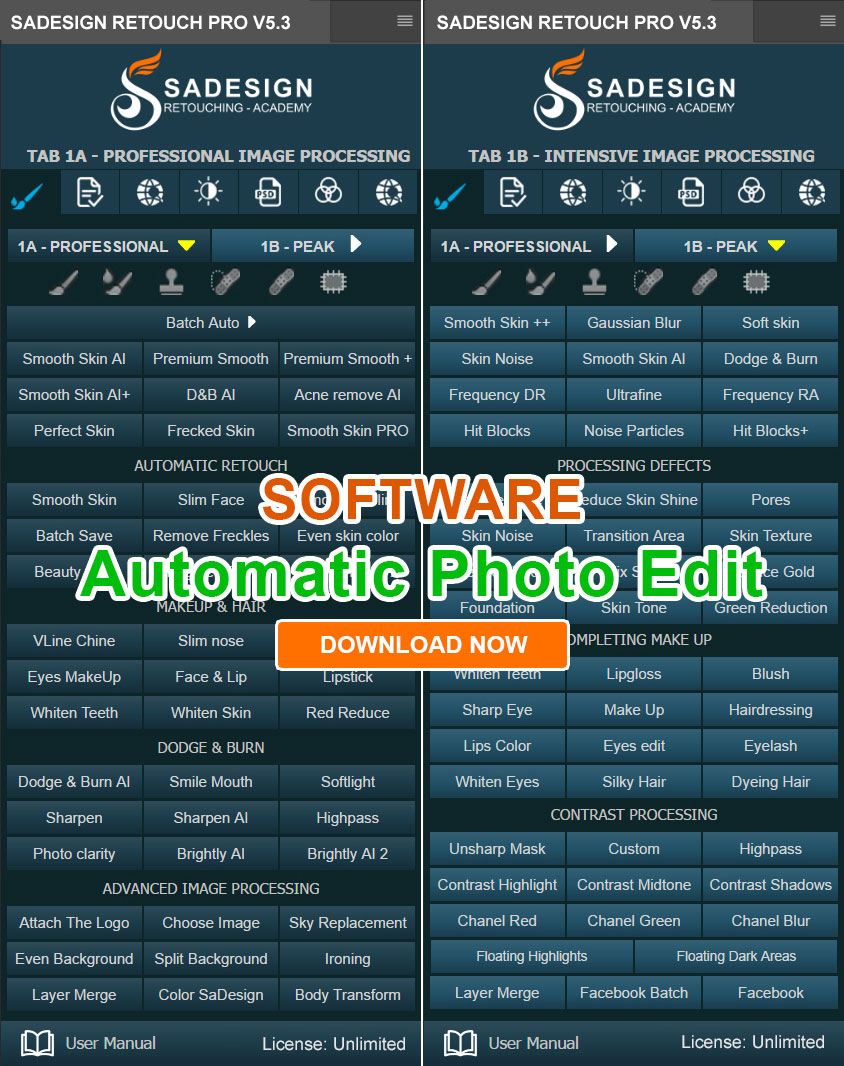
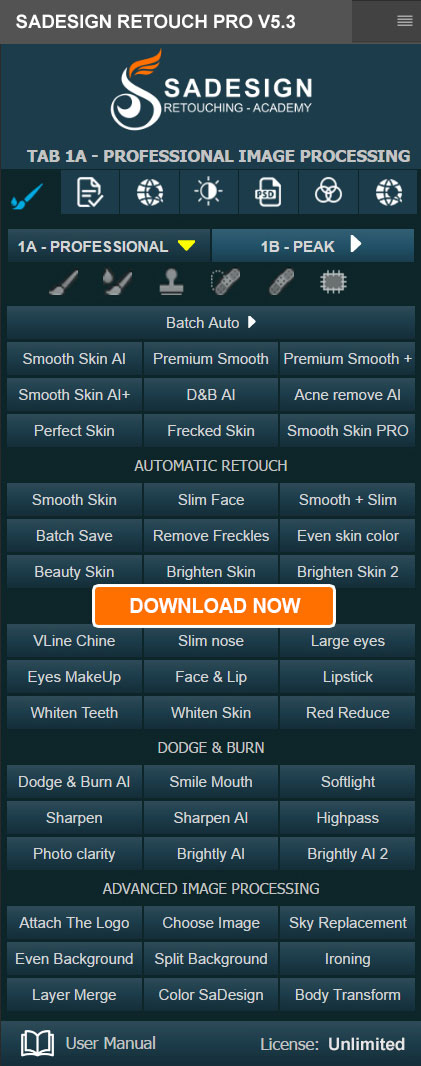
Plugin Retouch4me
69 USD
Adobe Photoshop Copyright - Full App
120 USD
Capcut Pro 1 Year
39 USD
Adobe Premiere Pro Account
99 USD

Upgrade Duolingo Super
29 USD
Copyright Adobe Lightroom Account
59 USD
Genuine Adobe Illustrator account
99 USD
Windows 10 & 11 Pro Key
36 USD
Upgrade genuine Capture One account
120 USD
Genuine Cheap Canva Pro
39 USD
Upgrade Genuine Office 365
49 USD

Freepik Premium Account
59 USD

ChatGPT Plus Account (GPT-4)
16 USD

MidJourney Account
29 USD
Autodesk All App Account Copyright
120 USD
RAM Prices Continue to Surge in 2026: The Hardware Nightmare Shows No Signs of Ending
Nội dung
The computer component market is once again being shaken as RAM prices continue to rise sharply in 2026. Individual users and gamers are facing increasingly expensive upgrade costs. Is this merely a temporary fluctuation or the beginning of a new pricing cycle?
1. PC and Laptop Users Continue Receiving “Shocking” News About Component Prices in 2026
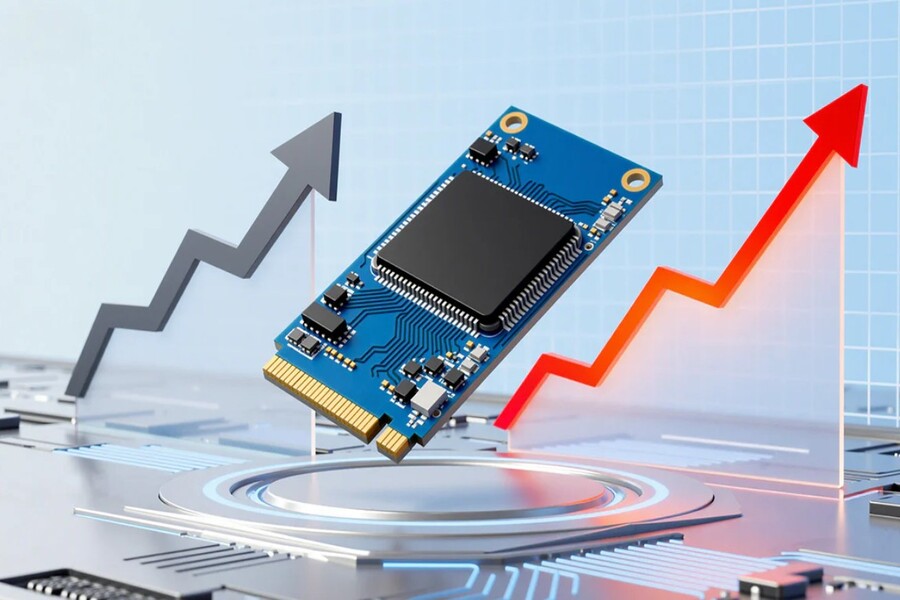
The computer component market has always fluctuated in cycles, but 2026 is showing an unusual trend. Instead of minor ups and downs around a stable level, component prices—particularly memory products—are rising at an alarming rate. For PC and laptop users, this is not just bad news; it is a genuine shock.
Market analysts have warned about an “unprecedented” wave of price increases. Initial forecasts were once considered overly pessimistic, but real-world data is proving otherwise. RAM and SSD prices are rising month by month, and in some cases week by week, making system upgrades more difficult than ever.
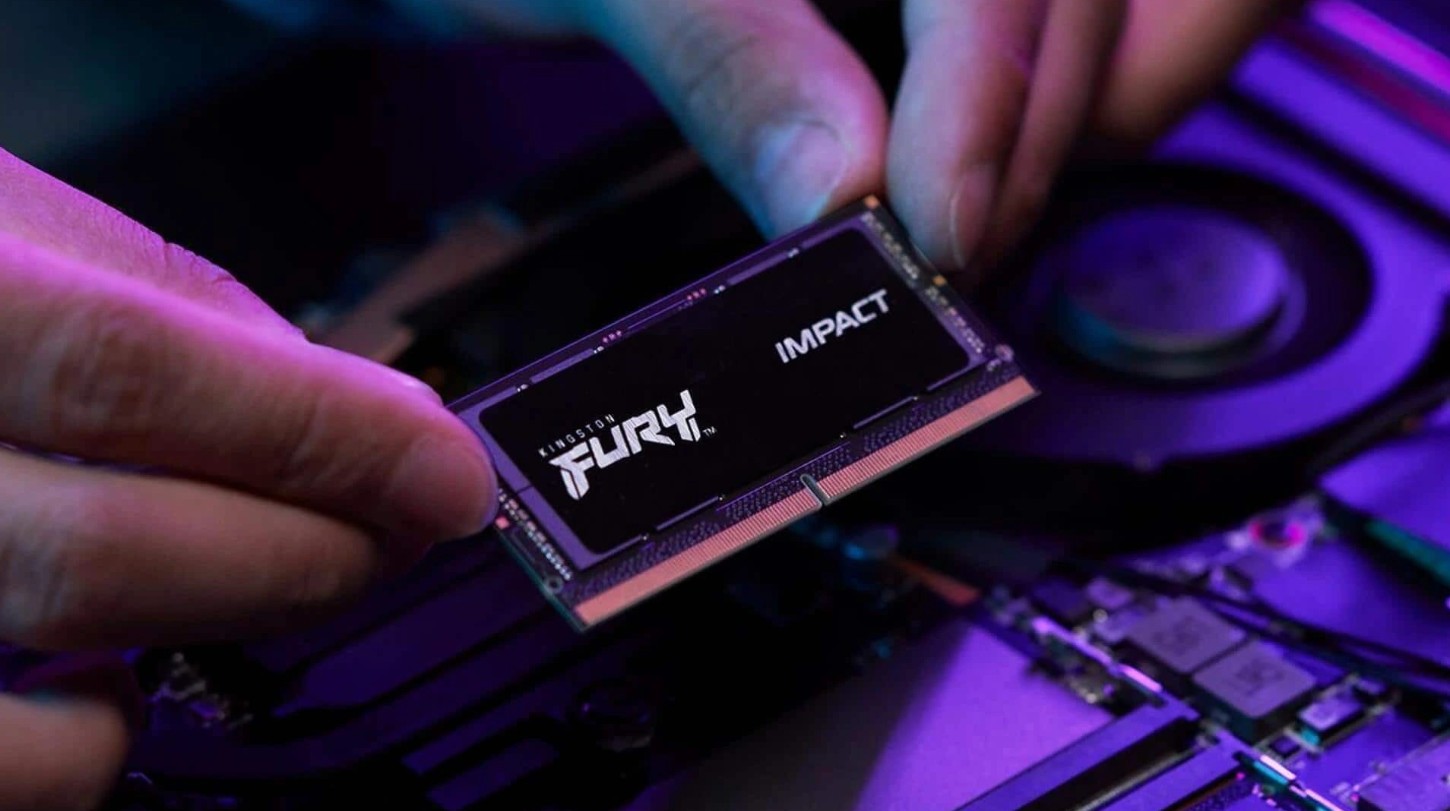
Users planning to upgrade RAM or replace SSDs can clearly feel the change. Familiar components such as DDR4 RAM, DDR5 RAM, and NVMe SSDs are now listed at significantly higher prices compared to just a few months ago. More concerning is that the upward trend shows no signs of slowing down, leaving the market in a state of instability.
Consumer sentiment is also changing noticeably. In the past, users typically weighed performance against budget. Today, the more common question is, “Should I upgrade right now?” This demonstrates that component prices have reached a level that creates psychological pressure, causing users to postpone upgrade plans and extend the lifespan of their devices.
2. The RAM Price Shock Revealed by “Telling” Numbers
Any hope for a stable component market in 2026 was shattered by the latest report from Counterpoint Research. According to published data, RAM prices in Q1 2026 increased by 80% to 90% compared to the previous quarter. This is an unprecedented increase in the history of the memory market, breaking all previous records..jpg)
An 8GB DDR4 laptop RAM module, which had already increased by approximately 35% at the end of 2025, surged by more than 90% during the first three months of 2026 alone. This effectively means that real-world prices nearly doubled within an extremely short period. For individual users, this represents a major shock, especially considering that RAM is a basic and widely used component.
Not only RAM, but NAND memory chips—the primary component of SSDs—have also experienced increases of up to 100%. This has driven SSD prices significantly higher, making storage upgrades more expensive than ever before. PC gamers, content creators, programmers, and software engineers are among the groups most noticeably affected, as they often require large amounts of RAM and SSD storage to work efficiently.
The price storm is no longer confined to reports; it has spread throughout the actual market. PowerGPU, one of the leading gaming PC builders in the United States, has announced price increases across its entire system lineup due to soaring component costs. This demonstrates that when RAM and SSD prices rise, the entire chain—from individual components to finished products—is affected.
3. The Causes Behind the Memory Price Storm
One of the biggest causes of the price increase is the widespread shortage of memory chips. In previous periods, manufacturers reduced production to control inventory levels, but a sudden surge in demand has left supply unable to keep up. When supply cannot meet demand, price increases become inevitable.
However, a deeper cause lies in the shifting priorities of the semiconductor industry. High Bandwidth Memory (HBM) has become the most profitable segment. Manufacturers are allocating resources, production lines, and capacity toward HBM, reducing the supply of traditional RAM for the PC market.
.jpg)
The AI boom is consuming enormous amounts of memory. AI training systems require extremely high bandwidth and large capacities, making HBM a top priority. In this competition for resources, the traditional PC market has effectively been “left behind.”
In addition, rising production costs, fluctuations in raw material prices, and supply chains that have not fully recovered are also contributing to higher memory prices. When multiple factors converge simultaneously, the market enters a state of severe imbalance.
4. The PC Industry Is Forced to Adapt
Facing mounting cost pressures, laptop and PC manufacturers are looking for ways to adjust their strategies while maintaining competitive pricing. One of the most noticeable changes is the possible return of laptops equipped with only 8GB of RAM.
This represents a step backward in specifications, but it is a practical solution in an environment where RAM prices are extremely high. If manufacturers continue offering higher specifications, product prices may exceed what most users can afford, negatively impacting sales.
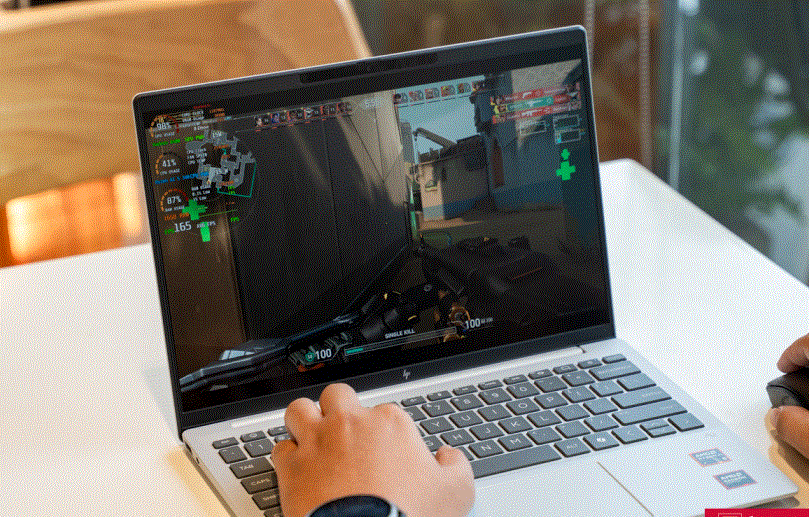
Another idea currently being discussed is the “Bring Your Own RAM” model, where users purchase laptops without memory modules and reuse their existing RAM. If this model becomes reality, it would mark a significant change in product design and highlight the seriousness of the memory crisis.
In addition, manufacturers may optimize software to reduce dependence on RAM, improve memory management, and increase resource efficiency. However, these are only temporary measures and cannot replace hardware improvements in the long term.
5. Impact on Users and the Technology Market
Rising hardware costs are making it increasingly difficult to own powerful systems. Many users are delaying upgrades, extending the lifespan of their devices, and changing their purchasing habits. This could slow the upgrade cycle of the PC market.
As users upgrade less frequently, hardware sales may be affected. However, on the other hand, cloud computing services, streaming platforms, and virtual machines could benefit as users shift from owning hardware to renting computing resources.
The memory market in 2026 is experiencing one of the most volatile periods in its history. RAM and SSD prices are rising rapidly, supply is tightening, and semiconductor industry priorities are shifting toward AI. As a result, powerful hardware is becoming more luxurious than ever before.
For users, this is a time to think carefully before upgrading. Under current conditions, owning a high-performance system with large memory capacity is gradually becoming a true luxury item. And one major question remains unanswered: how long will this price storm last, and when will the market finally regain its balance?














VIP Products

Best Selling Products
Plugin Retouch4me
69 USD
Adobe Photoshop Copyright - Full App
120 USD
Capcut Pro 1 Year
39 USD
Adobe Premiere Pro Account
99 USD
Upgrade Duolingo Super
29 USD
Copyright Adobe Lightroom Account
59 USD
Genuine Adobe Illustrator account
99 USD
Windows 10 & 11 Pro Key
36 USD
Upgrade genuine Capture One account
120 USD
Genuine Cheap Canva Pro
39 USD
Upgrade Genuine Office 365
49 USD
Freepik Premium Account
59 USD
ChatGPT Plus Account (GPT-4)
16 USD
MidJourney Account
29 USD
Autodesk All App Account Copyright
120 USD