Best Selling Products

Freepik Premium Account
59 USD
Adobe Premiere Pro Account
99 USD
Windows 10 & 11 Pro Key
36 USD

ChatGPT Plus Account (GPT-4)
16 USD
Autodesk All App Account Copyright
120 USD

MidJourney Account
29 USD
Capcut Pro 1 Year
39 USD
Genuine Cheap Canva Pro
39 USD
Genuine Adobe Illustrator account
99 USD
Copyright Adobe Lightroom Account
59 USD
Upgrade Duolingo Super
29 USD
Plugin Retouch4me
69 USD
Upgrade Genuine Office 365
49 USD
Adobe Photoshop Copyright - Full App
120 USD
Upgrade genuine Capture One account
120 USD
Shocking Revelation: 3 Older Android Devices That Are Still More Powerful and Worth Buying Than New Ones
Nội dung
Not every Android device is worth buying brand new, especially when some premium models continue to deliver powerful performance even after many years.
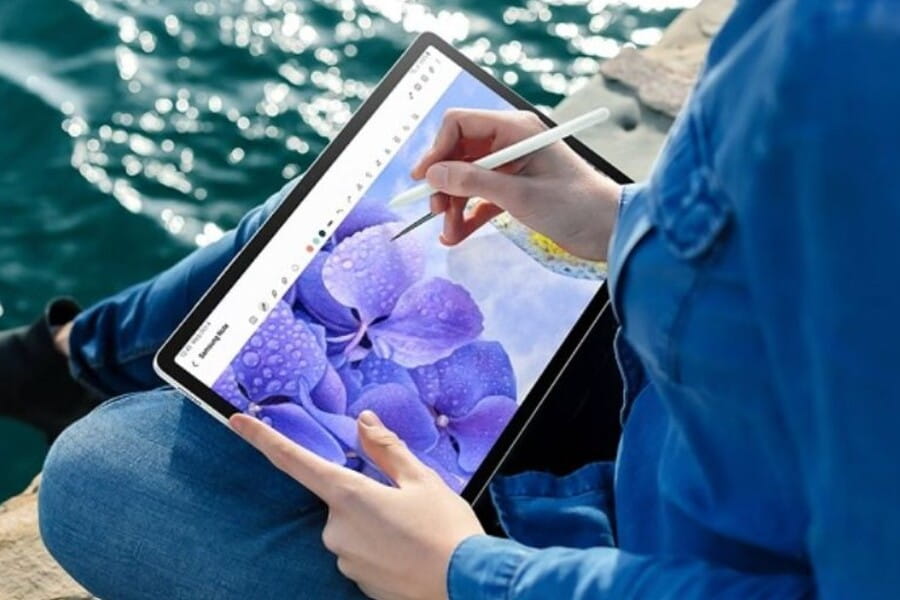
1. Premium Android Tablets
For many years, Android tablets were often undervalued due to an under-optimized app ecosystem and performance that was not particularly impressive. However, the arrival of flagship models such as Samsung Galaxy Tab S9 Ultra and Samsung Galaxy Tab S8 Ultra completely changed the game.
These devices feature large displays with high refresh rates, sharp resolutions, and impressive color reproduction. Beyond entertainment, they are also designed for professional users with stylus support, detachable keyboards, and powerful multitasking capabilities. With premium specifications, modern Android tablets can completely replace laptops in many situations.
However, what causes many people to hesitate when buying new is the price. A flagship tablet can cost nearly as much as, or even the same as, a lightweight laptop. This is a substantial investment, especially if your needs are limited to basic tasks such as watching movies, reading documents, or performing light work.
%20(1).jpg)
This is where the used market demonstrates its advantage. Refurbished or pre-owned versions of these devices are often significantly cheaper, while the actual user experience remains almost unchanged. The reason is that their performance is still “more than enough” for current needs, while the upgrades between generations are often not substantial enough to create a noticeable difference.
In addition, tablets generally experience less wear and tear than smartphones. They are typically used in stable environments, subjected to fewer impacts, and do not endure the same battery strain as phones. This extends their practical lifespan, making the decision to buy used more sensible than ever.
2. Android Boxes and Streaming Devices
In the world of home entertainment, Android Boxes and streaming devices play an increasingly important role. They transform an ordinary television into a smart entertainment hub, allowing users to access online content platforms, play games, or even operate personal media systems.
One of the most notable names in this segment is the Nvidia Shield TV. Although it was launched several years ago, it is still considered the “gold standard” thanks to its powerful performance and long-term support. Equipped with a processor based on an architecture similar to gaming consoles, it can smoothly handle 4K content, HDR, and many other demanding tasks.
%20(1).jpg)
What makes devices like this special is that they rarely become obsolete quickly. Unlike smartphones, where factors such as cameras and design evolve constantly, Android Boxes focus primarily on performance and content processing capabilities. Once they are sufficiently powerful, they can maintain their value for a long time.
Furthermore, the way streaming devices are typically used helps preserve their condition. Most of the time, they remain stationary next to a television and are exposed to minimal physical impact. Since they have no built-in batteries and are not frequently dropped or damaged, the risks associated with buying used are significantly lower.
Meanwhile, many inexpensive new streaming devices reduce hardware specifications to lower costs. As a result, the user experience can be unstable, prone to lag, and lacking premium features. When compared directly, an older high-end device often delivers far greater value.
3. Smart Home Hubs
The growth of smart homes has created an entirely new market where devices can connect and interact with one another to provide a more convenient living experience. Within this ecosystem, control hubs serve as the central component, connecting and managing devices such as lights, cameras, sensors, and motorized curtains.
However, this market also presents an interesting paradox. Many high-quality hubs have been discontinued or are no longer widely available, despite continuing to perform exceptionally well. A typical example is the Samsung SmartThings Hub V3, a device once praised for its compatibility and reliability.
%20(1).jpg)
As the supply of new units decreases, users are often forced to turn to the second-hand market. Interestingly, these devices are frequently priced far below the value they provide. With a relatively small investment, you can own a powerful control center for an entire smart home system.
In addition, devices such as Google Nest Hub and Amazon Echo Show 8 are also worth considering when purchased used. They not only function as control centers but also provide visual interfaces through integrated displays, making system management much easier.
However, when purchasing these devices, the most important factor is long-term compatibility. Protocols such as Matter, Zigbee, and Z-Wave play a critical role in ensuring that devices continue to function reliably in the future. A smart choice not only saves money but also helps avoid potential complications later on.
4. Why Are These Three Types of Devices Particularly Suitable for Buying Used?
Not every technology product is well suited for the second-hand market. However, the three categories mentioned above share several characteristics that make them ideal choices.
First is their long technology lifecycle. Unlike smartphones, where improvements occur rapidly, premium tablets, Android Boxes, and smart home hubs generally do not change dramatically from one generation to the next. As a result, older versions retain a high level of practical value.
Second is their low wear-and-tear rate. These devices are less exposed to physical damage and often lack components that deteriorate quickly, such as heavily stressed batteries. Consequently, their real-world condition tends to remain excellent even after years of use.
Third is their surplus performance. Premium products are usually equipped with specifications that exceed average user requirements. When they enter the used market, they still possess more than enough power to handle modern tasks effectively.
Finally, there is the significant price gap between new and used products. This is perhaps the most important factor and creates a clear advantage for buyers. With the same budget, you can often purchase a high-end used device instead of a lower-tier new product.
%20(1).jpg)
5. Important Considerations When Buying Used Android Devices
Although buying used devices offers many benefits, it also comes with certain risks. To make the right choice, users should equip themselves with some basic knowledge.
First, check the product’s origin. It is best to prioritize reputable retailers or platforms that provide clear warranty policies. This helps minimize risks related to hidden defects or replacement components.
Next, inspect the device’s operating condition. For tablets, pay close attention to the display, battery health, and overall performance. For Android Boxes and hubs, ensure the device operates reliably and does not suffer from connectivity or software issues.
Software support is also an important consideration. Even a powerful device can encounter security or compatibility issues if it no longer receives updates. Therefore, it is wise to research the manufacturer’s support policy beforehand.
Finally, consider your actual needs. A premium device is not always the best choice. A product that aligns with your requirements will provide far greater value than a powerful device whose capabilities far exceed what you actually need.
.jpg)
In a technology landscape that is constantly evolving, chasing the newest products is not always the most optimal choice. Sometimes, the real value lies in used devices that still have plenty of potential remaining.
The three Android device categories discussed in this article are clear examples of this principle. When selected carefully, they can not only save you money but also provide a superior user experience compared to many new products.
More importantly, buying used devices helps reduce electronic waste and supports a more sustainable lifestyle. This is an indirect benefit, but one that is becoming increasingly important to many people.











VIP Products
Best Selling Products
Freepik Premium Account
59 USD
Adobe Premiere Pro Account
99 USD
Windows 10 & 11 Pro Key
36 USD
ChatGPT Plus Account (GPT-4)
16 USD
Autodesk All App Account Copyright
120 USD
MidJourney Account
29 USD
Capcut Pro 1 Year
39 USD
Genuine Cheap Canva Pro
39 USD
Genuine Adobe Illustrator account
99 USD
Copyright Adobe Lightroom Account
59 USD
Upgrade Duolingo Super
29 USD
Plugin Retouch4me
69 USD
Upgrade Genuine Office 365
49 USD
Adobe Photoshop Copyright - Full App
120 USD
Upgrade genuine Capture One account
120 USD