
Best Selling Products

Copyright Adobe Lightroom Account
59 USD
Adobe Photoshop Copyright - Full App
120 USD

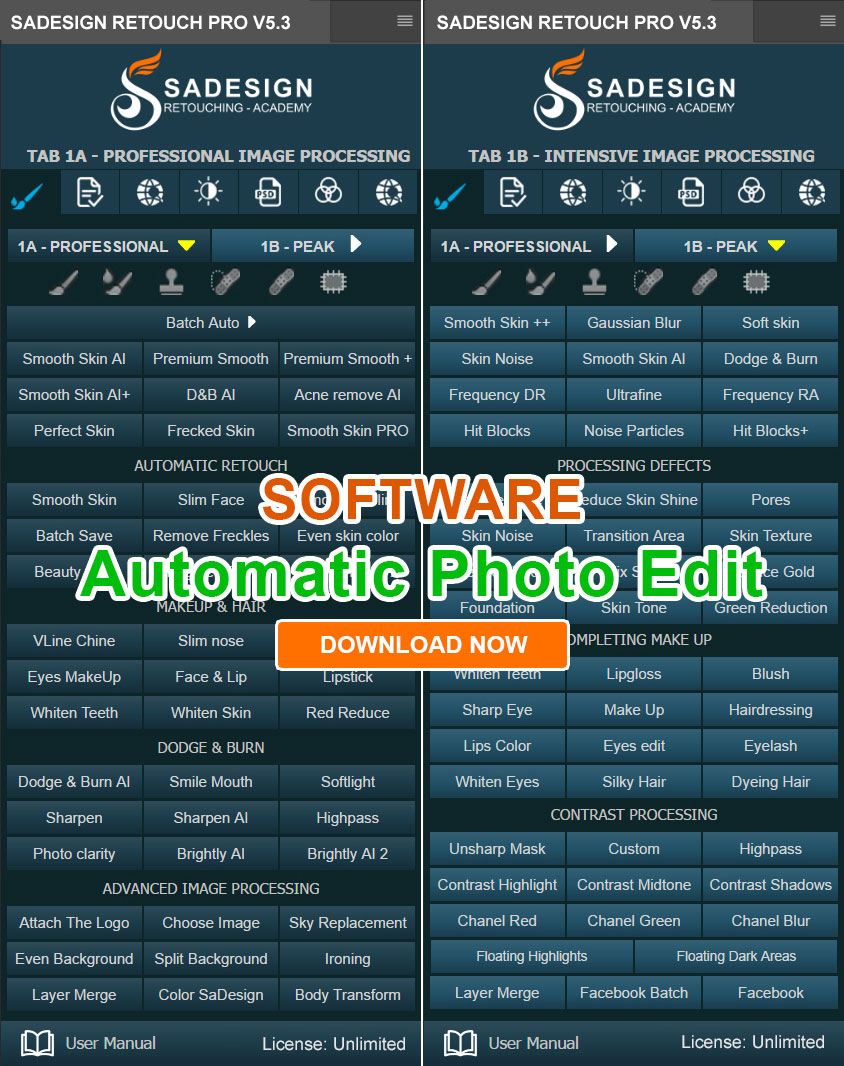
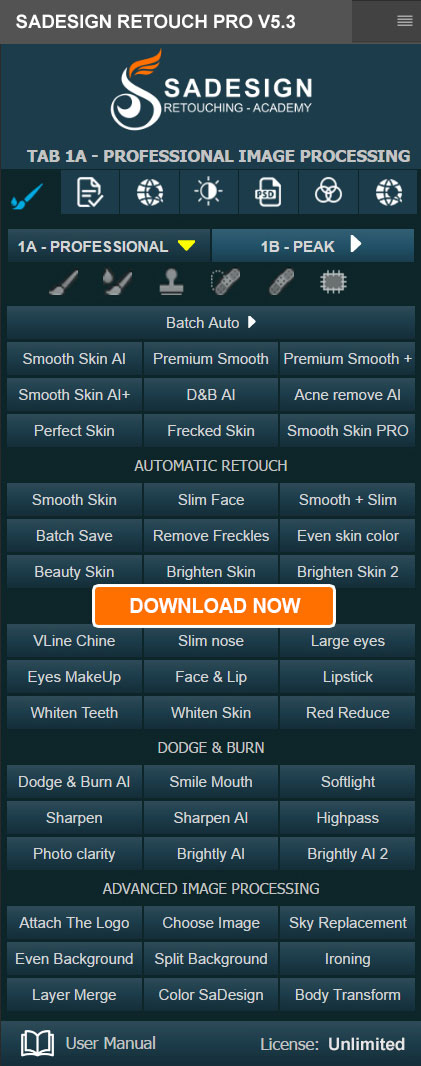
Plugin Retouch4me
69 USD

MidJourney Account
29 USD

Upgrade genuine Capture One account
120 USD

Freepik Premium Account
59 USD

Upgrade Duolingo Super
29 USD

Genuine Adobe Illustrator account
99 USD
Upgrade Genuine Office 365
49 USD

Autodesk All App Account Copyright
120 USD
Genuine Cheap Canva Pro
39 USD

ChatGPT Plus Account (GPT-4)
16 USD

Capcut Pro 1 Year
39 USD

Adobe Premiere Pro Account
99 USD

Windows 10 & 11 Pro Key
36 USD
Steps to Building an Impressive Catalogue
Nội dung
- 1. What is a catalogue?
- 2. What types of catalogs are there?
- 2.1 Paper Catalogue
- 2.2 Electronic catalogue (e-catalogue)
- 3. Why is a catalog necessary?
- 3.1 Catalogues help customers make decisions more easily.
- 3.2 Streamlining the customer journey and enhancing the user experience
- 3.3 Providing information resources for external partners
- 4. Steps to creating a catalog
- 4.1 Step 1: Gather all product data
- 4.2 Step 2: Plan the structure and layout of the catalog
- 4.3 Step 3: Proceed with catalog design
- 4.4 Step 4: Proceed with printing
- 5. What does a catalog include?
- 6. Tools for creating impressive catalogs
- 7. Conclusion
Catalogues are a convenient way to convey a company's brand and values to customers. A well-designed catalogue can attract attention, stimulate interest, and create a strong impression, thereby boosting sales.

1. What is a catalogue?
A catalogue, also known as a catalog or catalog, is an essential marketing publication designed to introduce and promote a company's products, services, or brand in a concise and visually appealing way. Through a catalogue, businesses can convey their brand message, make a positive impression on customers, and provide the necessary information to help them make purchasing decisions. An impressive catalogue is not simply a list of products; it's a comprehensive experience that captures attention and sparks consumer curiosity.
Catalogue design plays a crucial role in a company's brand identity. It's a document that showcases the brand's style, values, and identity, helping customers perceive professionalism and credibility. A well-designed catalogue, with vibrant images and engaging content, can attract customers and differentiate the company from competitors. This is especially important in an increasingly competitive market where customers are becoming more discerning in their product choices.
Customers often proactively seek product information through catalogs, saving them time and effort in their research. A well-organized catalog not only provides detailed product information but also guides customers on how to place orders, facilitating their decision-making. This is why catalogs have become an indispensable marketing tool in the business strategies of many companies today.
2. What types of catalogs are there?
2.1 Paper Catalogue
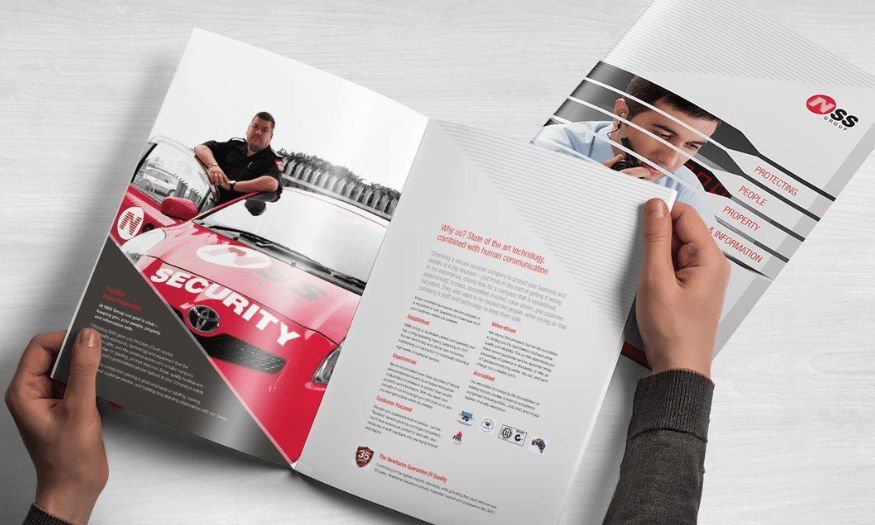
Paper catalogs are a traditional format many businesses still use to showcase their products. These publications typically begin with an attractive cover page announcing the range of goods they contain. This is followed by pages providing detailed information about each item, including images, descriptions, prices, and ordering information. Some catalogs may focus on a specific product category, such as clothing, while others encompass a diverse range of collections, from household goods to electronics.
Paper catalogs are not only reference materials but also powerful marketing tools. Customers can easily flip through pages, search, and select their favorite products. Some catalogs even include order forms and pre-stamped envelopes, making ordering more convenient for customers. Although this format has been around for a long time, it still retains its appeal, especially for customers who prefer the tactile experience of holding and feeling products in paper.
2.2 Electronic catalogue (e-catalogue)
With the advancement of technology, electronic catalogs (e-catalogues) have quickly become a popular choice for many businesses. Designed as PDF files or other online formats, e-catalogues allow businesses to update product information, prices, and promotions quickly and cost-effectively. Compared to paper catalogs, e-catalogues are not limited by page count and have extremely low distribution costs, helping businesses expand their customer reach more effectively.
The biggest advantage of digital catalogs is their flexibility and ease of sharing. Businesses simply upload the catalog to their website or send it via email, and customers can access it immediately. However, the disadvantage of this format is that the ability to interact directly with viewers is often reduced compared to printed catalogs. Customers may find it difficult to perceive product quality through a screen, and the lack of a physical experience can diminish the appeal of digital catalogs in some cases.

3. Why is a catalog necessary?
3.1 Catalogues help customers make decisions more easily.
In the modern consumer world, information is power. A well-designed catalog containing comprehensive product information is a powerful tool that helps customers make decisions more easily. With a detailed catalog in hand, consumers not only grasp the outstanding features of a product but can also conveniently compare and choose between different options. This saves time and gives them more confidence in their purchasing decisions.
Furthermore, catalogs help minimize customer concerns and anxieties. Providing clear information, from pricing to usage instructions, helps customers feel more secure when investing in products. A quality catalog is not just a list of products, but also a bridge between the brand and the customer, building trust and long-term loyalty.
3.2 Streamlining the customer journey and enhancing the user experience
Today, the customer journey takes place primarily online, and an effectively designed catalog can significantly shorten this process. By providing comprehensive information from the outset, businesses not only save customers time but also create a smooth and easy shopping experience. An online catalog is not just a reference document, but also an interactive tool that helps customers easily find information and make decisions.
Furthermore, integrating a catalog into a company's website facilitates interaction between customers and the brand. Customers can easily browse products, view images, read descriptions, and even place orders with just a few clicks. This enhanced user experience not only increases conversion rates but also builds a professional and friendly brand image in the eyes of customers.
3.3 Providing information resources for external partners
Catalogues not only serve customers but also provide valuable information for external partners such as agencies, retailers, and other stakeholders. These documents make it easy for them to access and share product information with their customers, thereby supporting sales and marketing efforts. When retailers have a detailed catalogue, they can be more confident in introducing products to customers, contributing to increased business effectiveness.
For marketing departments, catalogs are an indispensable tool, especially when sending demo samples to clients. Having a high-quality catalog allows the marketing team to demonstrate professionalism and attention to detail, thereby attracting attention and making a good impression on customers. A perfect catalog is not simply a document; it is a crucial part of the overall brand strategy, helping to connect with and build lasting relationships with all stakeholders.
4. Steps to creating a catalog
4.1 Step 1: Gather all product data
To begin building an impressive catalog, the first step is to gather all relevant product information. Basic information such as ingredients, dimensions, customer reviews, and pricing should be compiled in detail. Organizing this data in a spreadsheet not only makes searching easier but also facilitates future editing. Product images are especially important in attracting attention and increasing conversion rates. Ensure the images are sharp and clearly showcase the product's key features.
In addition to gathering information, you should also carefully study the company's Brand Guideline. The choice of colors, fonts, and other design elements must accurately reflect the established brand identity. This not only helps maintain visual consistency but also creates strong brand recognition in the minds of customers.

4.2 Step 2: Plan the structure and layout of the catalog
Once you have all the data, the next step is to plan the structure and layout of the catalog. Creating a draft will help you visualize how to arrange the information and product features. Several mock-ups can be created to test the feasibility and aesthetics of the design. Remember, the goal of the catalog is to provide the best user experience, so ensure that all information is presented clearly and understandably.
When designing the layout, use concise and succinct text. Overly lengthy content can distract the reader and detract from the overall design. An effective catalog should not only be visually appealing but also easy to navigate, allowing customers to quickly find the information they need.

4.3 Step 3: Proceed with catalog design
The next step in creating a catalog is the design process. If you don't have a specific idea yet, refer to some ready-made templates available online for inspiration. Alternatively, collaborating with design professionals is also a smart choice. Design teams like Malu Design can assist businesses in realizing their ideas and creating a complete, impressive, and professional catalog.
When designing, pay attention to consistency in style and color. This will help your catalog not only stand out but also clearly reflect your brand identity. Make sure that every detail, from images to text, blends together harmoniously.

4.4 Step 4: Proceed with printing
Once the design is complete, the final step is printing the catalog. Choose high-quality printing companies to ensure the final product meets both technical and aesthetic standards. Using premium paper not only enhances the catalog's perceived value but also creates a strong impression on customers.
A perfect catalog is not just a combination of beautiful design and quality content, but also a powerful tool for businesses to connect with customers. With clear design steps, you can easily create an impressive catalog that enhances brand value and boosts sales.

5. What does a catalog include?
-
Front cover : As the first thing customers see, the front cover needs to be eye-catching and impressive. It usually includes the brand name, logo, and an image representing the main product or service the catalog is showcasing. The front cover not only attracts attention but also reflects the brand identity, creating a professional impression from the very first glance.
-
About Us Page : This is where you can introduce your business, mission, and core values. A compelling description on this page helps customers better understand your brand and what you want to convey. The About Us page can include brand stories, quality commitments, or business philosophy, thereby sparking interest and trust in the reader.
-
Table of Contents : An essential part of a professional catalog, the table of contents helps readers easily find sections, headings, and page numbers. A clear and well-organized table of contents not only saves customers time but also creates a sense of organization and professionalism in the design, making the catalog more accessible.
-
Information pages : This is the main part of the catalog, providing detailed information about the product or service. Each page should include a clear image, a concise yet comprehensive description of features, benefits, and price. Presenting information clearly and visually not only helps customers easily understand but also encourages them to make a purchase decision, while enhancing the user experience.
-
Last Page : The last page is often used to summarize the highlights or provide additional information. You can use this section to advertise promotions, note contact information, or even thank customers for taking the time to view the catalog. This not only creates a connection but also encourages customers to take action, such as visiting the website or contacting us to place an order.
-
Back cover : The back cover is also very important, as it's the final part of the catalog. It usually includes the logo, contact information, and possibly a few slogans or a final message to reinforce the brand impression. The back cover not only completes the catalog's visual presentation but also creates an opportunity for customers to remember the brand for longer.
6. Tools for creating impressive catalogs
Canva is one of the most popular online design tools today, allowing users to easily create impressive catalogs without needing professional design skills. With its user-friendly interface and thousands of ready-made templates, Canva saves users time and effort in catalog creation. You simply choose a suitable template, change the content, images, and colors to your liking to create a unique product. Canva's drag-and-drop functionality also makes editing easier and more intuitive.
However, to enhance design effectiveness and develop branding more professionally, upgrading to service packages like Sadesign can be an ideal option. Sadesign not only offers more advanced features but also provides access to a comprehensive design toolset, including powerful editing options and high-quality publishing capabilities. This is very useful for businesses that want to create a catalog that is not only visually appealing but also highly strategic, thereby attracting customers and enhancing brand value.
7. Conclusion
To create an impressive catalog, following the steps outlined is crucial. From clearly defining objectives and conducting market research to designing content and images, all play a decisive role in creating a quality final product. A catalog is not simply a list of products; it's an experience, a story that the business wants to convey to its customers. By following the correct process, businesses will not only attract attention but also build long-term relationships with customers, thereby increasing brand value and revenue.


















VIP Products






Best Selling Products
Copyright Adobe Lightroom Account
59 USD
Adobe Photoshop Copyright - Full App
120 USD
Plugin Retouch4me
69 USD
MidJourney Account
29 USD
Upgrade genuine Capture One account
120 USD
Freepik Premium Account
59 USD
Upgrade Duolingo Super
29 USD
Genuine Adobe Illustrator account
99 USD
Upgrade Genuine Office 365
49 USD
Autodesk All App Account Copyright
120 USD
Genuine Cheap Canva Pro
39 USD
ChatGPT Plus Account (GPT-4)
16 USD
Capcut Pro 1 Year
39 USD
Adobe Premiere Pro Account
99 USD
Windows 10 & 11 Pro Key
36 USD