Best Selling Products

Upgrade Duolingo Super
29 USD

Adobe Premiere Pro Account
99 USD

Genuine Cheap Canva Pro
39 USD

Capcut Pro 1 Year
39 USD

Adobe Photoshop Copyright - Full App
120 USD

Windows 10 & 11 Pro Key
36 USD

Copyright Adobe Lightroom Account
59 USD

Autodesk All App Account Copyright
120 USD

ChatGPT Plus Account (GPT-4)
16 USD

Plugin Retouch4me
69 USD

Freepik Premium Account
59 USD

Upgrade Genuine Office 365
49 USD

MidJourney Account
29 USD

Genuine Adobe Illustrator account
99 USD

Upgrade genuine Capture One account
120 USD
Take Better Nature Photos with Simple Tips
Nội dung
- 1. Nature Photography for Beginners
- 1.1. The Art of Planning Ahead
- 1.2. The Challenges of Exposure to Outdoor Environments
- 1.3. Understanding Your Surroundings
- 2. Outdoor Nature Photography Ideas
- 3. Wildlife Photography
- 4. Mastering the Basics of Plant and Flower Photography
- 5. Nature Landscape Photography Tips
- 5.1. It’s All About the Light
- 5.2. Be Fully Prepared with the Necessary Equipment
You don’t need overly complicated equipment, just a proper understanding of the right techniques. Learn how to capture landscapes, wildlife, and close-up shots of plants and flowers with greater clarity. These easy-to-apply tips will help you improve your photography quickly. Turn moments in nature into memorable works of art.
1. Nature Photography for Beginners
When photographing outdoors, there are several important things to keep in mind. Because of harsh weather, constantly changing light, and uncooperative wildlife, every nature photography session is different. As renowned wildlife photographer Carli Davidson once said: “Photographers who work in studios often have nightmares when they have to shoot outdoors because it’s an uncontrollable environment.” If you are used to working in a studio, outdoor photography will push you beyond your comfort zone.
1.1. The Art of Planning Ahead
Before lacing up your hiking boots and heading out, make sure you have researched and planned your outdoor photo session—including strategically choosing the time of day and lighting conditions. Morning and evening light are often the best for photographing the natural world because the light is softer and lacks the harsh shadows of midday—be prepared to set your alarm for 5 a.m. instead of 8 a.m.
.jpg)
Planning also ensures that you have all the equipment you need. You will face challenging outdoor conditions, and you do not want to be unprepared. As Davidson says, “Whether it’s 10 degrees or 150 degrees outside, I still have to be out there all day.” Preparing appropriate clothing, tools, and equipment is essential. Always bring waterproof protection for your gear. Also bring a hat to shade your camera from direct sunlight so you can see the screen clearly and check your exposure.
“You don’t need a lot of specialized equipment. The most important thing in nature photography is simply getting outside and immersing yourself in nature,” says experienced photographer Jeff Carlson. Travel light, but always carry spare batteries, memory cards, and a lens with a versatile focal range. Carlson recommends starting with a DSLR camera paired with an 18–55 mm lens to provide enough range for capturing both distant details and the surrounding scenery.
1.2. The Challenges of Exposure to Outdoor Environments
One of the biggest challenges of outdoor photography is setting the correct exposure. If a cloud moves overhead, the sudden lack of light can quickly leave your images underexposed. A simple solution is to frequently check your exposure while shooting and avoid deleting any photos until you can review them indoors. This is also where technical skills become important. Davidson points out that it is easy to become distracted or excited when shooting outdoors. Therefore, practicing your technical skills until they become second nature will help you in the long run. There is nothing worse than photographing all day only to discover later that every image is overexposed or underexposed.
.jpg)
1.3. Understanding Your Surroundings
Another important aspect of outdoor photography is respecting your surroundings and understanding the environment you are photographing. This is true whether you are shooting in your backyard or at a remote location reached after a long hike. Always seek permission when necessary, stay on designated trails, and leave locations as pristine as you found them. One of the greatest threats to nature photography is overuse. For example, if you are hiking through an alpine flower field, stick to established paths because those plants may take decades to grow just a few additional centimeters.
2. Outdoor Nature Photography Ideas
Nature photography is a versatile medium filled with unique challenges and opportunities for storytelling. Whether you are experimenting with shutter speeds to capture the movement of an animal or trying different depths of field in a close-up flower photograph, successfully capturing the beauty of nature requires patience and creativity.
If you are just getting started with nature photography, try some of these great ideas:
- Take close-up or macro photographs of plants in your backyard or neighborhood.
- Crop tightly on textured details such as tree bark, leaves, flower petals, or even spider webs.
- Practice photographing local birds using fast shutter speeds.
- Visit nearby natural areas and capture sweeping landscape photographs.
- Use natural nighttime light, whether direct or indirect, from the sun or moon.
- Make the “Golden Hour” your best friend.
.jpg)
3. Wildlife Photography
When photographing wildlife, preparation is key. Animals move quickly, and any delay on your part can mean missing the shot. A sufficiently fast shutter speed can save you in these situations. Make sure your shutter speed is fast enough to eliminate unwanted camera movement and freeze your subject at the perfect moment.
Animals are difficult to find and even harder to track. And while you may not see them, they certainly see you. Sometimes you will immediately come across an amazing photograph or a rare animal; other times, patience is required. Just when you think no moose will appear, one may suddenly emerge from the forest only a few meters away.
.jpg)
Birds are excellent subjects because they are everywhere, but Carlson says, “Unless you’re photographing a hummingbird feeder, no bird is going to be very close. If you use a mid-range lens, you’ll capture the bird, but it may only appear as a tiny dot. Depending on your camera’s resolution, you may be able to crop in and still get a great image.” This is one reason why understanding the limitations of your equipment is so important. It can help you make artistic decisions on the spot and influence what you choose to include in your composition. Having a zoom lens can significantly improve wildlife photography, although it also adds to the amount of gear you need to carry.
Animals are not always cooperative, even when they are well-trained pets. Plan ahead before shooting and be prepared to edit your photos afterward. You may not always capture a unique or exciting image in the field, but post-processing can transform an ordinary photograph into something exceptional.
4. Mastering the Basics of Plant and Flower Photography
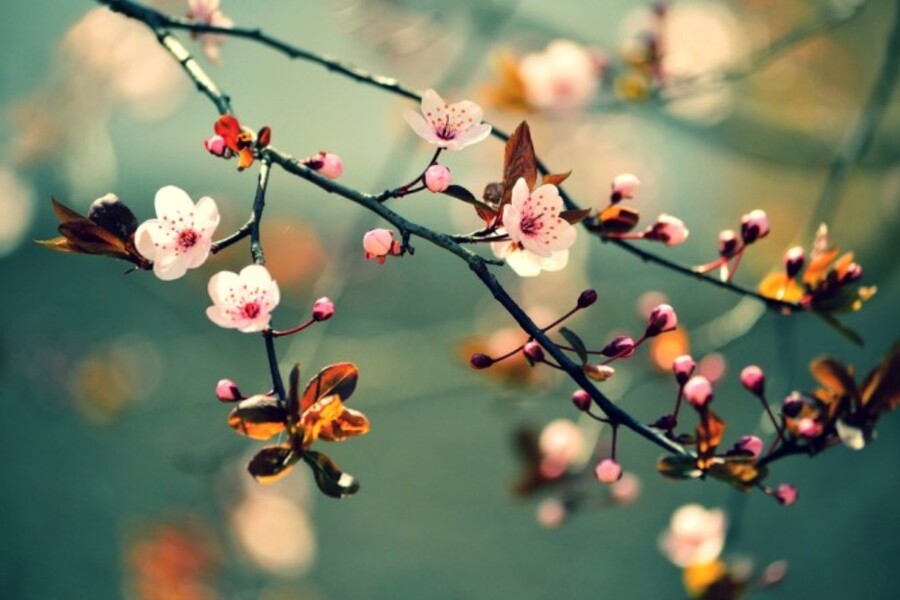
When it comes to predictability, plants are ideal subjects. “The main challenge is depth of field,” says nature photographer and educator Ben Long. “When you get close to a flower, the depth of field becomes shallow, so you may not capture all the details you want.” Bring a tripod so you can use longer exposures and smaller apertures to increase depth of field. Although you have more control over plant subjects, you still have to deal with natural elements. Don’t let a light breeze ruin your long-exposure photograph. Try shielding your subject from the wind or bring clips to hold flowers steady.
.jpg)
Davidson suggests shooting in Aperture Priority mode so you can better control depth of field. Plants are easy subjects to photograph, but they are also extremely common. Instead of feeling discouraged by this, Davidson says it “gives you the freedom to be creative and try new things.” Let your creativity shine and find unique ways to make your images more interesting.
5. Nature Landscape Photography Tips
Landscape photography is a distinct skill, but it also falls under the category of nature photography. To create the best images, landscape photographer Samuel Nute advises: “Be patient and wait for favorable weather conditions, and try to present familiar landscapes from a unique perspective.” Beyond dealing with weather, finding your own style and personality is the most challenging part of landscape photography.
5.1. It’s All About the Light
If there is one thing to remember, it is light. Sunrise and sunset (also known as the Golden Hour) provide ideal lighting conditions for stunning landscape photographs. These moments are also perfect for capturing beautiful skies. Jeff Carlson notes: “Sometimes the best sunset happens after the sun has already gone down. Depending on the clouds, the sky can explode with color. I often see photographers leave as soon as the sun sets because they think it’s time to go home.”
.jpg)
5.2. Be Fully Prepared with the Necessary Equipment
Wide-angle lenses are ideal for breathtaking landscape photography. They allow you to capture a greater depth of field than telephoto lenses, ensuring that the entire scene remains in focus. As with any type of nature photography, having the right equipment makes a significant difference, so carefully consider which lenses to bring with you.
Although nature is difficult to control, learning how to adapt to that reality will help you maximize your skills and discover the adventurous spirit within you. If you plan ahead and remember to check your exposure regularly, the results can be truly rewarding.





















VIP Products








Best Selling Products
Upgrade Duolingo Super
29 USD
Adobe Premiere Pro Account
99 USD
Genuine Cheap Canva Pro
39 USD
Capcut Pro 1 Year
39 USD
Adobe Photoshop Copyright - Full App
120 USD
Windows 10 & 11 Pro Key
36 USD
Copyright Adobe Lightroom Account
59 USD
Autodesk All App Account Copyright
120 USD
ChatGPT Plus Account (GPT-4)
16 USD
Plugin Retouch4me
69 USD
Freepik Premium Account
59 USD
Upgrade Genuine Office 365
49 USD
MidJourney Account
29 USD
Genuine Adobe Illustrator account
99 USD
Upgrade genuine Capture One account
120 USD