Best Selling Products
Adobe Photoshop Copyright - Full App
120 USD

ChatGPT Plus Account (GPT-4)
16 USD

Capcut Pro 1 Year
39 USD

Upgrade Genuine Office 365
49 USD
Adobe Premiere Pro Account
99 USD
Genuine Cheap Canva Pro
39 USD
Upgrade Duolingo Super
29 USD

Freepik Premium Account
59 USD

Upgrade genuine Capture One account
120 USD
Copyright Adobe Lightroom Account
59 USD
Windows 10 & 11 Pro Key
36 USD
Plugin Retouch4me
69 USD
Autodesk All App Account Copyright
120 USD

MidJourney Account
29 USD
Genuine Adobe Illustrator account
99 USD
The Art Director Profession: Real-World Responsibilities, Essential Skills, and Career Growth Opportunities
Nội dung
What does an Art Director do every day, and what skills do they need to prepare in order to succeed? This article provides a realistic look at the job, its pressures, opportunities, and career prospects within the creative industry.
1. Basic Information About an Art Director
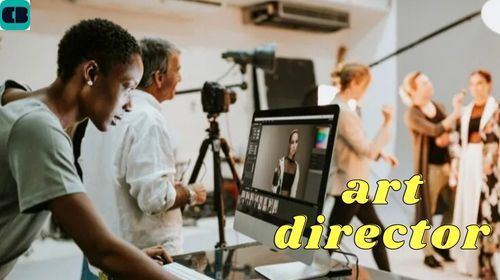
An Art Director is the person responsible for shaping, managing, and developing the overall visual vision for creative projects. They serve as a crucial bridge between strategic ideas and final visual products, ensuring that every visual element supports the communication and business objectives of a company or brand.
.jpg)
At the most basic level, an Art Director is the person who decides “what this project will look like.” However, this answer reflects only a small portion of the actual scope of the job. An Art Director does not simply choose colors or design styles; they build a consistent visual system and guide how a brand presents itself to the public over the long term.
Unlike a Designer, who primarily focuses on executing designs based on an existing brief, an Art Director has a much broader role. They are not only creators but also leaders, guides, and quality controllers throughout the creative process. This includes establishing an overall visual style, from selecting colors, typography, layouts, and imagery to determining how messages are communicated visually.
An Art Director asks important questions before any design work begins: Who is this brand? Who is the target audience? What should people feel when they see this visual? What communication objective does this design serve? The ability to ask the right questions and transform the answers into visual language is the core value of an Art Director.
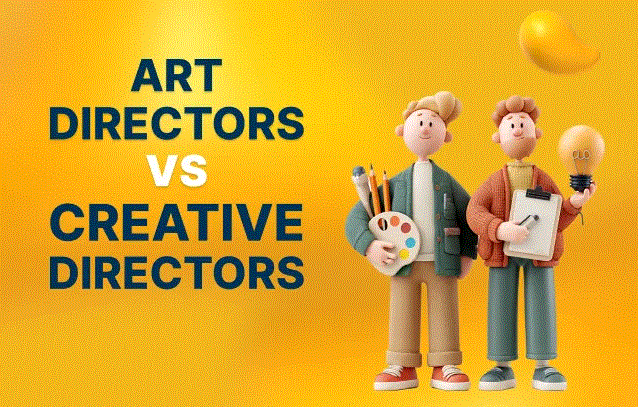
The fundamental difference between an Art Director and a Creative Director lies in the scope of responsibility and the level of abstraction in their work. A Creative Director is responsible for the overall creative strategy, the big ideas, and high-level conceptual direction. Meanwhile, an Art Director focuses on turning those ideas into concrete visual outputs. In other words, a Creative Director thinks about the “story” and the “big idea,” while an Art Director thinks about the “visuals” and “how to tell that story through visual language.”
In many small organizations or mid-sized agencies, these two roles are sometimes combined into one. However, in large corporations and professional agencies, the distinction between Creative Director and Art Director is often very clear in order to ensure efficiency and creative quality.
.jpg)
The importance of Art Directors in the creative industry cannot be overstated. In an era where consumers are exposed to thousands of images every day, visual consistency and differentiation have become critical. A campaign may have a strong idea, but if the visuals are not compelling enough or lack consistency, the message can quickly disappear in the overwhelming flow of information.
2. The Role and Specific Responsibilities of an Art Director
The role of an Art Director can vary depending on the industry, organizational scale, and project nature. However, whether working in advertising, media, publishing, film, or digital design, Art Directors always play a central role in shaping and controlling visual language.
In the advertising industry, Art Directors are responsible for developing visual concepts for communication campaigns. They ensure that visuals across print posters, digital banners, advertising videos, and social media content all share the same spirit and style. Every visual detail, from lighting and color to character expressions, must support the campaign’s core message.
For film and video production projects, Art Directors help define the overall visual environment. They work closely with directors, cinematographers, and production teams to establish the visual style of a film or video. This may include designing sets, selecting props, costumes, color palettes, and lighting styles.
In publishing, Art Directors play a critical role in creating engaging reading experiences. They are responsible for designing layouts, selecting illustrations, choosing typography, and organizing content to ensure that publications are not only visually appealing but also readable, accessible, and suitable for the intended audience.
.jpg)
For web and mobile application design projects, Art Directors must balance aesthetics and user experience. They work alongside UX/UI Designers to ensure that interfaces are not only visually attractive but also intuitive, user-friendly, and aligned with user behavior. This field requires Art Directors to possess a strong understanding of technology and digital behavior.
The Art Director’s workflow typically begins with researching and analyzing briefs from clients or leadership teams. They must clearly understand business objectives, target audiences, key messages, and constraints related to budget and timeline. From there, the Art Director develops an initial visual concept, often presented through mood boards, sketches, or preliminary style guides.
Once the concept is approved, the Art Director works directly with the design team to bring the idea to life. They do more than assign tasks; they also provide guidance, critique, and refinement. Communicating a vision clearly and consistently is a vital skill that helps the entire team stay aligned and avoid wasting resources.
Throughout the production process, Art Directors are responsible for quality control. They evaluate every design output, ensuring that all details align with the original concept and meet aesthetic standards. At the same time, Art Directors are often the ones presenting and defending ideas to clients, explaining how the design serves communication and business goals.
A typical day in the life of an Art Director is rarely repetitive. They may start the morning with a client meeting to discuss a new concept, continue by reviewing their team’s designs, attend a photoshoot to select camera angles and lighting, and finish the day by refining a presentation for an upcoming pitch. This diversity makes the Art Director role both demanding and challenging, yet highly attractive to those who are passionate about creativity.
.jpg)
3. Skills and Requirements Needed to Become an Art Director
To become a professional Art Director, candidates need a balanced combination of creative skills, professional knowledge, and management abilities. This is not an entry-level position but rather the result of years of accumulated experience and developed thinking.
From a professional standpoint, Art Directors must have a deep understanding of fundamental design principles. Knowledge of color theory, composition, typography, and brand identity systems is essential. They must understand why a layout works, why a color palette evokes emotion, and why a particular typeface is or is not suitable for a message.
Creativity and refined aesthetic judgment are core qualities of an Art Director. They need the ability to recognize creative potential within seemingly dry briefs and transform abstract ideas into concrete visual solutions. At the same time, Art Directors must continuously stay updated on design trends and understand changes in aesthetic preferences and consumer behavior.
Knowledge of culture and the arts also plays an important role. A strong Art Director often possesses a broad understanding of art history, photography, cinema, fashion, and design movements. This enables them to create concepts with depth while avoiding clichés and repetitive solutions.
From a technical perspective, Art Directors need to be proficient in professional design tools. Adobe Creative Suite serves as the fundamental platform, including Photoshop, Illustrator, InDesign, and After Effects. In addition, knowledge of 3D design, animation, and motion graphics is becoming increasingly important in today’s multi-platform media environment. While Art Directors are not necessarily required to execute every task themselves, understanding these tools helps them guide their teams and evaluate work quality accurately.
.jpg)
Beyond technical expertise, soft skills are crucial to long-term success. Leadership and team management abilities are essential requirements. Art Directors must know how to inspire, motivate, and cultivate a creative working environment. They also need to handle pressure, resolve conflicts, and make decisions in challenging situations.
Excellent communication skills are equally indispensable. Art Directors must present ideas clearly and persuasively to clients while also listening to feedback and making adjustments when necessary. Balancing client requirements with creative quality is a constant challenge in this role.
Strategic thinking allows Art Directors to move beyond being simply “visual creators.” They need to understand business objectives, brand strategy, and consumer psychology in order to produce designs that are not only beautiful but also effective. A great Art Director always questions the value a design delivers rather than focusing solely on aesthetics.
In terms of education, many Art Directors come from backgrounds in Graphic Design, Applied Arts, Communications, or Marketing. However, degrees are not the deciding factor. In the creative industry, portfolios and practical experience are often more valuable. Many successful Art Directors began their careers as Designers, Illustrators, Photographers, or even Copywriters.
The journey to becoming an Art Director typically takes five to seven years or longer, depending on individual growth and work environment. During this period, candidates must demonstrate their ability to manage complex projects, lead teams, and create tangible value for businesses. Participating in advanced courses, workshops, and building professional networks within the industry also contributes significantly to career development.
.jpg)
Art Director is one of the most important and challenging positions in the creative industry. It is a role that requires a harmonious combination of art and strategy, personal creativity and collective responsibility. A great Art Director does more than create beautiful visuals; they shape how a brand is perceived and remembered in the minds of the public.
For those pursuing a career in design and creativity, becoming an Art Director is not merely a job title but a long-term professional goal. Understanding the role, requirements, and pathway to becoming an Art Director will help you establish a clearer direction, proactively develop your skills, and gradually move closer to a creative leadership position in the future.












VIP Products


Best Selling Products
Adobe Photoshop Copyright - Full App
120 USD
ChatGPT Plus Account (GPT-4)
16 USD
Capcut Pro 1 Year
39 USD
Upgrade Genuine Office 365
49 USD
Adobe Premiere Pro Account
99 USD
Genuine Cheap Canva Pro
39 USD
Upgrade Duolingo Super
29 USD
Freepik Premium Account
59 USD
Upgrade genuine Capture One account
120 USD
Copyright Adobe Lightroom Account
59 USD
Windows 10 & 11 Pro Key
36 USD
Plugin Retouch4me
69 USD
Autodesk All App Account Copyright
120 USD
MidJourney Account
29 USD
Genuine Adobe Illustrator account
99 USD