Best Selling Products

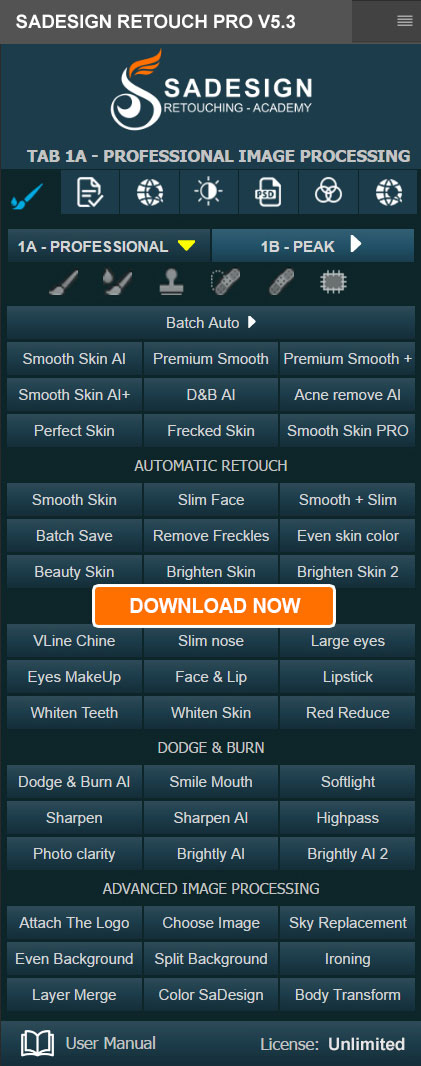
Plugin Retouch4me
69 USD

ChatGPT Plus Account (GPT-4)
16 USD
Copyright Adobe Lightroom Account
59 USD

Genuine Cheap Canva Pro
39 USD

Capcut Pro 1 Year
39 USD

Freepik Premium Account
59 USD
Upgrade genuine Capture One account
120 USD

MidJourney Account
29 USD

Upgrade Genuine Office 365
49 USD

Windows 10 & 11 Pro Key
36 USD

Upgrade Duolingo Super
29 USD

Adobe Premiere Pro Account
99 USD
Autodesk All App Account Copyright
120 USD
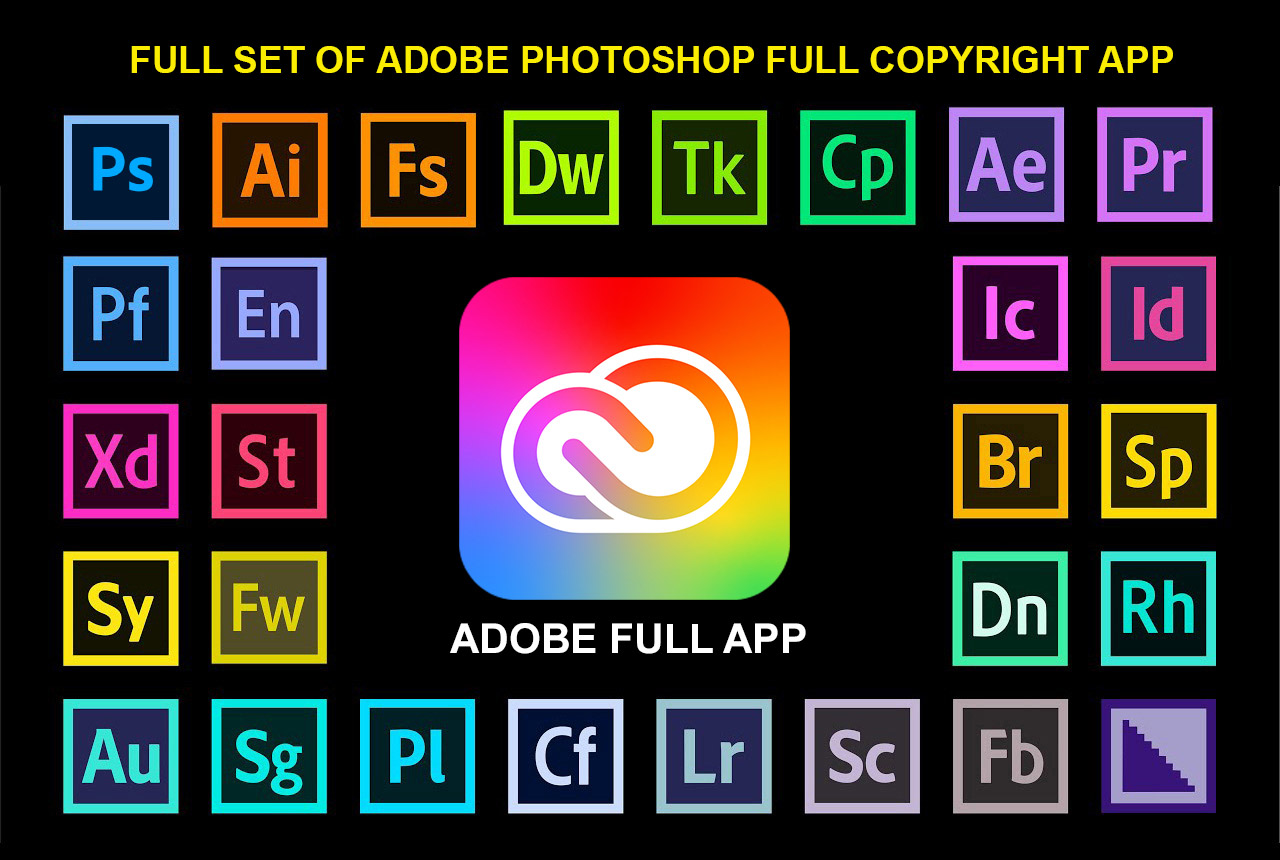
Adobe Photoshop Copyright - Full App
120 USD
Genuine Adobe Illustrator account
99 USD
The Importance of Optical Image Stabilization (OIS) When Choosing a Camera: An Expert Perspective
Nội dung
- Differences between OIS and electronic stabilization EIS
- 2. Practical benefits of owning an OIS system
- Ability to shoot in low-light conditions
- Optimization for telephoto lenses
- Improving handheld video quality
- 3. Analysis of the relationship between OIS and in-body stabilization IBIS
- Advantages of OIS at long focal lengths compared to IBIS
- Synergistic power: Dual IS system
- 4. When is OIS truly necessary and when can it be skipped?
- Cases where OIS is mandatory
- Cases where OIS can be considered unnecessary
- 5. Disadvantages to consider of the OIS system
- Impact on size and weight
- Durability and long-term stability
- Battery consumption
- 6. Equipment selection mindset: Is OIS worth the price difference?
- Investing in safety and success rate
- Balancing optical quality and features
- 7. Guide to using OIS correctly for maximum effectiveness
- When to turn OIS on and off?
- Understanding stabilization modes (Mode 1, 2, 3)
- 8. The future of OIS in the era of artificial intelligence and high-density sensors
- AI-based predictive stabilization
- Challenges from ultra-high-resolution sensors
- 9. Conclusion
Learn what optical image stabilization OIS is and its importance when buying a camera. Analyze the pros and cons of OIS compared to in-body stabilization IBIS and get advice on choosing equipment suitable for professional photography and videography needs.
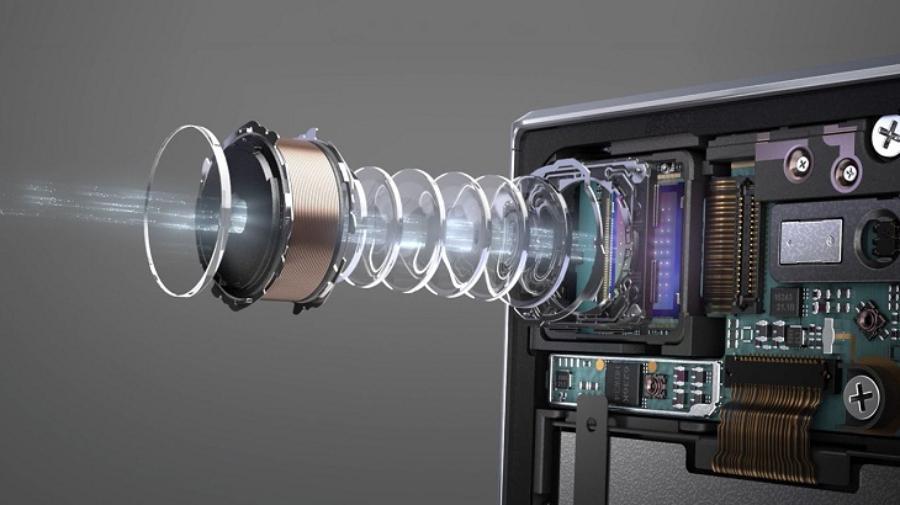
1. Nature and operating mechanism of OIS stabilization technology
To evaluate its necessity, we must understand how it interacts with light and lens systems.
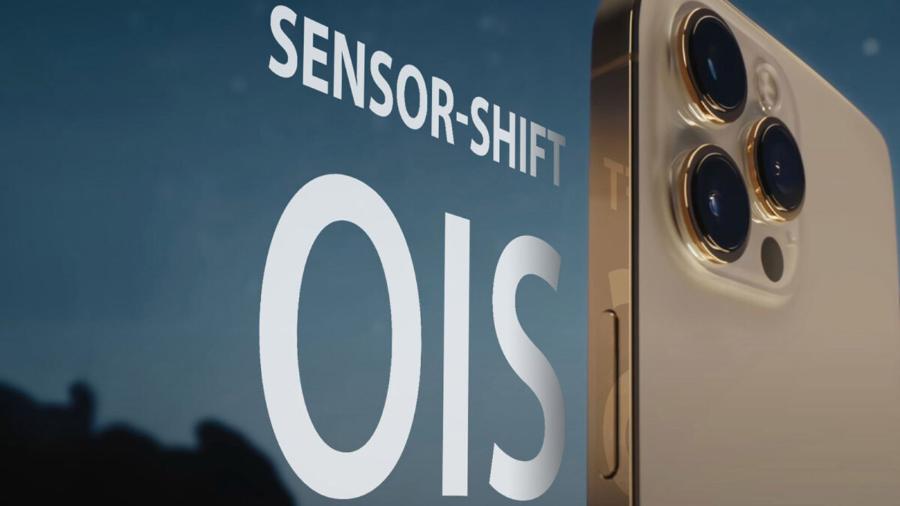
Operating principle based on gyroscopic sensors
OIS is integrated directly into the lens. It uses highly sensitive gyroscopic sensors to detect motion. When movement is detected, lens elements shift in the opposite direction to stabilize the image.
This process happens thousands of times per second, ensuring light remains focused on the sensor without blur.
Differences between OIS and electronic stabilization EIS
OIS works physically before light hits the sensor, while EIS is software-based and often reduces resolution through cropping. OIS preserves image quality and sharpness.
2. Practical benefits of owning an OIS system
Ability to shoot in low-light conditions
OIS allows slower shutter speeds without blur, reducing the need for high ISO and noise.
Optimization for telephoto lenses
At long focal lengths, small movements are amplified. OIS stabilizes the view and improves tracking.
Improving handheld video quality
OIS reduces shake in handheld footage, improving professionalism.
3. Analysis of the relationship between OIS and in-body stabilization IBIS
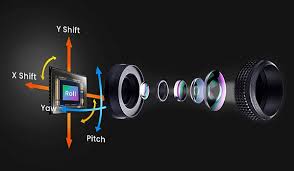
Advantages of OIS at long focal lengths compared to IBIS
IBIS moves the sensor, but becomes less effective at long focal lengths. OIS remains superior in telephoto lenses.
Synergistic power: Dual IS system
Combining OIS and IBIS provides up to 7–8 stops of stabilization.
4. When is OIS truly necessary and when can it be skipped?
Cases where OIS is mandatory
Event photography, wildlife, filmmaking, and street photography.
Cases where OIS can be considered unnecessary
Tripod-based shooting, studio work, and ultra-wide lenses.
5. Disadvantages to consider of the OIS system

Impact on size and weight
OIS increases lens size and weight.
Durability and long-term stability
Moving parts may wear over time.
Battery consumption
OIS consumes power during operation.
6. Equipment selection mindset: Is OIS worth the price difference?
Investing in safety and success rate
OIS increases the chance of sharp images.
Balancing optical quality and features
Some lenses prioritize optics over stabilization.
7. Guide to using OIS correctly for maximum effectiveness

When to turn OIS on and off?
Turn on when handheld, off when using tripod or high shutter speeds.
Understanding stabilization modes (Mode 1, 2, 3)
Different modes suit different shooting situations.
8. The future of OIS in the era of artificial intelligence and high-density sensors
AI-based predictive stabilization
Modern systems can predict motion.
Challenges from ultra-high-resolution sensors
Higher resolution requires better stabilization.
9. Conclusion
OIS is not just a feature but a revolutionary tool that enhances image sharpness and usability. It is especially important for low-light, telephoto, and video applications. Investing in OIS means investing in confidence and creative freedom.

















VIP Products




Best Selling Products
Plugin Retouch4me
69 USD
ChatGPT Plus Account (GPT-4)
16 USD
Copyright Adobe Lightroom Account
59 USD
Genuine Cheap Canva Pro
39 USD
Capcut Pro 1 Year
39 USD
Freepik Premium Account
59 USD
Upgrade genuine Capture One account
120 USD
MidJourney Account
29 USD
Upgrade Genuine Office 365
49 USD
Windows 10 & 11 Pro Key
36 USD
Upgrade Duolingo Super
29 USD
Adobe Premiere Pro Account
99 USD
Autodesk All App Account Copyright
120 USD
Adobe Photoshop Copyright - Full App
120 USD
Genuine Adobe Illustrator account
99 USD