
Best Selling Products
Windows 10 & 11 Pro Key
36 USD
Upgrade Duolingo Super
29 USD
Adobe Photoshop Copyright - Full App
120 USD
Genuine Adobe Illustrator account
99 USD

ChatGPT Plus Account (GPT-4)
16 USD
Upgrade Genuine Office 365
49 USD

Capcut Pro 1 Year
39 USD
Genuine Cheap Canva Pro
39 USD
Adobe Premiere Pro Account
99 USD
Copyright Adobe Lightroom Account
59 USD
Upgrade genuine Capture One account
120 USD
Plugin Retouch4me
69 USD

Freepik Premium Account
59 USD

MidJourney Account
29 USD
Autodesk All App Account Copyright
120 USD
What does Apple have in hand when it launches a historically low-cost MacBook?
Nội dung
- 1. Affordable MacBooks create a stir in the budget segment.
- 1.1. MacBooks using the A18 Pro chip
- 1.2. The lowest price ever seen for a MacBook.
- 1.3. A configuration sufficient for most general users.
- 1.4. Affordable MacBooks for Students, Businesses, and General Users
- 2. Apple's Unusual Move
- 1.1. Current MacBook pricing and Apple's strategic move.
- 1.2. The context in which Microsoft removed Windows 10
- 1.3. Reclaiming market share in education
- 1.4. Covering the entire market segment
Apple is not only looking to expand its market but is also changing its product strategy to reach the mass market.
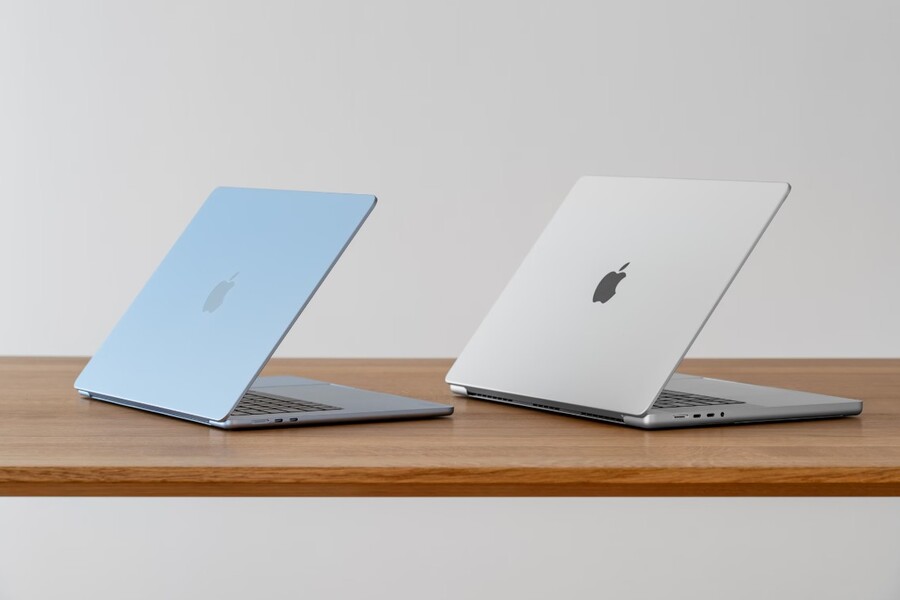
Recent reports suggest Apple is preparing to launch the cheapest MacBook in history , marking a major shift in the company's otherwise consistent business strategy.
According to Jeff Pu, an analyst at GF Securities, Apple is planning to launch a budget MacBook at the same time as the iPhone 17e and the 12th-generation iPad : a trio of products targeting the mainstream market in 2026. This information is corroborated by Bloomberg journalist Mark Gurman, who claims that the budget MacBook line has entered production testing and is likely to appear in the first half of 2026. This is not just a rumor, but a clear signal that Apple is restructuring its strategic direction.
There are several reasons why the tech world is particularly interested in this MacBook model. Apple's entry into the low-price segment is rare, almost unprecedented. The question is: Why is Apple determined to do this now? What do they see in the market? And could the appearance of a cheaper MacBook change the global competitive landscape?
1. Affordable MacBooks create a stir in the budget segment.
For many years, the budget laptop market was dominated by brands like Lenovo, Acer, Asus, Dell, and HP. This segment had the highest demand, with prices ranging from $500 to $900, attracting students, households, and businesses seeking a functional, stable, and accessible device. Apple largely stayed out of this game, as even its cheapest MacBook Air started at $999, not including higher memory or configuration options.
Therefore, Apple's decision to release a MacBook priced between $599 and $899 is noteworthy. This is not only the lowest price in MacBook history, but also a price point that can directly compete with mid-range Windows laptops, which hold a large share of the global market.
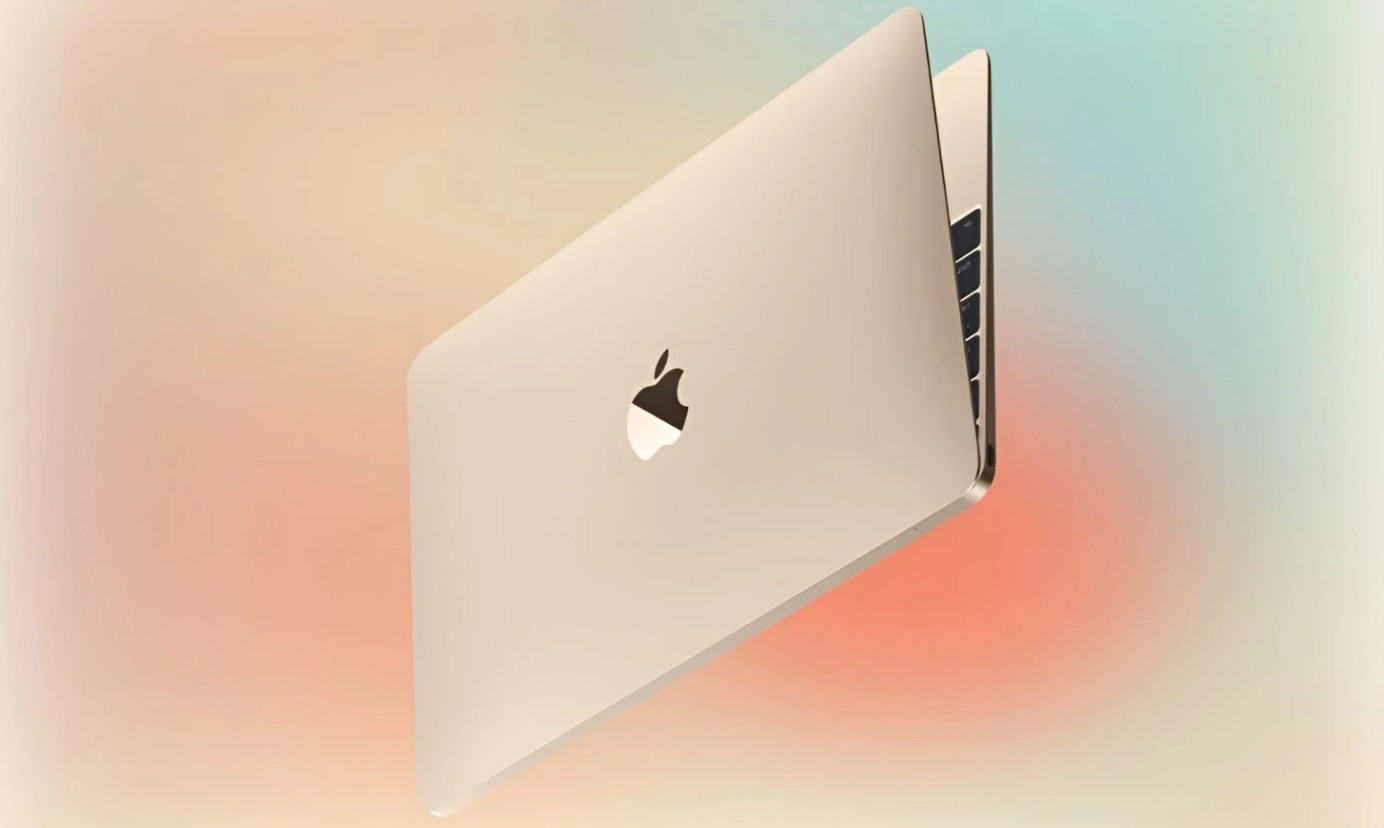
1.1. MacBooks using the A18 Pro chip
According to sources, this cheaper MacBook model will use the A18 Pro chip . The use of A-series chips instead of M-series chips is not a surprising decision, but rather a strategic move by Apple. A-series chips have lower production costs, a familiar manufacturing process, and Apple is looking to expand its ecosystem of devices using the same ARM architecture to optimize applications, performance, and synchronization.
Although not as powerful as M-series chips, the A18 Pro is still capable of handling academic, office, web browsing, and light software applications. This means that the affordable MacBook is not intended to replace the MacBook Air or MacBook Pro, but rather targets users with basic needs who want to enter the Apple ecosystem without paying too much.
From an economic perspective, reusing A-series chips significantly saves Apple on R&D and manufacturing costs while ensuring a stable supply of components. Furthermore, equipping devices with the A18 Pro chip demonstrates Apple's desire to create a new distinction between its products: the Pro line and the mainstream line.
1.2. The lowest price ever seen for a MacBook.
The projected price range of $599 to $899 opens up a whole new playing field. At this price point, the affordable MacBook will not only compete directly with Windows laptops but also directly challenge Chromebooks, a type of device that dominates the US education market thanks to its low price and easy mass deployment.
Notably, this price is even lower than the student discount Apple currently offers for the MacBook Air. Previously, students had to save for months to afford a MacBook, but now they only need an investment equivalent to a mid-range Windows laptop. This completely shifts the balance between Apple and its strong competitors in the education and business markets.
1.3. A configuration sufficient for most general users.
According to MacRumors, the new MacBook model will come with a 13.6-inch LCD display , 12GB of RAM , a 256GB SSD, and a 10 Gbps USB 3.2 Gen 2 port . Apple's choice of an LCD screen over mini-LED or OLED is understandable, as LCDs are cheaper while still ensuring good display quality. For most mainstream users, Apple's LCD screens still outperform Windows laptops in terms of color accuracy, viewing angles, and brightness at the same price point.
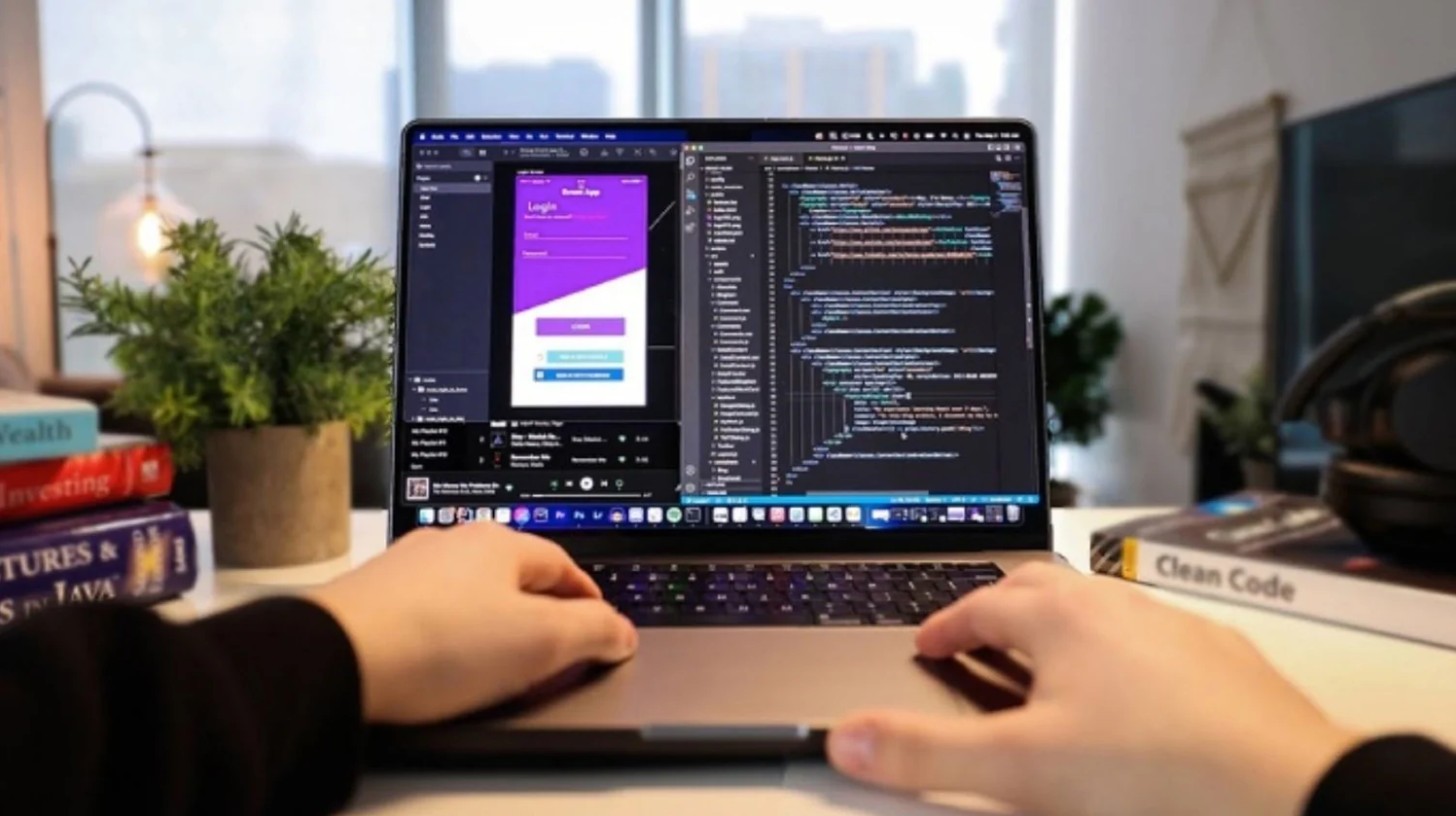
The design of the device is expected to resemble the MacBook Air, possibly even retaining many elements such as the unibody aluminum frame, the precisely cut keyboard, and Apple's signature large trackpad. However, to reduce costs, Apple may downgrade some details such as the speaker system, the number of ports, or the webcam resolution. These are all factors that can be adjusted without significantly impacting the experience for the target customer group.
1.4. Affordable MacBooks for Students, Businesses, and General Users
Apple is positioning this new model towards a customer group that has been less targeted before. Students are always a high-demand group with limited budgets. Businesses, especially small and medium-sized enterprises, often want to buy devices in bulk but don't want the high price tag of a MacBook Air or MacBook Pro. General users typically need a machine for web browsing, office work, entertainment, online learning, or document processing.
Therefore, affordable MacBooks are not just a product, but also a bridge that helps Apple expand its ecosystem and bring more users into the environment of Apple ID, iCloud, App Store, Apple Music, and other subscription services.
2. Apple's Unusual Move
Apple is known for its premium strategy. They rarely engage in price wars because it can damage their brand image and reduce their already high profit margins. However, several new market dynamics have led Apple to reconsider this approach.
1.1. Current MacBook pricing and Apple's strategic move.
Currently, the lowest-priced MacBook model is the MacBook Air M4, retailing for $999. This price can be reduced to $899 with student discounts. However, Apple plans to lower the price of the budget MacBook to $599, even below the maximum price reduction for the Air. This not only expands the customer base but also creates a clearer and more diverse segmentation within the Mac computing ecosystem.
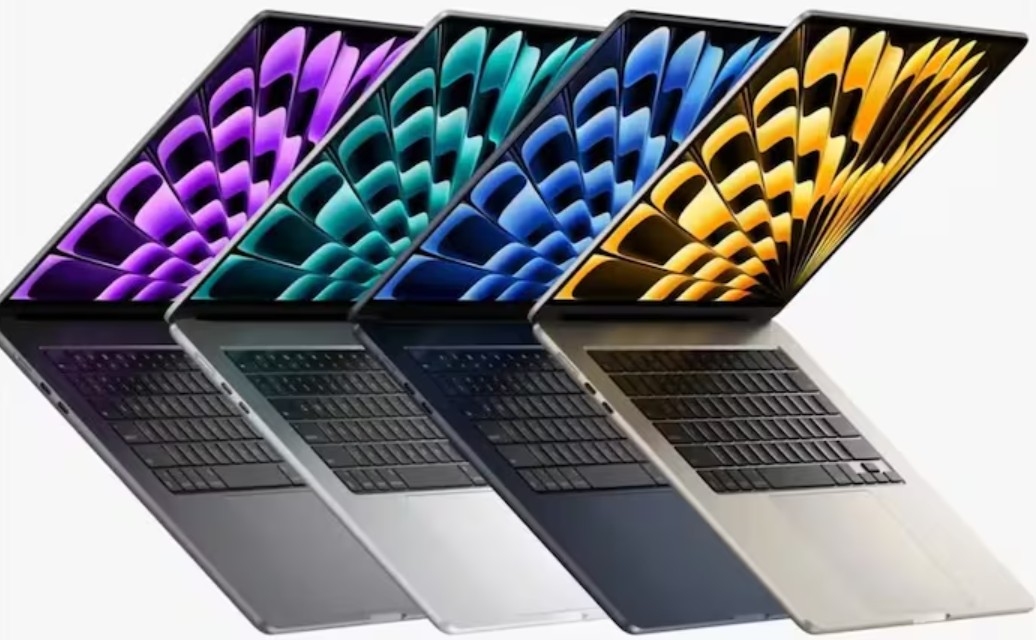
By positioning the affordable MacBook as a completely new product, Apple can redefine its pricing strategy without damaging the image value of the MacBook Air or MacBook Pro.
1.2. The context in which Microsoft removed Windows 10
Microsoft is preparing to end support for Windows 10 in 2025, ushering in a global "mass replacement" period. Hundreds of millions of Windows 10 computers that don't meet Windows 11 requirements will force users to upgrade their devices. This presents a rare opportunity for Apple, as they can attract users considering switching to a more stable and smoother ecosystem.
While MacBooks were previously too expensive and out of reach for this customer group, the current price of just $599 puts Apple in direct competition with mid-range Windows laptops. This opens up an opportunity for Apple to significantly increase its Mac market share.
Following a period of strong growth during the COVID-19 pandemic, the PC market entered a prolonged downturn. Users no longer felt the need for constant upgrades, while manufacturers had to find ways to differentiate themselves. 2024–2025 saw the rise of the AI-PC concept , with companies focusing on chips specifically designed for AI processing and the ability to run AI models on the device. However, most AI laptops currently available are quite expensive.
Apple may not call its budget MacBooks AI-PCs, but the A18 Pro chip is perfectly capable of handling light AI tasks, meeting the basic needs of users. This is how Apple is expanding its market before launching a larger AI strategy.
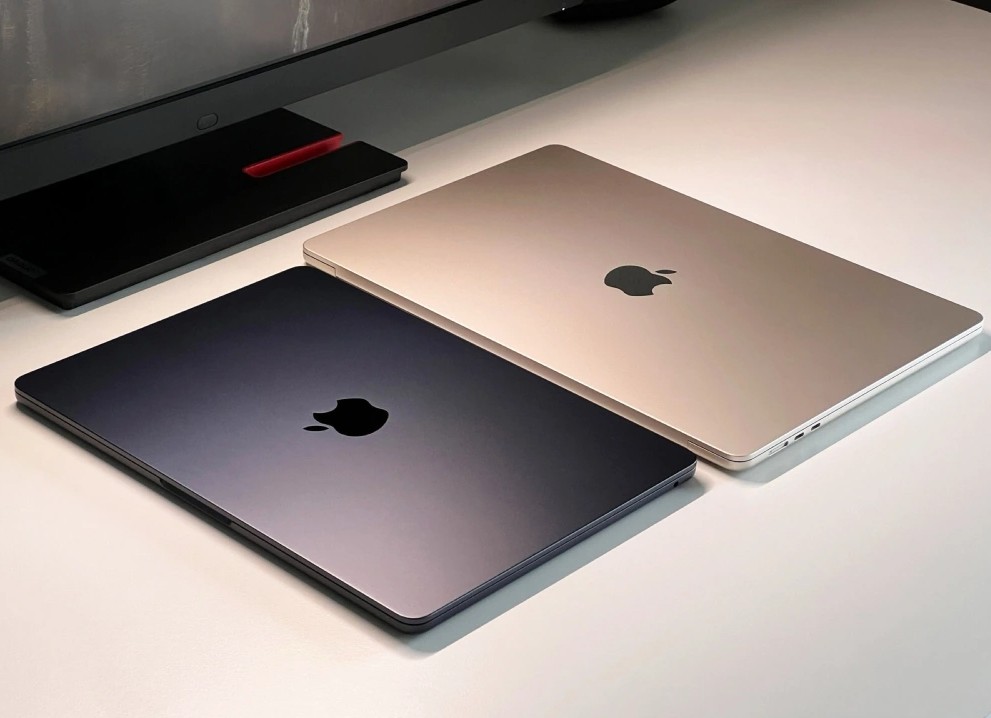
1.3. Reclaiming market share in education
In recent years, Chromebooks have become the number one choice in education thanks to their low price and easy deployment. The Chromebook market share has grown so rapidly that Apple has even been pushed out of many schools in the US. But with affordable MacBooks, Apple could return to compete in this segment, especially with its educational tools like Classroom, iCloud, and Apple School Manager.
Apple's ecosystem is considered superior to Chromebooks in many aspects, such as security, long-term usability, and stable performance. If the price is set lower, Apple could quickly regain the education market share it once lost.
1.4. Covering the entire market segment
For many years, Apple focused solely on the mid-range and high-end segments. However, to increase Mac sales and expand its ecosystem, the company needed to reach the mass market. By launching affordable MacBooks, Apple made its ecosystem more accessible than ever. This is similar to how they implemented their iPhone strategy with the SE, standard, and Pro models.
Apple's determination to launch the cheapest MacBook in history wasn't simply about boosting sales. It was a combination of strategic factors: a changing market landscape, the upgrade wave following Windows 10, the rise of AI-PCs, the demand for affordable devices for education, and the ambition to expand the Apple ecosystem globally.













VIP Products

Best Selling Products
Windows 10 & 11 Pro Key
36 USD
Upgrade Duolingo Super
29 USD
Adobe Photoshop Copyright - Full App
120 USD
Genuine Adobe Illustrator account
99 USD
ChatGPT Plus Account (GPT-4)
16 USD
Upgrade Genuine Office 365
49 USD
Capcut Pro 1 Year
39 USD
Genuine Cheap Canva Pro
39 USD
Adobe Premiere Pro Account
99 USD
Copyright Adobe Lightroom Account
59 USD
Upgrade genuine Capture One account
120 USD
Plugin Retouch4me
69 USD
Freepik Premium Account
59 USD
MidJourney Account
29 USD
Autodesk All App Account Copyright
120 USD