Best Selling Products
Adobe Premiere Pro Account
99 USD
Genuine Adobe Illustrator account
99 USD
Autodesk All App Account Copyright
120 USD
Genuine Cheap Canva Pro
39 USD
Plugin Retouch4me
69 USD

MidJourney Account
29 USD
Upgrade Duolingo Super
29 USD
Upgrade genuine Capture One account
120 USD

Capcut Pro 1 Year
39 USD
Adobe Photoshop Copyright - Full App
120 USD
Upgrade Genuine Office 365
49 USD
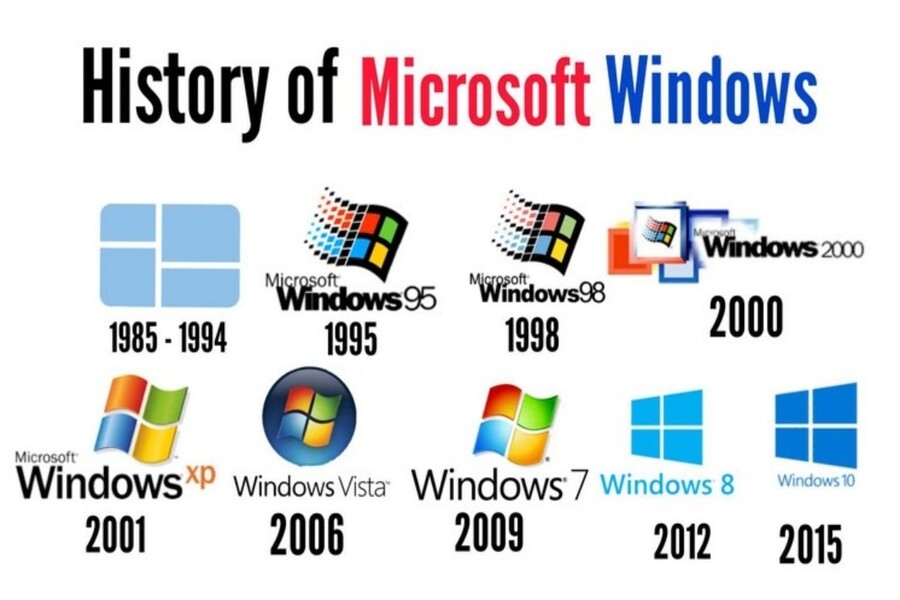
Windows 10 & 11 Pro Key
36 USD
Copyright Adobe Lightroom Account
59 USD

Freepik Premium Account
59 USD

ChatGPT Plus Account (GPT-4)
16 USD
What is an operating system? Differentiate between the popular operating systems today.
Nội dung
This article helps you understand the nature of operating systems and their role in computers and mobile devices.
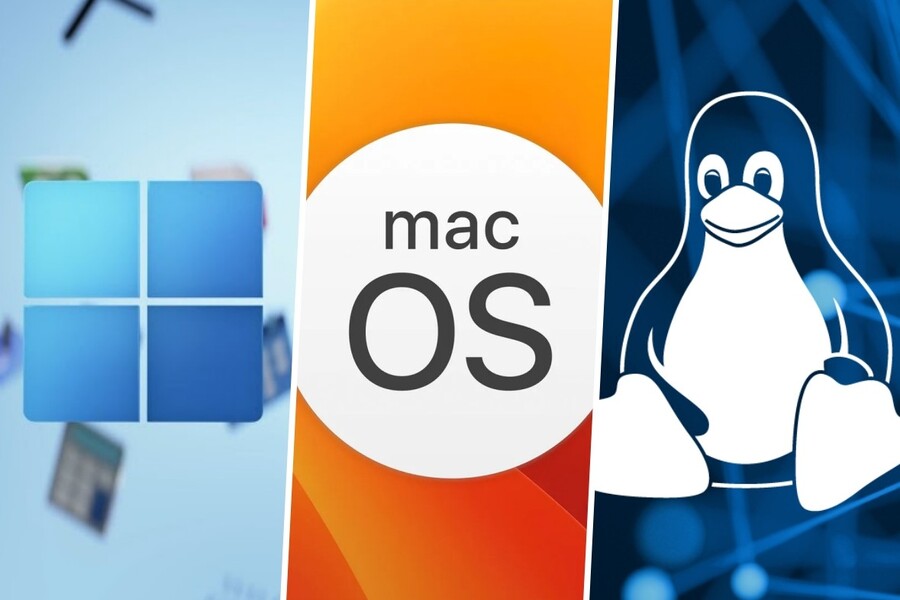
In today's rapidly developing digital technology landscape, operating systems have become an indispensable foundation for all smart electronic devices. From desktop computers and laptops to smartphones, tablets, and even smartwatches, all operate based on a specific operating system. However, despite daily use, not everyone fully understands what an operating system actually is, how it works, and why it plays such a crucial role. Let's explore operating systems with SaDesign in this blog post!
1. Understanding Operating Systems
An operating system is a type of system software responsible for managing and coordinating all the activities of an electronic device. It acts as an intermediary between the hardware and the user, allowing humans to interact with machines through graphical interfaces, commands, or touch operations. Thanks to the operating system, hardware resources such as processors, memory, hard drives, and peripherals are used efficiently and in an organized manner.
If we imagine an electronic device as a living organism, then the hardware is the physical organs, and the operating system acts as the central nervous system. It receives requests from the user or application software, processes them, and distributes tasks to the hardware for execution. This process is continuous and almost invisible, providing users with a seamless experience when working or playing.
In addition to managing resources, the operating system is also responsible for security, user permissions, data management, and ensuring system stability. A good operating system not only helps devices run smoothly but also protects personal data and reduces risks from viruses and other cybersecurity threats.
1.1 Characteristics of the operating system on a computer
Computer operating systems are designed to meet the demands of intensive and multitasking work. Computer users often have to handle many tasks simultaneously, such as word processing, image editing, video editing, programming, or data management. Therefore, computer operating systems need to have powerful and flexible resource management capabilities.
A key feature of computer operating systems is their ability to support a wide variety of software and hardware. Users can install many different applications, from basic office tools to complex specialized software. At the same time, the operating system also allows connection to many peripheral devices such as printers, drawing tablets, external hard drives, or external monitors.
Furthermore, computer operating systems often allow for deep customization. You can change the interface, system configuration, account permissions, and optimize performance according to your personal needs. This is especially important for designers and creative professionals, who need a stable, precise work environment that suits their individual workflows.
1.2 Mobile operating systems
Mobile operating systems were created to meet the need for speed, convenience, and flexibility. Unlike computers, mobile devices are compact, have limited hardware, and require high energy efficiency. Therefore, mobile operating systems are optimized to run smoothly under limited resources.
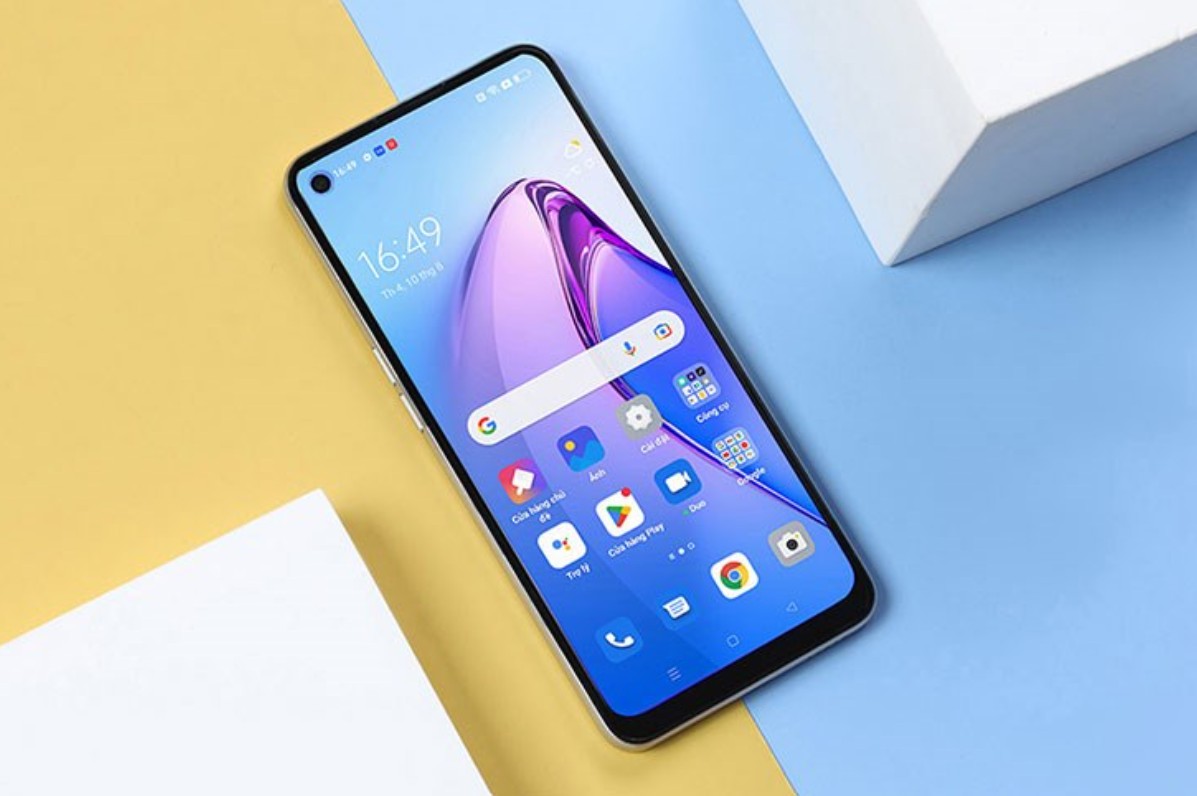
A defining characteristic of mobile operating systems is their intuitive touch interface. Users can interact directly with the screen using touch, swipe, or drag-and-drop gestures. This makes usage easy and suitable for everyone, even those who are not tech-savvy.
Mobile operating systems are also often built on a more closed ecosystem model. App installation, system updates, and security management are all tightly controlled to ensure user safety. While limiting deep customization, this approach provides stability and consistency in the user experience.
1.3 Comparison of computer and mobile operating systems
The differences between computer and mobile operating systems clearly reflect the intended use of each type of device. Computer operating systems are geared towards professional work, processing large amounts of data, and high multitasking capabilities. Meanwhile, mobile operating systems focus on convenience, responsiveness, and everyday user experience.
In terms of interface, computer operating systems typically support multiple windows running simultaneously, suitable for large screens and mouse and keyboard operation. Conversely, mobile operating systems prioritize a full-screen, minimalist interface to suit smaller display spaces.
However, the lines between these two types of operating systems are gradually blurring. The emergence of tablets, hybrid devices, and multi-platforms shows a trend towards combining the advantages of both, providing a more flexible and comprehensive user experience.
2. Common Types of Operating Systems
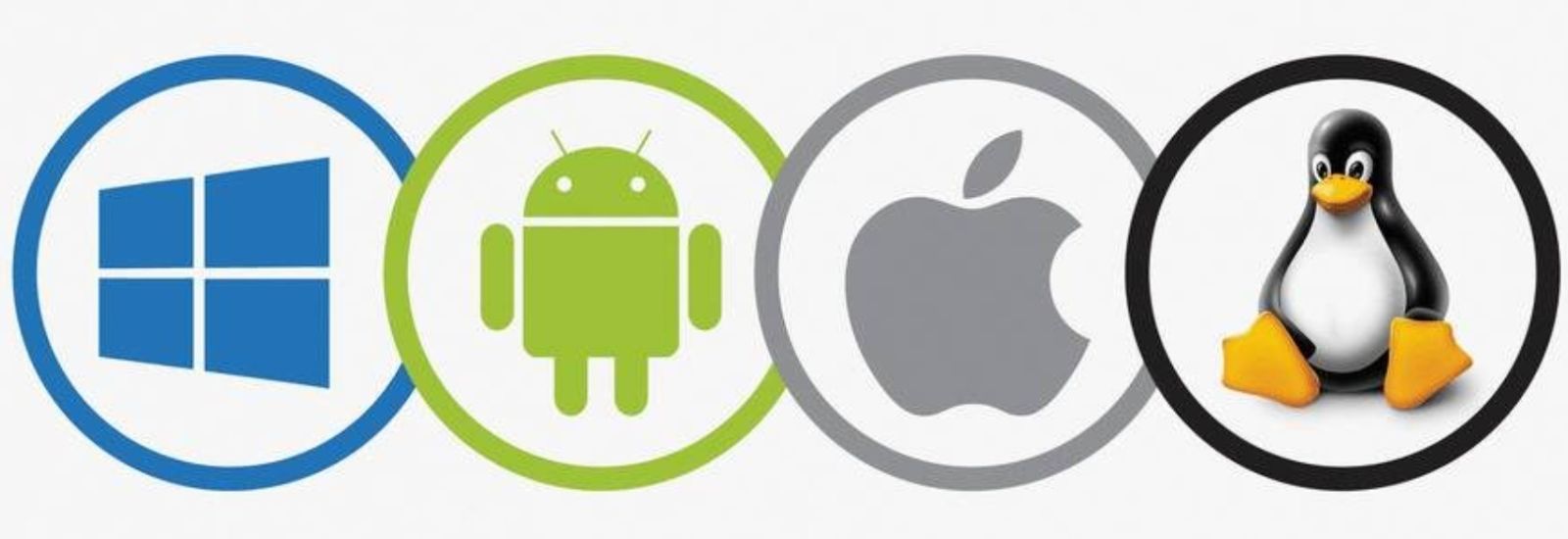
Over decades of development, operating systems have continuously improved to meet the increasingly diverse needs of users. Currently, the operating system market is divided into two main groups: operating systems for computers and operating systems for mobile devices. Each group has its own representative models with different design philosophies and target user groups.
2.1 Operating systems for computers
Computer operating systems serve as the foundation for most learning, working, and content creation activities. Among them, Windows, macOS, and Linux are the three most popular and influential operating systems.
2.1.1 Windows
Windows is the most popular computer operating system in the world, developed by Microsoft. With its user-friendly interface, ease of use, and wide compatibility, Windows is suitable for a wide range of users, from individuals to businesses.
One of the biggest advantages of Windows is its rich software ecosystem. Most popular applications today support Windows, including office software, graphic design, video editing, and programming. This makes it easy for users to find the right tools for their work needs.
However, due to its widespread use, Windows is also frequently targeted by security threats. Therefore, users need to pay attention to system updates and use appropriate protective measures.
2.1.2 macOS
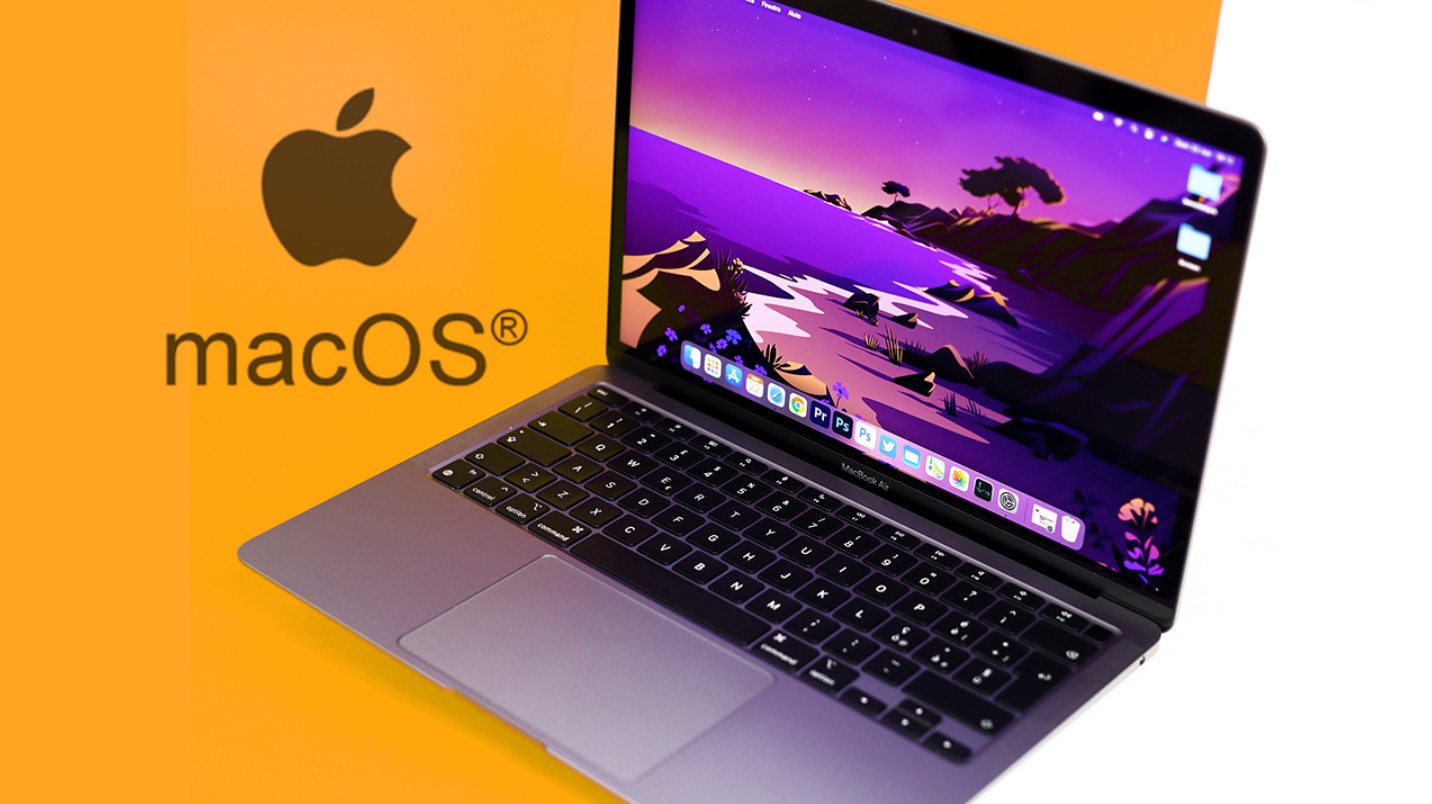
macOS is Apple's proprietary operating system, designed specifically for Mac computers. macOS's strengths lie in its stability, high performance, and excellent optimization between hardware and software.
In the field of design, macOS is highly regarded by many experts for its precise color management and sophisticated interface. Apple's synchronized ecosystem also allows users to work seamlessly across multiple devices.
The downsides of macOS are its high initial investment cost and limited hardware customization options. However, for those who prioritize user experience and long-term stability, macOS remains a worthwhile choice.
2.1.3 Linux
Linux is an open-source operating system developed by a global community. Linux is known for its high security, strong customization capabilities, and stable performance.
Although not popular with the average user, Linux is widely used in server, programming, and research environments. For those with technical expertise, Linux offers a level of freedom and control that few other operating systems can match.
2.2 Operating Systems for Mobile Devices
The rapid development of smartphones has made mobile operating systems an indispensable part of modern life. Android and iOS are the two platforms that dominate this market.
2.2.1 Android
Android is a mobile operating system developed by Google, based on the Linux kernel, notable for its open-source philosophy and high customizability. Android is used on a wide range of devices from various manufacturers such as Samsung, Xiaomi, OPPO, Vivo, and Google Pixel, spanning from entry-level to high-end segments. This diversity allows Android to reach a massive user base worldwide.
One of the biggest advantages of Android is its flexible customization capabilities. Users can change the interface, launcher, widgets, and install many applications and supporting tools according to their personal needs. For developers, Android provides an open development environment, allowing them to experiment with new ideas and access a vast market through Google Play. Thanks to its large development community, the Android application ecosystem is increasingly rich, meeting needs ranging from basic to advanced, such as design, photo and video editing, and programming.
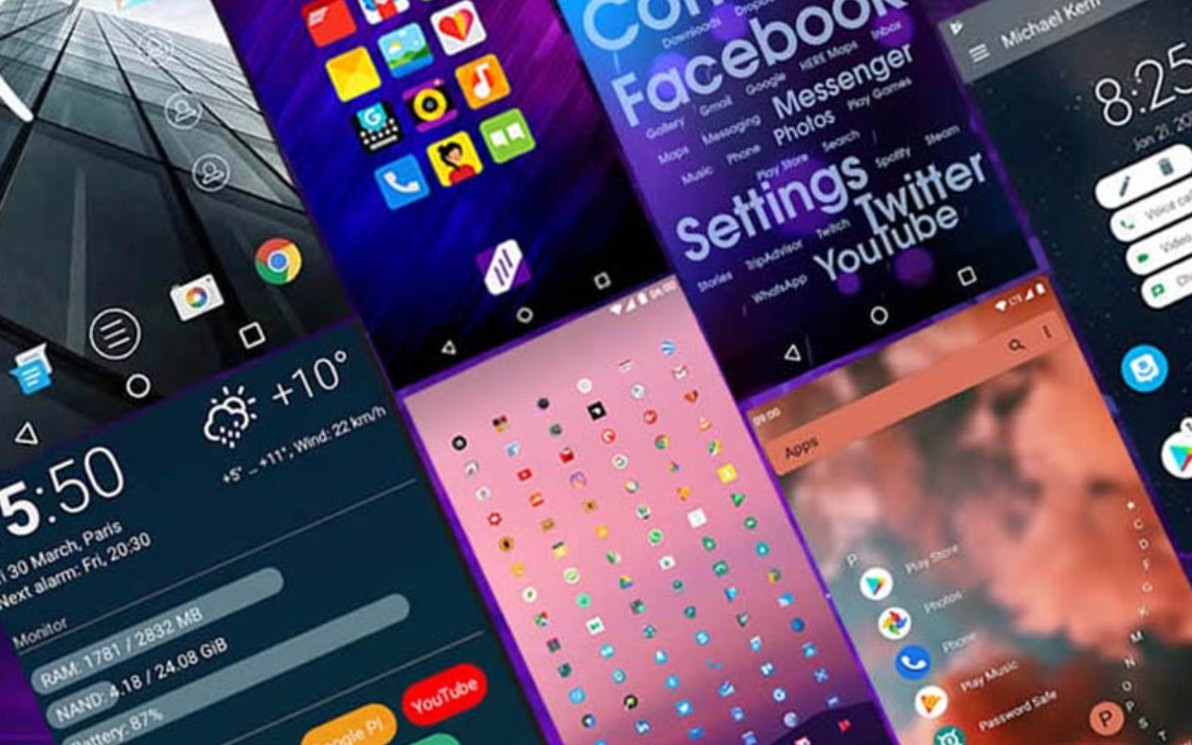
However, Android also has certain limitations. The fragmentation of operating system versions and device configurations results in an inconsistent user experience across manufacturers. Operating system updates and security patches often depend on the manufacturer, leading to many devices not receiving timely updates. This poses a significant challenge for security and long-term performance optimization.
2.2.2 iOS
iOS is a mobile operating system developed by Apple, designed exclusively for devices such as iPhones and iPads. Unlike Android, iOS pursues a closed ecosystem where hardware and software are tightly controlled by Apple. This is what creates high stability, smooth performance, and a consistent user experience across all devices.
iOS is highly regarded for its security, with strict app control mechanisms and simultaneous distribution of operating system updates to all compatible devices. This ensures users always have access to new features and important security patches as soon as possible. For content creators, iOS offers a distinct advantage thanks to its excellent hardware optimization, especially in tasks related to photography, video recording, image editing, and audio editing.
Furthermore, the iOS app ecosystem is generally high-quality and meticulously optimized in terms of interface and user experience. However, the drawback of iOS lies in its closed nature and limited customization options. Users find it difficult to deeply interact with the system, and the cost of iOS devices is often higher than the average price of Android devices.
Operating systems are the core foundation that determines how we interact with technology in our daily lives. Understanding what an operating system is, the characteristics of each type, and the differences between platforms helps users make choices that suit their personal and professional needs.Buy Genuine Licensed Software at Affordable Prices





VIP Products

Best Selling Products
Adobe Premiere Pro Account
99 USD
Genuine Adobe Illustrator account
99 USD
Autodesk All App Account Copyright
120 USD
Genuine Cheap Canva Pro
39 USD
Plugin Retouch4me
69 USD
MidJourney Account
29 USD
Upgrade Duolingo Super
29 USD
Upgrade genuine Capture One account
120 USD
Capcut Pro 1 Year
39 USD
Adobe Photoshop Copyright - Full App
120 USD
Upgrade Genuine Office 365
49 USD
Windows 10 & 11 Pro Key
36 USD
Copyright Adobe Lightroom Account
59 USD
Freepik Premium Account
59 USD
ChatGPT Plus Account (GPT-4)
16 USD