Best Selling Products
Adobe Photoshop Copyright - Full App
120 USD
Copyright Adobe Lightroom Account
59 USD
Windows 10 & 11 Pro Key
36 USD
Capcut Pro 1 Year
39 USD
Upgrade genuine Capture One account
120 USD
Upgrade Duolingo Super
29 USD
Adobe Premiere Pro Account
99 USD

Freepik Premium Account
59 USD
Genuine Cheap Canva Pro
39 USD
Upgrade Genuine Office 365
49 USD

MidJourney Account
29 USD

Autodesk All App Account Copyright
120 USD

ChatGPT Plus Account (GPT-4)
16 USD
Genuine Adobe Illustrator account
99 USD
Plugin Retouch4me
69 USD
Why Canon is still the first name that comes to mind when buying a camera.
Nội dung
- 1. Canon maintains a strong position in the camera market.
- 2. The image quality and colors are pleasing to the eye.
- 3. Intelligent autofocus system
- 4. Rich lens ecosystem, easy to upgrade.
- 5. There are options for both beginners and professional photographers.
- 6. User experience and familiarity with the brand.
- 7. Is Canon the best choice to buy?
- 8. Conclusion
Discover the factors that help Canon maintain its appeal in the camera market, from image quality and autofocus technology to its lens ecosystem and product diversity.
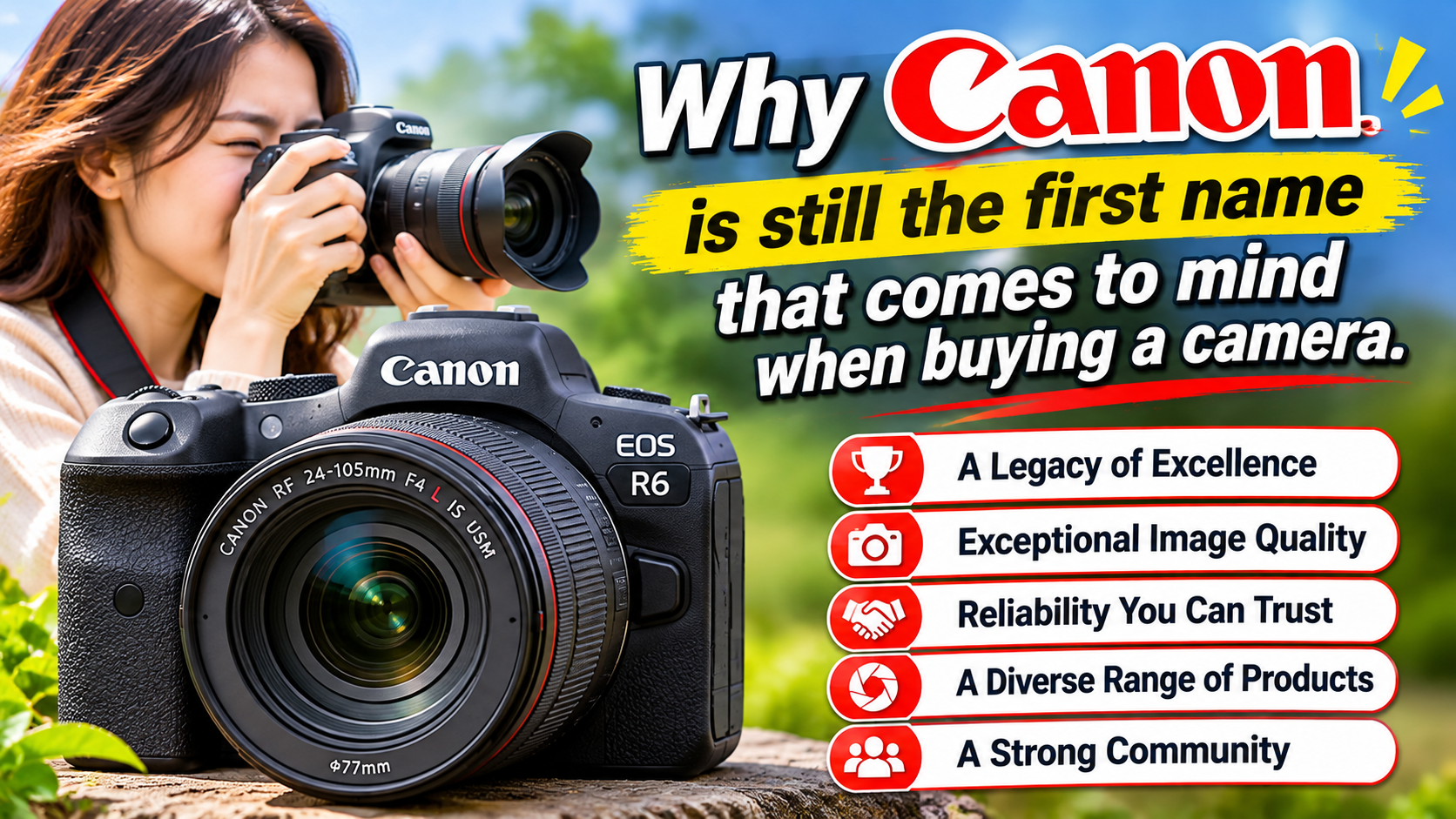
1. Canon maintains a strong position in the camera market.
One of the biggest reasons Canon continues to attract buyers is the brand's long-standing position in the photography industry.
According to an announcement on February 24, 2026, Canon maintained its leading position in the global interchangeable lens digital camera market share for 23 consecutive years, from 2003 to 2025. The company's product portfolio ranges from entry-level cameras to high-end models for professional photographers.
This gives users a significant advantage: they can start with an easy-to-use camera, then upgrade to a more advanced device while continuing to invest in the same camera and lens system.
However, a large market share doesn't always mean Canon is the best choice for everyone. Price, features, and usage needs remain the deciding factors.
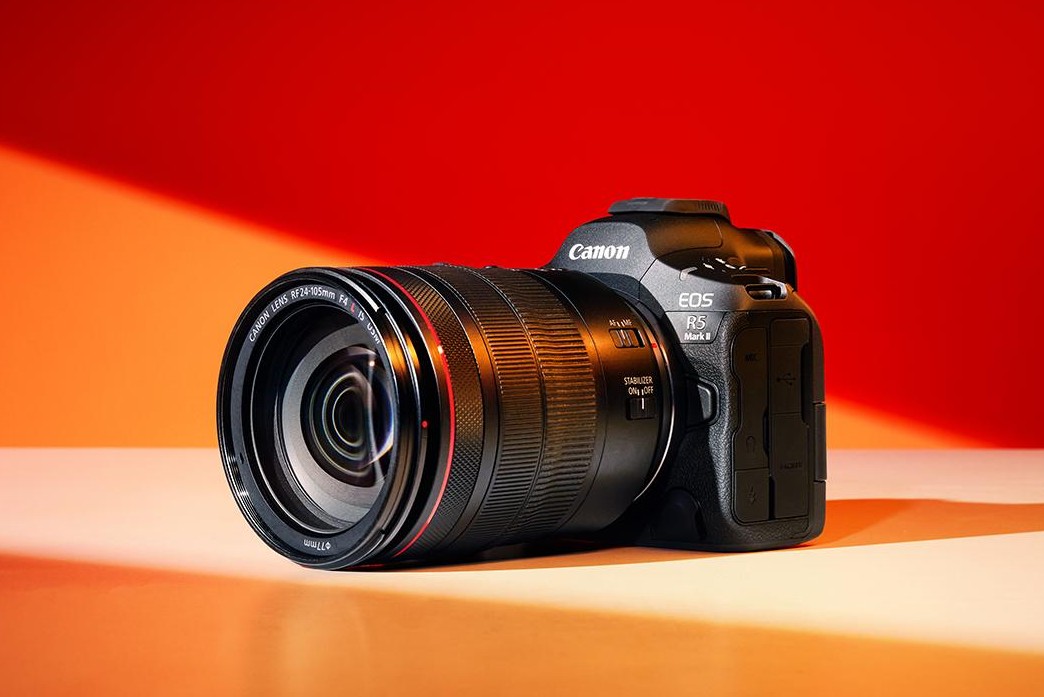
2. The image quality and colors are pleasing to the eye.
Image quality is a crucial factor when choosing a camera, and Canon is often highly regarded by users for its ability to reproduce pleasing colors, especially in portraits and event photography.
Some notable points include:
- Natural skin tones: Canon is favored by many portrait and wedding photographers for its easy-to-manage colors, although the actual results depend on lighting, lens, and color settings.
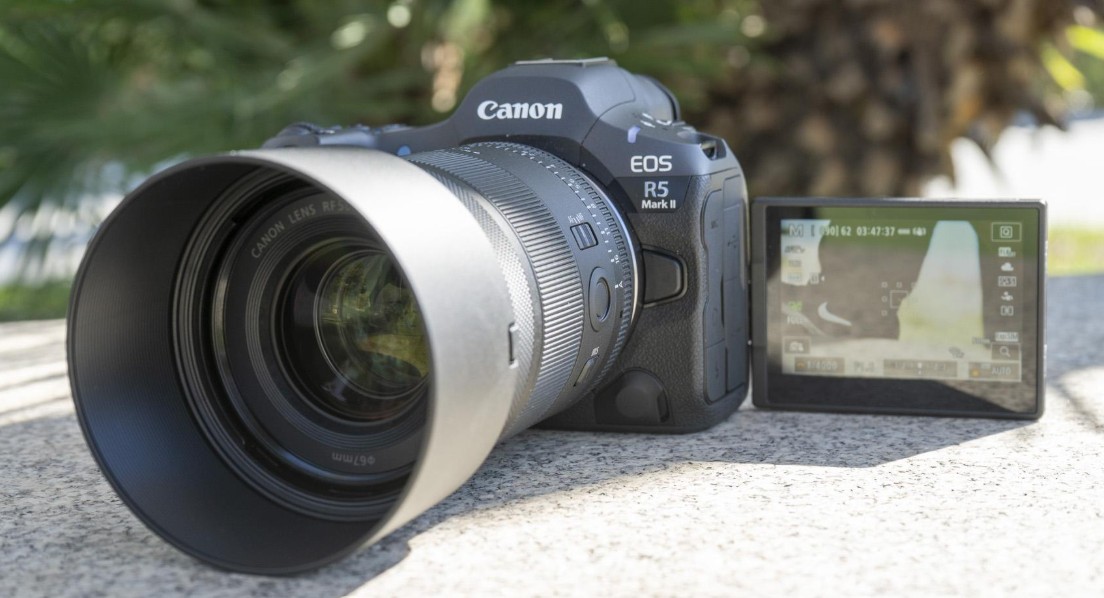
- Excellent detail: Cameras with high-resolution sensors like the EOS R5 Mark II are suitable for tasks requiring a lot of detail, from commercial photography to landscapes.
- Low-light shooting capability: Full-frame models like the EOS R6 and R5 have an advantage in image quality in low-light environments, depending on the model and settings.
- Flexible processing capabilities: Users can adjust JPEG images directly from the camera or shoot in RAW for more in-depth post-processing.
It's important to note that color accuracy isn't a unique advantage for Canon. Sony, Nikon, and Fujifilm also have their own strengths in sensors, color profiles, and image processing capabilities.

3. Intelligent autofocus system
One of the notable strengths of the latest Canon mirrorless cameras is their Dual Pixel CMOS AF focusing technology and subject recognition capabilities.
Depending on the model, the system can recognize faces, eyes, heads, and the human body; some models also support animal or vehicle recognition.
This technology is particularly useful in the following situations:
- Portrait photography: Helps maintain focus in the model's eyes as the subject moves.
- Photographing children and events: Avoid missing fleeting moments.
- Sports and wildlife photography: Supports tracking continuously moving subjects on suitable camera models.
- Video recording: Makes it easier to switch focus between subjects.
For beginners, good autofocus capabilities can help reduce the number of blurry photos. However, the effectiveness still depends on the lens, lighting conditions, shutter speed, and camera settings.
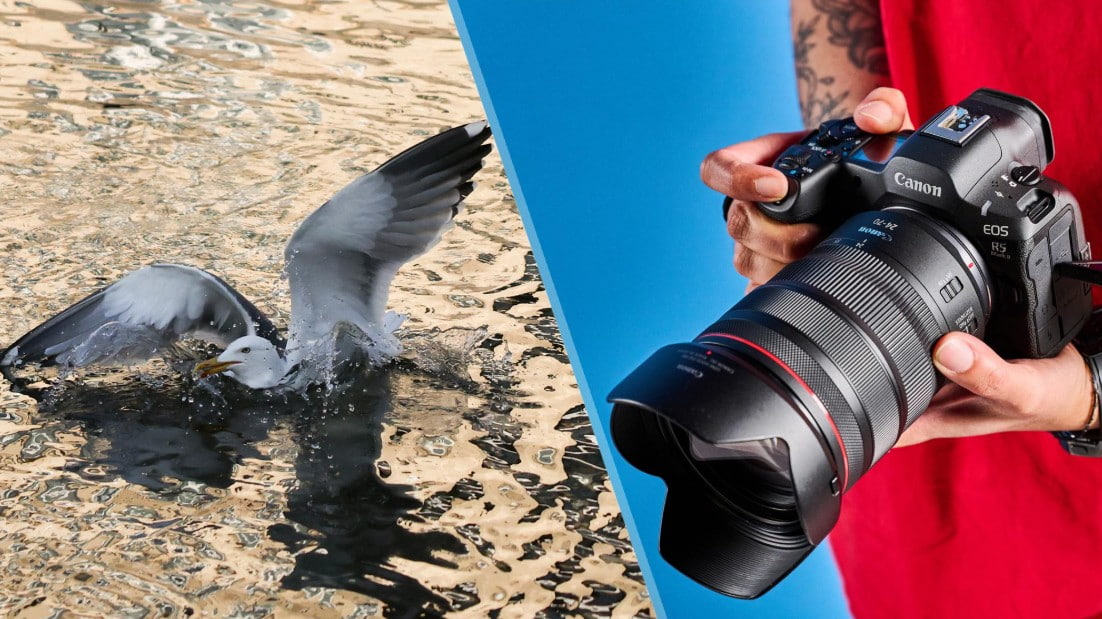
4. Rich lens ecosystem, easy to upgrade.
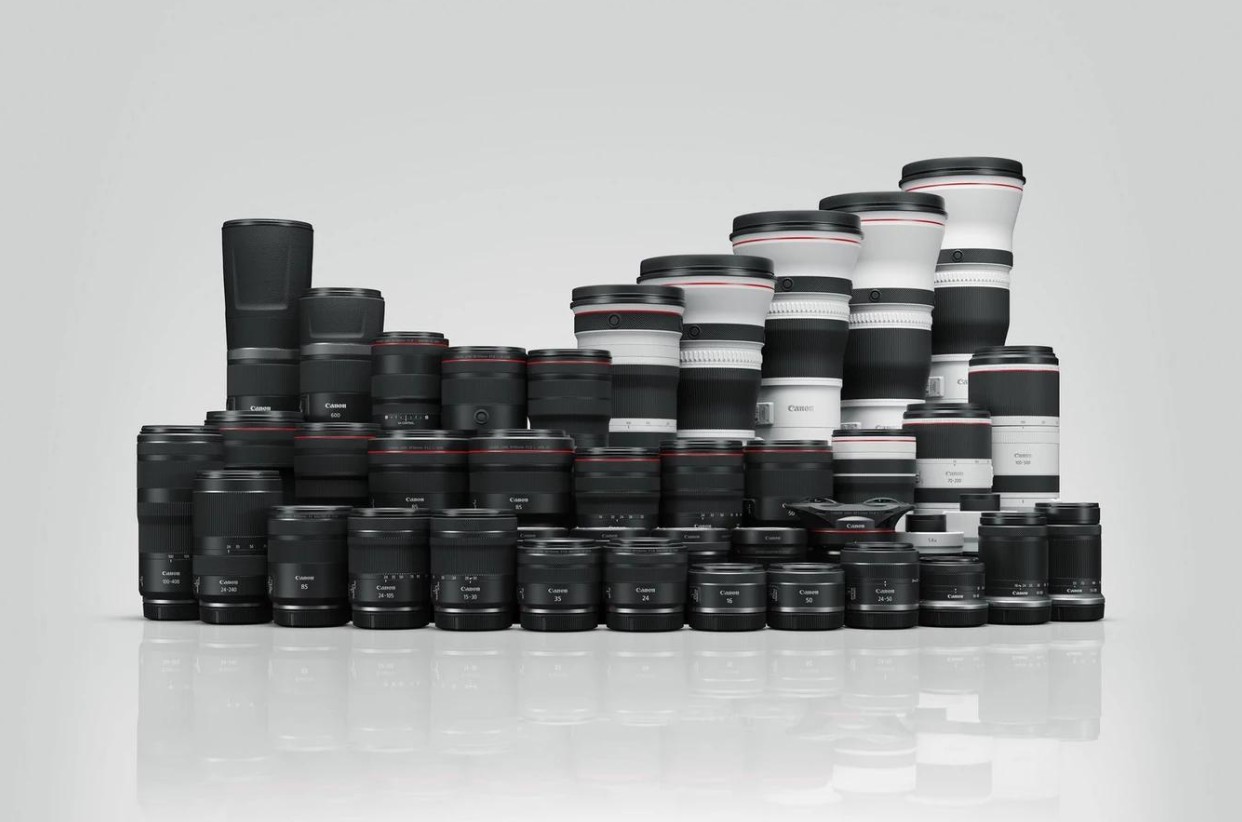
Buying an interchangeable lens camera isn't just about buying the camera body. In the long run, lenses can significantly impact your investment cost and image quality.
Canon is currently developing the EOS R system using the RF mount, with several options to serve different needs:
A significant advantage is that users can use many EF and EF-S DSLR lenses on the EOS R via a compatible adapter. This gives those who have previously invested in Canon systems more options when switching to mirrorless cameras.
However, not all lenses have the same level of compatibility or fully utilize their features on every camera body. Buyers should check specifically before investing.
5. There are options for both beginners and professional photographers.
Canon doesn't focus on a single customer group but builds many different camera lines for various uses.
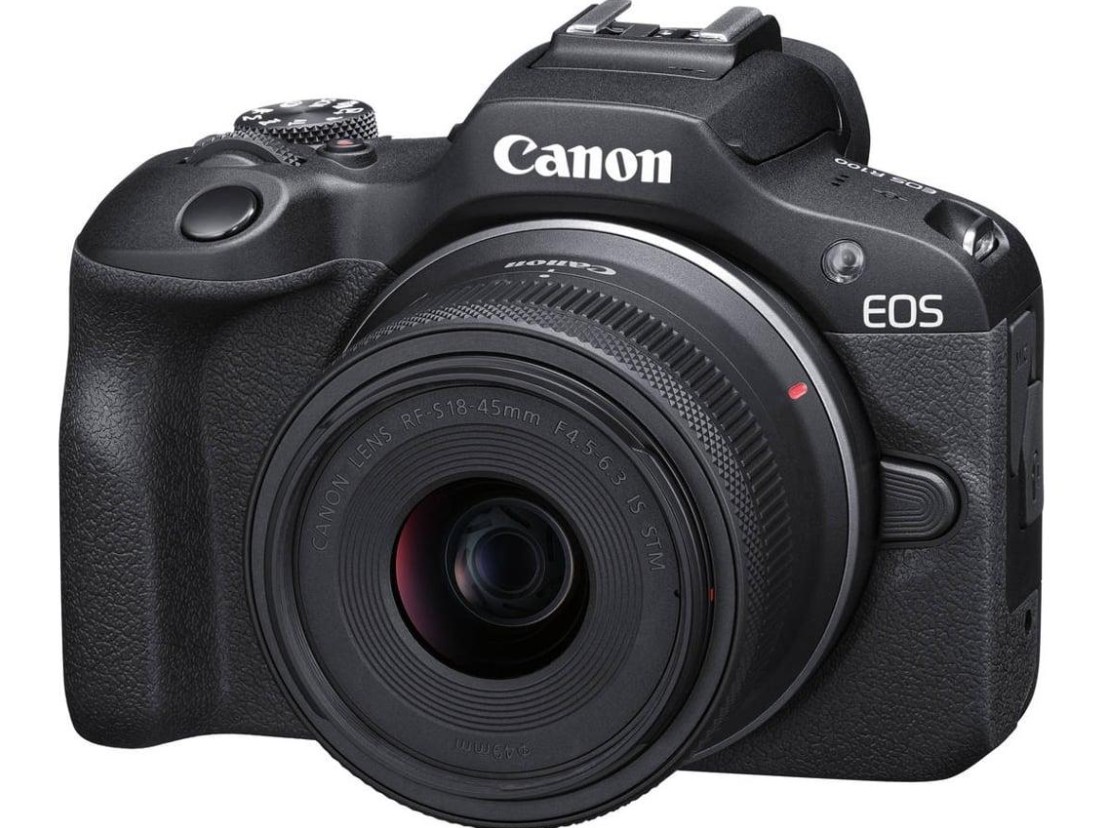
Canon EOS R100 – for beginners: Suitable for those who want to get acquainted with photography, take family photos, travel photos, and learn how to use interchangeable lens cameras.
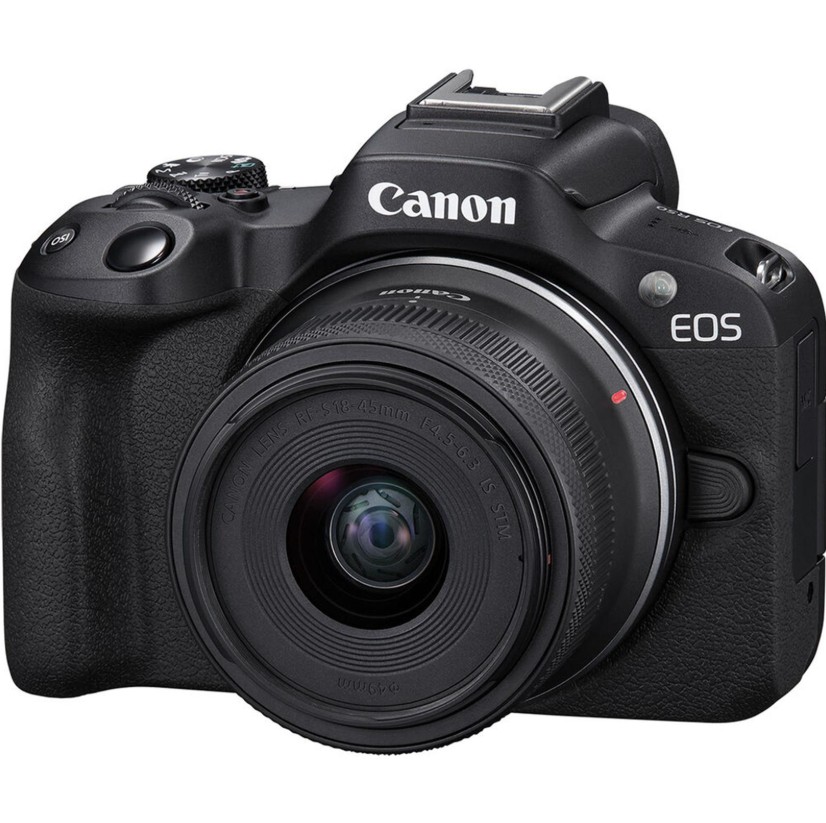
The Canon EOS R50 – designed for content creators: Featuring a 24.2 MP APS-C sensor, Dual Pixel CMOS AF II focusing, and uncropped 4K video recording at 30 frames per second, it's ideal for those who both shoot photos and create videos.
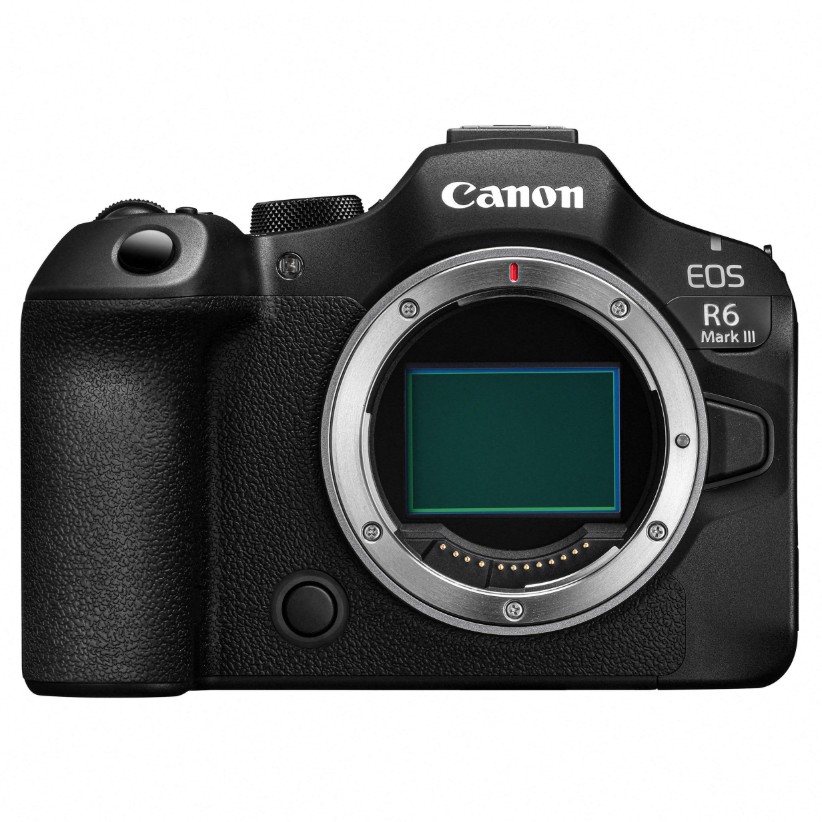
Canon EOS R6 – for advanced users: The R6 series is aimed at users who need fast shooting performance, good image quality, and the ability to combine photography and video recording. Choosing the right version according to your budget is essential.
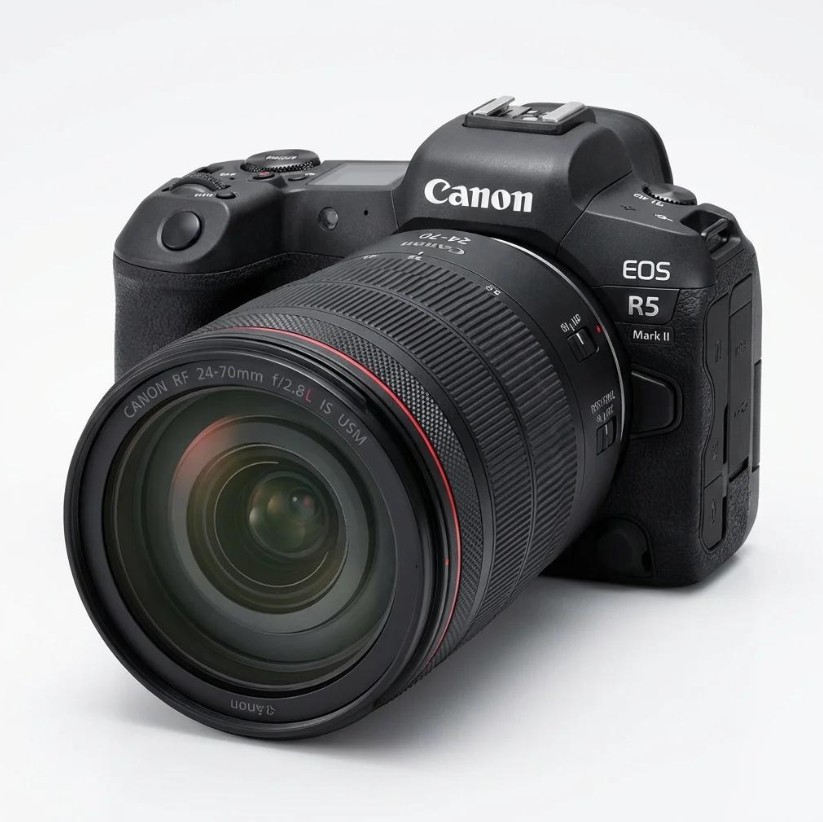
Canon EOS R5 Mark II – designed for professional work: A 45 MP full-frame sensor, high-speed continuous shooting, and 8K RAW video recording capabilities make it suitable for a wide range of demanding tasks.
The models above are just representative examples. Users should compare the specifications, prices, and actual features of each generation before making a decision.
6. User experience and familiarity with the brand.
Canon has a long history of developing cameras, so many people are familiar with the company's button layout, menu system, and workflow.
This familiarity is especially valuable for professional photographers. Once they have mastered a camera system, they can operate it faster, spend less time adjusting when switching to a camera body of the same system, and more easily maintain a consistent shooting, storage, and post-processing workflow.
In addition, buyers can find many tutorials, reviews, user experiences, and knowledge-sharing communities about Canon. This is a practical advantage for those new to photography.
However, the handling and control experience is still a personal one. Some people may prefer Fujifilm's compact design, Sony's focusing system, or Nikon's control layout. It's best to try the camera in person before buying.
7. Is Canon the best choice to buy?
The answer depends on the intended use. Canon is a worthwhile option, but not everyone needs to buy a Canon camera.
Before making a purchase, calculate the total cost including the camera body, lens, spare battery, memory card, and necessary accessories. A high-end camera body with an unsuitable lens may not necessarily yield better results than a more affordable system that is properly invested in.
8. Conclusion
Canon is often mentioned when buying cameras due to its combination of brand reputation, image quality, autofocus technology, lens ecosystem, and wide product range. The fact that the company maintained its leading position in the global interchangeable lens digital camera market share from 2003 to 2025 also demonstrates the brand's significant competitiveness.
However, the smart choice isn't to buy the most famous brand, but to find the camera that best suits your needs, budget, and shooting style.
If you're considering buying a camera for the first time, the Canon EOS R100 or R50 might be models worth looking into. If you're more experienced and need higher performance, compare the R6 and R5 series with comparable options from other manufacturers before making a decision.














VIP Products


Best Selling Products
Adobe Photoshop Copyright - Full App
120 USD
Copyright Adobe Lightroom Account
59 USD
Windows 10 & 11 Pro Key
36 USD
Capcut Pro 1 Year
39 USD
Upgrade genuine Capture One account
120 USD
Upgrade Duolingo Super
29 USD
Adobe Premiere Pro Account
99 USD
Freepik Premium Account
59 USD
Genuine Cheap Canva Pro
39 USD
Upgrade Genuine Office 365
49 USD
MidJourney Account
29 USD
Autodesk All App Account Copyright
120 USD
ChatGPT Plus Account (GPT-4)
16 USD
Genuine Adobe Illustrator account
99 USD
Plugin Retouch4me
69 USD