Best Selling Products
Upgrade Duolingo Super
29 USD
Capcut Pro 1 Year
39 USD
Adobe Premiere Pro Account
99 USD
Autodesk All App Account Copyright
120 USD
Upgrade Genuine Office 365
49 USD
Adobe Photoshop Copyright - Full App
120 USD
Genuine Cheap Canva Pro
39 USD

ChatGPT Plus Account (GPT-4)
16 USD
Genuine Adobe Illustrator account
99 USD
Upgrade genuine Capture One account
120 USD
Windows 10 & 11 Pro Key
36 USD
Plugin Retouch4me
69 USD

Copyright Adobe Lightroom Account
59 USD
Freepik Premium Account
59 USD

MidJourney Account
29 USD
Why Is YouTube Premium Increasing in Price and What Are Users Thinking?
Nội dung
YouTube Premium is facing a wave of backlash as subscription prices rise in multiple countries. Users are divided into two camps: those who continue paying for the convenience and enhanced experience, and those considering canceling to save money.
1. The Background Behind YouTube Premium Price Increases Worldwide
As the technology market gradually shifts toward direct subscription-based revenue models, YouTube Premium has undergone several pricing adjustments across different regions of the world. These increases have not occurred simultaneously everywhere, but the trend is spreading from developed markets to rapidly growing regions. In some countries, the new pricing is significantly higher than before, especially for family plans or long-term individual subscriptions that once offered attractive rates. This has surprised many users because the change is not only reflected in the numbers but also in how YouTube, owned by Google, is repositioning the value of its service.
Looking more broadly, YouTube Premium's price increase is not an isolated event but part of a wider trend within the technology industry. Digital content platforms are increasingly facing infrastructure, storage, and bandwidth costs as the volume of uploaded and consumed video content grows exponentially. At the same time, sharing revenue with millions of content creators makes profitability more complex. Meanwhile, advertising revenue is heavily affected by fluctuations in the global economy, forcing platforms to seek more stable revenue streams.
.jpg)
Another factor contributing to the perception of a “significant price increase” is YouTube’s stricter enforcement of geographic subscription policies. Previously, many users took advantage of pricing differences between countries to subscribe to Premium at lower rates. However, as the platform has begun tightening controls on this behavior, users are required to pay official local pricing, causing actual costs to rise noticeably. This has not only changed consumer behavior but also created the impression that the service is becoming “more expensive,” even if the official listed price has increased only moderately.
2. Mixed Reactions from Users
Immediately after the pricing changes were announced, the user community quickly split into different groups of opinion. A considerable number of users expressed disappointment and argued that the new prices were too high relative to the value they received. These users often compare YouTube Premium with services such as Netflix or Spotify, where they feel the content is more exclusive and professionally produced. To them, YouTube remains fundamentally a free platform, and paying simply to remove ads or unlock a few additional features is not enough to justify a higher subscription fee.
Some users also believe the changes came too quickly and without a clear roadmap, making them feel “forced” to accept the new pricing. Long-time subscribers who previously enjoyed discounted rates tend to react even more strongly because they have become accustomed to lower costs and find sudden increases difficult to accept.
On the other hand, another group of users views the situation more positively. They believe YouTube Premium provides a seamless experience free from interruptions caused by advertisements, helping save time and improve overall usability. These users are often heavy consumers who spend substantial time on the platform not only for entertainment but also for learning, work, and staying informed. For them, the value lies not in individual features but in the overall experience the service provides.
.jpg)
3. Why Do Many People Continue Paying?
First, YouTube offers a content ecosystem with virtually no direct competitor. Unlike traditional streaming services that rely on professionally produced content, YouTube is built around a community of millions of creators worldwide. This creates an enormous and highly diverse content library covering education, entertainment, technology, lifestyle vlogs, and specialized topics. This diversity has made YouTube an indispensable part of many people’s daily routines.
Second, the ad-free experience is an extremely important factor. As advertisements become more frequent and often longer, paying to remove them entirely becomes a reasonable choice for many users. Not only does this save time, but it also creates a smoother and more enjoyable viewing experience, especially when watching long videos or listening to music continuously.
In addition, features such as background playback and offline downloads provide significant practical value, particularly for mobile users. As people increasingly consume content while on the move, these features offer greater flexibility without relying entirely on an internet connection. Combined with YouTube Music, the service becomes a comprehensive entertainment solution capable of replacing multiple separate applications.
Another important factor is habit. Once users have become accustomed to YouTube Premium over an extended period, returning to the free version with advertisements can feel frustrating. This “psychological cost” encourages many people to maintain their subscriptions even when prices rise.
Viewed as a whole, YouTube Premium is more than just a video-streaming service; it is an entertainment ecosystem that combines multiple forms of value. The combination of extensive content, smooth user experience, and high convenience is what enables the service to retain users despite rising prices.
.jpg)
4. Factors Making Users Consider Leaving
Despite its many advantages, YouTube Premium still faces the risk of losing subscribers when prices exceed acceptable thresholds. The greatest pressure comes from increasingly intense competition in the digital services market. As users pay for multiple platforms simultaneously, they begin reassessing every subscription and prioritizing services that provide the clearest value. If YouTube Premium fails to differentiate itself sufficiently from Netflix or Spotify, it could easily end up on the list of expenses to cut.
Beyond competition, user psychology also plays a major role. Long-time subscribers often compare current prices with previous rates, making them more likely to feel a sense of “loss” when paying more for the same experience. Even if service quality remains unchanged, this feeling can reduce satisfaction and directly influence renewal decisions.
Furthermore, actual usage levels are a determining factor. For users who do not use YouTube frequently or only watch videos casually, features such as ad-free viewing and background playback may not be compelling enough to justify continued subscriptions after price increases. As users increasingly divide their attention among social media platforms and short-form video services, the relative value of YouTube Premium may decrease. When usage declines while costs increase, cancellation becomes a logical decision both economically and experientially.
.jpg)
5. Why Does YouTube Need to Raise Prices?
YouTube’s pricing adjustments are driven not only by cost pressures but also by the platform’s long-term strategic goals. Operating on a global scale requires maintaining a massive infrastructure that includes video storage, data delivery, and real-time content processing. At the same time, YouTube must share revenue with millions of creators, causing operational expenses to grow as the ecosystem expands.
Meanwhile, advertising revenue is no longer as stable as it once was due to economic uncertainty and changing user behavior. This forces YouTube to seek more sustainable revenue sources, and the Premium subscription model has become a key component of that strategy. Therefore, price increases are intended not only to offset costs but also to ensure long-term revenue stability.
In addition, the broader technology industry is increasingly adopting hybrid models that combine advertising and subscriptions, similar to the approaches taken by Netflix and Spotify. YouTube is gradually repositioning itself from a free platform into a comprehensive entertainment ecosystem where users can pay for a better experience.
However, the biggest challenge is not raising prices but demonstrating the service’s value. If users clearly perceive greater convenience, time savings, and improved experience, they will be more willing to accept higher fees. Conversely, if prices increase without a corresponding improvement in value, the decision could backfire and negatively affect long-term user loyalty.
In an increasingly competitive market, YouTube Premium will need to continue proving that it is worth the cost users pay. Ultimately, the decision to stay or leave will depend on each individual’s needs, habits, and personal evaluation of the experience in the digital era.















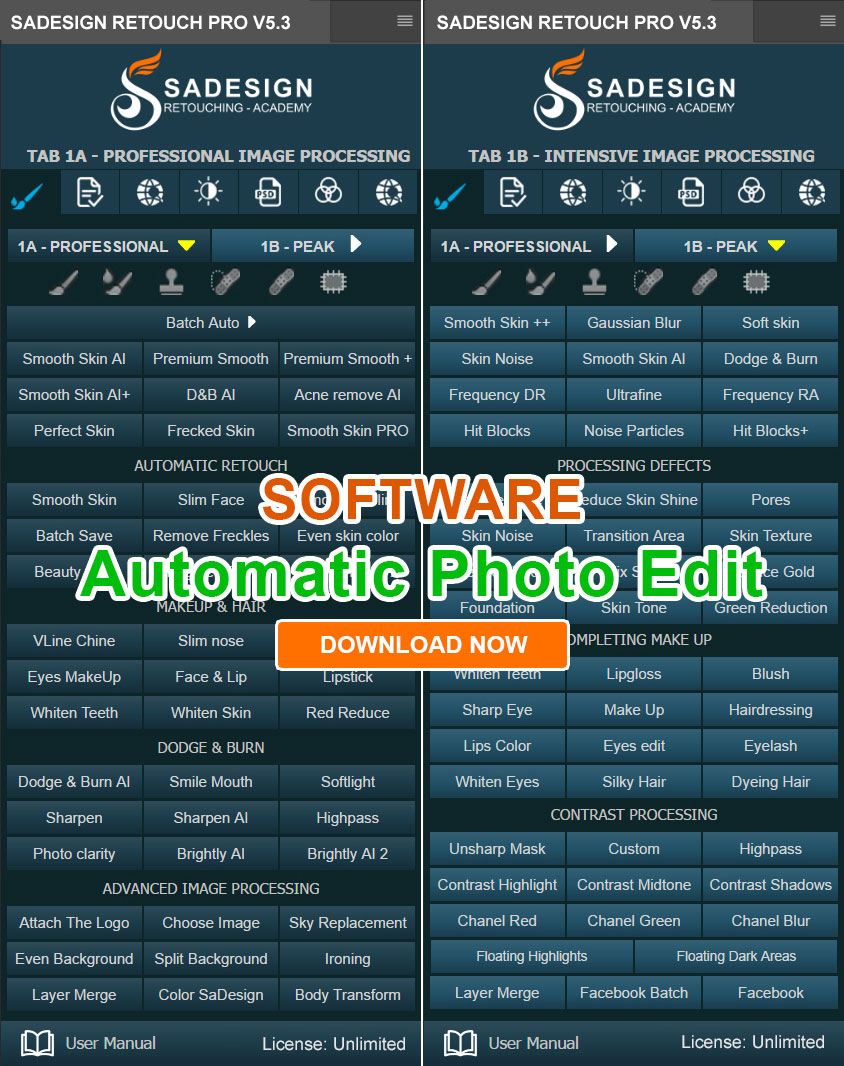

VIP Products

Best Selling Products
Upgrade Duolingo Super
29 USD
Capcut Pro 1 Year
39 USD
Adobe Premiere Pro Account
99 USD
Autodesk All App Account Copyright
120 USD
Upgrade Genuine Office 365
49 USD
Adobe Photoshop Copyright - Full App
120 USD
Genuine Cheap Canva Pro
39 USD
ChatGPT Plus Account (GPT-4)
16 USD
Genuine Adobe Illustrator account
99 USD
Upgrade genuine Capture One account
120 USD
Windows 10 & 11 Pro Key
36 USD
Plugin Retouch4me
69 USD
Copyright Adobe Lightroom Account
59 USD
Freepik Premium Account
59 USD
MidJourney Account
29 USD