Best Selling Products

MidJourney Account
29 USD

Genuine Adobe Illustrator account
99 USD

Genuine Cheap Canva Pro
39 USD

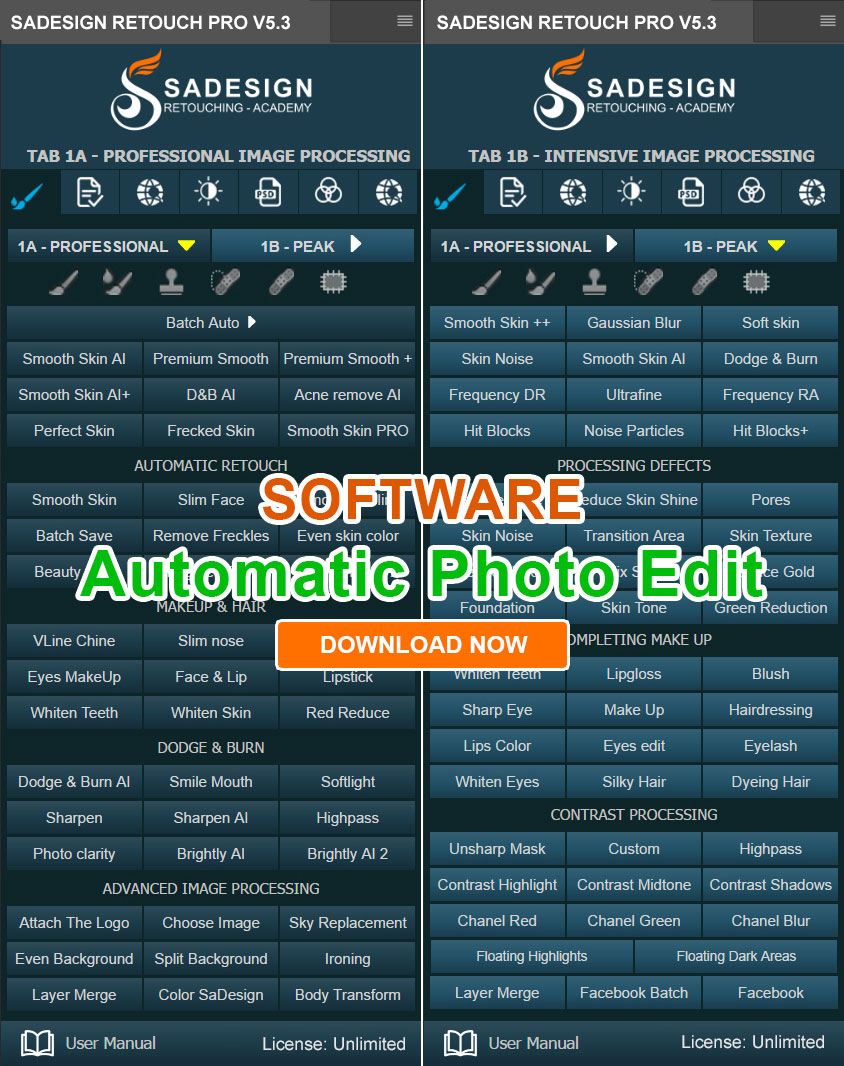
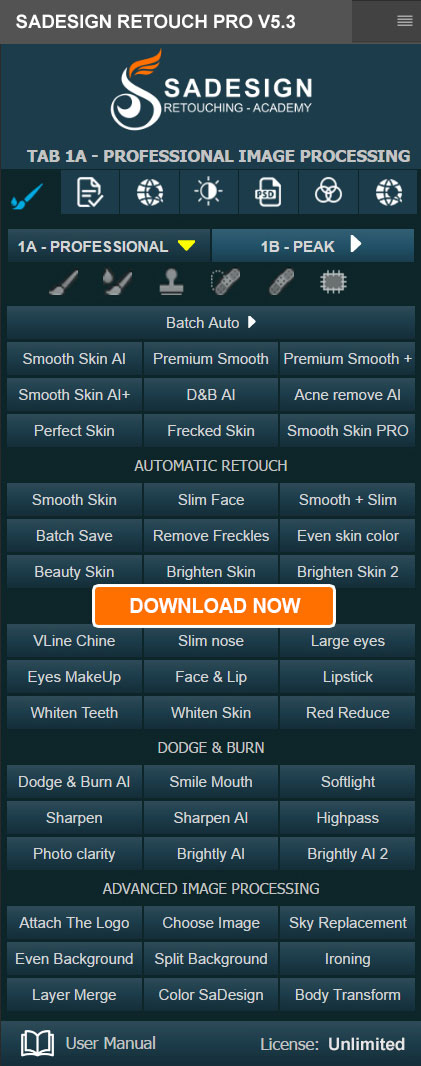
Plugin Retouch4me
69 USD

Capcut Pro 1 Year
39 USD
Adobe Premiere Pro Account
99 USD

Freepik Premium Account
59 USD

Windows 10 & 11 Pro Key
36 USD
Upgrade genuine Capture One account
120 USD
Adobe Photoshop Copyright - Full App
120 USD

Autodesk All App Account Copyright
120 USD
Copyright Adobe Lightroom Account
59 USD

ChatGPT Plus Account (GPT-4)
16 USD

Upgrade Genuine Office 365
49 USD

Upgrade Duolingo Super
29 USD
28 Popular Photography Genres to Help You Find the Right Passion
Nội dung
Not sure which style to pursue? This list will help you explore every option. From commercial photography to fine art, each genre offers its own opportunities. It helps you identify a direction that matches your interests and goals.
1. Photographing the Natural World
This is probably the photography genre that suits you best if you love plants, animals, or the outdoors.
Nature Photography: Learn the secrets of capturing spectacular nature and wildlife photographs. Since shooting conditions often involve weather and lighting that are beyond your control, it is important to plan ahead and prepare the right gear, whether you intend to photograph mountains, trees, or wildlife.
Landscape Photography: Learn how to manage timing, lighting, and the technical challenges involved in photographing beautiful scenery, dense forests, or vast deserts. Gain insights from experienced landscape photographers to understand the importance of tripods and discover the ideal lenses and shutter speeds.
Astrophotography: If you are constantly amazed by the mysterious night sky, try astrophotography, a form of long-exposure photography. By using a tripod and extremely long shutter speeds, you can capture breathtaking star-filled skies, time-lapse sequences, and light trails that illustrate the movement of stars across the sky due to Earth’s rotation.
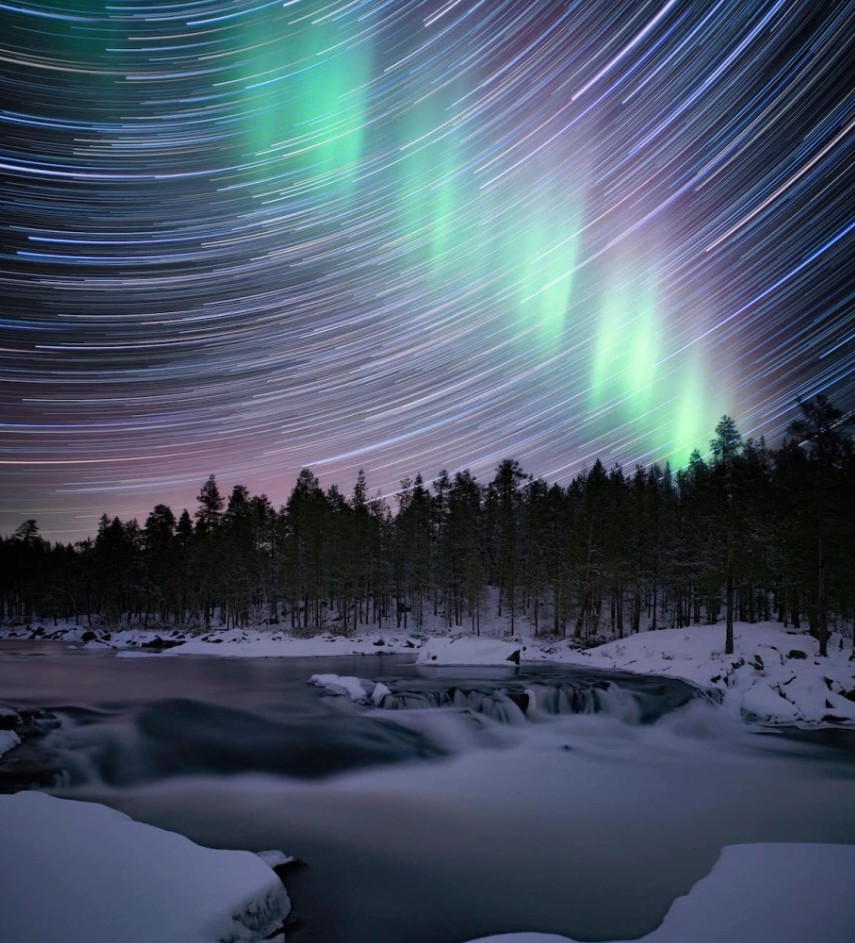
Storm Photography: If you are fascinated by the atmosphere and dramatic skies, explore weather and storm photography. Learn about lightning photography and how to safely capture stunning weather images. With patience, skill development, and good timing, you can create incredible photographs.
Pet Photography: Capture intimate and close-up portraits of beloved pets. Animal photography comes with its own challenges, but careful preparation and adaptability can help you achieve remarkable results. In addition, learn post-processing techniques to make photographs of dark-furred dogs and cats stand out.
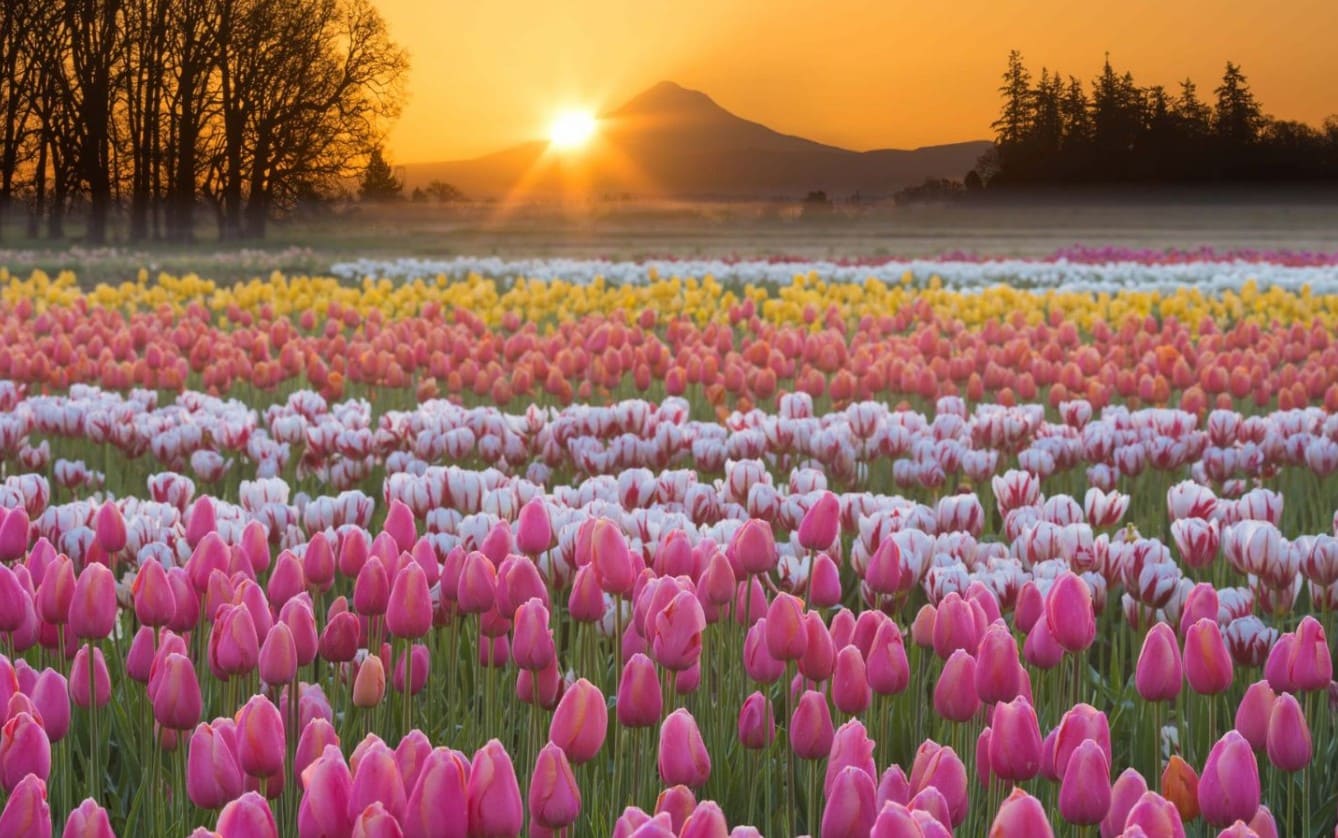
Macro Photography: Whether photographing insects, tiny birds, flowers, or fruit, macro photography enlarges small subjects into fascinating works of art. This genre often requires a macro lens and an extremely shallow focal plane, making stability essential. With the right techniques and expert advice, you can uncover the hidden world of miniature creatures.
Flower Photography: If you are more passionate about plants than animals, flower photography may be your perfect match. For beginners, these stationary subjects provide an ideal opportunity to
learn about shallow depth of field, lighting, exposure, and other essential photography skills.
2. Capturing Cityscapes and Architectural Structures
When photographing man-made structures, your goals can be artistic or commercial. Depending on your objective, different techniques can help you present buildings from their most compelling perspectives.
Architectural Photography: Whether photographing skyscrapers or Gothic gargoyles, architectural photography aims to showcase the unique character of structures and highlight their most captivating details. A wide-angle lens and knowledge of natural light photography are essential.
Real Estate Photography: If your goal is commercial, consider real estate photography as a career opportunity. Learn equipment selection, lighting techniques, and foundational skills that will help you excel in property photography.
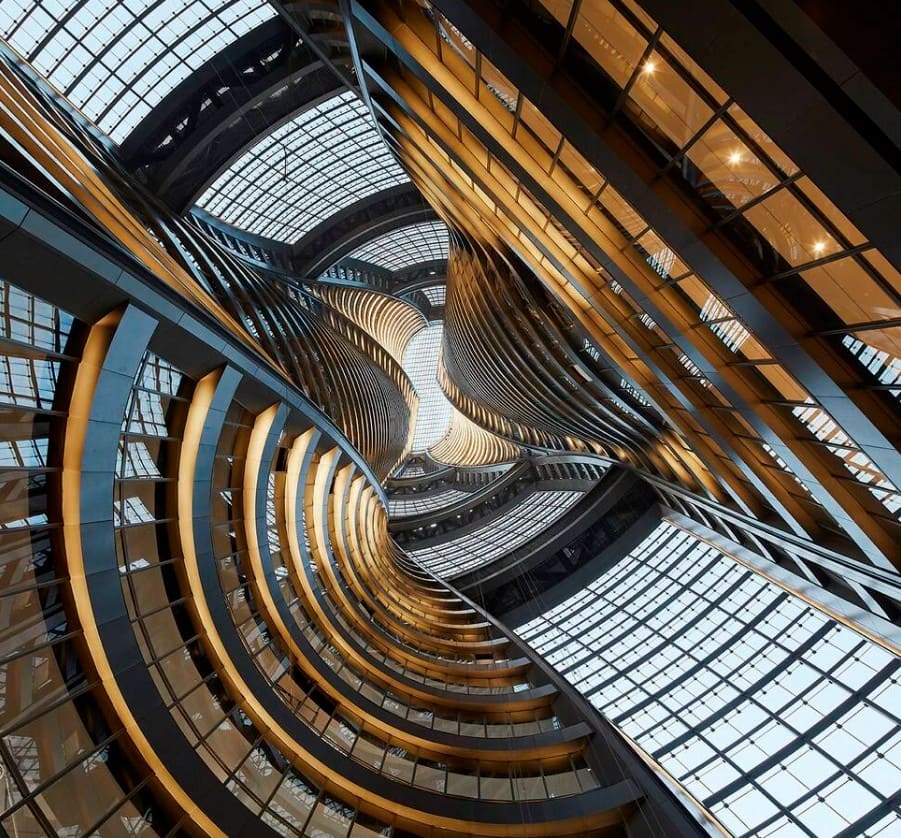
Drone Photography: While elevated camera positions can capture natural scenery, drones offer unique perspectives of buildings, highways, and bridges. Learn about the challenges of drone operation and discover the best techniques for creating stunning aerial images.
Aerial Photography: Aerial photography includes any image captured from an elevated viewpoint, including those taken with drones. Whether shooting from a helicopter or atop a skyscraper, explore the fundamentals of this exciting photographic approach.
3. Photographing People
From fashion photography to personal portraits, this category is ideal if you enjoy photographing people.
Portrait Photography: Portrait photographers must master camera techniques while making their subjects feel comfortable. A great portrait is not only visually appealing but also tells a story about the person being photographed. Learn lighting techniques as well as posing methods to improve portrait quality.
Headshot Photography: This is a more commercial form of portrait photography. Headshots are professional photographs used for resumes, websites, and social media profiles. Learn the differences between portraits and headshots, as well as techniques for creating polished images with minimal editing.
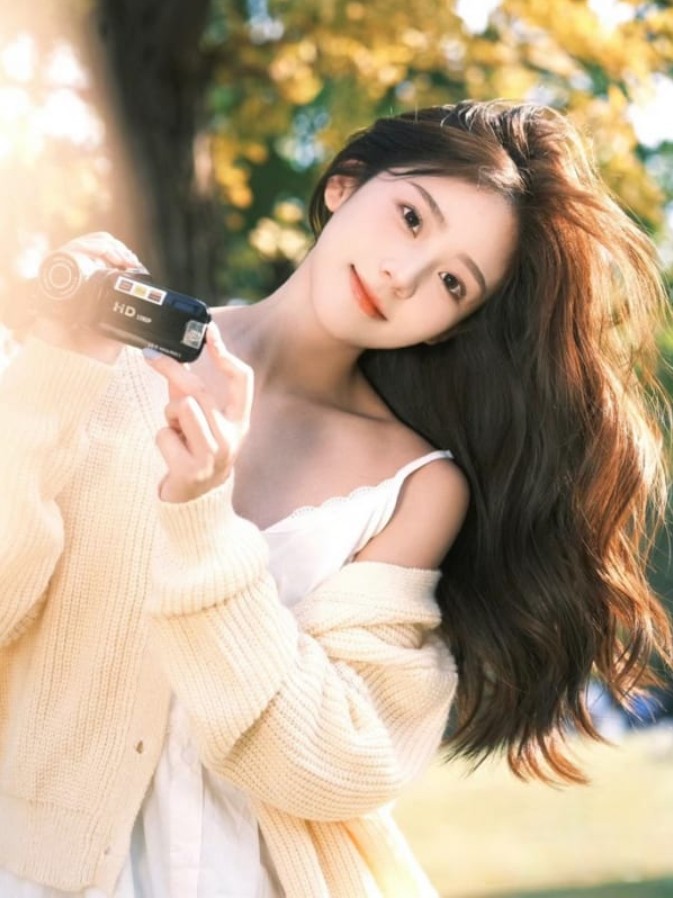
Fashion Photography: Work with models to create stylish imagery. Whether photographing runway shows, catalogs, or editorial campaigns, learn how to satisfy clients, direct models, and capture visually compelling photographs.
Sports Photography: While live sports photography often falls under photojournalism, commercial sports photography focuses on promoting apparel and products worn by athletes. Regardless of your preferred area, success requires the ability to work in fast-paced environments with constantly moving human subjects.
Documentary Photography: Whether you are a passionate photographer or simply someone with a curious nature, documentary photography is ideal for capturing community events and important aspects of life. Unlike staged photography, documentary photography seeks to record reality and tell authentic stories through images.
4. Lifestyle Photography
Whether documenting major life events or everyday moments, lifestyle photography allows you to capture people and the world around you in a natural and authentic way.
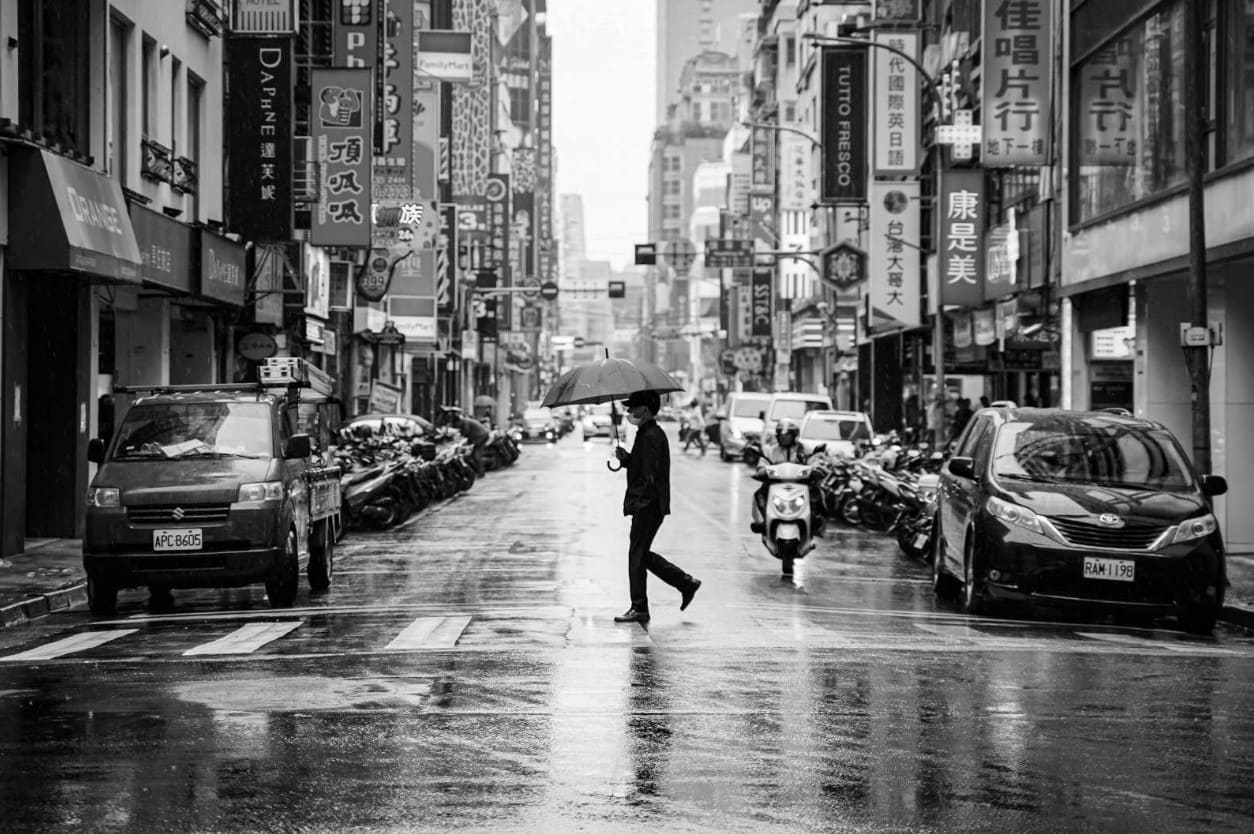
Street Photography: A great starting point for aspiring photographers, street photography focuses on documenting life within a particular environment. From bustling markets to local parks, photographers who can discover fresh perspectives within familiar surroundings will create compelling street images.
Wedding Photography: Photographing a couple’s special day comes with significant responsibility. However, with proper equipment, preparation, and skill development, you can create stunning wedding photographs. Learn the technical requirements and environmental challenges that wedding photographers face throughout long and busy shooting days.
5. Learning Commercial Photography Skills
If you want to turn photography from a hobby into a source of income, these photography genres may be your ideal path.
Food Photography: If you can create images that make viewers crave the food they see, you may find opportunities photographing restaurant advertising, menus, and hospitality websites. It is also a valuable skill for social media content creation. Food photographers can even license their work as stock photography. Learn professional techniques for creating appetizing food imagery.
Product Photography: From sneakers and camping equipment to cosmetics, product photographers help brands showcase their products through clean and appealing imagery. Discover styling methods and editing techniques that elevate product photographs.

6. Creating Fine Art Photography
Explore new ways to create captivating imagery through different artistic approaches to photography.
Still Life Photography: The name says it all. Still life photography involves photographing inanimate objects arranged in a specific composition. From traditional fruit bowls to interesting collections of household items, still life is a broad category. The skills developed in still life photography are also highly useful in food and product photography.
Black-and-White Photography: This genre is not only a powerful source of artistic inspiration but also an excellent way to learn composition fundamentals without being distracted by color.
Fine Art Photography: From still life and landscapes to portraits, fine art photography is defined by the photographer’s intention to create artistic expression. Because the primary goal is artistic creation, this genre offers immense creative freedom.
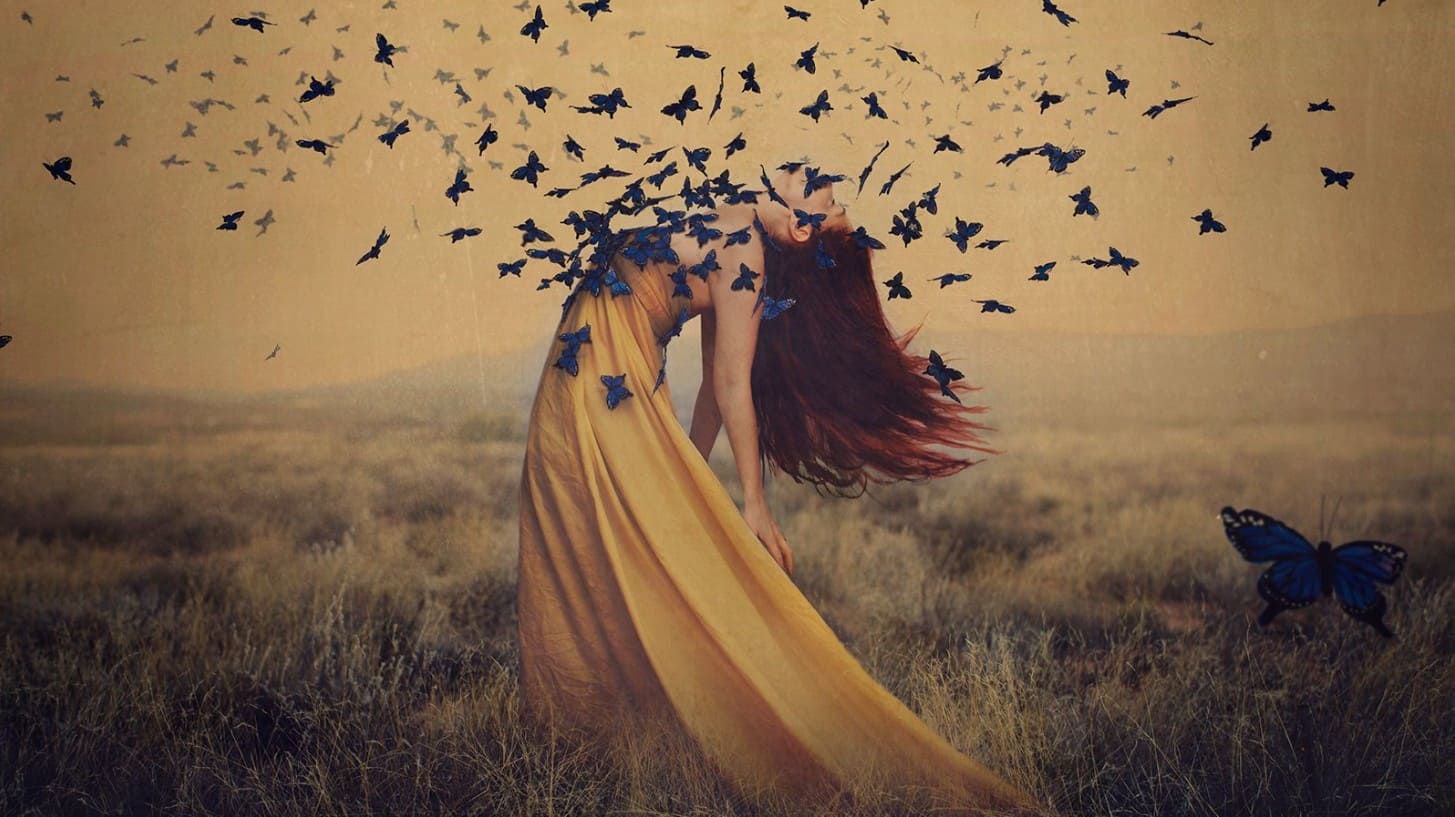
Double Exposure Photography: Once a technique that required manual effort, double exposure has become easier through digital editing software. By combining two images into a single composition, photographers can create unique visual effects. Learn the techniques and find inspiration for developing your own double-exposure style.
Surreal Photography: If your goal is to create images that spark curiosity and imagination, surreal photography is an excellent genre to explore. Surrealism presents recognizable subjects in dreamlike and unconventional ways. It is particularly suitable for photographers interested in creating composite images from existing photographs.
Abstract Photography: Abstract photography is a way of expressing personal perspectives. Zoom into cracked earth textures or pull back from aerial scenes to create striking visual interpretations. If you enjoy presenting familiar objects and landscapes from unusual viewpoints, abstract photography may be the perfect genre for you.
Photography is a journey of limitless exploration. Every genre offers a different way of seeing the world, from realism to creativity, from commercial applications to artistic expression. Understanding each style helps you choose the right direction, develop your skills, and discover your unique voice in photography.
















VIP Products





Best Selling Products
MidJourney Account
29 USD
Genuine Adobe Illustrator account
99 USD
Genuine Cheap Canva Pro
39 USD
Plugin Retouch4me
69 USD
Capcut Pro 1 Year
39 USD
Adobe Premiere Pro Account
99 USD
Freepik Premium Account
59 USD
Windows 10 & 11 Pro Key
36 USD
Upgrade genuine Capture One account
120 USD
Adobe Photoshop Copyright - Full App
120 USD
Autodesk All App Account Copyright
120 USD
Copyright Adobe Lightroom Account
59 USD
ChatGPT Plus Account (GPT-4)
16 USD
Upgrade Genuine Office 365
49 USD
Upgrade Duolingo Super
29 USD