Best Selling Products

Windows 10 & 11 Pro Key
36 USD
Adobe Photoshop Copyright - Full App
120 USD

Adobe Premiere Pro Account
99 USD

Copyright Adobe Lightroom Account
59 USD

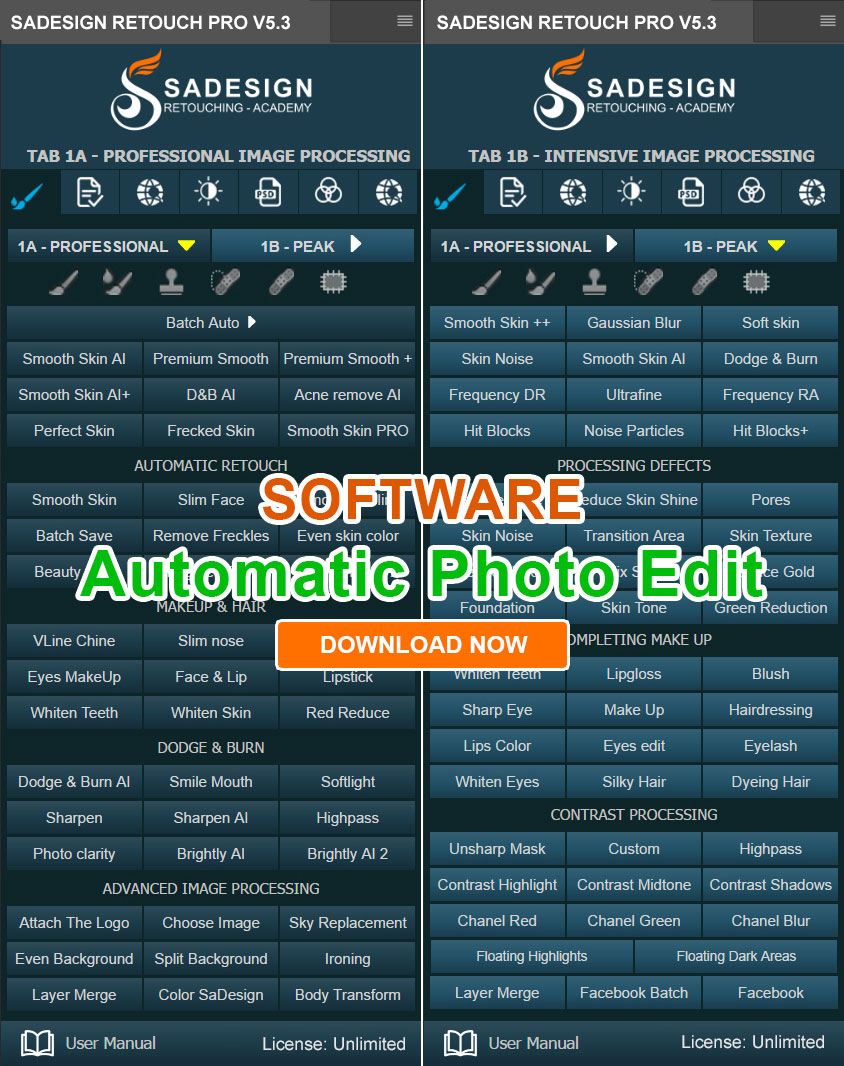
Plugin Retouch4me
69 USD

Genuine Adobe Illustrator account
99 USD

MidJourney Account
29 USD

Capcut Pro 1 Year
39 USD

Upgrade genuine Capture One account
120 USD

ChatGPT Plus Account (GPT-4)
16 USD

Freepik Premium Account
59 USD

Upgrade Genuine Office 365
49 USD

Autodesk All App Account Copyright
120 USD
Upgrade Duolingo Super
29 USD
Genuine Cheap Canva Pro
39 USD
5 mistakes in Christmas packaging design that cause customers to turn away.
Nội dung
- 1. Overuse of color and decorative details
- 2. Lack of connection between Christmas packaging and brand identity.
- 3. The Christmas packaging is beautiful but lacks practicality.
- 4. Copying ideas instead of creating a unique identity.
- 5. Neglecting the element of sustainability.
- 6. Christmas packaging design that evokes emotions.
Not all colorful or elaborate packaging is effective. Many brands make mistakes that cause customers to lose interest at first glance.

Every Christmas season, brands strive to give their products a "new look" that embodies the festive spirit. Christmas packaging is not just an aesthetic tool or a form of decoration; it's also a means of conveying emotions, evoking experiences, and creating a deeper connection between the brand and its customers.
However, creating effective Christmas packaging is never easy. Many businesses make seemingly small mistakes that significantly impact brand recognition, customer sentiment, and even sales during peak season. These errors stem not only from a lack of expertise but also from a "follow the crowd" mentality, a "the bigger the better" mindset, or a tendency to imitate current trends.
This article will delve into the five most common mistakes when designing Christmas packaging , while suggesting optimal solutions based on practical experience and 2025 design trends. The ultimate goal is not only to help brands avoid errors, but also to create truly soulful and highly functional packaging that aligns with the company's identity and effectively conveys the festive spirit.
1. Overuse of color and decorative details
When thinking of Christmas, people often immediately picture warm red, vibrant green, pristine white, and sparkling gold. These familiar colors always evoke a feeling of excitement, joy, and energy. However, precisely because they are so characteristic, many brands often make the mistake of overusing colors and decorative patterns, making packaging cluttered, lacking focus, and losing the necessary sophistication.
It's not uncommon to see packaging designs covered in snowflakes, reindeer, Santa Claus, Christmas trees, gifts, and golden bells, all vying for attention. This overcrowding doesn't create a complete Christmas atmosphere; on the contrary, it tires the viewer. Especially in an era where consumers increasingly prefer simplicity and optimal aesthetics, overly "flashy" designs are easily perceived as outdated and lacking artistic merit.
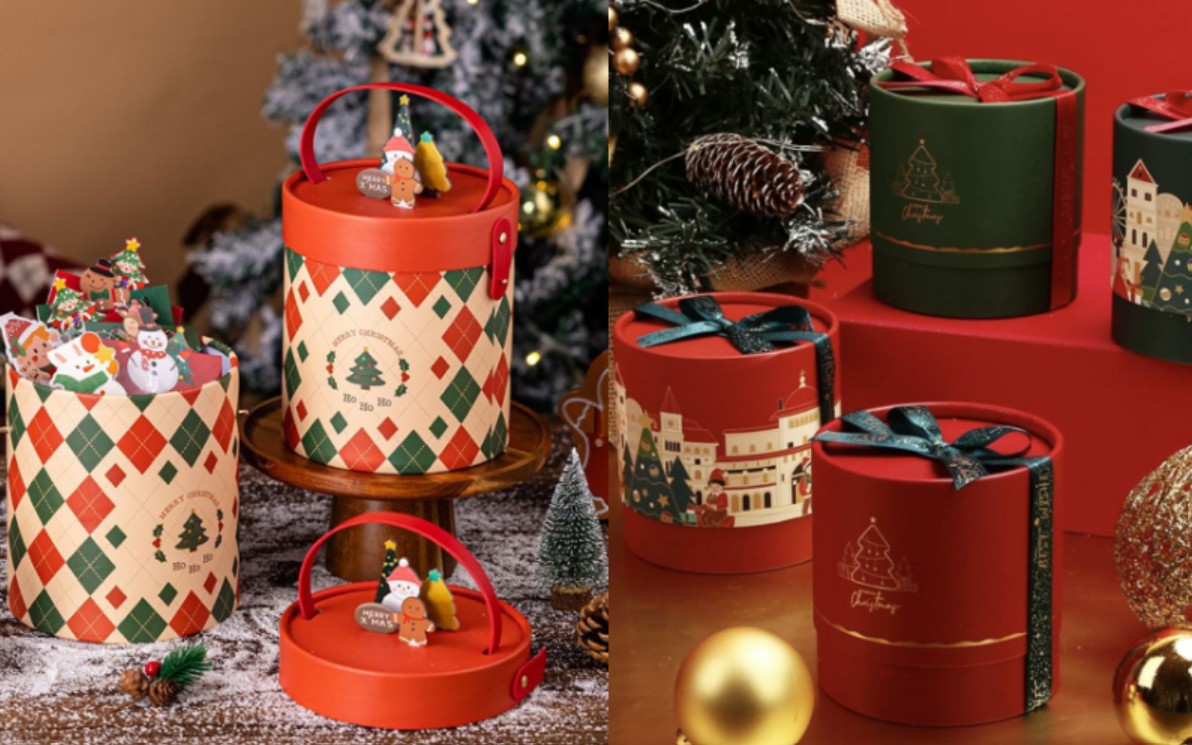
Another problem lies in the unintentional use of color. When too many warm colors appear at once, they create a cluttered effect, reduce visual focus, and blur the brand message. Beautiful packaging isn't about complexity, but about the ability to skillfully evoke emotions.
The solution lies in deliberate simplification. Brands should choose a minimalist design, prioritizing one or two main colors that align with their brand's spirit. Each color carries its own meaning: red symbolizes warmth and positive energy, gold evokes a sense of luxury and celebration, and white creates purity and lightness. When combined with neutral tones like beige, light gray, or natural wood colors, the overall packaging becomes much more harmonious and pleasing.
One crucial element that cannot be overlooked is white space. Empty space is not a deficiency but a tool that helps every detail shine. In the 2025 Christmas packaging design trend, minimalist style with emotional depth is gaining popularity, gradually replacing elaborate designs, glittering metallics, or overly ornate decorations. A packaging is only truly beautiful when it knows how to "breathe," has rhythm, and creates a sense of tranquility for the eye.
2. Lack of connection between Christmas packaging and brand identity.
Another serious but often overlooked mistake is the disconnect between Christmas packaging design and brand identity. In the festive spirit, many brands become so obsessed with innovation that they completely change their identity, making it difficult for customers to recognize them. The problem isn't just about color; it also involves the logo, typography, visual style, and the overall brand identity.
When a brand loses its identity in seasonal packaging, it also loses its ability to make an impression on customers' minds. This is especially dangerous during the holiday season, when a multitude of products compete on supermarket shelves and online stores. If the packaging is too unfamiliar, the brand will easily blend into the crowd.

To overcome this, brands need to retain their essence in the Christmas spirit. Core identifying elements such as logos, fonts, signature colors, or distinctive illustration styles need to be subtly integrated with seasonal elements. Starbucks is a prime example: every year they release a new Christmas mug, changing the design and colors, but always keeping the green logo in the center. Thanks to this, no matter how much they change, they remain instantly recognizable.
When reviewing the final design, ask yourself one crucial question: “If we remove all the Christmas motifs, will customers recognize this as our brand’s packaging?” If the answer is “no,” that means consistency has been lost and the design needs immediate adjustment.
An ideal Christmas packaging isn't necessarily the most flashy, but rather the one that most strongly reflects the brand's identity. The balance between festive spirit and brand recognition is key to making a difference.
3. The Christmas packaging is beautiful but lacks practicality.
Aesthetics are important, but functionality is the soul of good packaging design. One of the most common mistakes is prioritizing a flashy appearance while neglecting the user experience.
Many brands create Christmas packaging with glitter, foil stamping, embossing, or brightly decorated glossy paper. While these are suitable for display, they are easily torn, difficult to open, not impact-resistant, or not transport-friendly. This makes the user experience inconvenient and sometimes even damages the product during shipping.
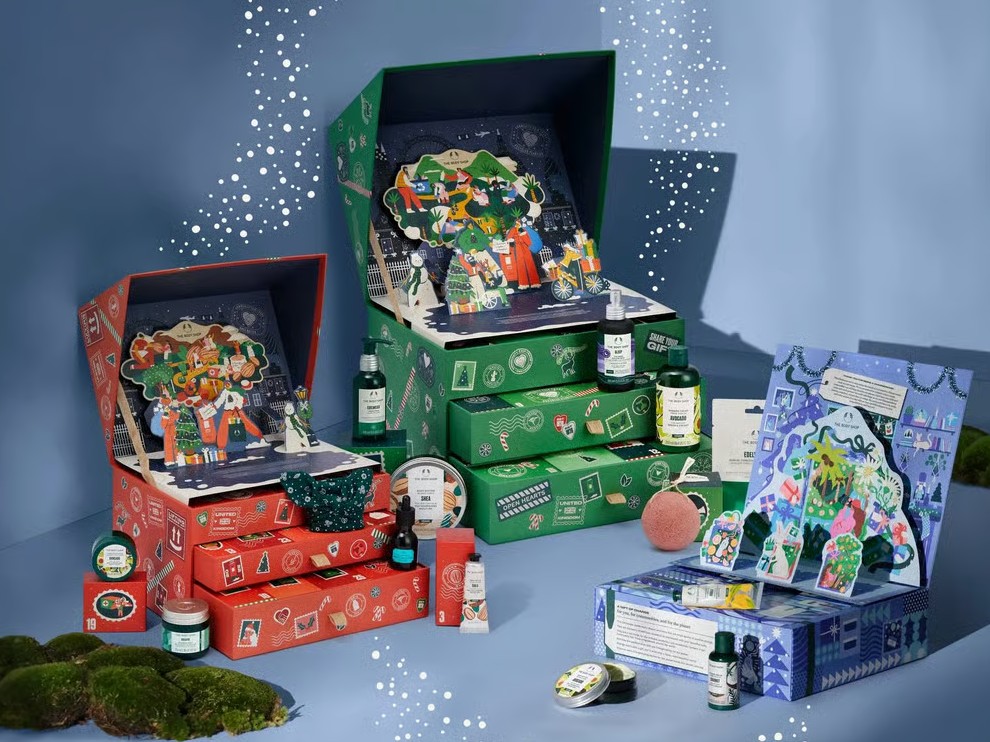
To address this, brands need to prioritize the customer experience. Ideal packaging must be both aesthetically pleasing and functional. Today's consumers want boxes that are easy to open but sturdy enough, bags that are both stylish and comfortable to carry, and materials that are reusable or recyclable.
During the holiday season, packaging also plays a role as part of the gift, so versatility becomes more important than ever. A box that can transform into a decorative item, a souvenir box, or a personal storage container after the product inside is used will create a memorable experience and added value for the brand.
The 2025 trend sees a strong shift towards environmentally friendly materials such as kraft paper, biodegradable printed cardboard, reusable cotton bags, or biodegradable materials. These choices not only make products naturally beautiful but also convey a sense of authenticity and responsibility.
4. Copying ideas instead of creating a unique identity.
In the age of social media, everything can become a source of inspiration with just a few clicks. Pinterest, Behance, and Instagram are overflowing with dazzling Christmas designs, making it easy for many businesses to be drawn to copying ideas to save time. However, by choosing this path, brands inadvertently lose sight of the most important element: their unique identity.
A copied design, no matter how beautiful, lacks emotion, story, and depth. It's just a pale version of the original idea, unable to make a strong impression on customers. The Christmas market is already oversaturated with red, gold, and familiar patterns, so packaging lacking creativity will quickly fade into oblivion.
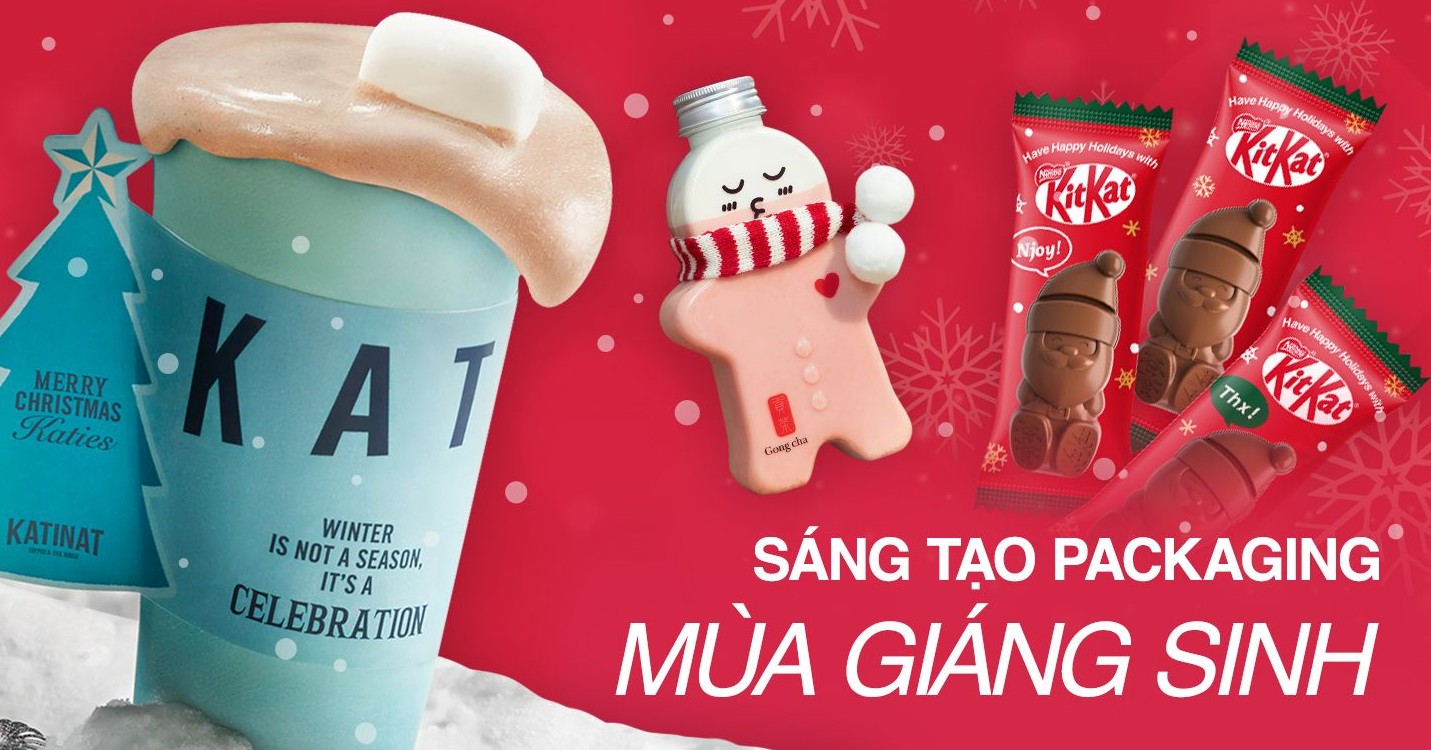
Sustainable solutions don't lie in "avoiding references," but in the ability to transform inspiration into a brand's unique language. Every business has its own story, journey, and core values. Christmas packaging is a perfect opportunity to tell that story in the most subtle and emotional way.
For example, a Vietnamese chocolate brand could leverage the local cocoa origins, the harvest season, the hands of the farmers, or Vietnamese culture to blend with the spirit of Christmas. A design using dó paper patterns, Indochinese motifs, or traditional materials combined with the red and green colors of the festival would create a unique identity.
Modern customers don't just buy products; they're looking for the experience and the story behind the gift. Packaging that "speaks volumes" will always be more valuable than a beautiful but soulless design.
5. Neglecting the element of sustainability.
The trend of green consumption is becoming the norm worldwide, especially during peak seasons like Christmas. A brand that continues to use plastic, glitter, or non-biodegradable plastic coatings not only harms the environment but also loses favor in the eyes of environmentally conscious consumers.
Materials that are "beautiful for a moment, harmful for a long time" are gradually being boycotted. Today's consumers care about a brand's responsibility and commitment to the environment. Packaging that lacks sustainability will directly impact a company's image and its chances of being chosen.
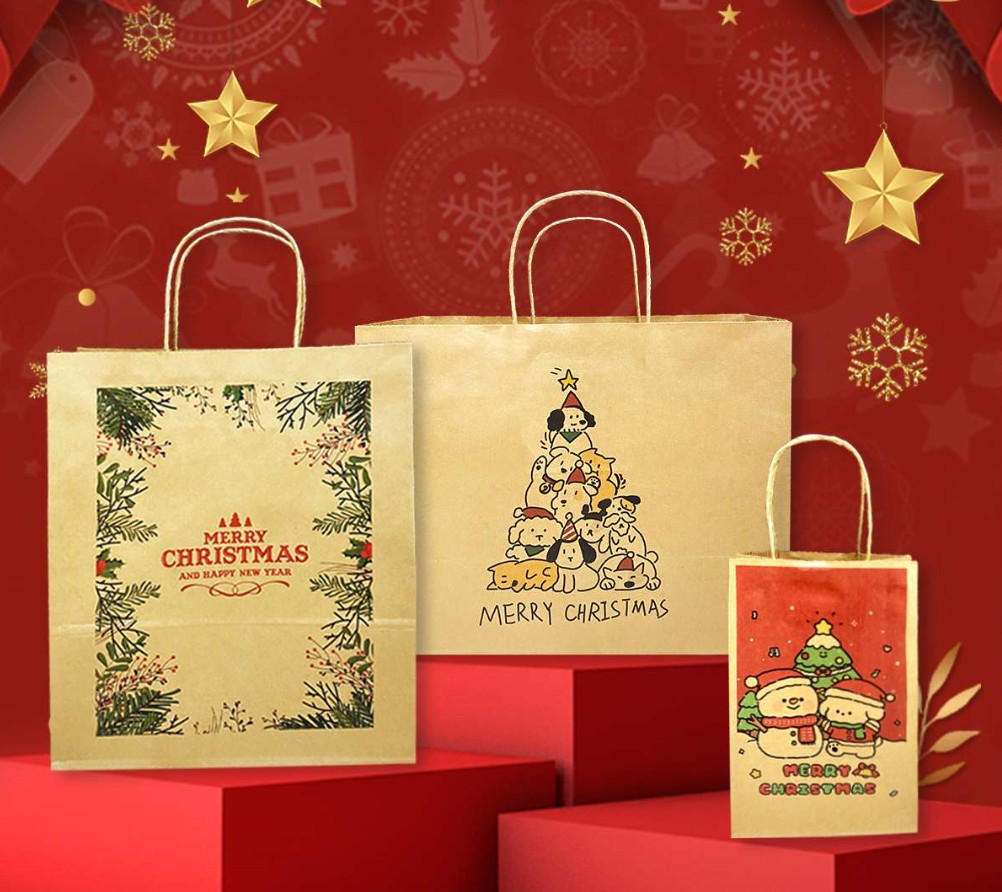
To address this, businesses need to transition to environmentally friendly packaging designs. This can start with simple choices like using kraft paper, water-based inks, burlap, recycled materials, or biodegradable materials. More importantly, the design should focus on reusability: gift boxes can be transformed into decorative boxes, paper bags can be reused multiple times, or QR codes leading to electronic Christmas greetings can be integrated to minimize printing.
Attention to detail, such as the phrase "Send love sustainably" or a cleverly designed recycling symbol, makes packaging more relatable and meaningful. Sustainability is not just a trend, but has become a responsibility and core value for many brands in the new decade.
6. Christmas packaging design that evokes emotions.
A successful Christmas packaging design is not just about attracting attention; it must also be able to convey emotion, a story, and brand identity. When businesses avoid five common mistakes—overusing motifs, lacking connection to brand identity, neglecting functionality, copying ideas, and lacking sustainability—they are closer to creating a design that is both beautiful and soulful.
During the 2025 holiday season, customers don't just want to buy a product; they want to buy the sharing, the joy, and the Christmas spirit conveyed by the brand. Therefore, packaging is not just an outer shell, but an "emotional letter" that transmits love to each recipient. A design that touches emotions always has a more powerful impact than any extravagant marketing campaign.
Christmas packaging design is an art of balancing creativity and sophistication, aesthetics and functionality, trends and brand identity. In a context where consumers are increasingly focused on differentiation, sustainability, and personal emotion, serious investment in packaging not only helps businesses increase brand recognition but also creates a deeper connection with customers.



















VIP Products






Best Selling Products
Windows 10 & 11 Pro Key
36 USD
Adobe Photoshop Copyright - Full App
120 USD
Adobe Premiere Pro Account
99 USD
Copyright Adobe Lightroom Account
59 USD
Plugin Retouch4me
69 USD
Genuine Adobe Illustrator account
99 USD
MidJourney Account
29 USD
Capcut Pro 1 Year
39 USD
Upgrade genuine Capture One account
120 USD
ChatGPT Plus Account (GPT-4)
16 USD
Freepik Premium Account
59 USD
Upgrade Genuine Office 365
49 USD
Autodesk All App Account Copyright
120 USD
Upgrade Duolingo Super
29 USD
Genuine Cheap Canva Pro
39 USD