Best Selling Products

Plugin Retouch4me
69 USD

Windows 10 & 11 Pro Key
36 USD

Capcut Pro 1 Year
39 USD

Freepik Premium Account
59 USD

Copyright Adobe Lightroom Account
59 USD
Upgrade genuine Capture One account
120 USD

Adobe Photoshop Copyright - Full App
120 USD

Genuine Cheap Canva Pro
39 USD

Genuine Adobe Illustrator account
99 USD

Autodesk All App Account Copyright
120 USD

Upgrade Genuine Office 365
49 USD

Adobe Premiere Pro Account
99 USD

Upgrade Duolingo Super
29 USD

MidJourney Account
29 USD

ChatGPT Plus Account (GPT-4)
16 USD
7 of the Most Sophisticated Online Scams in 2025
Nội dung
- 1. Impersonating a university employee.
- 2. Impersonating police officers or legal experts.
- 3. Impersonating a public service employee
- 4. Impersonating a salesperson or travel agent.
- 5. Impersonating police officers to threaten
- 6. Impersonating someone with an attractive appearance.
- 7. Impersonating employees of e-commerce platforms, Forex brokers, or cryptocurrency exchange operators.
- 8. The evolution of scam scenarios over time.
In the context of the booming digital transactions, scams are also growing exponentially. The tactics presented in this article are based on the latest warnings from cybersecurity agencies.
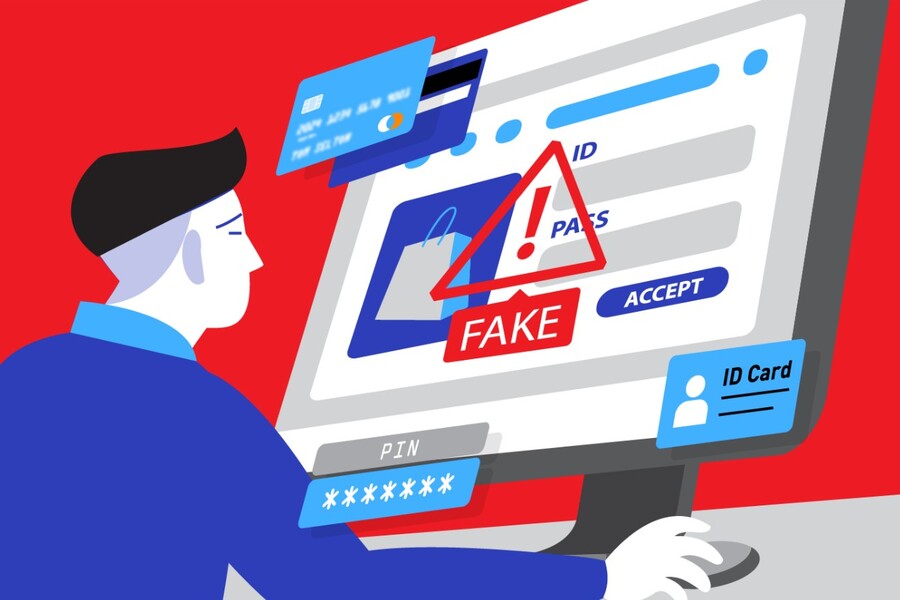
Online fraud is no longer isolated or sporadic as before, but has become a large-scale, tightly organized, and highly professional network. Fraudsters are no longer just individuals operating on a small scale, but have formed models like "fraud villages" or "fraud syndicates," converging in special economic zones or border regions where legal loopholes make investigation difficult. This was shared by Colonel Nguyen Huy Luc, Head of Department 5 - Cyber Security and High-Tech Crime Prevention and Control Bureau (A05 – Ministry of Public Security), at a major cybersecurity event held in Hanoi.
According to him, today's high-tech criminal groups are equipped not only with modern equipment but also with professional operating procedures similar to a real business. They clearly divide roles from scriptwriting, scam techniques, content writing, document forgery, advertising, nurturing "victims," to withdrawing money. Each person in the network is responsible for only one task to optimize efficiency and minimize the risk of failure. This makes the scams increasingly sophisticated, difficult to identify, and easy for people to fall into their traps.
In this context, identifying common types of scams becomes extremely important. According to Colonel Nguyen Huy Luc, there are currently 7 most common types of online scams , accounting for a high percentage of victims and continuing to evolve depending on the time, social events, and people's psychology.
1. Impersonating a university employee.
One of the most prevalent forms of fraud recently involves impersonating university staff to exploit parents' desire for their children to study abroad or receive scholarships. Scammers typically call students or their parents directly, using a professional tone and clear titles to inform them that the student is "eligible for a scholarship to study overseas." This tactic preys on positive emotions: pride, joy, and expectation.
After making a good first impression, they quickly put the victims in a passive position by requesting "proof of financial resources," "deposit to reserve a spot," or "application processing fee." The payment deadline is often very tight to prevent victims from verifying the information. In many cases, victims do not transfer money directly but are tricked into clicking on fake links, downloading files, or installing malicious applications. These links are cleverly designed to steal banking information, email accounts, national identity cards, OTP codes, etc. From there, they gain access and commit acts of property theft.

What makes this type of scam dangerous is that fraudsters don't just target individuals, but often entire families. Parents often lack information about admissions processes and scholarships, making them easily susceptible to seemingly professional explanations. Some fraudsters even use academic language, documents with fake school logos, or create websites that closely resemble the real ones to increase credibility.
@old
2. Impersonating police officers or legal experts.
One of the most dangerous scams involves impersonating police officers, prosecutors, or legal experts online. This tactic preys on the fear and lack of legal knowledge of many people. Scammers often begin by warning victims that they are involved in a serious case, that their bank accounts are suspected of money laundering, or that their personal information has been used in illegal activities. They present forged documents such as arrest warrants, account freeze orders, and summonses, complete with fake logos and seals.
After confusing the victims, they offer "assistance with the investigation," "help recover the money lost in the scam," or "prevent the victim from facing criminal prosecution." All of these are just pretexts to request money be transferred to a "secure account." Notably, many victims are scammed a second time, believing they are seeking police assistance to recover their lost money, only to end up being defrauded of an even larger sum.
The danger of this tactic lies in the fact that the scammers use very logical language, adhere to legal terminology, and often provide step-by-step instructions, making victims believe they are actually speaking with authorities. Many victims claim the scammers communicate extremely professionally, act quickly, and possess detailed personal information, further convincing them.
3. Impersonating a public service employee
Impersonating public service employees is not new, but it continues to appear in many variations. These scammers often send text messages or make phone calls demanding payment for essential services such as electricity, water, and internet bills, or warning that their phone numbers have been blocked due to outdated information. They exploit the fear of service disruption, especially during hot weather, storms, floods, or busy working hours, making victims easily comply with their instructions.
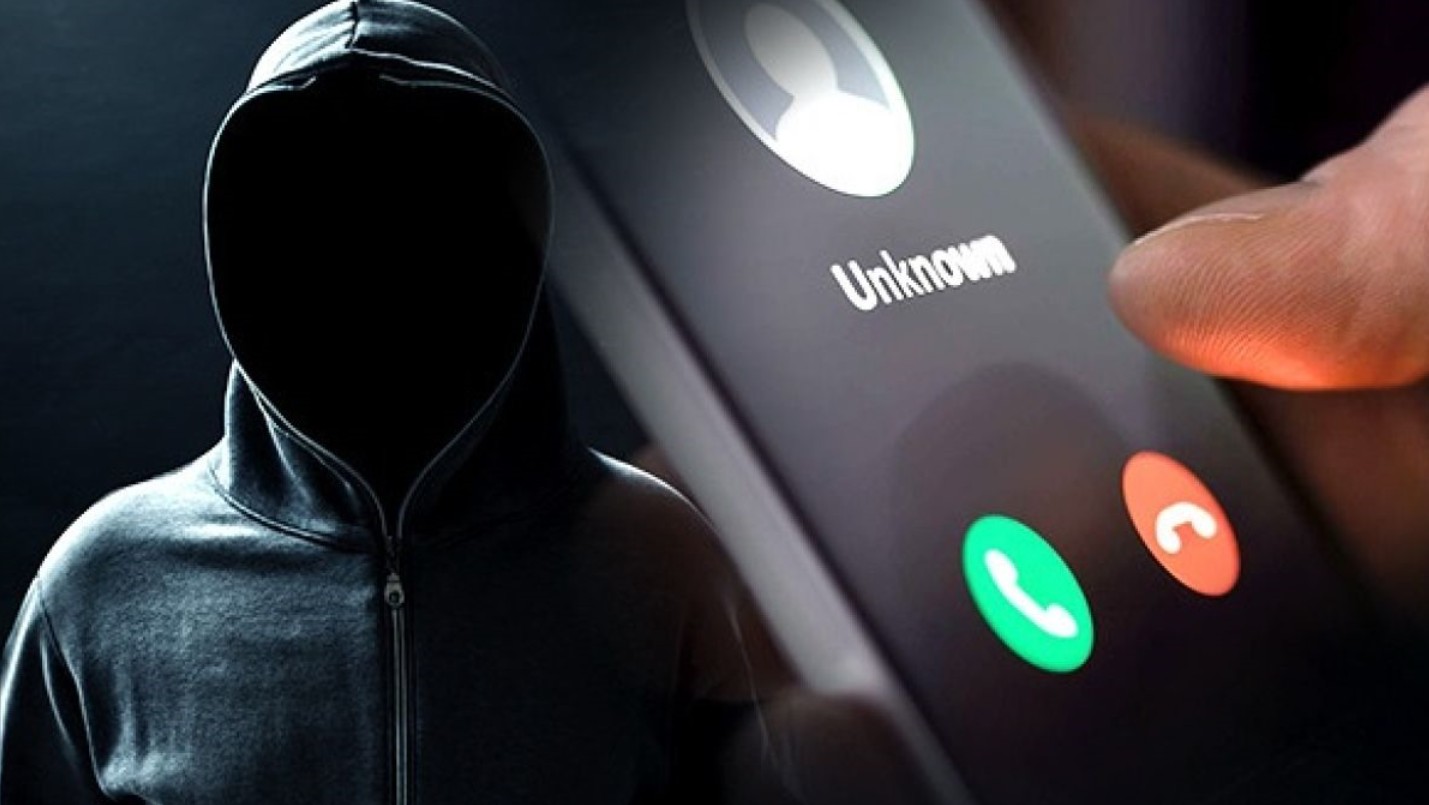
Victims are often asked to install a "payment assistance" or "bill lookup" app. However, these are malicious apps that allow fraudsters to take control of the phone, read OTP messages, access bank accounts, and withdraw money.
Typical scenarios often include threats of power cutoff due to "overdue bills," requests for SIM card updates to avoid number blocking, or warnings about suspicious access from foreign IP addresses to trick victims into logging into a fake link. They use a serious, forceful tone and give victims the feeling that if they don't act immediately, they will face consequences.
4. Impersonating a salesperson or travel agent.
In the era of online travel, many people are accustomed to booking tours, hotels, or airline tickets online due to the low prices and convenience. This inadvertently creates an ideal environment for scammers to impersonate travel agencies, tour companies, or reputable sellers.
They create websites and fan pages with professional images, offering tour packages and services at prices lower than the market rate. When victims transfer deposits, they send fake confirmation emails to create a sense of security. Then, they often make excuses like "payment error," "incorrect information," or "reservation unsuccessful" and demand additional payment. Once they receive the full amount, they immediately block all contact, leaving the victims with no way to get in touch.
Many people fall into traps because they are tempted by discounts or believe in carefully fabricated, fake reviews. The fear of missing out on cheap deals also causes victims to act hastily without checking the reliability of the provider.
5. Impersonating police officers to threaten
Although this type is quite similar to the second one, this variant directly targets the victim's anxiety. The scammers call and impersonate police officers, informing the victim that they are involved in drug trafficking, money laundering, tax evasion, or using bank accounts for illegal activities. They continuously use a harsh tone to control the victim's psychology, demanding that money be transferred to an "investigation account."
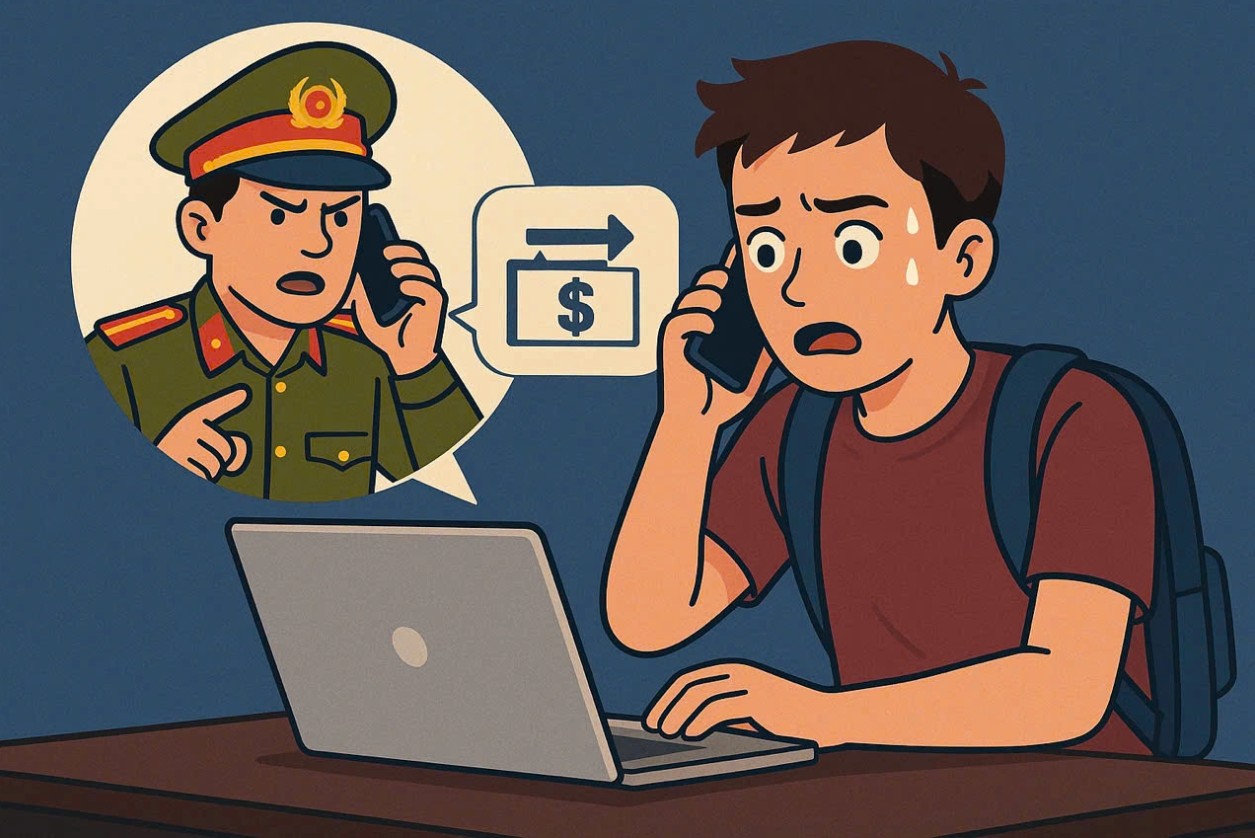
To increase their credibility, they send images of summonses, arrest warrants, or criminal network diagrams bearing the victim's name. When the victim panics and wants to prove their innocence, they offer fake solutions: transferring money to "verify the flow of funds," or logging into a bank account on a fake investigation app.
This scenario is dangerous because they prolong the call for hours, not giving the victim time to think, not allowing them to call loved ones, causing them to fall into a state of psychological panic.
6. Impersonating someone with an attractive appearance.
Another common scam involves impersonating attractive individuals to make acquaintances on social media. Scammers use images of models, businesspeople, or foreign military personnel to build rapport. They often begin with intimate conversations, sharing personal stories, showing daily concern for the victim, and creating the illusion of a genuine romantic relationship.
After building trust, they gradually lead victims into gambling platforms, investment scams, or fake financial applications. In some cases, they trick victims into sending money to receive "gifts from abroad," "aid money," "compensation for damages," or "meeting expenses."
This form of exploitation deeply influences people's emotional needs and is one of the tactics that shames victims the most, making it difficult for them to report the crime.
7. Impersonating employees of e-commerce platforms, Forex brokers, or cryptocurrency exchange operators.
Scammers create accounts, websites, and apps that are identical to reputable financial platforms. They call to offer investment advice, promising high returns, low risk, and 24/7 support. Victims are instructed to deposit small initial amounts to test the system and often see profits appear on the fake platform.
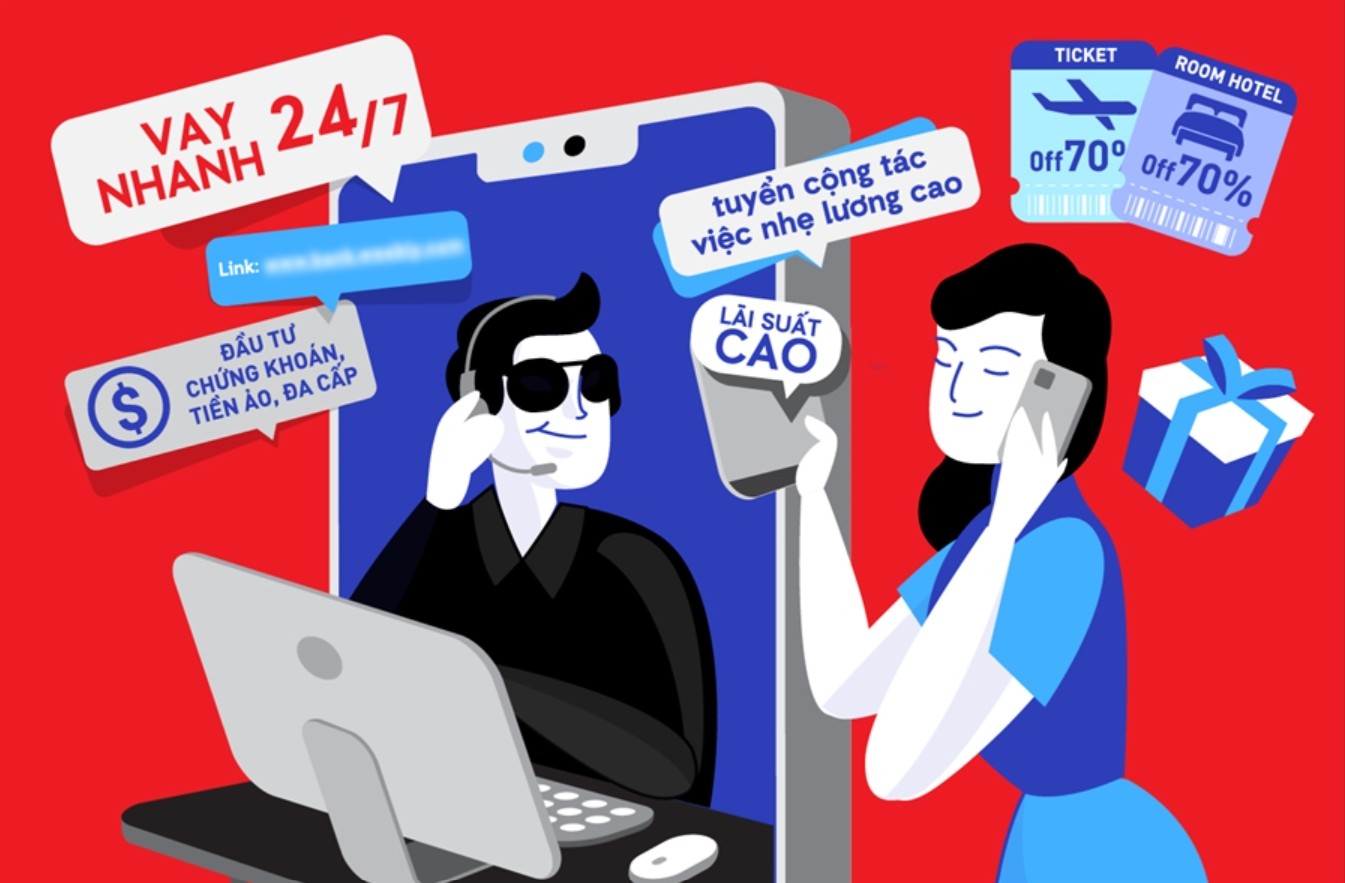
Once trust is strengthened, the scammers begin offering "super-profitable" investment opportunities, demanding larger sums of money. Once the victim deposits a large amount, they immediately freeze the account or cause system errors, preventing withdrawals. All communication is completely cut off.
The danger of this type of scheme lies in the fact that it is organized like a real financial company, complete with a website, customer service representatives, an investment dashboard, transaction emails, and even a fake user community.
8. The evolution of scam scenarios over time.
Besides the seven common types, cybercriminals also create a variety of scenarios based on the country's actual situation. When the hot season arrives, they impersonate electricity company employees to threaten to cut off power. When the rainy season begins, they impersonate charitable organizations to solicit donations. During the high school graduation exam season, they impersonate teachers or exam board members. When there are changes to citizen identification numbers, they impersonate government agencies to request "information updates."
These variations often exploit the element of timing to increase persuasiveness, making people more likely to react instinctively without checking the source of the information.
Online scams will continue to exist and thrive as technology advances. However, victims can still avoid these traps if they understand common scenarios and remain vigilant. Not providing personal information, not transferring money as requested via phone, not clicking on suspicious links, and always verifying information through official channels are crucial principles in the digital environment.
Every citizen needs to equip themselves with basic cybersecurity knowledge and share it with their loved ones, especially the elderly and those with limited exposure to technology. Only when the community has a high level of awareness will the ability of scams to operate and expand be reduced.





















VIP Products








Best Selling Products
Plugin Retouch4me
69 USD
Windows 10 & 11 Pro Key
36 USD
Capcut Pro 1 Year
39 USD
Freepik Premium Account
59 USD
Copyright Adobe Lightroom Account
59 USD
Upgrade genuine Capture One account
120 USD
Adobe Photoshop Copyright - Full App
120 USD
Genuine Cheap Canva Pro
39 USD
Genuine Adobe Illustrator account
99 USD
Autodesk All App Account Copyright
120 USD
Upgrade Genuine Office 365
49 USD
Adobe Premiere Pro Account
99 USD
Upgrade Duolingo Super
29 USD
MidJourney Account
29 USD
ChatGPT Plus Account (GPT-4)
16 USD