Best Selling Products
Windows 10 & 11 Pro Key
36 USD
Autodesk All App Account Copyright
120 USD

ChatGPT Plus Account (GPT-4)
16 USD

Upgrade Duolingo Super
29 USD
Genuine Cheap Canva Pro
39 USD

Capcut Pro 1 Year
39 USD

MidJourney Account
29 USD
Adobe Photoshop Copyright - Full App
120 USD
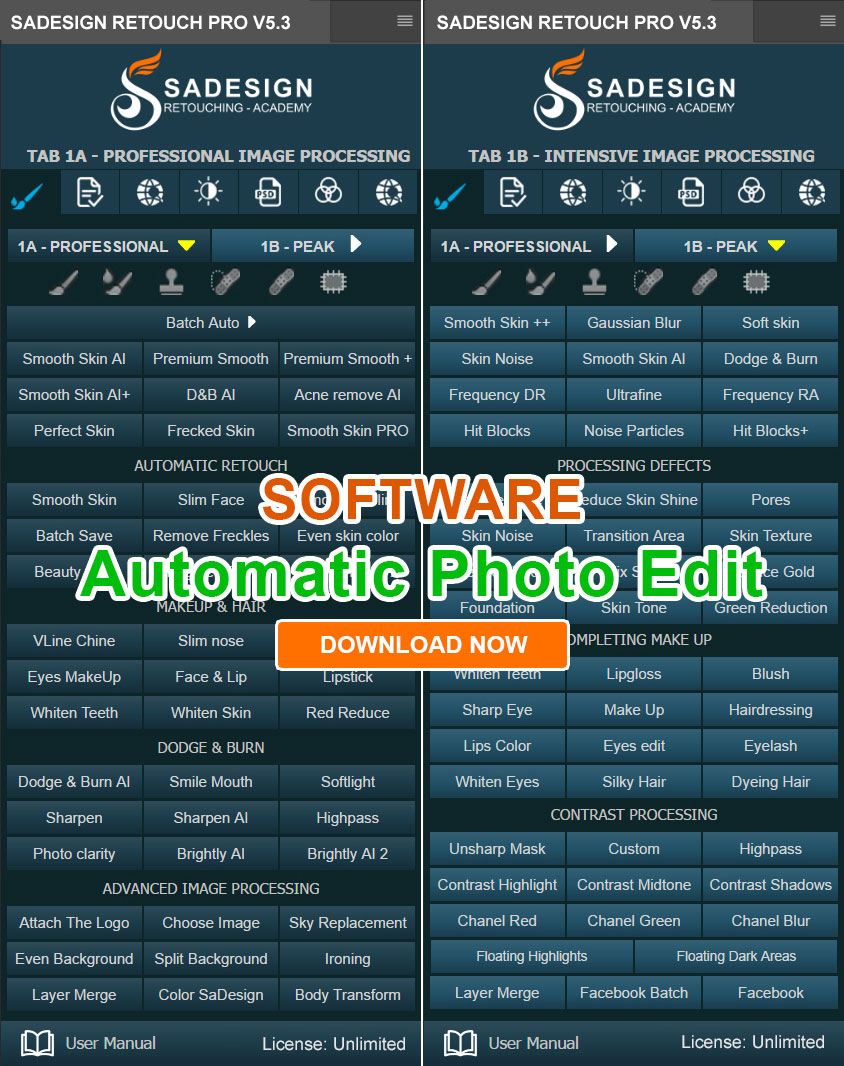
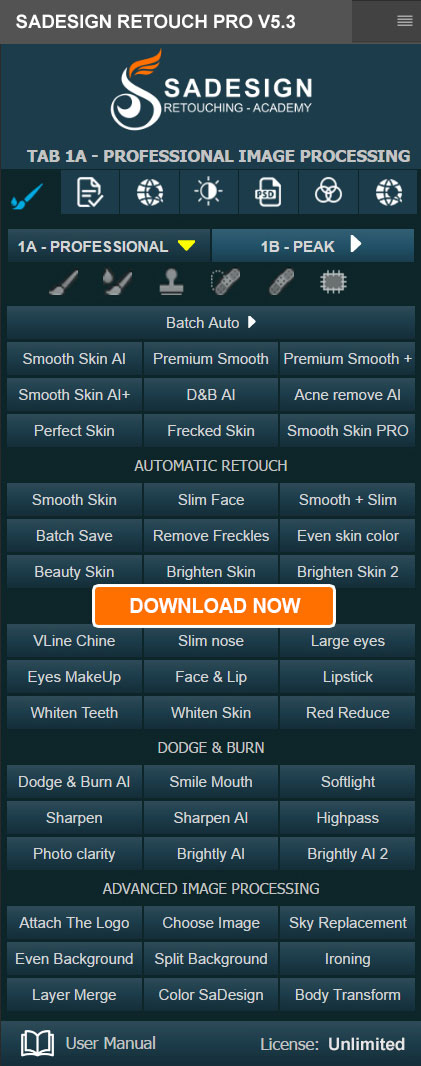
Plugin Retouch4me
69 USD

Freepik Premium Account
59 USD

Copyright Adobe Lightroom Account
59 USD
Upgrade Genuine Office 365
49 USD
Adobe Premiere Pro Account
99 USD
Upgrade genuine Capture One account
120 USD

Genuine Adobe Illustrator account
99 USD
A command line in Windows frees up more than 10 GB of space on an SSD.
Nội dung
- 1. When your Windows hard drive fills up even though you're not downloading anything new.
- 2. What is CompactOS and why does it exist?
- 3. How does CompactOS work inside Windows?
- 4. Hidden command helps free up over 10 GB of space.
- 5. Will performance be affected?
- 6. When should you not use CompactOS?
- 7. Combine CompactOS with other optimizations for maximum effectiveness.
No third-party software or personal data deletion is needed. Windows can automatically optimize storage space through a hidden feature. With modern computers, performance is virtually unaffected.
A command line in Windows frees up more than 10 GB of space on an SSD.
No third-party software or personal data deletion is needed. Windows can automatically optimize storage space through a hidden feature. With modern computers, performance is virtually unaffected.
Storage space is getting cheaper, SSDs are getting faster, but the feeling of "the C drive always being full" seems to never go away for Windows users. Especially with Windows 10 and Windows 11, many people find themselves reporting low storage space after only a few months of use, even though they haven't added much personal data.
What's noteworthy is that most of this "wasted" storage space doesn't come from user photos, videos, or documents, but from the operating system itself. System files, background libraries, application cache, temporary files, old update data, and components that Windows keeps "as a precaution" over time have silently taken up tens of GB on the system drive.
Many people have tried all the familiar methods: running Disk Cleanup, deleting temporary files, uninstalling unused applications, even resetting Windows. However, the effect is often only temporary. After just a few major updates, the free space disappears again.
Few people know that within Windows exists a powerful, silent, and unadvertised tool capable of freeing up over 10 GB of space with just a single command. That tool is called CompactOS.
This article will delve into what CompactOS is, why it can significantly save disk space, how to use it safely, and situations where it shouldn't be applied. More importantly, we will view CompactOS not just as a "hard drive freeing" trick, but as part of the modern Windows system optimization philosophy.
Buy Genuine Licensed Software at Affordable Prices
1. When your Windows hard drive fills up even though you're not downloading anything new.
Before discussing CompactOS, it's important to understand why storage space on Windows machines decreases so rapidly. This isn't user error, nor is it necessarily a design flaw, but rather a consequence of how modern Windows operates.
Windows today is no longer a "static" operating system. It constantly updates, patches bugs, adds features, and archives older versions so users can revert when needed. Each major update usually retains a huge amount of data, in case users want to roll back.
In addition, Windows stores many system components in uncompressed form to ensure fast access. DLL libraries, binaries, drivers, and background modules are all prioritized over size. This makes sense for large hard drives, but becomes a burden for devices with 128GB or 256GB SSDs.
.jpg)
Not to mention, many modern applications also grow larger over time. Browsers cache data, app stores keep temporary data, Windows Defender logs files, and numerous system files that users never touch still take up permanent space.
All these factors combine to put users in a dilemma: they are afraid to update Windows for fear of running out of disk space, and hesitant to install more software due to insufficient storage, while their personal data is almost negligible.
2. What is CompactOS and why does it exist?
CompactOS isn't a recent feature. In fact, Microsoft introduced it back in Windows 10 as a solution for devices with limited storage capacity.
Initially, CompactOS was designed for inexpensive laptops, Windows tablets, and 2-in-1 devices with only 32 GB or 64 GB of internal storage. On these devices, installing a full operating system was a major challenge, and every gigabyte was precious.
The core idea of CompactOS is simple: compress critical Windows system files to reduce disk space usage, while maintaining the functionality and stability of the operating system.
Instead of storing system files in a "fully uncompressed" state, Windows stores them in a compressed form and only decompresses them when necessary. With modern CPUs, this decompression process is extremely fast and almost imperceptible in everyday use.
.jpg)
Interestingly, despite being designed for low-end devices, CompactOS works very efficiently on both high-end desktops and laptops. On systems using modern SSDs and multi-core CPUs, the performance difference is almost negligible, while the storage space saved is significant.
3. How does CompactOS work inside Windows?
To understand why CompactOS can free up to 10 GB of space, we need to look at the nature of Windows system files.
Windows contains tens of thousands of binary files, dynamic libraries, and system modules. Many of these are not used frequently, but still take up a significant amount of space because they are stored in uncompressed format.
CompactOS uses efficient compression algorithms to reduce the size of these files. More importantly, it only applies compression to components that Windows can safely handle, avoiding personal data, user applications, or sensitive system files.
When a file system is called, Windows decompresses it in memory. With modern CPUs, this decompression is so fast that users don't notice any lag. After it's no longer needed, the file remains compressed on the disk.
.jpg)
This creates a very reasonable trade-off: sacrificing a very small amount of CPU resources in exchange for tens of GB of storage. Given that small SSDs are a bottleneck for many devices, this is incredibly cheap.
4. Hidden command helps free up over 10 GB of space.
One of the things that makes CompactOS less well-known is its activation method. There are no buttons in Settings, no intuitive graphical interface. Everything is done through the Command Prompt.
Before activating, users should check if their system is already in CompactOS mode. This is crucial because if Windows has automatically activated CompactOS, you won't gain any additional benefits.
To check, open Command Prompt with administrator privileges and enter the command:
compact /compacts:query
If the system returns a message that Windows is not in Compact mode, it means you can enable this feature. Otherwise, if CompactOS is already enabled, you don't need to do anything further.
To activate CompactOS, simply enter the command:
compact /compactos:always
Shortly after, Windows will begin the process of compressing the system files. This process happens completely in the background, does not require a restart, and you can continue using your computer while it is compressing.
.jpg)
Once complete, Windows will display the number of files compressed and the amount of space saved. In many practical cases, this number can reach 10–12 GB, or even more depending on the configuration and version of Windows.
It's worth noting that this entire process doesn't delete any personal files. Your photos, videos, documents, and applications are completely unaffected.
5. Will performance be affected?
This is the biggest question and also the reason why many people are hesitant about CompactOS. In general, "compression" is often associated with "slowness".
However, in practical use, especially on machines with 4-core CPUs or more and SSDs, the difference is almost imperceptible. Everyday tasks such as opening a browser, running office applications, browsing the web, and even light graphic design work are not noticeably affected.
The reason is that modern CPUs are capable of extremely fast compression and decompression, while SSDs have very low latency. Reading a small, compressed file and then decompressing it in RAM is often faster than reading a large, uncompressed file from the hard drive.
On low-spec machines using older CPUs or traditional HDDs, CompactOS may cause some lag in certain situations. This is also why Microsoft does not recommend enabling CompactOS by default on all systems.
6. When should you not use CompactOS?
While very useful, CompactOS is not the right solution for everyone.
If you're using a very old computer with a weak CPU, limited RAM, and a small HDD, enabling CompactOS might cause the system to become more responsive, especially when running demanding applications.
Additionally, if you frequently work with high-performance software such as video editing, 3D rendering, running virtual machines, or compiling large amounts of source code, adding an extra decompression step can create small but persistent lags, impacting your experience.
In these cases, a better solution might be to upgrade to a larger SSD, rather than optimizing through system compression.
Buy Genuine Licensed Software at Affordable Prices
7. Combine CompactOS with other optimizations for maximum effectiveness.
CompactOS should not be considered the sole solution. It works best when combined with other sensible optimizations.
A typical example is disabling hibernate mode. This feature creates a hiberfil.sys file that takes up approximately 75–100% of RAM. On a machine with 16 GB of RAM, this file can occupy more than 10 GB. With just the command:
powercfg /hibernate off
Users can instantly free up a significant amount of storage space.
Additionally, deleting old Windows update files through Disk Cleanup or Storage Sense also helps to keep the system cleaner. These files are usually no longer valuable if you don't intend to revert to an older version of Windows.
When these small optimizations add up, the benefits are significant, especially on SSDs with limited capacity.
CompactOS is clear evidence that Windows contains many powerful yet little-known tools. With just a simple command, users can free up over 10 GB of space without deleting personal data, installing third-party software, or deeply interfering with the system.
Of course, CompactOS isn't a magic bullet for every problem. But for most modern laptop and PC users, especially those struggling with limited SSD storage, it's a very worthwhile solution to consider.
















VIP Products




Best Selling Products
Windows 10 & 11 Pro Key
36 USD
Autodesk All App Account Copyright
120 USD
ChatGPT Plus Account (GPT-4)
16 USD
Upgrade Duolingo Super
29 USD
Genuine Cheap Canva Pro
39 USD
Capcut Pro 1 Year
39 USD
MidJourney Account
29 USD
Adobe Photoshop Copyright - Full App
120 USD
Plugin Retouch4me
69 USD
Freepik Premium Account
59 USD
Copyright Adobe Lightroom Account
59 USD
Upgrade Genuine Office 365
49 USD
Adobe Premiere Pro Account
99 USD
Upgrade genuine Capture One account
120 USD
Genuine Adobe Illustrator account
99 USD