
Best Selling Products

Genuine Adobe Illustrator account
99 USD

MidJourney Account
29 USD

Autodesk All App Account Copyright
120 USD

Freepik Premium Account
59 USD

Upgrade Genuine Office 365
49 USD

Adobe Premiere Pro Account
99 USD

Adobe Photoshop Copyright - Full App
120 USD
Upgrade genuine Capture One account
120 USD

Windows 10 & 11 Pro Key
36 USD

Upgrade Duolingo Super
29 USD

Genuine Cheap Canva Pro
39 USD
Capcut Pro 1 Year
39 USD
Plugin Retouch4me
69 USD

ChatGPT Plus Account (GPT-4)
16 USD

Copyright Adobe Lightroom Account
59 USD
Three familiar mobile browsers are "draining" user data every day.
Nội dung
Without installing any additional apps, your personal data may already be collected silently using your default browser.
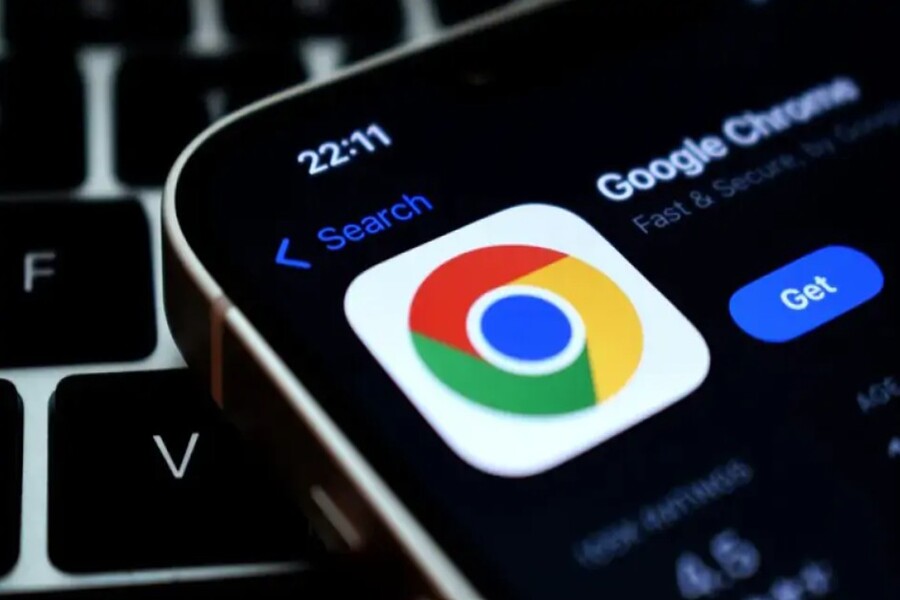
Three familiar mobile browsers are "draining" user data every day.
Without installing any additional apps, your personal data may already be collected silently using your default browser.
Recently, a report analyzing the privacy policies of 15 top mobile browsers on the Google Play Store, conducted by Surfshark, has shocked both the tech community and ordinary users. The results show that not all browsers are as "innocent" as we might think. On the contrary, some familiar names even top the list for their alarming level of privacy violations and personal data collection.
Before delving into specific names, it's important to understand one thing: in the modern digital world, personal data has become a resource as valuable as oil. Every user action, from what you type into a search bar, which articles you spend more time reading, where you read them, and when you read them, can be transformed into data.
For technology companies, data is not just about improving products. It's also the foundation for building business models based on advertising, personalized content, flexible pricing, and even predicting future user behavior. The problem is: the line between "improving the user experience" and "violating privacy" is becoming increasingly blurred.
Surfshark's report isn't based on sentiment or speculation, but rather a direct analysis of the officially published privacy policies on the Google Play Store. This means that what's revealed isn't "leaked secrets," but rather things apps admit to doing that users rarely read carefully.
Buy Authentic VPN Accounts at Affordable Prices
1. Mobile browsers are the top data grabbers.
Surfshark's analysis revealed a shocking truth: the most popular browsers are not necessarily the most privacy-respecting.
.jpg)
1.1. Yandex
Leading the rankings is Yandex, a popular browser in Russia, which collects up to 25 out of 38 possible data types. This number is not only high, but also reflects a comprehensive data exploitation strategy that is alarmingly thorough.
Beyond "basic" information like browsing history or device details, Yandex was found to collect a wide range of more personal and sensitive data. Most notably, it granted access to in-app messages and private chats—a permission that very few users fully understood when they clicked "Agree."
.jpg)
With mobile devices increasingly used for work communication, private conversations, and storing personal information, the ability of a browser to access message content raises serious questions about ethical boundaries and the responsibility to protect users.
1.2. Microsoft Edge
Following closely behind Yandex is Microsoft Edge, a browser pre-installed on many devices and increasingly popular thanks to the backing of the Microsoft ecosystem. According to reports, Edge collects 20 different types of data, including access permissions to files and documents stored on the device.
For the average user, this access might not be very noticeable. But for those working in creative fields, design, marketing, or technology, it could be quite significant.
The danger lies in the fact that no one knows exactly how detailed this data is processed, how long it is stored, or whether it is shared with third parties, beyond the general descriptions in privacy policies.
.jpg)
1.3. Google Chrome
Coming in third on the list is Google Chrome, the world's most popular mobile browser, which collects 19 types of data. Chrome has long been considered the "default," to the point that many users take its use for granted, without much thought.
The data that Chrome collects ranges from browsing history, search information, and precise geographic location, to images, voice recordings, and payment information. This is especially true when considering Chrome within the Google ecosystem: where Gmail, Google Maps, YouTube, Google Photos, and a host of other services are all closely linked.
The point is: many users trust Chrome because they trust Google, forgetting that Google's core business model still relies on advertising and user data.
One of the things that made the Surfshark report so shocking was its revelation that the scope of data collected was far broader than commonly believed.
.jpg)
In addition to browsing history, these browsers can also collect personal images stored on the device, voice recordings through search or virtual assistant features, payment information for online shopping, and accurate real-time geographic location data.
When these pieces are combined, they are no longer disparate data. They become a complete digital identity profile, reflecting the user's lifestyle, personal preferences, estimated income, and even psychological state.
2. Where does user data go?
App developers often offer familiar reasons to justify data collection, such as "improving user experience," "optimizing performance," or "preventing fraud." While these reasons sound plausible and are often true, they are only part of the story.
2.1. Digital records
Justas Pukys, Senior Product Manager at Surfshark, pointed out a thought-provoking fact: the data collected allows companies to create a detailed digital profile of each individual. This profile not only describes what you have done in the past, but also predicts what you will do in the future.
From web browsing data, algorithms can infer consumer behavior. From location and travel frequency, they can estimate financial status. From the content you read and watch, they can outline political views, social concerns, and even mental health status.
This explains why you might see advertisements that are "eerily accurate" or receive different prices for the same product compared to others.
2.2. Risks of data leakage and identity theft
The biggest risk doesn't just stop at being bothered by ads. When data is stored centrally and shared across multiple third parties, a single security vulnerability is enough to turn your personal information into a commodity on the black market.
In the event of a data leak, this information can be used for malicious purposes such as financial fraud, identity theft, targeted attacks, or extortion. Even more concerning, once data has been leaked, users have virtually no way to fully recover it.
.jpg)
3. What options are available to consumers in an era of distrust?
As trust in tech giants erodes, the question arises: do consumers really have other options? The answer, according to Surfshark, is yes, but it requires greater initiative and understanding from the user.
Browsers that respect privacy more
According to the report's recommendations, several browsers are highly rated for their privacy-respecting nature, including Brave, Mi Browser, and Tor, which are said to not collect user data. Additionally, Samsung Internet only collects two types of data, while Ecosia stops at four – a modest number compared to Chrome or Edge.
These browsers share a common development philosophy centered around privacy, transparency, and minimizing tracking, rather than maximizing data exploitation for advertising.
A temporary solution when you are forced to use Chrome or Edge.
In reality, not everyone can immediately abandon Chrome or Edge, especially when their work depends on the Google or Microsoft ecosystem. In that case, experts recommend users minimize risks by limiting unnecessary permissions, using a standalone password manager instead of saving directly in the browser, and always keeping a VPN enabled to create an extra layer of protection for personal data.
Buy Authentic VPN Accounts at Affordable Prices
While tracking cannot be completely eliminated, these measures can help users regain some control over their digital lives.
Surfshark's report serves as a clear wake-up call: privacy in the digital world is no longer a given, but something users must actively protect. While mobile browsers are becoming increasingly intelligent and convenient, the price to pay is sometimes the loss of personal data that reveals more about who you are than you realize.
Choosing a browser, therefore, is no longer simply a matter of speed or interface. It's a strategic decision for long-term personal safety and freedom. And in an age where data is currency, user awareness is the most important defense.


















VIP Products







Best Selling Products
Genuine Adobe Illustrator account
99 USD
MidJourney Account
29 USD
Autodesk All App Account Copyright
120 USD
Freepik Premium Account
59 USD
Upgrade Genuine Office 365
49 USD
Adobe Premiere Pro Account
99 USD
Adobe Photoshop Copyright - Full App
120 USD
Upgrade genuine Capture One account
120 USD
Windows 10 & 11 Pro Key
36 USD
Upgrade Duolingo Super
29 USD
Genuine Cheap Canva Pro
39 USD
Capcut Pro 1 Year
39 USD
Plugin Retouch4me
69 USD
ChatGPT Plus Account (GPT-4)
16 USD
Copyright Adobe Lightroom Account
59 USD