Best Selling Products
Upgrade Duolingo Super
29 USD
Copyright Adobe Lightroom Account
59 USD
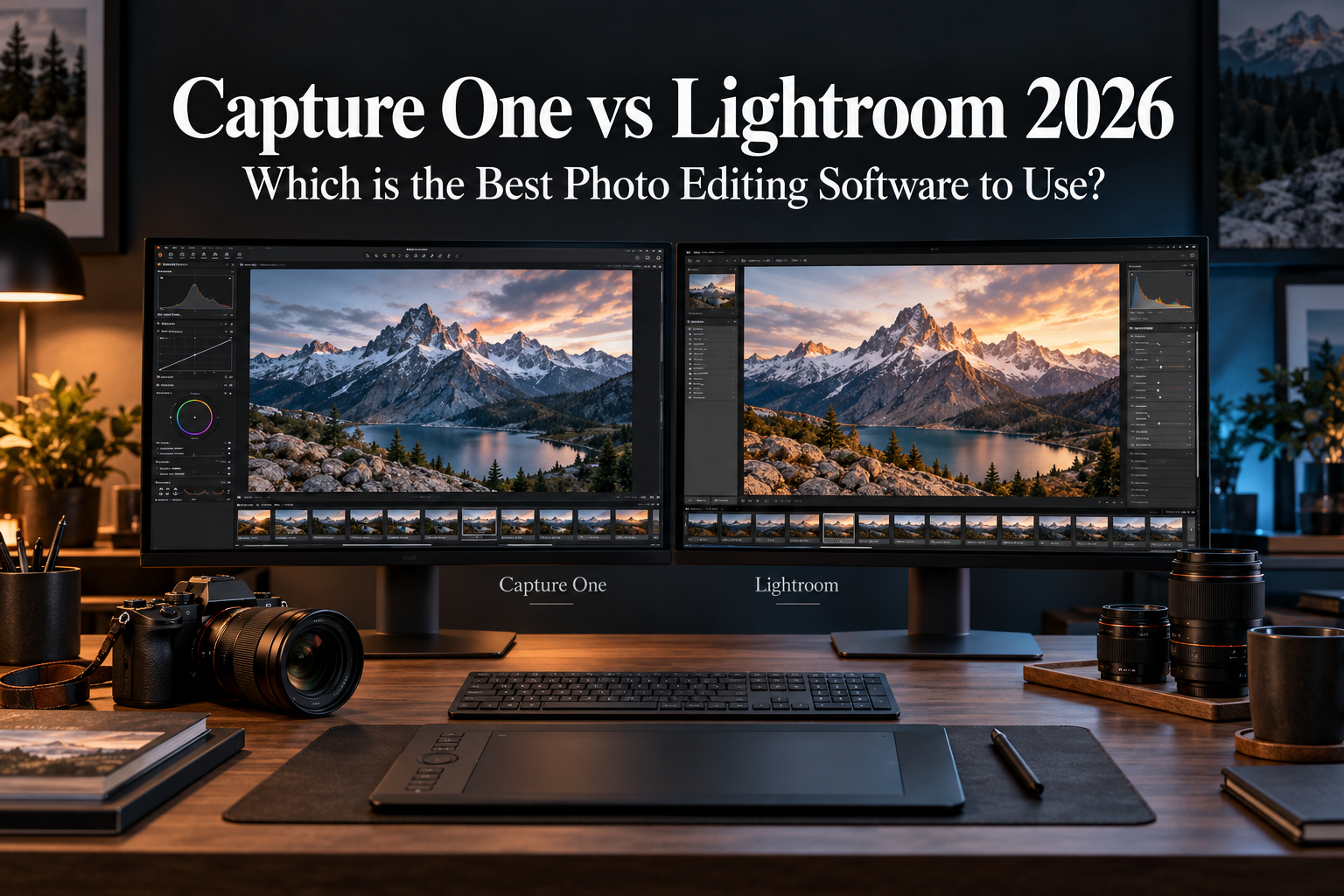
Upgrade genuine Capture One account
120 USD

MidJourney Account
29 USD

Windows 10 & 11 Pro Key
36 USD
Autodesk All App Account Copyright
120 USD
Upgrade Genuine Office 365
49 USD
Plugin Retouch4me
69 USD
Genuine Adobe Illustrator account
99 USD
Adobe Premiere Pro Account
99 USD

Freepik Premium Account
59 USD

Capcut Pro 1 Year
39 USD
Genuine Cheap Canva Pro
39 USD

ChatGPT Plus Account (GPT-4)
16 USD
Adobe Photoshop Copyright - Full App
120 USD
A Guide to Choosing the Best Travel Tripod in 2026 for All Your Photography Needs
Nội dung
- 1. 5 of the best travel tripods to consider in 2026
- 1.1. Peak Design Travel Tripod with a compact reverse-folding design.
- 1.2. Gitzo Traveler Series 1 Product Line
- 1.3. Manfrotto Befree Advanced Carbon
- 1.4. 3 Legged Thing PUNKS Corey 2.0
- 1.5. SIRUI Traveler 5C
- 2. When do you really need a travel tripod?
- 3. What should you photograph with a travel tripod?
- 3.1. Scenery
- 3.2. Night photography
- 3.3. Architecture
- 3.4. Self-Portrait
- 3.5. HDR and bracketing photography
- 3.6. Time-lapse video
- 4. Conclusion
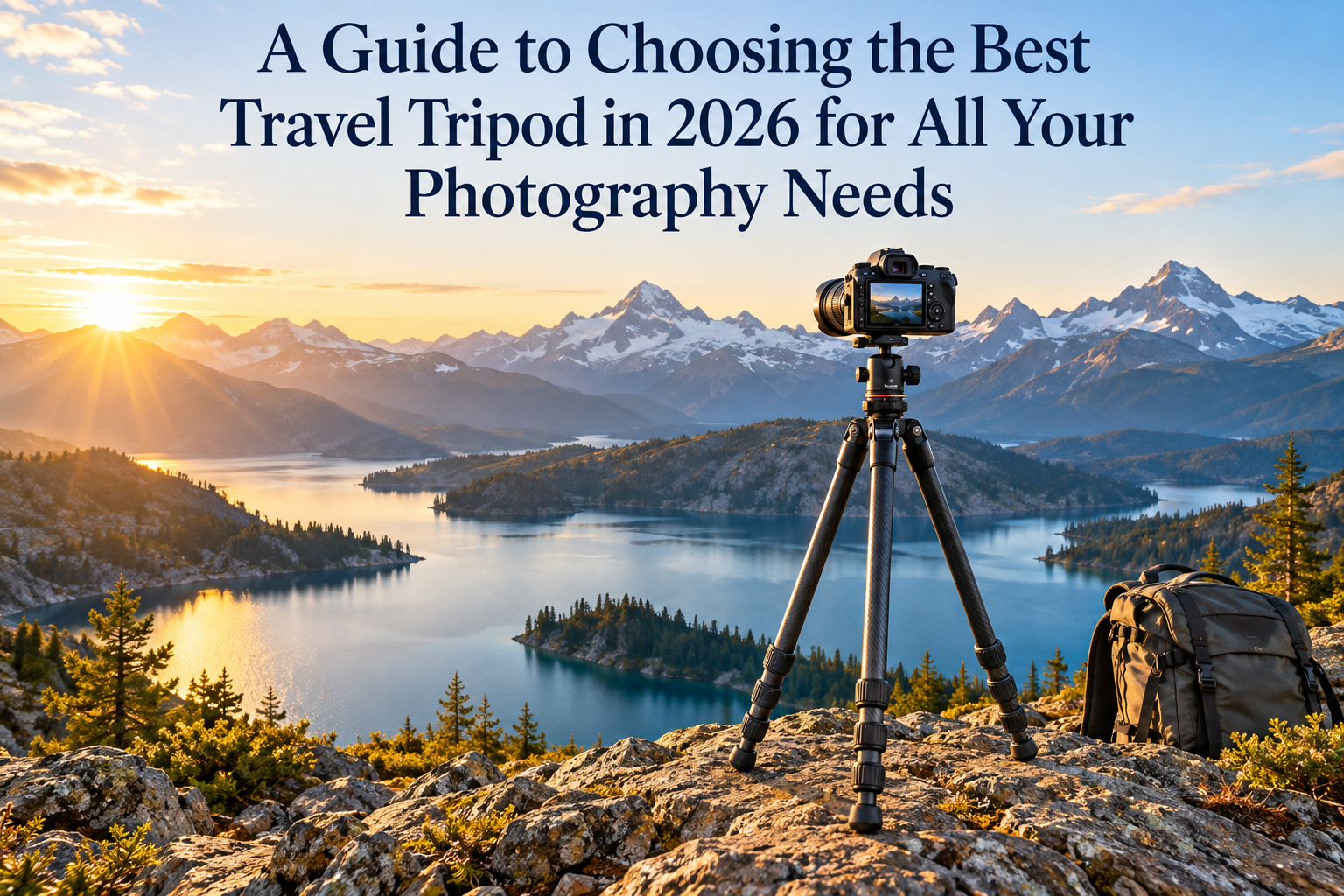
A suitable tripod can completely change the quality of the photos you bring home after a trip. It helps keep your camera steady during long exposures, allows for careful composition of every detail, and opens up the possibility of taking self-portraits in places where no one is around to help you. However, the challenge with travel tripods lies in finding the right balance. A model that''s too light might sacrifice stability, while one that''s too large might make you hesitant to carry it. This article introduces five outstanding travel tripod models for 2026, helping you understand when to use a tripod and the types of photos where this accessory is most effective.
1. 5 of the best travel tripods to consider in 2026
Travel photography often requires a lot of moving around, hiking, and carrying multiple pieces of equipment at once, so portability is paramount. However, the tripod must still be sturdy enough to support the camera and lenses you'll actually be using. A compact mirrorless camera has very different support needs than a full-frame camera with a large telephoto lens. The five models below represent different priorities, from maximum compactness to premium build quality.
1.1. Peak Design Travel Tripod with a compact reverse-folding design.
The Peak Design Travel Tripod remains one of the most uniquely designed travel tripods on the market. Its reverse-folding leg structure allows the leg tubes to snugly fit around the center column and ball head, creating a compact unit with a small diameter without transforming it into a desktop tripod. When folded, its length is approximately 39 cm, easily fitting into a backpack instead of needing to be carried externally.
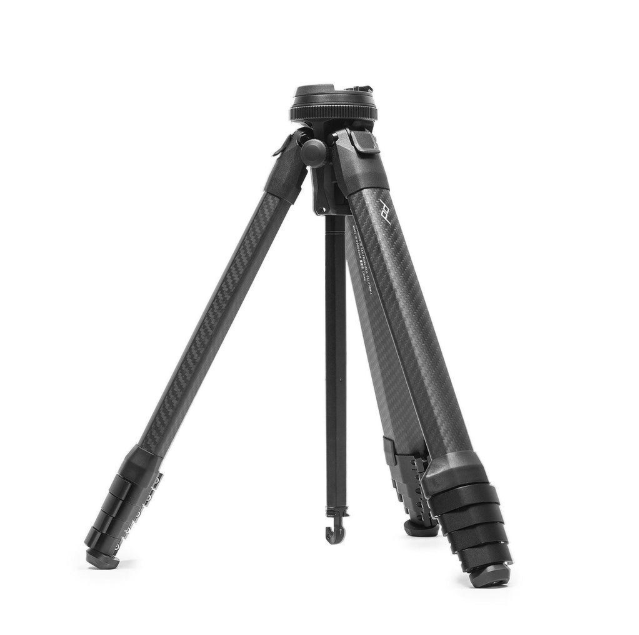
According to the manufacturer, the tripod has a maximum load capacity of approximately 9.1 kg and a maximum height of approximately 152 cm. It is designed for full-frame cameras and large telephoto lenses. The tripod has five sections with swivel locks, an integrated ball head, and features a low-angle shooting mode and an inverted mode. Notably, the integrated phone holder allows you to use it as a stand for your smartphone when you need to shoot or record quickly. The product is available in both aluminum and carbon fiber versions, with the aluminum version weighing approximately 1.56 kg.
The biggest drawback is the price. The carbon version is significantly more expensive than many standard travel tripods, while the aluminum version is heavier. Even so, for photographers who prioritize compact storage and want a versatile device, this remains a top-tier all-around option.
1.2. Gitzo Traveler Series 1 Product Line
The Gitzo Traveler line is aimed at photographers who want high-quality results without having to carry a large, studio-grade tripod or dedicated landscape photography equipment. It's a long-established and reputable brand known for its durability and exquisite craftsmanship.
The current Series 1 tripod weighs 1.42 kg, reaches a maximum height of 148.5 cm, and folds down to 35.5 cm. The manufacturer's stated safe load capacity is 10 kg, the highest among lightweight products on this list. The legs are made of carbon fiber, and come with a central ball head, two leg angle settings, and a short center column for convenient low-angle shooting. The reverse-folding leg design reduces the overall length for storage, while the quick-release system is compatible with Arca Swiss standards, allowing you to use it with existing base plates and L-brackets.
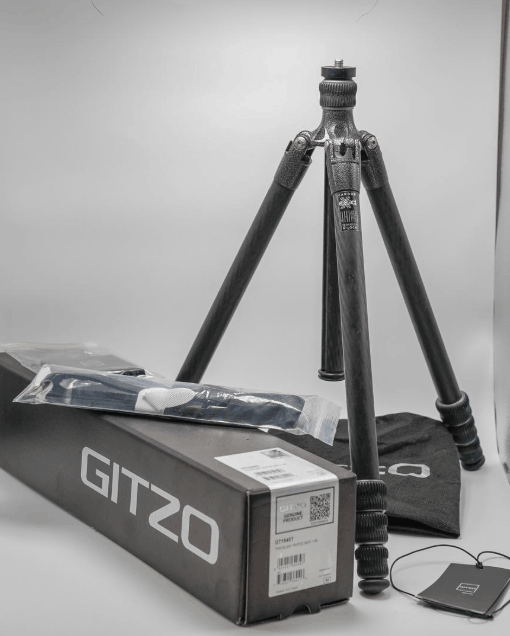
If you prefer to choose your own tripod head, Gitzo also offers a Traveler Series 1 configuration without a head. A four-section configuration currently available weighs approximately 1,055 kg and reaches a height of 153 cm. The cost remains a key consideration, as this product line is aimed at those willing to invest more for carbon fiber, a compact design, and long-term durability.
1.3. Manfrotto Befree Advanced Carbon
The Manfrotto Befree Advanced Carbon is a practical choice for those who want a lightweight, sufficiently tall tripod without having to go into the most expensive segment. Its design is quite traditional, familiar, and easy to use right from the first try.
The current carbon fiber version weighs 1.25 kg, stands 150 cm tall, folds down to 41 cm, and has a safe load capacity of 9 kg according to the manufacturer's stated test standards. The tripod features four sections with swivel locks, ball heads, quick-release plates, 360-degree panoramic rotation, and a convenient carrying bag. At 41 cm when folded, it's not the shortest in the group, but the comfortable working height and familiar controls make for a natural shooting experience.
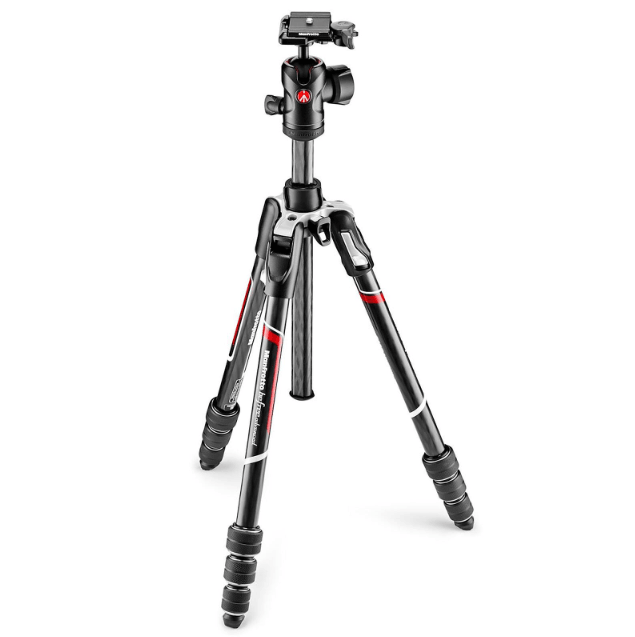
Befree is a prime example of how choosing a travel tripod isn't just about finding the smallest one. For many, a reliable, easy-to-operate device that's at eye level is more important than a few extra centimeters in length when stored.
1.4. 3 Legged Thing PUNKS Corey 2.0
The PUNKS Corey 2.0 takes a completely different approach. The tripod is constructed from magnesium alloy and features three detachable legs that can be reused for other configurations such as a monopod or boom arm. Instead of just a conventional tripod, it becomes a versatile system adaptable to a variety of shooting situations.
The current model is 1.46 m tall, folds down to 36.1 cm, and weighs 1.78 kg when fully assembled. It has a load capacity of up to 14 kg at a 23-degree leg angle, which decreases when the legs are extended further. The legs have five sections, with a central column between the two segments, supporting low-angle shooting and interchangeable with various tripod mounts.
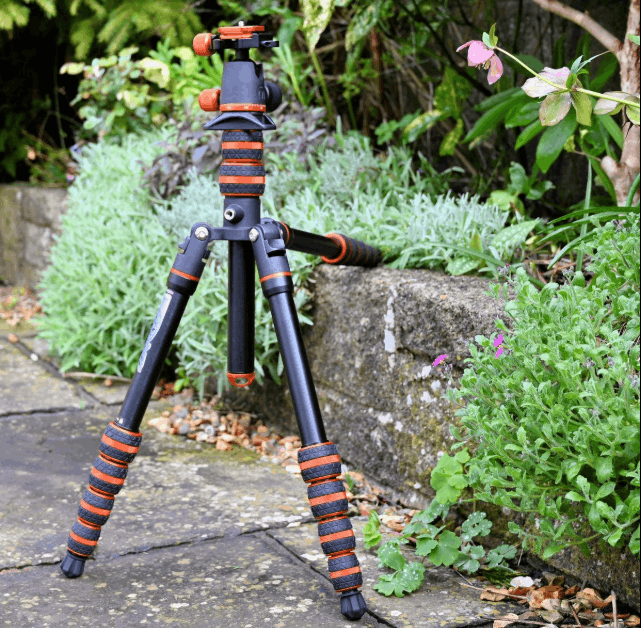
The modular design is the product's biggest selling point. In return, its weight of 1.78 kg means it's not among the lightest. This is an option for photographers who value versatility and a large payload capacity as well as saving every gram along the way.
1.5. SIRUI Traveler 5C
If weight is a primary concern, the SIRUI Traveler 5C is worth considering. This carbon fiber model weighs only about 0.85 kg, folds down to 33 cm, and reaches a maximum height of 138 cm. It has a maximum load capacity of 4 kg, a five-section leg frame, a 360-degree panoramic rotating headrest, and a compact reverse-folding design.
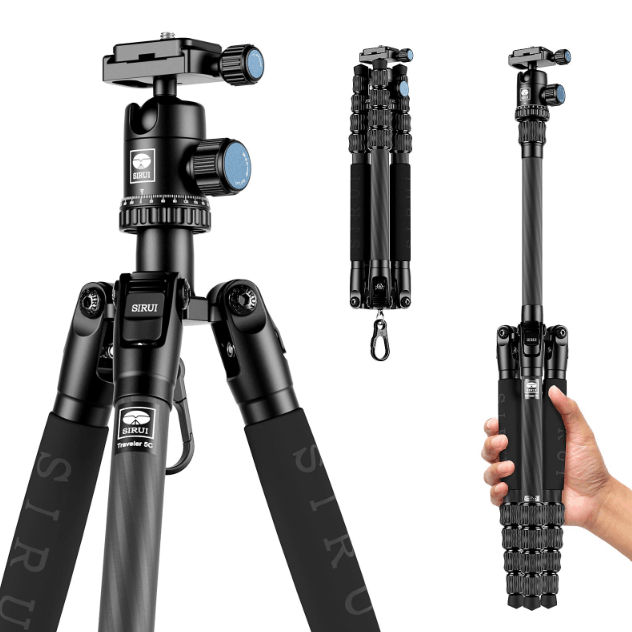
These figures make it particularly suitable for hikers, backpackers, and photographers using mirrorless or lightweight compact cameras. However, the 4 kg payload means it's not the obvious choice for a heavy full-frame camera body paired with a large telephoto lens. Add up the total weight of your equipment before deciding.
2. When do you really need a travel tripod?
Not every trip requires a tripod, and bringing one should only be done when it truly enhances the photograph. Tripods are most effective in situations where handheld shooting is not feasible.
First, there are times when you need a slow shutter speed, such as to photograph waterfalls with a smooth water effect or to capture the streaks of light from vehicles. Next, there's photographing city lights after sunset, when the low light forces the camera to use a longer exposure. Photographing stars and night landscapes is almost impossible without a tripod. If you're using a long-focal-length lens in low light, even the slightest vibration is enough to ruin the frame.
A tripod is also essential for techniques that require keeping the camera stationary across multiple frames, such as bracketing for HDR stitching, panorama stitching, or time-lapse video. Additionally, if you prefer taking self-portraits or group photos without needing assistance from others, a tripod with a timer or remote control will give you complete control over the composition. Finally, for architecture and landscape photography, stabilizing the camera allows for careful framing, maintaining precise lines, and fine-tuning details without worrying about misalignment.
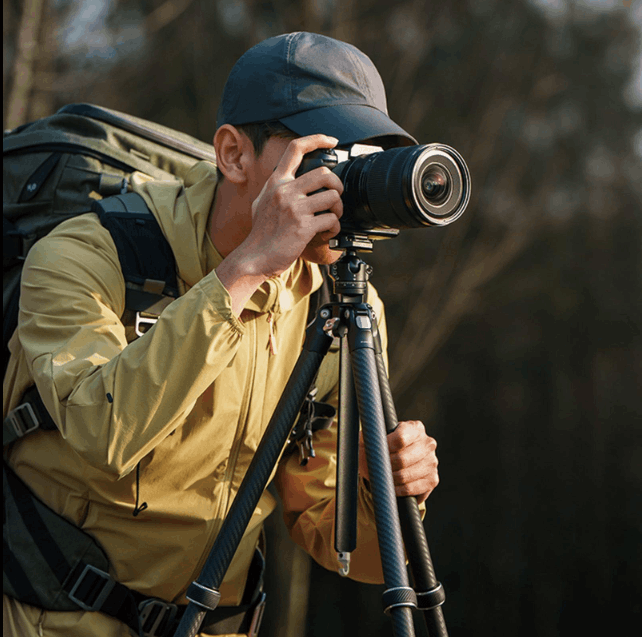
Conversely, if you primarily shoot during the day, with abundant light and frequent fast-moving activity, a tripod can become an unnecessary burden. Assess your shooting habits realistically before purchasing.
When choosing a tripod, start with your actual equipment. Add up the weight of your camera body, the largest lens you plan to use, the quick-release mount plate, flash, and any accessories attached to the camera, then compare it to the tripod's stated load capacity. A tripod that only just barely holds the load will have no room for maneuver when you change lenses or add accessories. Also, pay attention to the folded length, maximum and minimum height, the type of leg locks (rotating locks are neater, snap locks are usually faster), the type of tripod head, and the center column. Regarding the center column, remember that extending it to its maximum length reduces stability, so in windy conditions or when shooting long exposures, keep the column as low as possible.
Materials are also a factor to consider. Carbon fiber is generally lighter than aluminum, reduces vibration well, and feels less cold to the touch in cold weather, but it is more expensive. Aluminum is suitable for those who travel by car, don't mind a little extra weight, and want to save money. Finally, don't judge stability solely by weight. Stability also depends on the tripod's construction, tube diameter, tripod head, camera setup, and environmental conditions, especially wind on mountaintops, bridges, or beaches.
3. What should you photograph with a travel tripod?
A lightweight tripod opens up many creative possibilities throughout your journey. Below are some genres where tripods truly make a difference.
3.1. Scenery
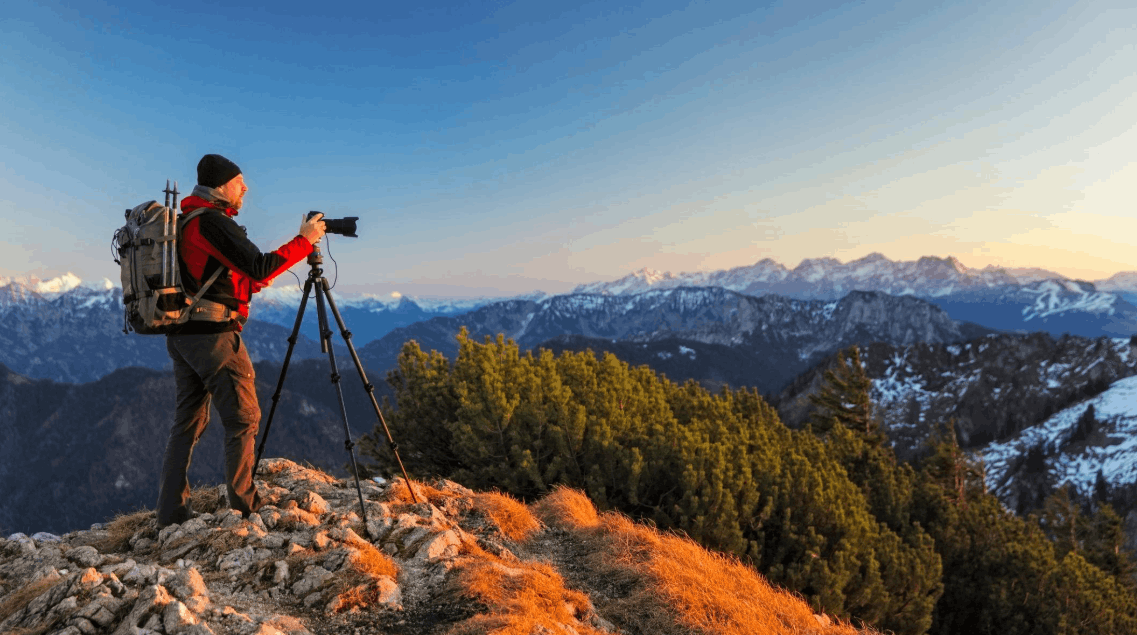
In landscape photography, a tripod allows you to use slow shutter speeds, carefully control the foreground and background, and keep multiple frames aligned. You can close the aperture to achieve a large depth of field, keep the ISO low for smooth images, and soften flowing water or clouds with long exposures. For sunrise or sunset scenes, a tripod also allows you to leisurely adjust the composition instead of rushing.
3.2. Night photography
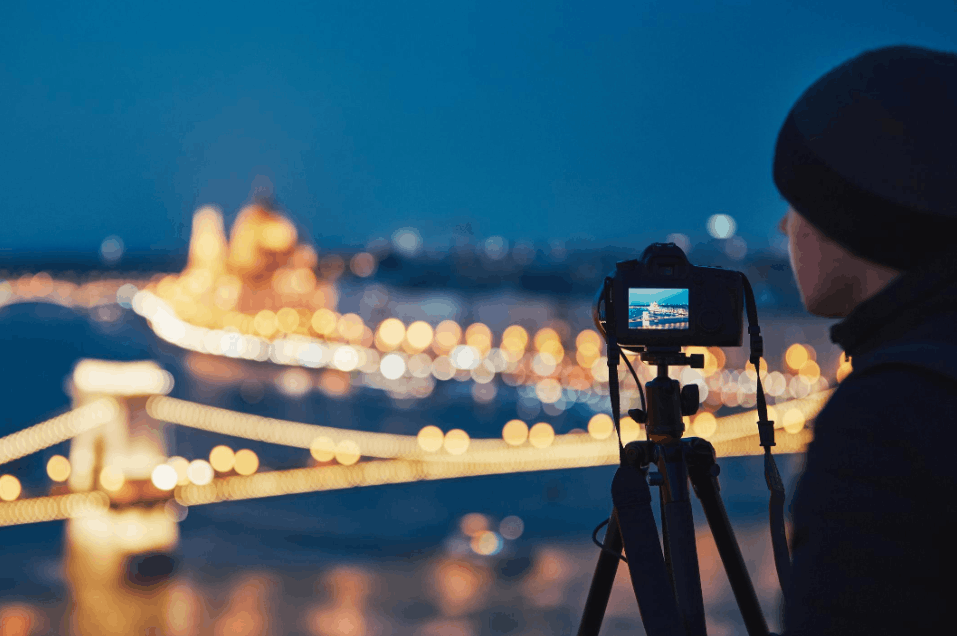
Night scenes often require long exposures or high ISO. A steady camera allows you to choose a slow shutter speed instead of relying solely on ISO, thus reducing noise and preserving more detail. Whether it's streetlights, the Milky Way, or a starry sky above a village, a tripod is almost mandatory. Combine this with a remote control or timer to avoid camera shake.
3.3. Architecture
Architecture demands precise lines and carefully considered composition. A fixed camera position allows for easy framing, control of tilt angles, and capturing multiple exposures of the same scene. In dimly lit interior spaces such as churches, museums, or palaces, a tripod allows for the use of slow shutter speeds for sharp images, provided the location permits it.
3.4. Self-Portrait
When traveling alone or with family, you don't always have someone to take your picture. A tripod with a timer or remote control transforms those difficult-to-take self-portraits into purposeful shots. You can position the camera at your desired angle, control the height, adjust the distance, and take multiple shots to choose the best one. Group photos also become more complete, as no one is left out of the frame.
3.5. HDR and bracketing photography
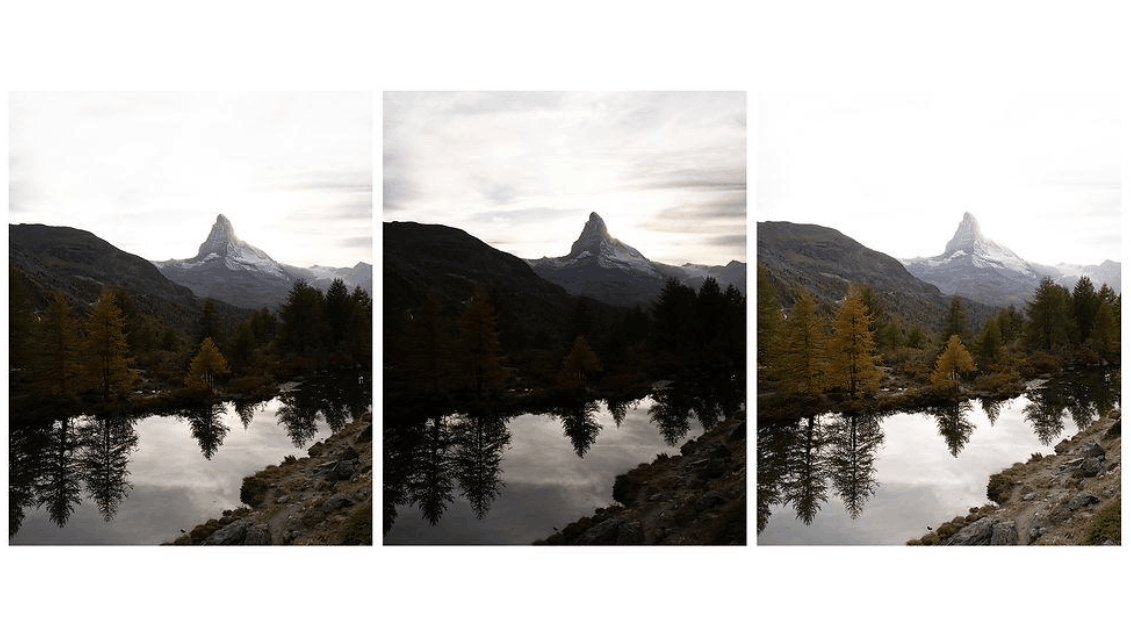
Scenes with high contrast, such as a brightly lit sky behind a shadowy area, often exceed the sensor's dynamic range. The solution is to capture multiple frames at different exposures and then combine them into an HDR image. A tripod keeps the camera in a consistent position, ensuring the frames align almost perfectly and reducing the need for post-processing adjustments. As a result, the combined image retains detail in both bright and dark areas.
3.6. Time-lapse video
Time-lapse video is one of the most stability-demanding applications. The camera must remain stationary for tens of minutes or even hours to create a seamless and smooth sequence of frames. Whether you're capturing drifting clouds, a passing crowd, or city lights coming on at twilight, a stable tripod will determine the success of the entire sequence. When shooting this type of video, choose a secure location and avoid areas prone to shaking or strong winds.
4. Conclusion
The best travel tripod isn't necessarily the one with the highest payload or the lightest, but rather the one that suits your camera system and travel habits. The Peak Design Travel Tripod is a well-rounded option for those who need a compact design but still want sufficient height. The Gitzo Traveler Series 1 is for those who want premium carbon fiber, lightweight construction, and a good payload. The Manfrotto Befree Advanced Carbon offers a familiar, easy-to-use format at a significantly lighter weight. The 3 Legged Thing PUNKS Corey 2.0 stands out for its modularity and detachable legs. And the SIRUI Traveler 5C is the answer when you want to minimize weight and use a lightweight setup.
Before buying, compare the folded size, weight, working height, minimum height, head type, leg locking system, and payload with your actual equipment. And remember, the best tripod is the one you're willing to carry. A slightly heavier model that accompanies you on all your trips is far more useful than a super-lightweight one left at home. Once the photos are safely stored on the memory card, the next step is post-processing to achieve the best possible quality.













VIP Products


Best Selling Products
Upgrade Duolingo Super
29 USD
Copyright Adobe Lightroom Account
59 USD
Upgrade genuine Capture One account
120 USD
MidJourney Account
29 USD
Windows 10 & 11 Pro Key
36 USD
Autodesk All App Account Copyright
120 USD
Upgrade Genuine Office 365
49 USD
Plugin Retouch4me
69 USD
Genuine Adobe Illustrator account
99 USD
Adobe Premiere Pro Account
99 USD
Freepik Premium Account
59 USD
Capcut Pro 1 Year
39 USD
Genuine Cheap Canva Pro
39 USD
ChatGPT Plus Account (GPT-4)
16 USD
Adobe Photoshop Copyright - Full App
120 USD