Best Selling Products
Autodesk All App Account Copyright
120 USD
Upgrade genuine Capture One account
120 USD
Adobe Premiere Pro Account
99 USD

Freepik Premium Account
59 USD
Windows 10 & 11 Pro Key
36 USD

ChatGPT Plus Account (GPT-4)
16 USD
Upgrade Genuine Office 365
49 USD
Capcut Pro 1 Year
39 USD
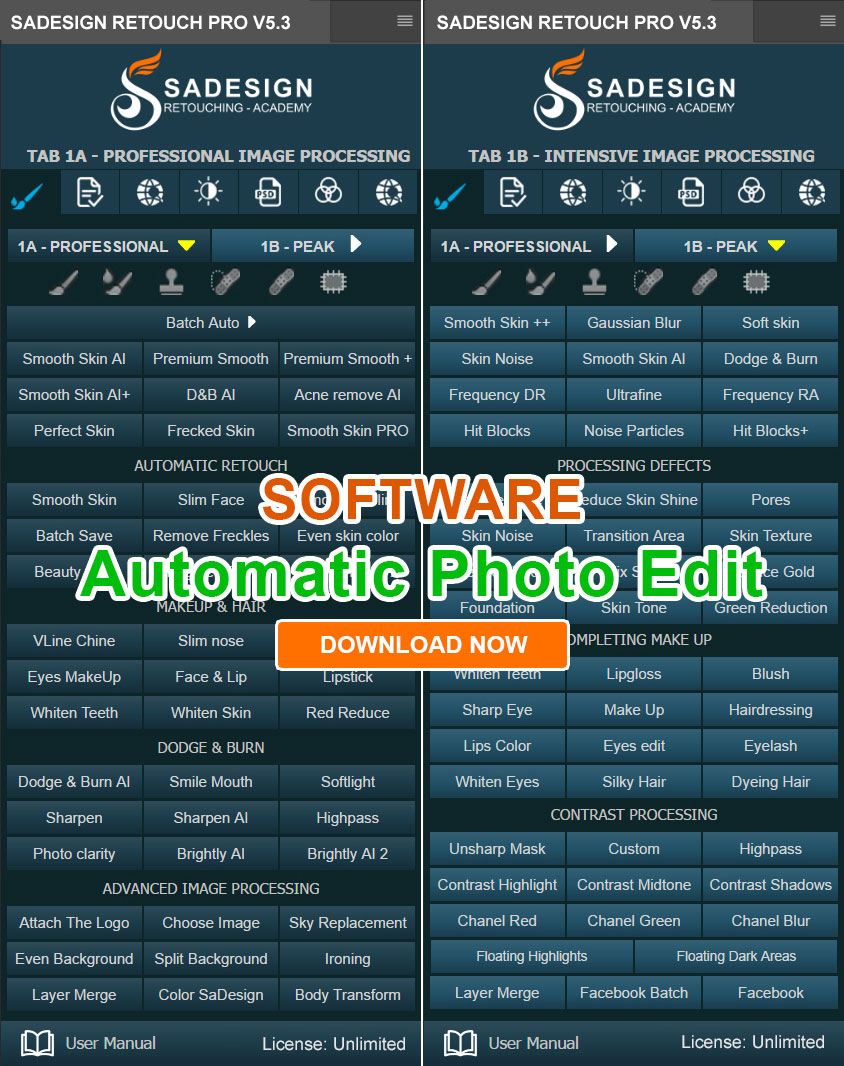
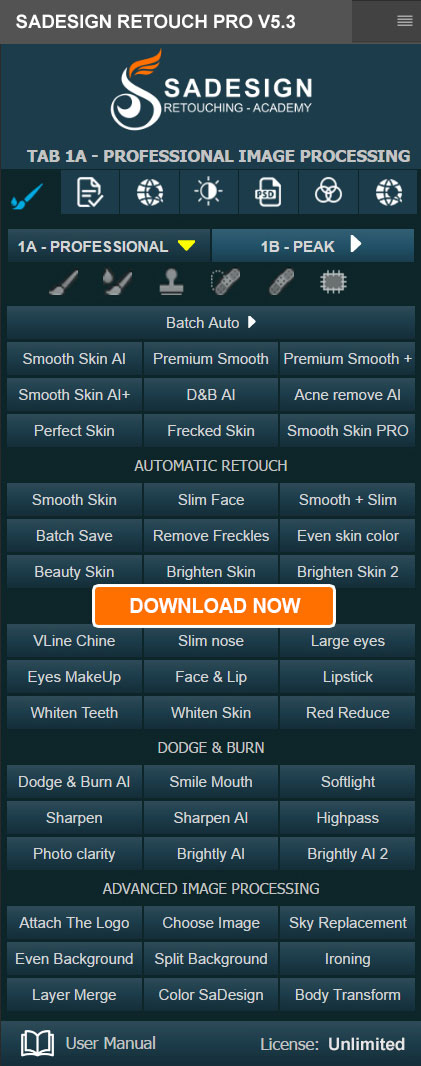
Plugin Retouch4me
69 USD

Upgrade Duolingo Super
29 USD

MidJourney Account
29 USD
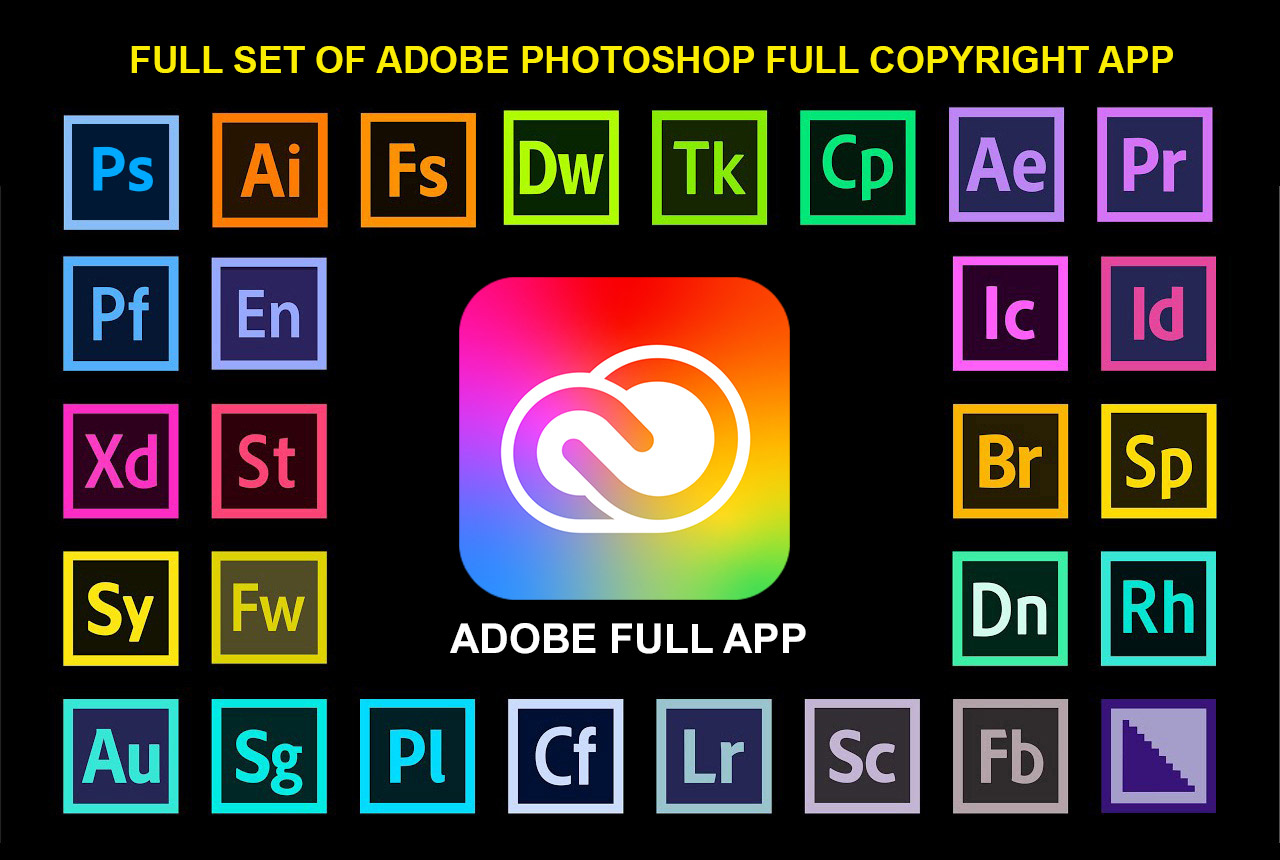
Adobe Photoshop Copyright - Full App
120 USD
Copyright Adobe Lightroom Account
59 USD
Genuine Cheap Canva Pro
39 USD
Genuine Adobe Illustrator account
99 USD
A Little-Known Method Is Changing YouTube Viewing Habits
Nội dung
No need to go into settings, no need to rewind or fast-forward. A single tap and hold is enough to control the video's pace moment by moment. Many people only realize its value after trying it out.
A Little-Known Method Is Changing YouTube Viewing Habits
No need to go into settings, no need to rewind or fast-forward. A single tap and hold is enough to control the video's pace moment by moment. Many people only realize its value after trying it out.
With video content getting longer, information becoming denser, and personal time shrinking, YouTube viewing habits are gradually changing. Users are starting to increase playback speed to 1.5x, 1.75x, or 2x. Fast-forwarding by 10 seconds by double-tapping the screen has become commonplace. All of this aims at one goal: saving time.
However, optimizing time in this way inadvertently creates many negative consequences. Watching videos at high speed continuously tires viewers, makes it difficult to concentrate, and reduces the ability to remember the content. Meanwhile, constantly fast-forwarding disrupts the flow of information, making it easy to miss important details.
Few people know that YouTube has quietly provided a much smarter solution, with just one extremely simple action: tap and hold. No need to go into settings, no need to change the playback speed for the entire video, no need to fast forward or rewind. A small gesture, but powerful enough to completely change the way we watch videos every day.
Upgrade to Official YouTube Premium at a Low Price
1. Many people are watching YouTube the wrong way.
Most YouTube users are now accustomed to watching videos at high speeds. Especially with informative content like lectures, podcasts, technology analysis, or long vlogs, increasing playback speed has almost become the default. Many even set the playback speed to 2x for all videos without a second thought.
Alongside this, the double-tap gesture to fast-forward 10 seconds is also frequently used. This is the quickest way to skip long intros, sponsored ads, or unnecessary dialogue. However, fast-forwarding always comes with risks. Just one wrong move and viewers could miss an important line, a key detail, or a valuable moment.
.jpg)
Changing playback speed through the Settings menu is even less flexible. Users have to open the gear icon, select the desired speed, and then accept that speed for the entire video. If they want to return to normal speed, they have to repeat the entire process. This disrupts the viewing experience and loses its emotional flow.
Therefore, many people have accepted the reality that watching YouTube quickly is tiring, watching it slowly is time-consuming, and there's no middle ground. Until they discovered the "tap and hold" gesture.
2. How does the "tap and hold" gesture work?
This feature is so simple that many people accidentally activate it without realizing it. When a video is playing on YouTube, users simply touch and hold their finger anywhere on the screen. Immediately, the video will switch to 2x playback speed. When they lift their finger, the video instantly returns to its original speed.
Notably, this gesture isn't dependent on a specific location. You can tap in the middle of the screen, in the corner, or anywhere as long as you don't touch the control buttons. This feature works smoothly in both portrait and landscape modes and is even available in incognito mode.
More importantly, this is a temporary change. You don't need to "commit" to watching the entire video at 2x speed. The speed only increases when you hold your finger down and decreases immediately when you release it. This creates a very natural sense of control, almost like manually fast-forwarding on old cassette tapes or CDs, but much more subtle and precise.
.jpg)
3. Why is this method better than traditional methods?
The biggest difference between "tap and hold" and fast-forwarding 10 seconds lies in the continuity of the information. When fast-forwarding, you completely skip a section of content. Your brain doesn't have a chance to process the sound, images, or context. This makes it more difficult to follow the storyline, especially with videos that have complex content.
Conversely, when using the "tap and hold" gesture, you still hear the voice and see the visuals, just faster. The brain maintains the flow of information, only reducing the processing time for less important segments. This is a significant difference in terms of cognitive experience.
Compared to setting the video speed to 2x for the entire video, this option offers superior flexibility. Viewers are no longer forced to choose a single speed for the whole video. They can slow down for sections requiring focus, speed up for digressions, and then return to normal in an instant.
.jpg)
This significantly reduces fatigue when watching long videos. Instead of straining to keep up with the 2x speed for 20–30 minutes, viewers only speed up when necessary. The experience becomes much more relaxed and natural.
What's commendable about YouTube is that they didn't turn this feature into a new button or a complicated settings option. Instead, they leveraged a gesture already very familiar to smartphone users. Tap and hold is an instinctive action that requires no learning or instruction.
This design shows that YouTube understands user behavior very well. They know that viewers don't want to be interrupted, they don't want to have to think about anything else while they're focused on the content. A good action is one that is almost "invisible," appearing only when needed and disappearing immediately afterward.
4. Changes in video viewing behavior
As users became familiar with the "tap and hold" gesture, the way they watched YouTube gradually changed. Instead of watching videos as a static stream, they began to interact with the content more actively.
.jpg)
Viewers can quickly skim through the lengthy introduction while still hearing the voiceover to know when the main content begins. They can speed up when the presenter speaks slowly or repeats points, then return to a normal pace when important information is delivered.
This feature is particularly useful for educational videos or in-depth analyses. Viewers no longer feel "forced" to choose between fast or slow speeds. They can adjust the pace according to their own comprehension ability at any given time.
In the long run, this habit helps improve concentration and reduce psychological stress when consuming digital content. Users no longer feel overwhelmed by information, but instead feel in control of the experience.
An interesting question is why such a useful feature isn't widely promoted by YouTube. There are no official guides, no pop-up notifications, and even many long-time users only discover it by chance.
Furthermore, truly good features tend to spread naturally. When users discover a useful tip, they share it with friends, post it on social media, or write a blog post. This spreading process makes the experience even more "special," like a little secret only for those who know about it.
.jpg)
5. Comparison with other video platforms
Not all video platforms have a sophisticated approach to adjusting playback speed like YouTube. Many apps still force users to go into settings to change the speed, or only allow fast-forwarding by fixed periods.
This shows that YouTube is one step ahead in optimizing the mobile viewing experience. Instead of focusing solely on recommendation algorithms or the quantity of content, they are placing more emphasis on how users interact with each second of video.
In the fiercely competitive landscape of video platforms, small improvements to the user experience can create a huge advantage. A simple but well-thought-out action can keep users engaged longer and make them feel more comfortable using the platform.
Instead of being forced to choose between fast-forwarding or slow-motion, YouTube users can now flexibly adjust the speed at any given moment with just a tap. This is a small change, but enough to alter daily video viewing habits.












VIP Products

Best Selling Products
Autodesk All App Account Copyright
120 USD
Upgrade genuine Capture One account
120 USD
Adobe Premiere Pro Account
99 USD
Freepik Premium Account
59 USD
Windows 10 & 11 Pro Key
36 USD
ChatGPT Plus Account (GPT-4)
16 USD
Upgrade Genuine Office 365
49 USD
Capcut Pro 1 Year
39 USD
Plugin Retouch4me
69 USD
Upgrade Duolingo Super
29 USD
MidJourney Account
29 USD
Adobe Photoshop Copyright - Full App
120 USD
Copyright Adobe Lightroom Account
59 USD
Genuine Cheap Canva Pro
39 USD
Genuine Adobe Illustrator account
99 USD