Best Selling Products
Capcut Pro 1 Year
39 USD
Windows 10 & 11 Pro Key
36 USD

Freepik Premium Account
59 USD
Plugin Retouch4me
69 USD
Upgrade Duolingo Super
29 USD
Genuine Cheap Canva Pro
39 USD
Adobe Premiere Pro Account
99 USD
Upgrade Genuine Office 365
49 USD
Adobe Photoshop Copyright - Full App
120 USD

ChatGPT Plus Account (GPT-4)
16 USD
Copyright Adobe Lightroom Account
59 USD

Upgrade genuine Capture One account
120 USD
Genuine Adobe Illustrator account
99 USD

MidJourney Account
29 USD
Autodesk All App Account Copyright
120 USD
Advancement in Graphic Design in 2025: A Complete Roadmap for Designers
Nội dung
- 1. Why is a Career Career Path Necessary for Designers?
- 1.1 Challenges of working as a graphic designer
- 1.2 Benefits of defining a graphic design career path
- 1.3 Wide range of job opportunities in the graphic design industry
- 2. Levels and Career Paths for Designers
- 2.1 Intern
- 2.2 Junior Designer
- 2.3 Mid-Level Designer
- 2.4 Senior Designer
- 2.5 Lead Designer
- 2.6 Head of Design
- 2.7 Vice President of Design
- 2.8 C-Level (Chief Design Officer / Chief Creative Officer)
- 3. How to Develop a Career in Graphic Design?
- 3.1 Invest in learning and graphic design courses.
- 3.2 Updating to new design trends
- 3.3 Building a professional portfolio
- 3.4 Join the community and connect with other designers.
This illustration covers the entire career path of a designer, from the initial entry into the job to positions such as Lead, Head, or VP. It includes essential skills and ways to optimize career opportunities.

The graphic design industry is constantly evolving with the rapid pace of technological development. New design tools, groundbreaking aesthetic trends, and ever-increasing market demands have created an environment full of opportunities but also full of challenges for designers. Defining a clear career path is essential for individuals to orient their careers, optimize their abilities, and effectively seize opportunities. This article will analyze in detail the different levels within the graphic design industry, the challenges and opportunities, and personal development strategies to help designers advance quickly in their careers.
1. Why is a Career Career Path Necessary for Designers?
1.1 Challenges of working as a graphic designer
Graphic design might seem like a profession that only requires creativity, but in reality, it's not that simple. Designers often face time pressure, high quality demands from clients, and fierce competition in the workplace. A designer's workday isn't just about creating visually appealing products; it's also about ensuring they meet marketing, branding, and user experience goals.
Besides work pressure, designers must constantly update their design tools, from traditional software like Adobe Photoshop and Illustrator to newly emerging AI, AR/VR platforms. Failing to keep up with trends will render their skills outdated, reducing opportunities for advancement and competitiveness in the industry.
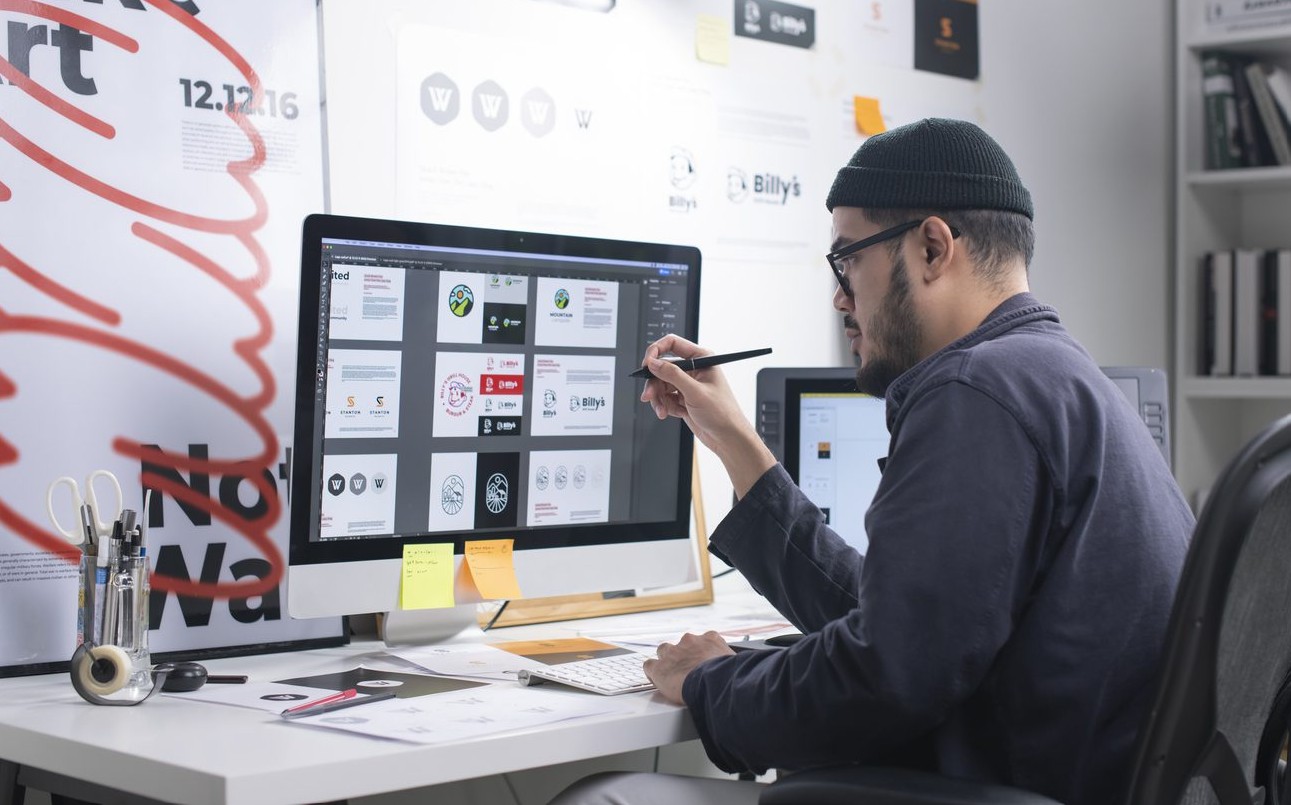
Another challenge is the diversity within the design field. A designer may have to work on everything from brand identity design, user interfaces, 3D design, motion graphics to digital marketing products. Without a clear career progression path, designers can easily fall into the trap of "chasing jobs" without developing specialized skills or a long-term career plan.
1.2 Benefits of defining a graphic design career path
Defining a career path helps designers clearly see the steps to progress from entry-level to leadership positions. With a clear roadmap, designers know the skills, experience, and knowledge needed to reach each level in their career. This not only helps optimize learning and development time but also reduces pressure when choosing a career direction.
Another benefit is the ability to negotiate and assess capabilities. When designers understand the benchmarks for qualifications, responsibilities, and corresponding salaries, they become more confident in negotiating with employers. This is especially important in the graphic design industry, where salaries and opportunities for advancement can vary greatly depending on experience, skills, and individual portfolios.
A clear career path also provides strong motivation. Knowing where they are and what their next steps are, designers will proactively learn, seek challenging projects, and develop themselves. This helps maintain creative passion and reduces the risk of burnout in the profession.
1.3 Wide range of job opportunities in the graphic design industry
The graphic design industry is booming with high demand from startups, tech companies, marketing agencies, game studios, and traditional businesses looking to upgrade their brand image. Furthermore, the growth of digital platforms, e-commerce, and social media has opened up numerous opportunities for freelance designers with attractive incomes.
A designer with a clear career path will easily recognize potential opportunities, from entry-level design staff to team leadership roles, department heads, or even senior positions such as design director. The key is knowing how to combine creative skills, project management, and strategic thinking to expand their career opportunities.
Furthermore, with the development of AI in design, designers have more opportunities to learn creative automation tools, optimize processes, and create high-quality products in a short time. Those who master new technologies and build impressive portfolios will have a distinct competitive advantage in the volatile job market.
2. Levels and Career Paths for Designers
The graphic design industry has a clear hierarchical system, from intern to senior management positions. Below is a detailed breakdown of each level and its associated responsibilities.
2.1 Intern
Internships are the first step in a graphic design career. At this level, designers begin to learn basic skills, how to use design tools, company workflows, and communication skills with colleagues and clients. This is a time to gain practical experience, receive feedback from mentors, and build a foundation for further advancements.

Interns typically participate in small projects or assist senior designers. The goal is to learn how to design to the right standards, meet deadlines, and understand the professional creative process. At the end of the internship, designers will have the opportunity to have their skills evaluated and a decision made on whether they can be promoted to Junior Designer.
2.2 Junior Designer
Junior Designer is the official starting point in a design career. At this level, designers have a basic understanding of design tools and skills but need to further develop their creative thinking and ability to execute projects from start to finish. Junior Designers are typically responsible for specific tasks within a project, following the guidance of Mid-Level or Senior Designers.
A good junior designer knows how to learn quickly, absorb feedback, and improve their work. They also begin building their portfolio with real-world projects, which is crucial for opening up opportunities for advancement to higher levels.
2.3 Mid-Level Designer
Mid-Level Designers typically have 2 to 5 years of experience and begin working on independent projects. At this level, designers not only perform tasks but also participate in the ideation process, collaborating with other departments such as marketing, product development, or web/app development. Mid-Level Designers are also responsible for mentoring junior designers and assisting in problem-solving within projects.
Key skills at this level include creativity, strategic thinking, and time management. A good Mid-Level Designer can lead small projects, ensure product quality, and prepare for advancement to a Senior Designer position.
2.4 Senior Designer
Senior Designers are experienced professionals capable of handling complex projects. They not only create high-quality designs but also guide the style and ensure consistency across the company's entire product portfolio. Senior Designers also participate in training Junior and Mid-Level Designers, helping to enhance the skills of the entire team.

In this role, the Designer needs to develop strong client communication skills, understand brand strategy, and be able to provide creative and feasible solutions. Being a Senior Designer is a crucial stepping stone to becoming a Lead Designer or Head of Design.
2.5 Lead Designer
A Lead Designer is responsible for leading the design team, managing projects, assigning tasks, and ensuring deadlines and quality. They combine creative skills with people management abilities, while also ensuring that design ideas align with the company's overall strategy.
Lead Designers need to be able to make decisions, resolve conflicts within the team, and inspire team members. They are also frequently involved in recruitment, team development, and working directly with major clients.
2.6 Head of Design
The Head of Design is responsible for the overall strategy of the design department. They develop creative direction, enhance team capabilities, and ensure all design output aligns with the brand vision. This position requires strong leadership skills, the ability to communicate effectively with other departments, and a long-term strategic perspective.
At this level, designers are less involved in direct design work and focus more on project management, mentoring, creative strategy planning, and workflow optimization. The Head of Design plays a crucial role in shaping the brand image and boosting the organization's creative power.
2.7 Vice President of Design
The VP of Design is a senior management position that oversees the company's overall design strategy. They collaborate with departments such as marketing, product, and business development to ensure design products align with business objectives. The VP of Design is also responsible for budget management, senior recruitment, and fostering a creative culture within the team.
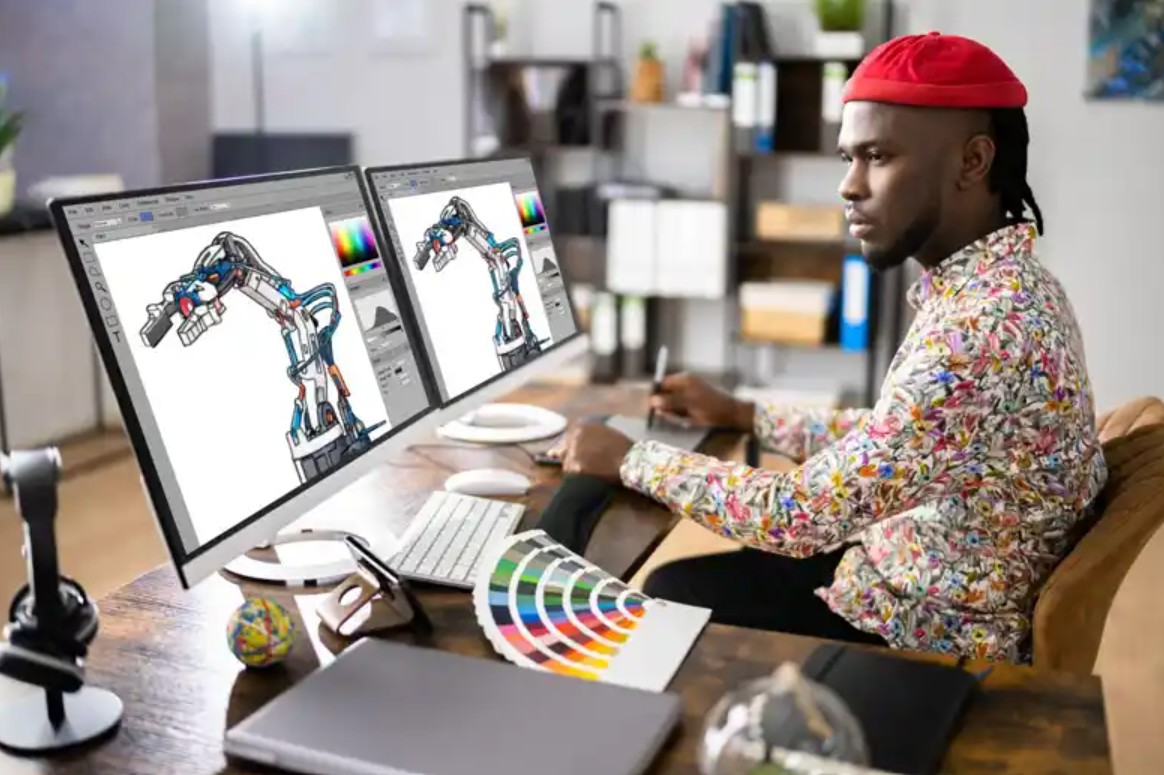
At this level, years of experience and strategic vision are key factors. The VP of Design is the creative leader, delivering long-term value to the brand and ensuring the team is always innovating and creating.
2.8 C-Level (Chief Design Officer / Chief Creative Officer)
C-Level represents the pinnacle of a graphic design career, where designers are responsible for the company's entire creative strategy across all areas. They shape the brand vision, drive innovation, and lead the entire creative culture. In this position, designers need strategic decision-making abilities, organizational leadership skills, and a deep understanding of the market, business, and technology.
C-Level is a position that demands extensive experience, a global mindset, and strong inspirational abilities. This is where designers can leave the biggest mark, both on the brand and in their personal careers.
3. How to Develop a Career in Graphic Design?
3.1 Invest in learning and graphic design courses.
Any designer who wants to advance quickly needs to build a solid foundation. Learning isn't just about mastering design software and tools, but also about understanding color theory, typography, UX/UI, motion graphics, and branding. Participating in online or offline courses from reputable schools helps designers update their knowledge, challenge themselves, and refine their skills. Continuous learning is crucial for designers to progress through the ranks from Junior to Senior and beyond.
3.2 Updating to new design trends
The graphic design industry is constantly evolving with new trends. From minimalism, neuromorphism, design for AI, AR/VR, to user experience-oriented design, designers need to keep up and apply them flexibly. Staying up-to-date with trends not only makes products visually appealing but also demonstrates creative thinking and market acumen. Designers should dedicate time to researching design platforms, studying international case studies, and experimenting with new ideas.

3.3 Building a professional portfolio
A portfolio is the "face" of a designer. A high-quality, diverse, and in-depth portfolio helps a designer demonstrate their abilities, experience, and personal style. It's not just a collection of work; a portfolio should also include the creative process, the rationale behind the chosen design solution, the results achieved, and client feedback. A good portfolio is a key tool for rapid career advancement, especially when applying for Senior or Lead Designer positions.
3.4 Join the community and connect with other designers.
Networking is incredibly important in the design industry. Participating in communities, forums, workshops, or meetups helps designers learn from experience, stay updated on trends, find mentors, and expand their career opportunities. Additionally, collaborating with other designers on projects or freelancing increases practical experience and helps build personal reputation. A wide network within the industry is a significant advantage for rapid career advancement and access to senior management positions.
Graphic design is a promising profession, but it also demands effort, patience, and a clear development strategy. Defining a career progression path from Intern to C-Level helps designers see their development steps clearly, optimize their skills, and seize career opportunities. By building a solid foundation, staying up-to-date with design trends, developing a high-quality portfolio, and networking within the community, designers can advance quickly and achieve high positions in the industry. By 2025, graphic design will not only be a creative profession but also a path for each designer to sustainably express their passion, talent, and personal development strategy.








VIP Products

Best Selling Products
Capcut Pro 1 Year
39 USD
Windows 10 & 11 Pro Key
36 USD
Freepik Premium Account
59 USD
Plugin Retouch4me
69 USD
Upgrade Duolingo Super
29 USD
Genuine Cheap Canva Pro
39 USD
Adobe Premiere Pro Account
99 USD
Upgrade Genuine Office 365
49 USD
Adobe Photoshop Copyright - Full App
120 USD
ChatGPT Plus Account (GPT-4)
16 USD
Copyright Adobe Lightroom Account
59 USD
Upgrade genuine Capture One account
120 USD
Genuine Adobe Illustrator account
99 USD
MidJourney Account
29 USD
Autodesk All App Account Copyright
120 USD