Best Selling Products

MidJourney Account
29 USD

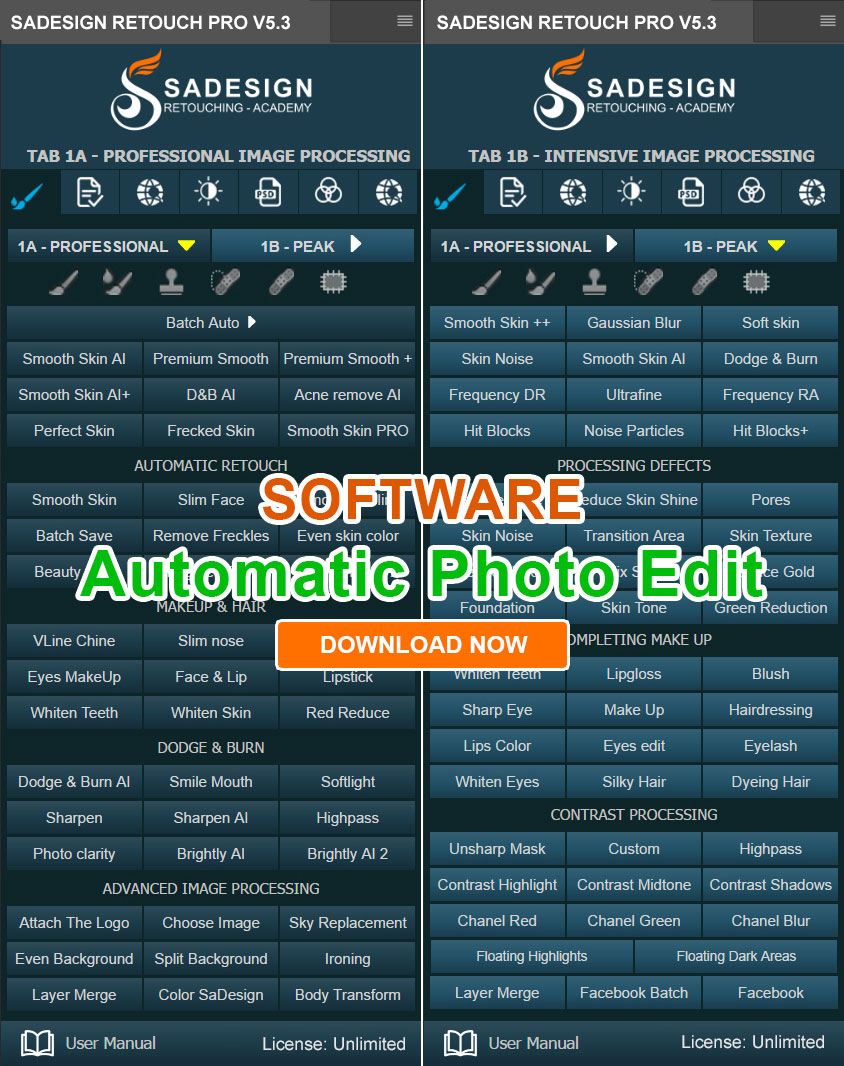
Plugin Retouch4me
69 USD
Adobe Photoshop Copyright - Full App
120 USD

Freepik Premium Account
59 USD
Upgrade Duolingo Super
29 USD
ChatGPT Plus Account (GPT-4)
16 USD

Copyright Adobe Lightroom Account
59 USD
Genuine Cheap Canva Pro
39 USD

Windows 10 & 11 Pro Key
36 USD
Autodesk All App Account Copyright
120 USD
Upgrade genuine Capture One account
120 USD

Capcut Pro 1 Year
39 USD

Genuine Adobe Illustrator account
99 USD

Upgrade Genuine Office 365
49 USD

Adobe Premiere Pro Account
99 USD
AI Becomes a “Digital Matchmaker”: Tinder and Grindr Bet on the Future of Dating
Nội dung
Dating apps are undergoing a major transformation with the support of AI. Endless swiping is no longer the norm, as users are being matched with more accurate connections. Technology is gradually changing the way we search for love.
1. From “endless swiping” to user fatigue
When Tinder launched its left-swipe and right-swipe mechanism, it quickly became a symbol of modern dating thanks to its simplicity and addictive nature. However, over time, this very mechanism began to reveal its limitations as users found themselves repeating the same action hundreds of times without any guarantee of achieving the desired outcome. What once felt exciting gradually became repetitive and, in some cases, felt like a waste of time with little meaningful return.
The phenomenon known as “swipe fatigue” is not merely physical exhaustion from repetitive actions; it is also a psychological issue. When people are forced to make too many small decisions in a short period of time, the brain tends to reduce the quality of its judgments. Users become less patient, more likely to overlook potentially compatible profiles, and increasingly engage with the platform in a superficial manner. As a result, the original goal of “finding meaningful connections” becomes overshadowed by mechanical behavior.
.jpg)
From the platform’s perspective, this is a concerning signal. When users engage less or begin feeling bored, they are more likely to leave the application or become unwilling to pay for premium features. This creates pressure for companies to innovate. The challenge is no longer simply retaining users but also improving the quality of the experience so that each session feels more valuable.
2. The strategic shift of AI in the dating industry
The emergence of AI on platforms such as Tinder and Grindr is not merely a technological trend; it represents a strategic transformation. As the “swipe and wait” model gradually loses effectiveness, companies are forced to seek a new approach where technology does not merely assist but actively creates value.
Previously, matchmaking systems relied mainly on static criteria such as age, location, or declared interests. These data points were easy to collect but lacked depth and failed to fully reflect users’ behavior and personalities. With modern AI, particularly machine learning and deep learning models, systems can now analyze user behavior in real time.
The core difference lies in the shift from a reactive model to a proactive one. Instead of simply displaying profiles based on basic filters, AI can predict what users are genuinely interested in and proactively recommend suitable matches. This not only reduces the number of actions users need to take but also increases the likelihood of finding meaningful connections. In other words, AI is transforming dating from a manual search process into a data-optimized system.
.png)
3. How AI acts as a “matchmaker”
While a traditional matchmaker requires time to understand two individuals, AI can perform a similar role on a much larger scale with greater speed and accuracy. On platforms like Tinder and Grindr, AI functions as a continuously operating analytical system, gathering data from every user interaction.
The data comes not only from personal profiles but also from usage behavior. AI can identify subtle behavioral patterns, such as a preference for people with active lifestyles or a tendency to respond more positively to conversations with deeper topics. These insights may not be consciously recognized by users themselves, yet they play a significant role in determining compatibility.
Additionally, natural language processing models allow AI to analyze conversations and assess the “chemistry” between two people. This represents a major advancement because such factors were previously nearly impossible to measure algorithmically. AI can now recognize engagement levels, communication styles, and even predict the potential development of a relationship.
Some platforms are also developing AI agents capable of continuous learning. These systems not only provide recommendations but also refine themselves based on user feedback. If a suggestion proves ineffective, the AI records that outcome and improves future recommendations. This enables increasingly personalized experiences, treating each user as a unique case optimized over time.
.jpg)
4. From quantity to quality of connections
In the early stages, the success of platforms like Tinder was often measured by the number of matches users received. More matches were considered evidence of a better experience. However, reality has shown that quantity does not necessarily equal quality. A person may receive hundreds of likes yet still fail to find a truly meaningful relationship, leading to frustration and confusion about the platform’s value.
The rise of AI has encouraged a significant shift in how platforms define success. Rather than maximizing the number of matches, systems are increasingly focused on optimizing compatibility between individuals. This is achieved through deeper analysis of behavior, preferences, and interaction patterns, resulting in recommendations with a higher likelihood of success.
As a result, users may receive fewer matches, but each connection is more likely to hold genuine value. Conversations tend to become longer, more natural, and more likely to develop into real-world relationships. This marks a transition from “fast connections” to “right connections.”
For platforms, this strategy helps build long-term trust. When users feel that an application genuinely delivers results, they are more likely to return regularly and invest in premium features. This not only improves the user experience but also creates a more sustainable business model over time.
.jpg)
5. The AI race among dating platforms
Major platforms such as Tinder and Grindr are no longer competing solely on interface design or user numbers. The competition has shifted toward data-processing capabilities and algorithmic intelligence.
Alongside these giants, many startups are entering the market with AI-centered business models. Some position themselves as premium matchmaking services where AI acts as a “personal consultant,” offering carefully curated recommendations instead of endless lists of random profiles. This has created a new segment in which users are willing to pay more for higher-quality matches.
The competition is not limited to specialized dating applications. Large technology companies are also leveraging their vast data ecosystems to enter the space. With access to enormous amounts of information from social networks and digital services, they can develop AI models capable of understanding users on a much deeper level. As a result, the boundary between a “dating app” and a “technology platform” is becoming increasingly blurred.
However, data remains the key competitive advantage. Platforms with large user bases and rich interaction histories possess a significant edge in training AI systems. The more diverse and detailed the data, the more accurate the predictions become. This is why companies are investing not only in technology but also in retaining users to maintain the essential “fuel” that powers AI.
.jpg)
6. Challenges and unanswered questions
The first challenge concerns accuracy. Human beings are not systems that can be fully predicted through data. Emotions, intuition, and countless intangible factors continue to play critical roles in forming relationships. This makes measuring compatibility an extremely complex problem that AI has yet to solve completely.
Privacy is another major concern. To function effectively, AI requires the collection and analysis of vast amounts of personal data, ranging from usage behavior to conversation content. This raises important questions about how data is used, where it is stored, and who has access to it. Without transparency and strong oversight, user trust could be significantly undermined.
Another often-overlooked but highly important issue is AI’s influence on human behavior. As systems continuously present “optimized” choices, users may gradually become dependent on machine-generated recommendations. This raises a critical question: are we using technology to support our decisions, or are we allowing technology to make decisions on our behalf?
There is also the risk of creating a “compatibility bubble,” where AI only recommends people who align with a user’s existing preferences. This may limit diversity and cause users to miss unexpected yet meaningful opportunities for connection.
All of these challenges demonstrate that AI is not a perfect solution but rather a tool that must be used thoughtfully and responsibly. The success of future platforms will depend not only on technology but also on how effectively they combine algorithms with human elements to create experiences that are both efficient and authentic.
Despite its imperfections, AI has already demonstrated the potential to become a kind of “magic” in matchmaking, helping people discover meaningful connections in an increasingly digital world. More importantly, it does not replace human beings but serves as a supportive tool, helping us better understand ourselves and what we are truly looking for.


















VIP Products





Best Selling Products
MidJourney Account
29 USD
Plugin Retouch4me
69 USD
Adobe Photoshop Copyright - Full App
120 USD
Freepik Premium Account
59 USD
Upgrade Duolingo Super
29 USD
ChatGPT Plus Account (GPT-4)
16 USD
Copyright Adobe Lightroom Account
59 USD
Genuine Cheap Canva Pro
39 USD
Windows 10 & 11 Pro Key
36 USD
Autodesk All App Account Copyright
120 USD
Upgrade genuine Capture One account
120 USD
Capcut Pro 1 Year
39 USD
Genuine Adobe Illustrator account
99 USD
Upgrade Genuine Office 365
49 USD
Adobe Premiere Pro Account
99 USD