Best Selling Products

Capcut Pro 1 Year
39 USD
Copyright Adobe Lightroom Account
59 USD

Upgrade Genuine Office 365
49 USD

MidJourney Account
29 USD

Plugin Retouch4me
69 USD
Adobe Premiere Pro Account
99 USD

Freepik Premium Account
59 USD
Upgrade genuine Capture One account
120 USD
Genuine Cheap Canva Pro
39 USD

Windows 10 & 11 Pro Key
36 USD

ChatGPT Plus Account (GPT-4)
16 USD
Adobe Photoshop Copyright - Full App
120 USD
Autodesk All App Account Copyright
120 USD

Upgrade Duolingo Super
29 USD
Genuine Adobe Illustrator account
99 USD
AI cameras – A technology trend shaping the future of photography.
Nội dung
- 1. AI cameras and how this technology is changing the photography experience.
- 2. AI mirrorless cameras for professional photography and videography.
- 3. AI cameras optimized for video recording and content production.
- 4. AI cameras for vloggers and independent content creators.
- 5. Suggestions for some typical AI-integrated camera models currently available.
- 6. Future trends in AI camera development
Viewing AI cameras within the long-term landscape of the imaging industry. Analyzing development trends and future potential. Suitable for professionals, creators, and tech enthusiasts.
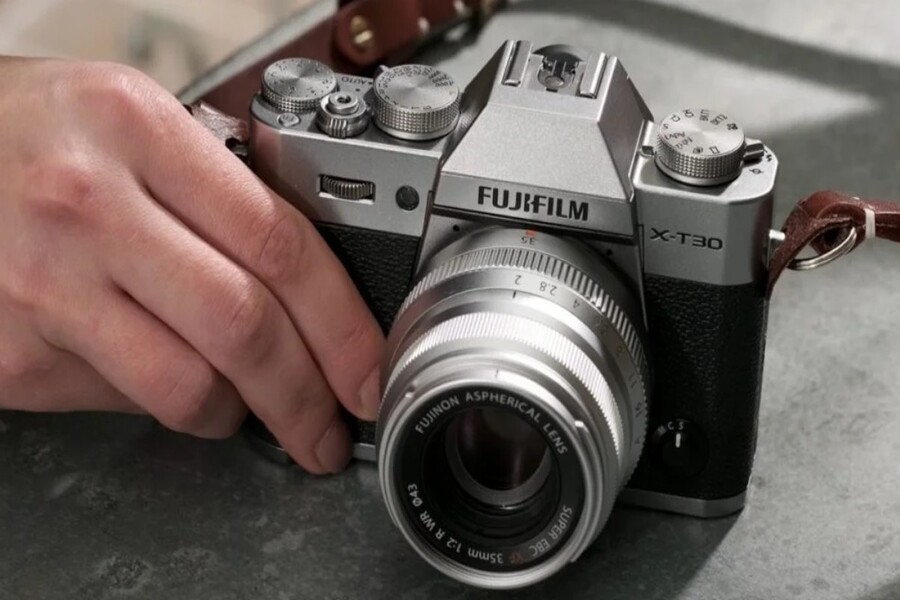
1. AI cameras and how this technology is changing the photography experience.
AI cameras are the result of a combination of traditional photographic hardware and advanced artificial intelligence algorithms. Instead of simply recording light passing through the lens and converting it into a digital signal, AI cameras are able to “understand” what is happening in the frame. Through real-time analysis of image data, AI can identify the context, subjects, and relationships between elements in the image.
The biggest change that AI cameras bring lies in the user experience. Previously, photographers had to constantly adjust parameters to suit each lighting situation and movement. With AI, many complex operations are intelligently automated. The camera can recognize human faces, eyes, animals, or fast-moving objects, thereby prioritizing focus and metering more accurately.
Beyond technical support, AI directly impacts photographic thinking. When photographers are no longer pressured by parameters, they have more space to focus on composition, emotion, and the visual story. This is especially crucial in lifestyle, portrait, or street photography, where moments are fleeting and emotion is paramount.
Furthermore, AI learns from user behavior. By recognizing parameter choices, shooting styles, and image processing habits, AI cameras gradually optimize their responses to better suit each individual. The photography experience thus becomes more seamless, intuitive, and highly personalized than ever before.
2. AI mirrorless cameras for professional photography and videography.
In the world of professional photography, mirrorless cameras are the platform that best demonstrates the power of AI. Not limited by the traditional mirror mechanism, modern mirrorless cameras can integrate powerful processors, allowing AI to operate continuously and more efficiently.
AI on mirrorless cameras not only helps with faster focusing but also maintains accuracy in challenging situations. When shooting sports, wildlife, or events with unpredictable movement, AI can predict the subject's direction of movement. This allows the autofocus system to continuously track the subject, maintaining sharpness even when the subject moves away from the center of the frame.
For professional filmmaking, AI plays a crucial role in image stabilization and focus control. The combination of mechanical stabilization, electronic stabilization, and AI algorithms makes footage smoother, even when shooting manually. AI can also recognize faces and eyes, maintaining stable focus throughout the filming process, something that previously required high skill from the cinematographer or the use of specialized equipment.
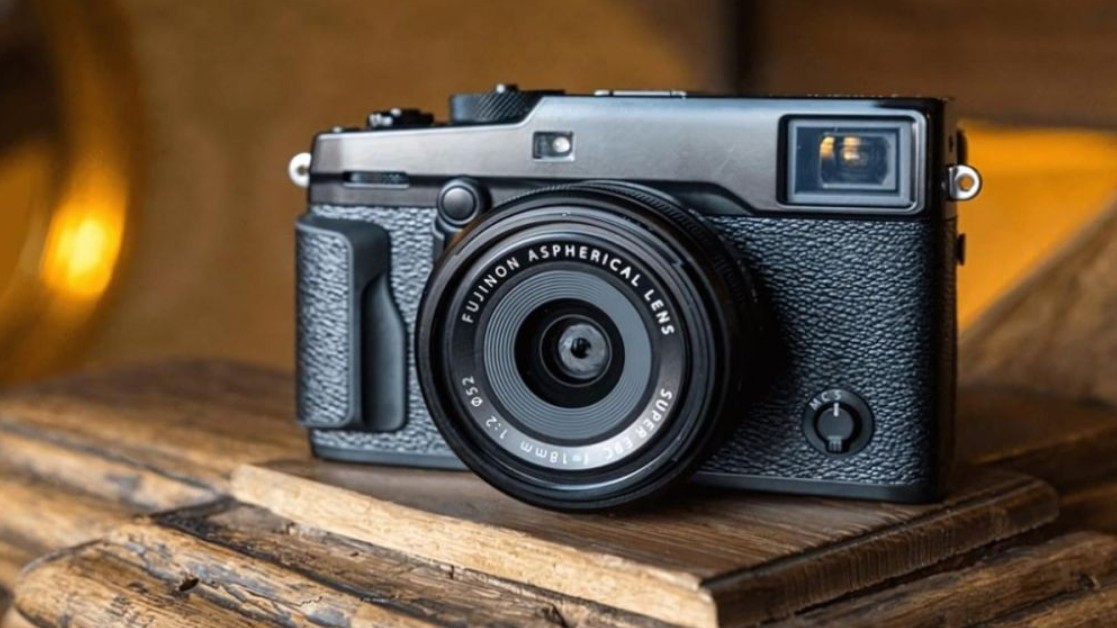
The presence of AI in mirrorless cameras significantly reduces the workload for photographers and videographers. Instead of constantly adjusting settings, they can focus more on building visual language, harnessing light, and telling stories through each frame. This is why AI-powered mirrorless cameras are increasingly becoming the top choice for professional projects.
3. AI cameras optimized for video recording and content production.
The explosion of video on digital platforms has fueled the demand for versatile, user-friendly filming equipment that still delivers high quality. AI cameras effectively meet this requirement thanks to their ability to automatically recognize the scene and optimize parameters according to each shooting situation.
AI can analyze footage to determine what constitutes an interview, fast-moving scenes, or manual filming. Based on this, the camera automatically adjusts shutter speed, ISO, and white balance to ensure stable and consistent images. This is especially useful when shooting in constantly changing lighting conditions, such as outdoor vlogging or event recording.
Another strength of AI cameras in content production is their ability to support post-production. By optimizing images right from the moment of shooting, the output video files often have more stable colors and exposure, helping to shorten editing time. For content producers who have to work with large volumes of video, this offers a huge advantage in terms of efficiency and cost.
AI also helps improve the solo filming experience, where the cameraman is also the main character. The ability to maintain facial focus, track movement, and automatically adjust lighting makes videos look more professional without the need for a large support team. This is why AI cameras are becoming increasingly popular in the digital content production industry.
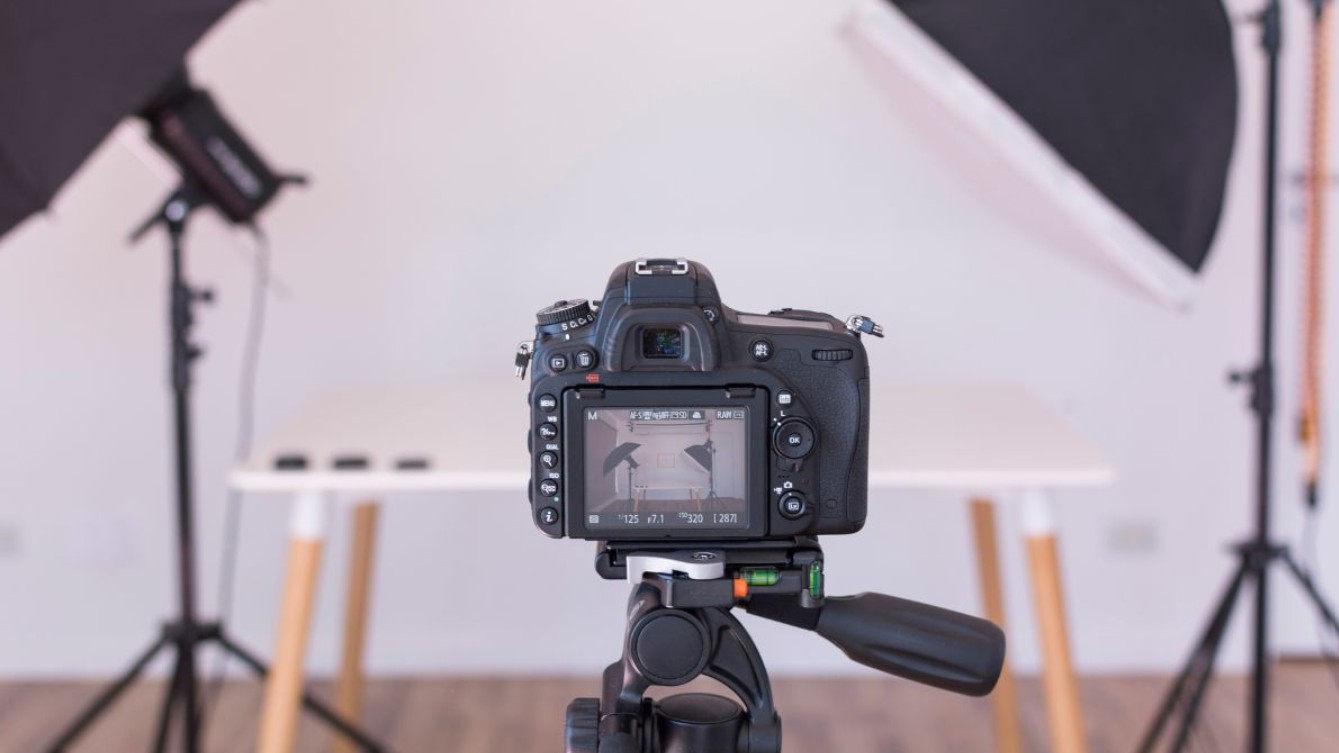
4. AI cameras for vloggers and independent content creators.
With the rise of social media, vloggers and independent content creators have become a key user group for AI cameras. For this group, convenience, flexibility, and automation capabilities are crucial.
AI cameras designed for vloggers typically feature a compact design but are equipped with intelligent algorithms comparable to high-end models. The AI helps recognize the speaker's face, keeps the subject in the frame, and automatically adjusts lighting to suit the shooting environment. This allows users to focus on the content instead of worrying about technical aspects.
Some AI cameras also integrate intelligent tracking capabilities, allowing the camera to automatically track and adjust the frame according to the subject's movement. In situations involving solo shooting, livestreaming, or long recording sessions, this feature offers exceptional convenience. Users don't need to stand still or constantly check the frame, resulting in more natural and dynamic content.
For independent content creators, AI cameras are not just recording tools but also assistants that optimize workflows. From shooting and editing to publishing, AI helps shorten production time and improve output quality, enabling users to compete better in the increasingly fierce digital content environment.
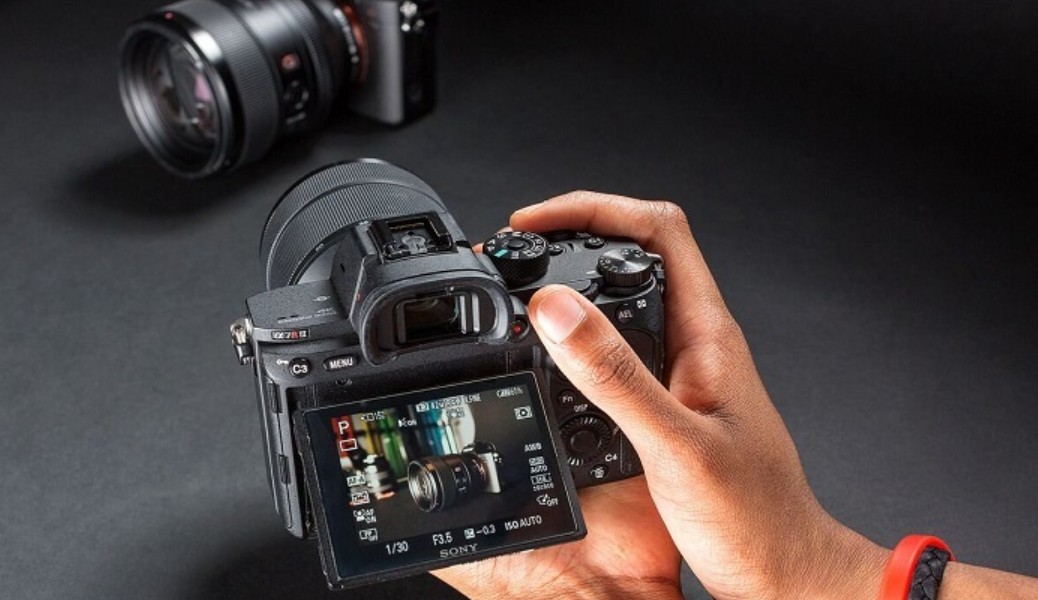
5. Suggestions for some typical AI-integrated camera models currently available.
In today's market, many major brands have invested heavily in developing AI-integrated cameras. Sony is one of the pioneers with its AI eye-tracking autofocus system for both human and animal eyes, delivering high accuracy in both still photography and video recording. This technology is particularly suitable for portraits, sports, and fast-moving situations.
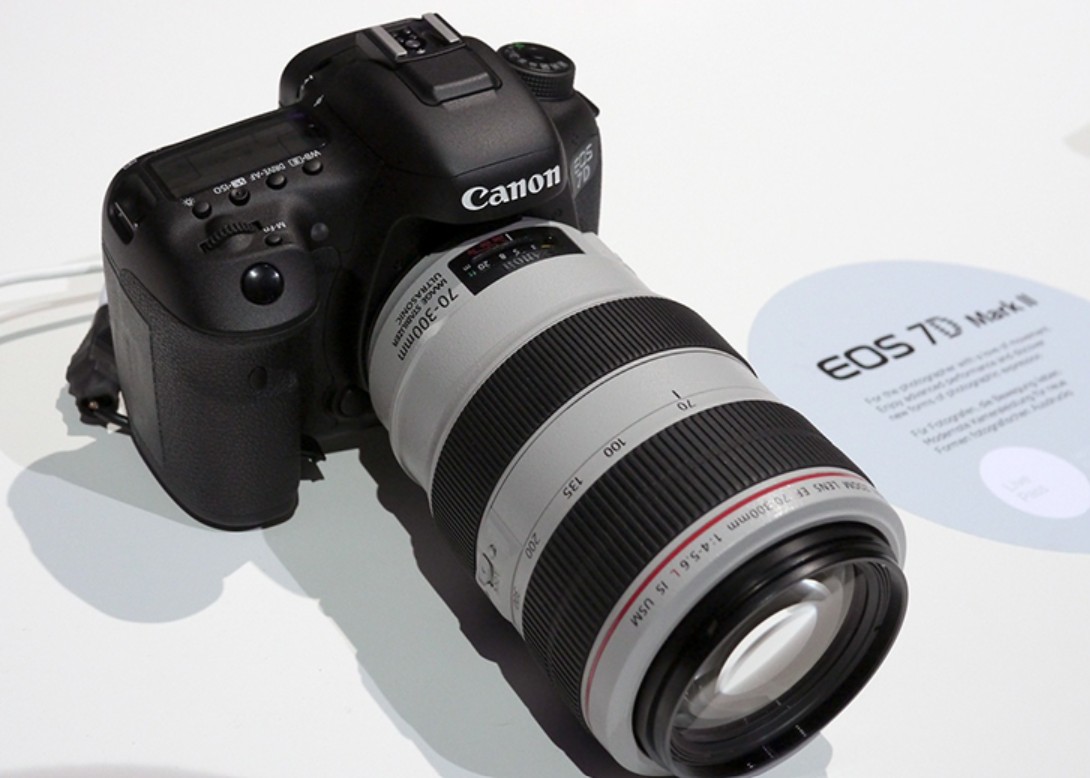
Canon is also joining the trend by integrating AI into its EOS R series cameras. The intelligent subject recognition system helps the camera maintain natural skin tones and stable focusing in various lighting conditions. This makes Canon's cameras a reliable choice for both photographers and videographers.
Nikon focuses on improving scene recognition and subject tracking using AI, particularly suitable for nature and wildlife photography. Meanwhile, Fujifilm leverages AI to optimize color and simulate film, delivering an emotionally rich photographic experience, ideal for those who appreciate artistic photography styles.
Besides high-end mirrorless cameras, many compact cameras for vlogging are also equipped with AI face tracking and automatic framing. This shows that AI is no longer the exclusive privilege of the high-end segment but is gradually becoming a common standard in the camera industry.
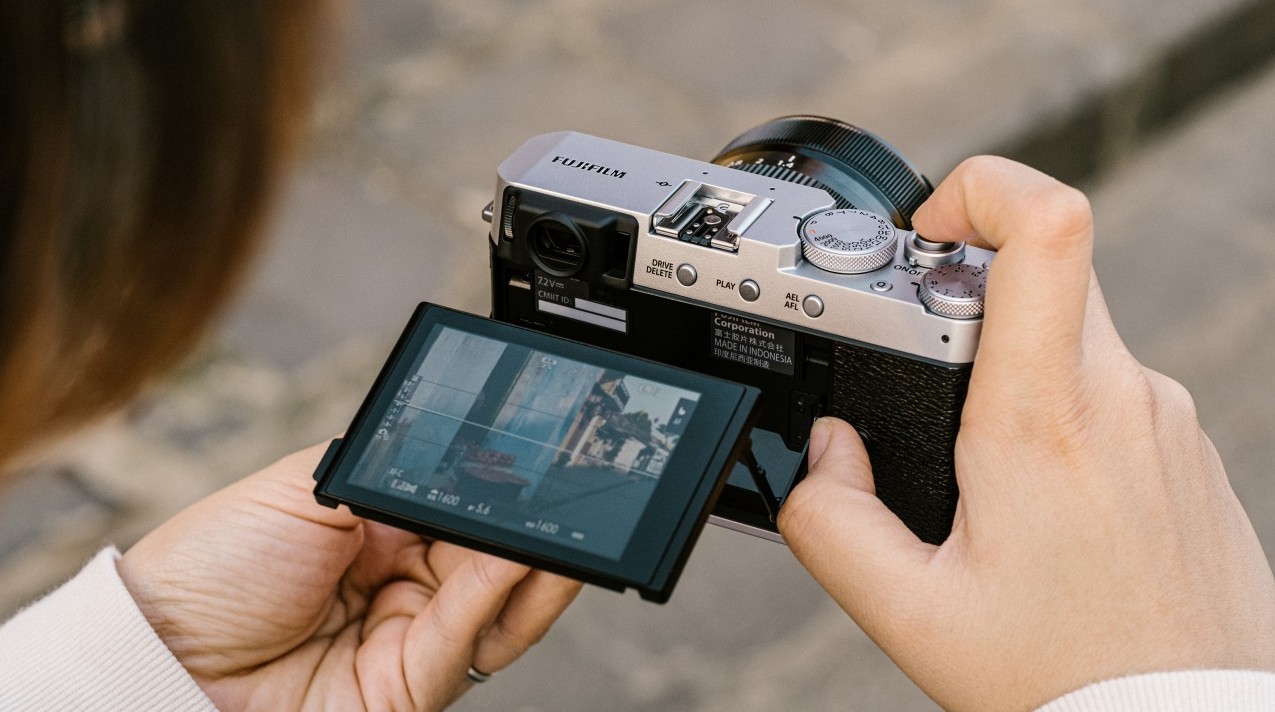
6. Future trends in AI camera development
Looking to the future, AI cameras are expected to develop in a direction of deeper personalization. AI can learn each user's shooting style, automatically adjusting color, composition, and parameters to suit their individual aesthetic preferences. This helps each photo bear a distinct personal touch, even when taken under similar conditions.
Another trend is the ability to predict the moment. Instead of simply reacting to what's happening, AI can analyze the subject's movement and behavior to predict the ideal time to take the shot. This is especially useful in sports, wildlife, and lifestyle photography.
The combination of AI and cloud computing also opens up many new possibilities. Cameras can process some data directly on the device and send more complex data to the cloud for further processing. As a result, compact cameras can still achieve high image quality without requiring bulky hardware.
In this context, AI cameras are not just recording devices but also comprehensive creative tools, supporting users from the initial idea stage to the final product.
AI cameras are gradually reshaping how people take photos and videos in the digital age. From automating technical operations to supporting creativity and personalizing experiences, AI offers value far beyond the traditional role of a camera. For professional photographers, videographers, or independent content creators, understanding and leveraging this technology will open up many new opportunities in their creative journey.















VIP Products


Best Selling Products
Capcut Pro 1 Year
39 USD
Copyright Adobe Lightroom Account
59 USD
Upgrade Genuine Office 365
49 USD
MidJourney Account
29 USD
Plugin Retouch4me
69 USD
Adobe Premiere Pro Account
99 USD
Freepik Premium Account
59 USD
Upgrade genuine Capture One account
120 USD
Genuine Cheap Canva Pro
39 USD
Windows 10 & 11 Pro Key
36 USD
ChatGPT Plus Account (GPT-4)
16 USD
Adobe Photoshop Copyright - Full App
120 USD
Autodesk All App Account Copyright
120 USD
Upgrade Duolingo Super
29 USD
Genuine Adobe Illustrator account
99 USD