
Best Selling Products

Genuine Adobe Illustrator account
99 USD

Autodesk All App Account Copyright
120 USD

Capcut Pro 1 Year
39 USD

Upgrade Genuine Office 365
49 USD

Copyright Adobe Lightroom Account
59 USD

MidJourney Account
29 USD

Plugin Retouch4me
69 USD

Freepik Premium Account
59 USD

Adobe Premiere Pro Account
99 USD

Upgrade Duolingo Super
29 USD

Genuine Cheap Canva Pro
39 USD

Upgrade genuine Capture One account
120 USD

Adobe Photoshop Copyright - Full App
120 USD

ChatGPT Plus Account (GPT-4)
16 USD

Windows 10 & 11 Pro Key
36 USD
AI will not replace humans, but it will replace the way humans work.
The biggest change isn't in job positions, but in how we work. AI automates analytical thinking, freeing people from the burden of data processing so they can focus on creativity and strategy.
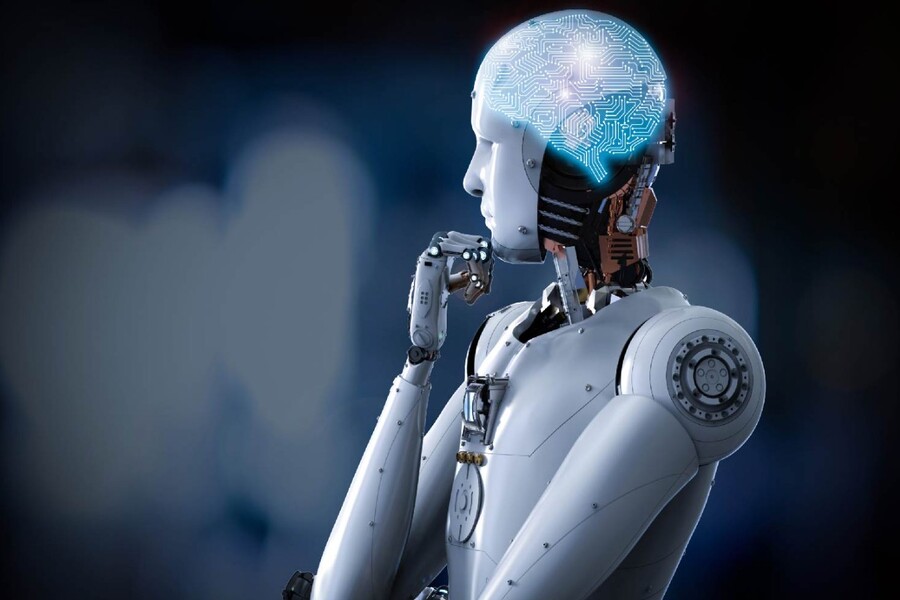
1. The rise of "Operations Intelligence"
While in the past decade, automation was often envisioned through the image of robotic assembly lines in factories, by 2026, this concept has expanded to a new level. Automation is no longer just about replacing manual labor, but has evolved into the automation of thought processes.
Operational intelligence emerged from this very need. It's a combination of multiple layers of technology such as machine vision, RFID, IoT sensors, advanced data analytics, and AI machine learning. When these components are connected in real time, businesses not only know what's happening, but also understand why it's happening and what might happen next .
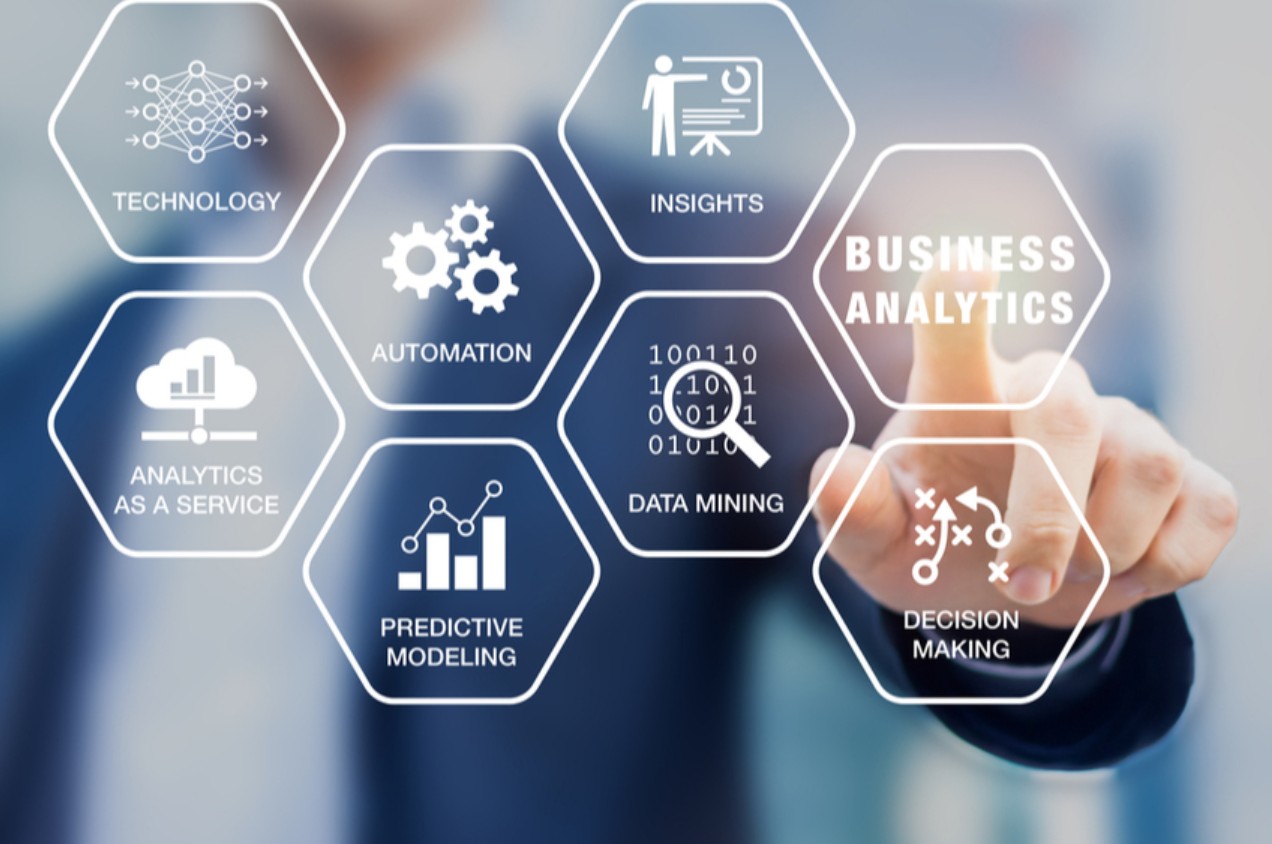
The key differentiator of operational intelligence lies in its ability to deliver data to the front lines , rather than leaving it confined to management dashboards. Delivery drivers can anticipate potential congestion, warehouse staff can detect potential errors before goods leave the warehouse, and nurses can receive early warnings about patient conditions. Every small, timely decision contributes to a significant difference in performance.
It is here that AI begins to play the role of an "auxiliary brain." It doesn't give orders or control humans, but rather suggests, warns, and assists. Employees no longer have to rely on personal experience or intuition, but are supported by live data, which is constantly analyzed and updated.
This shift has created a new model of work where individual capabilities are expanded far beyond natural limits. An average employee, when equipped with the right tools, can achieve performance equivalent to many people before. This is the foundation for the concept of the "super employee."
Leveraging AI and empowering frontline workers is not just a technological choice, but a survival strategy. Research indicates that if businesses significantly improve the workflows of this workforce through technology, leading global organizations can generate an average of an additional $3 billion in revenue and approximately $120 million in profit. These are not theoretical figures, but have been proven through real-world implementation models.
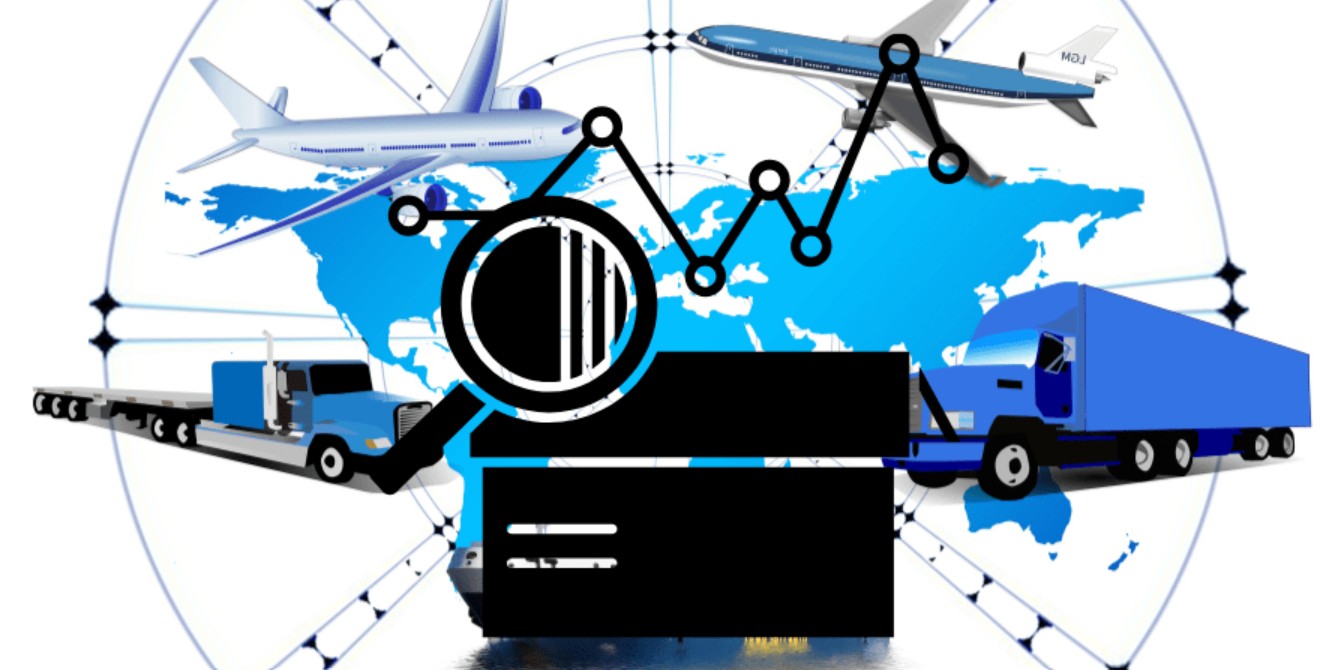
In the logistics sector, operational intelligence is helping the industry move away from traditional, passive management methods. Instead of simply knowing where goods are located, businesses can now accurately predict delivery times, identify bottlenecks and potential risks early. Optimizing routes, vehicles, and personnel using AI has resulted in productivity increases of up to 21%, while significantly reducing fuel costs and downtime.
In the manufacturing industry, AI-integrated machine vision is completely transforming quality control. Instead of detecting errors at the last minute, systems can identify flaws during the production process. This not only reduces waste but also helps manufacturers react quickly to fluctuations in raw materials and market demand. Estimates suggest that this optimization could lead to revenue increases of up to 2.4 percentage points.
2. The Future of Customer Experience
Beyond internal operations, AI and operational intelligence are redefining how businesses interact with customers. In retail, where experience is vital, technology in 2026 is being deployed with a clear objective: to free people from repetitive tasks so they can focus on emotional value and customer service.
Solutions such as automated payment, scan-and-go, and RFID-based inventory management significantly reduce manual processing time. Store employees are no longer confined behind the cash register or in the warehouse, but can proactively approach customers, understand their needs, and offer more relevant suggestions. AI here doesn't replace humans in communication, but rather facilitates better human communication.

Customer experience in the AI era is no longer a mass-market experience. Thanks to the ability to analyze behavioral data in real time, the system can help employees personalize each interaction. A returning customer can have their preferences and shopping history identified, and receive more accurate and faster advice, while still maintaining a human element in the conversation.
Behind the scenes, the combination of AI and IoT in smart warehousing systems creates sustainable value. When businesses can more accurately predict demand, goods transportation becomes more efficient, minimizing empty truckloads and excess inventory. This not only saves costs but also contributes to reducing carbon emissions and meeting increasingly stringent ESG standards.
In the public sector, this trend is also strongly underway. Public sector agencies recognize that modernization is not just about digitizing records, but about enhancing the capabilities of frontline workers. From public safety and field services to administration, equipping dedicated, durable mobile devices with real-time data improves inter-agency coordination, speeds up response times, and protects sensitive data.

It's noteworthy that in all of these cases, AI doesn't stand at the center as a "technological star," but operates quietly in the background. At the heart of every experience remains the human being, only supported by a smarter, more flexible, and more accurate ecosystem.
Looking back at the technology landscape in 2026, a clear maturation in digital transformation thinking is evident. Businesses are no longer racing to acquire technology indiscriminately or chasing trendy keywords. Instead, the focus is on the core question: How can technology help people work better?
AI cannot, and probably doesn't need to, replace humans. The greatest value of AI lies in its ability to amplify human capabilities, transforming each individual into a smarter and more efficient link in the value chain. When implemented correctly, AI doesn't diminish the role of humans, but rather allows them to focus on what machines cannot replace: creative thinking, emotions, judgment, and responsibility.




















VIP Products








Best Selling Products
Genuine Adobe Illustrator account
99 USD
Autodesk All App Account Copyright
120 USD
Capcut Pro 1 Year
39 USD
Upgrade Genuine Office 365
49 USD
Copyright Adobe Lightroom Account
59 USD
MidJourney Account
29 USD
Plugin Retouch4me
69 USD
Freepik Premium Account
59 USD
Adobe Premiere Pro Account
99 USD
Upgrade Duolingo Super
29 USD
Genuine Cheap Canva Pro
39 USD
Upgrade genuine Capture One account
120 USD
Adobe Photoshop Copyright - Full App
120 USD
ChatGPT Plus Account (GPT-4)
16 USD
Windows 10 & 11 Pro Key
36 USD