Best Selling Products
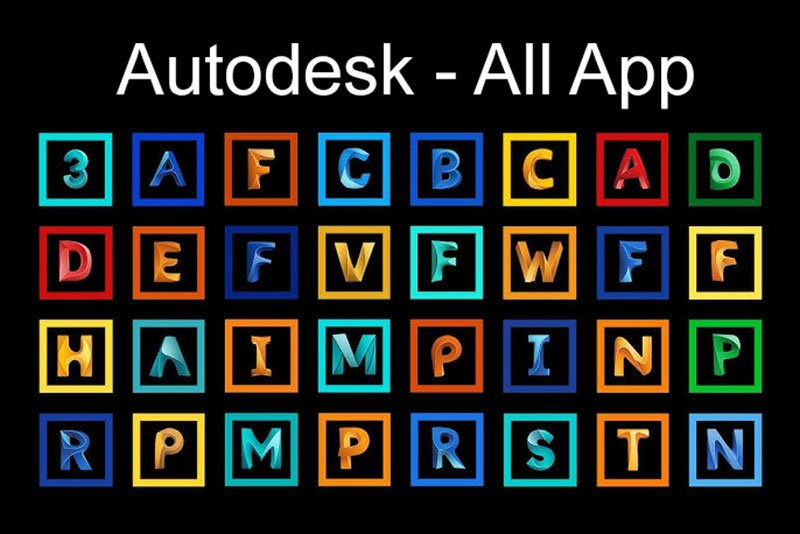
Autodesk All App Account Copyright
120 USD
Adobe Premiere Pro Account
99 USD

Upgrade Duolingo Super
29 USD
Copyright Adobe Lightroom Account
59 USD
Upgrade genuine Capture One account
120 USD
Genuine Cheap Canva Pro
39 USD

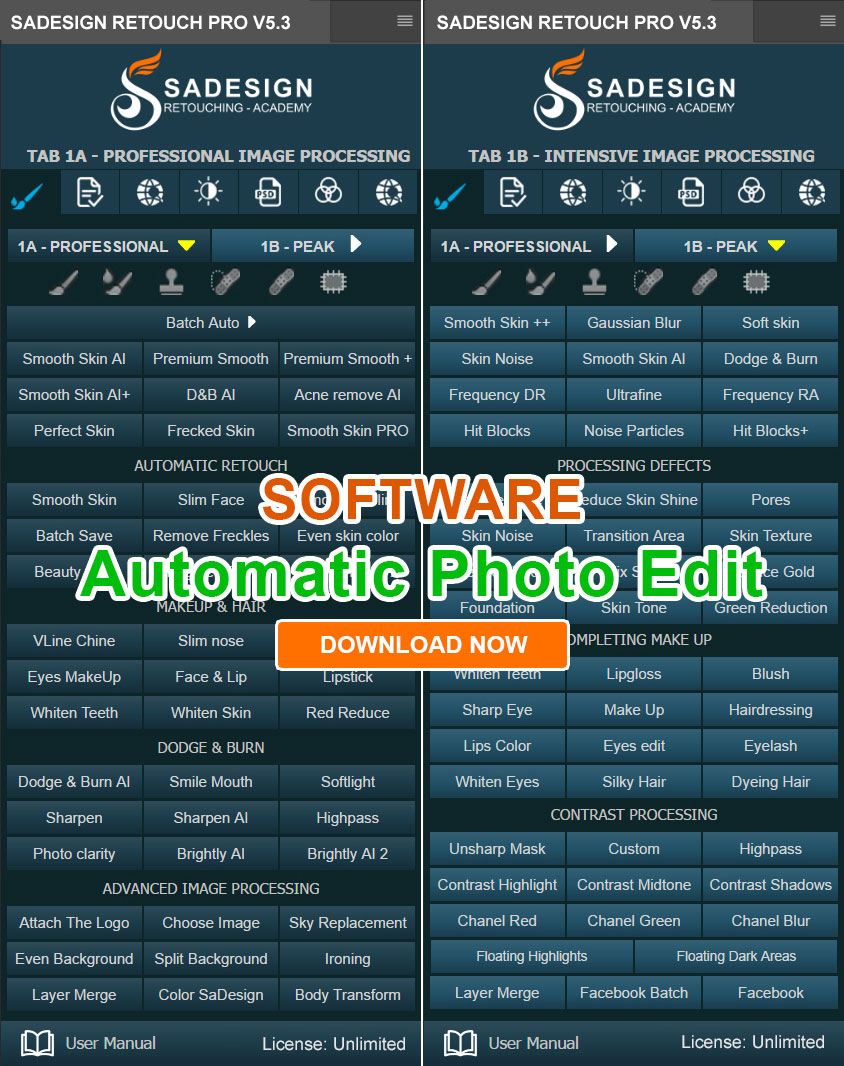
Plugin Retouch4me
69 USD

Freepik Premium Account
59 USD
Adobe Photoshop Copyright - Full App
120 USD

ChatGPT Plus Account (GPT-4)
16 USD

MidJourney Account
29 USD
Windows 10 & 11 Pro Key
36 USD

Capcut Pro 1 Year
39 USD

Upgrade Genuine Office 365
49 USD
Genuine Adobe Illustrator account
99 USD
Basic Camera Angles in Photography
Nội dung
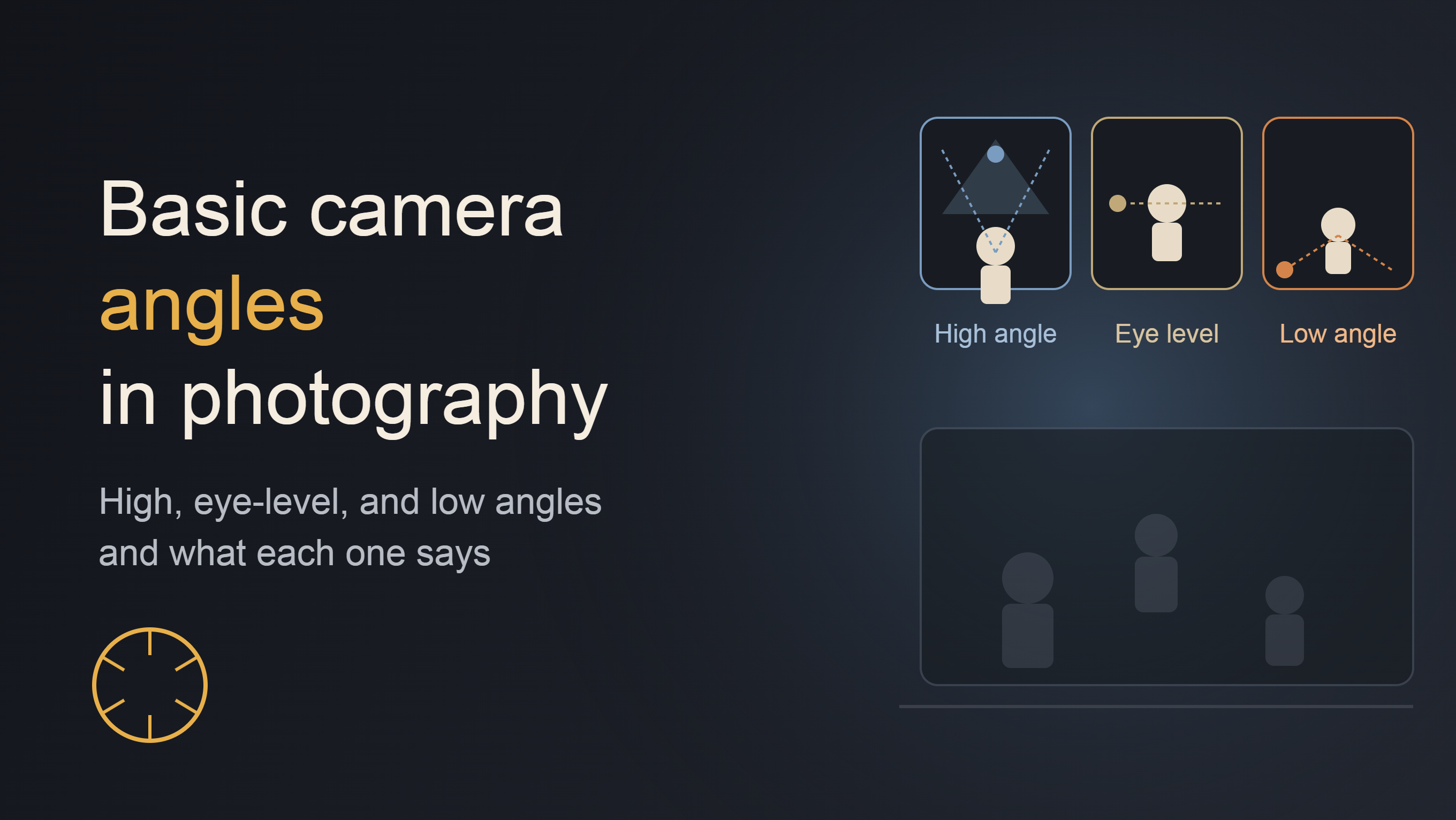
The shooting angle is one of the crucial factors that determines the composition, emotion, and story of each photograph.
1. Medium shot
A medium shot is one of the most common angles in portrait photography and video. In this angle, the frame typically spans from the knees or waist to the top of the subject's head. This distance is just right for viewers to clearly see the subject while still being able to see some of the surrounding space.
The strength of a mid-shot is that it creates balance between the subject and the background. Viewers not only focus on the subject's expression but also understand where they are, what they are doing, and in what circumstances. Therefore, mid-shots are often used in candid portraits, photojournalism, travel photography, interviews, or promotional videos.
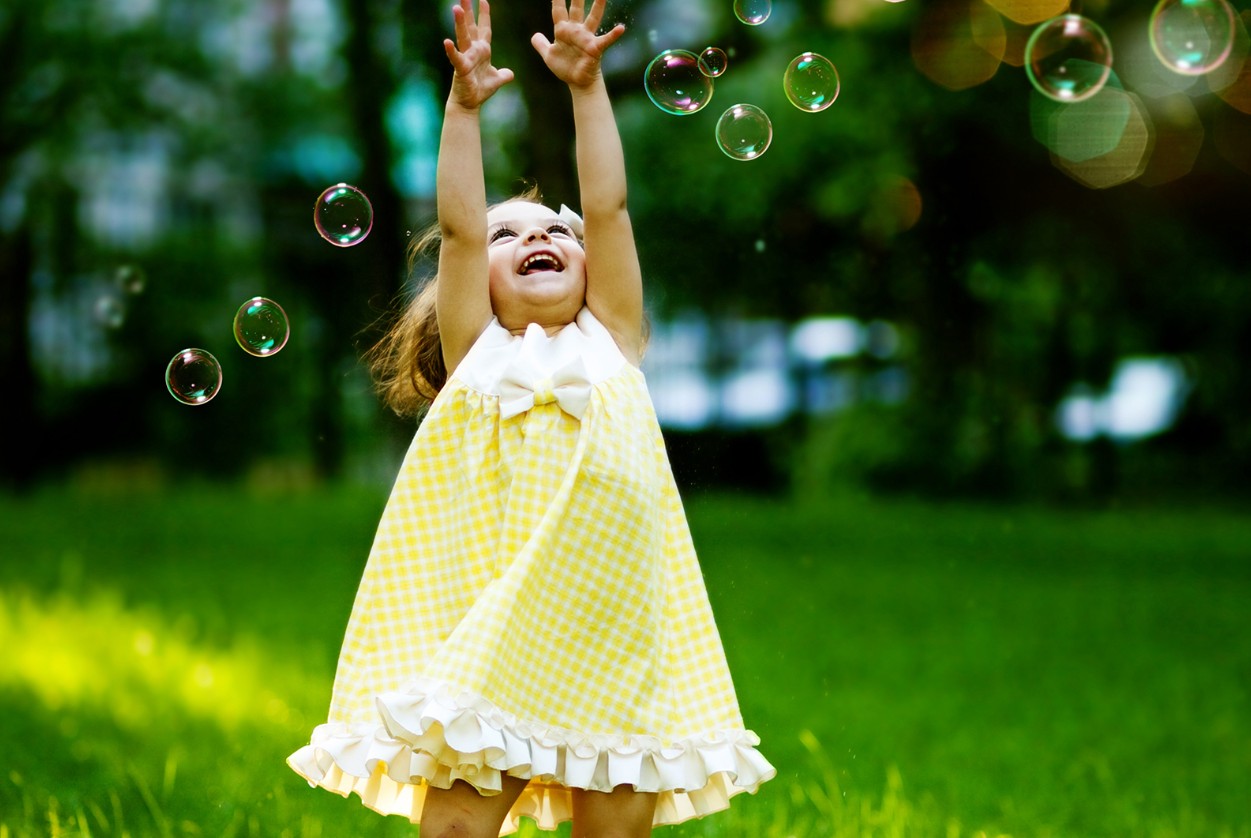
For example, when photographing a child playing in a park, the medium shot helps capture the child's smile, posture, and actions, while also showing the trees, grass, or playground in the background. Even without seeing every small detail on the face, viewers can easily sense the child's innocence and joy.
For photography beginners, the medium shot is an easy angle to execute and suitable for many different situations.
2. Close-up
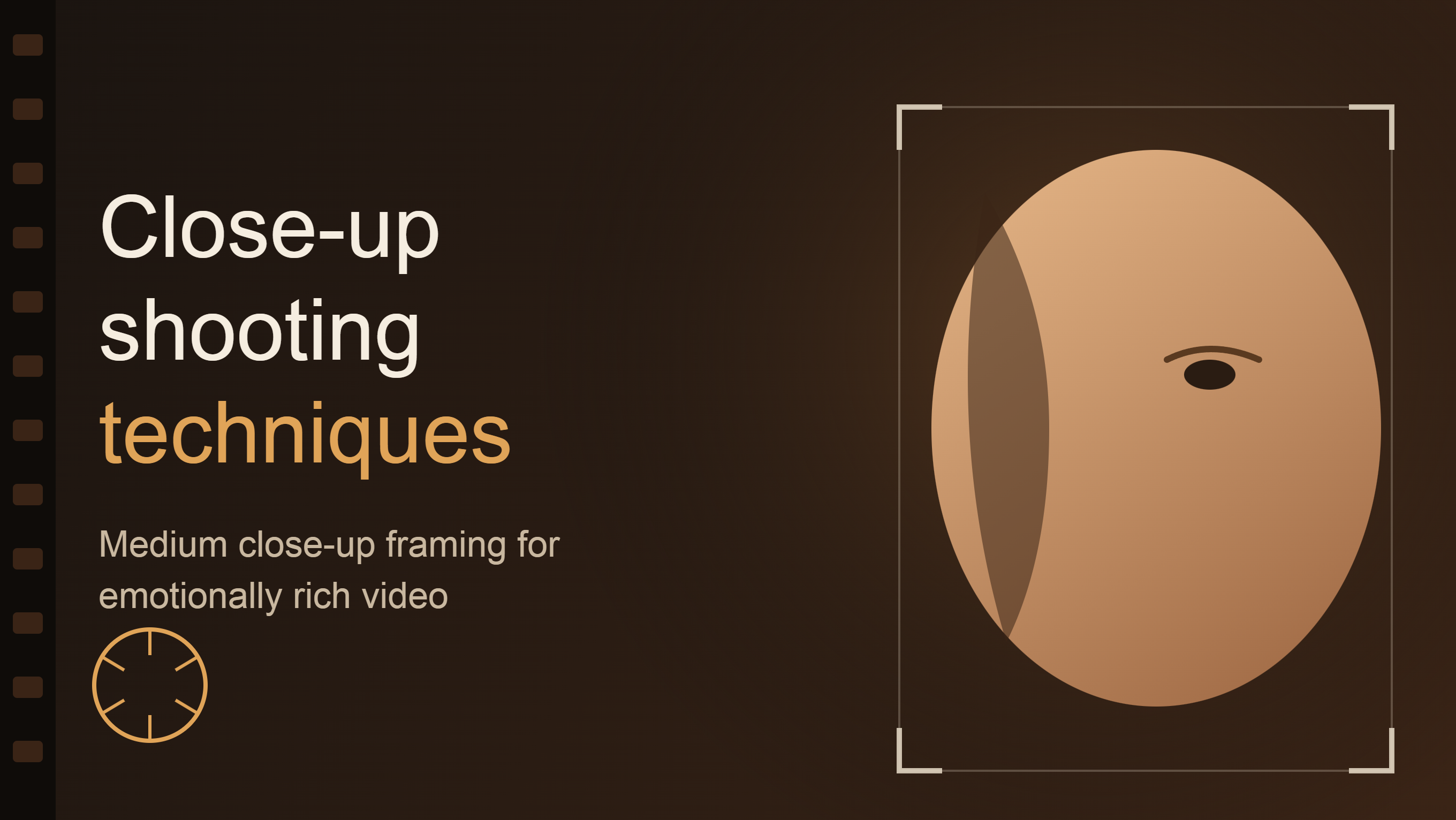
Close-up shots are used when the photographer wants to emphasize the subject's face or a part of their body. The goal of this angle is to convey emotion, expression, and details that are difficult to capture in medium or wide shots.
Generally, close-ups are divided into two main types: wide close-ups and narrow close-ups. Wide close-ups frame the shot from the chest up, while narrow close-ups only capture the neck or face up.
When using close-up shots, viewers can easily notice the eyes, smiles, anxiety, happiness, or even the subtle emotions of the characters. Details such as wrinkles, tears, gazes, or skin texture all become powerful storytelling elements.
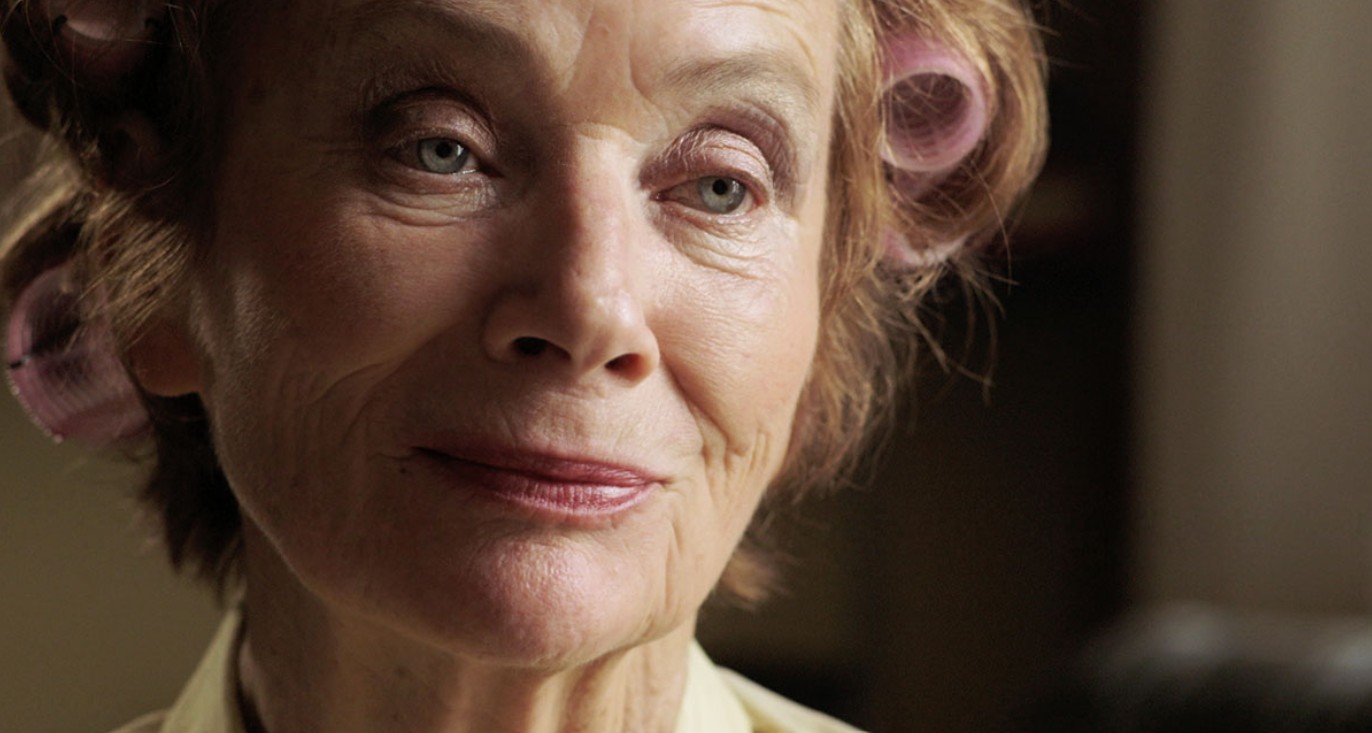
For example, when photographing an elderly person, a close-up not only captures their face but also allows the viewer to perceive the passage of time through each wrinkle, glance, and smile. These are details that create emotional depth that other angles struggle to convey.
This angle is also frequently used in cosmetic advertisements, profile pictures, fashion shoots, and artistic photography.
3. Overview
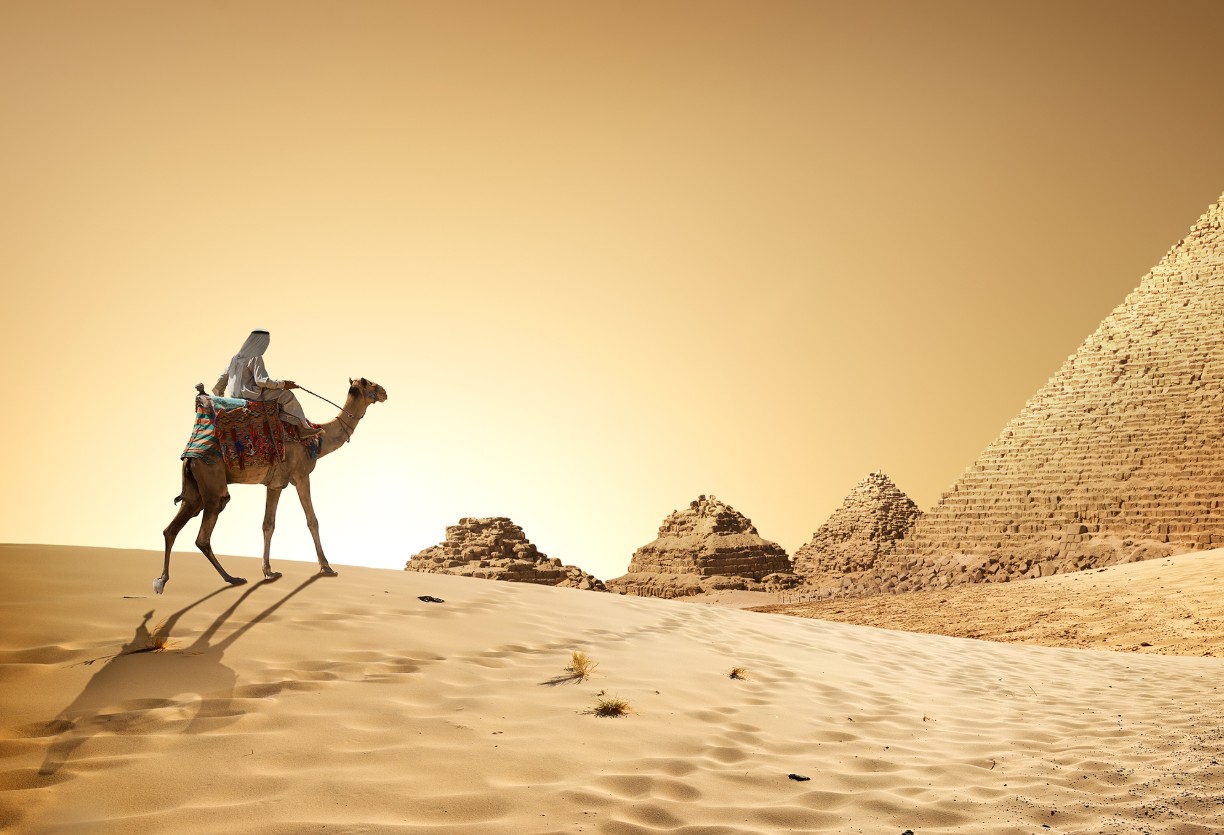
A wide shot (or long shot) is a photographic angle that allows you to capture both the subject and the surrounding space in the same frame. Unlike close-ups or medium shots, a wide shot doesn't focus entirely on the subject but emphasizes the relationship between the subject and the environment.
This angle allows viewers to quickly identify the context, location, and atmosphere of the story. At the same time, it creates a sense of openness, providing depth and a connection between people and nature or architecture.
For example, an image of a woman cycling on a coastal road becomes more emotionally evocative when captured as a wide shot. Viewers not only see the subject but also feel the vast sky, the blue sea, the long road, and the peacefulness of the surrounding space.
Panoramic shots are particularly suitable for landscape photography, travel, architecture, street photography, or storytelling images.
4. Oblique angle
A tilted angle (Dutch Angle or Tilted Angle) is a technique of positioning the camera slightly off-center from the horizon instead of keeping it level as usual.
Deliberately tilting the frame makes the photograph unique and creates a sense of movement, instability, or drama. Therefore, tilted angles are often used in art photography, films, or fashion photography.
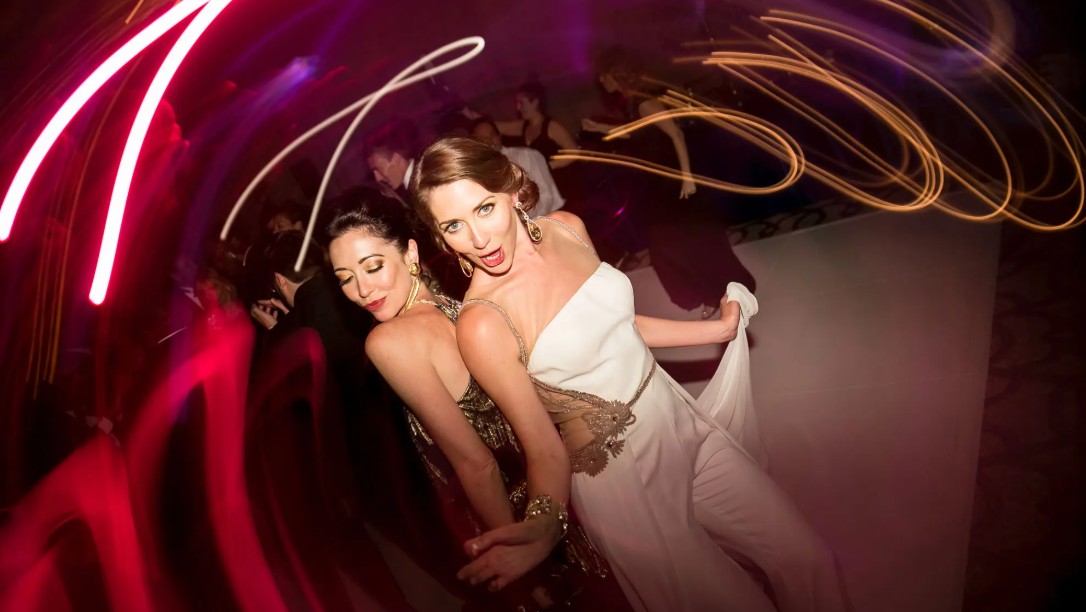
In many cases, the tilt angle helps to convey anxiety, fear, tension, or psychological imbalance in the character. Conversely, when used appropriately, it can also convey a sense of creativity, youthfulness, and energy.
However, tilting angles should not be overused in every photo, as this can make viewers feel uncomfortable or disoriented.
5. Low angle
A low-angle shot is a technique where the camera is positioned lower than the subject and the lens is pointed upwards.
This is one of the most visually impactful camera angles because it makes the subject appear taller, stronger, and more powerful. When viewed from below, the viewer's brain often perceives the subject as being in a superior position or having a greater influence.
For example, when photographing a building from the base looking up at the sky, the building will appear much taller and more imposing than it actually is. Similarly, when taking a portrait from a low angle, the model often stands out, appears more confident, and has a more powerful presence.
Besides architectural photography, low-angle shots are also widely used in fashion, sports, advertising, and film photography to create a sense of authority, decisiveness, or inspiration.
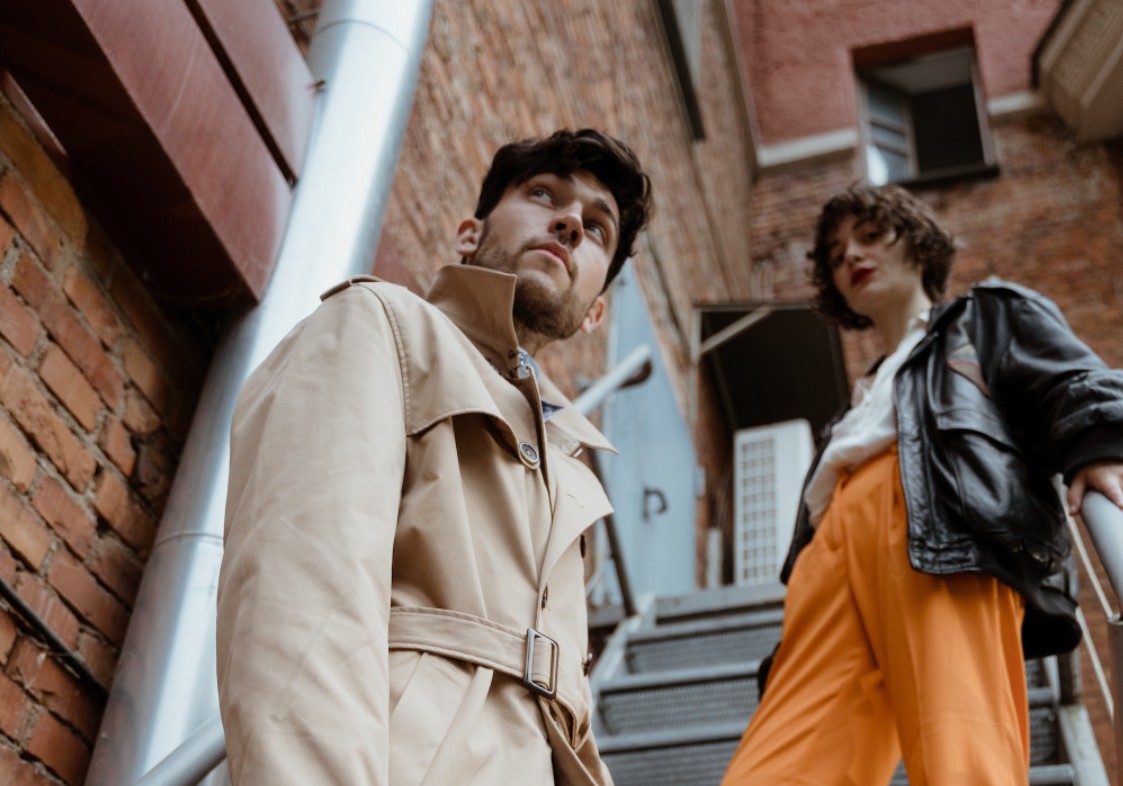
For best results, you should combine a low-angle lens with a wide-angle lens or a suitable focal length to increase depth and create a striking visual effect.
6. High angle
In contrast to low angle shots, high angle shots are techniques where the camera is positioned higher than the subject and pointed downwards.
This type of composition gives the viewer a broader perspective on the subject and its surroundings. At the same time, it makes the character appear smaller, weaker, or more isolated within the vast space.
For example, when photographing a vase of flowers from above, viewers can easily observe the entire arrangement of the flowers as well as the relationships between them. When applied to people, a high angle often gives the impression that the subject is in a lower position or facing greater challenges.
Today, with the development of flycams and drones, high-angle shots are also widely used in landscape photography, real estate, tourism, and promotional videos.
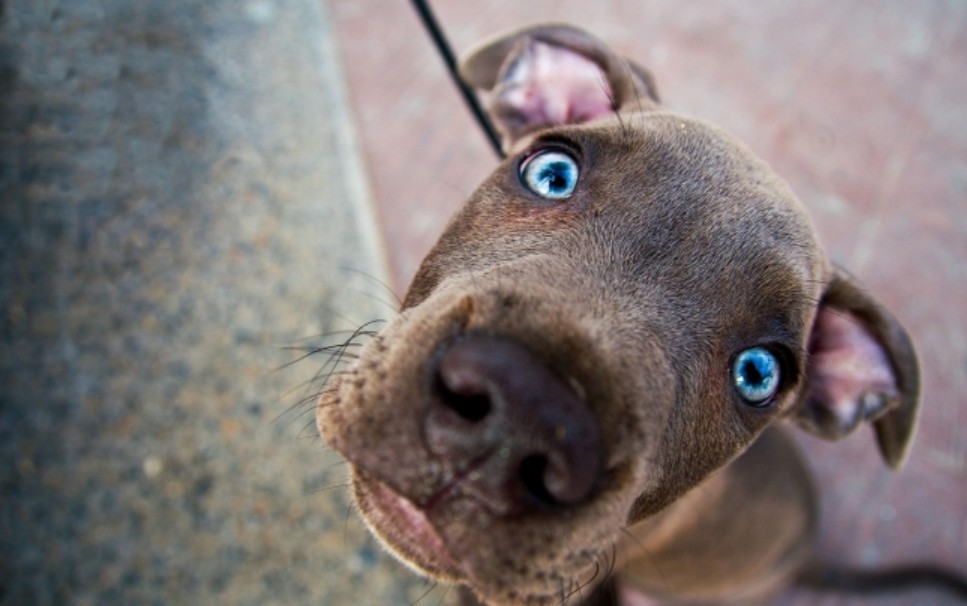
However, when taking portraits from a high angle, it's necessary to choose the right height to avoid distorting body proportions or making the face look disproportionate.
7. Specification Angle
Extreme close-up is the closest angle of photography. Instead of capturing the entire face or body, extreme close-ups focus on a small detail such as the eyes, lips, hands, a tear, or the texture of an object.
This technique is often used to create emphasis and enhance the emotional impact. By focusing on a single detail, the viewer concentrates entirely on the message the photographer wants to convey.
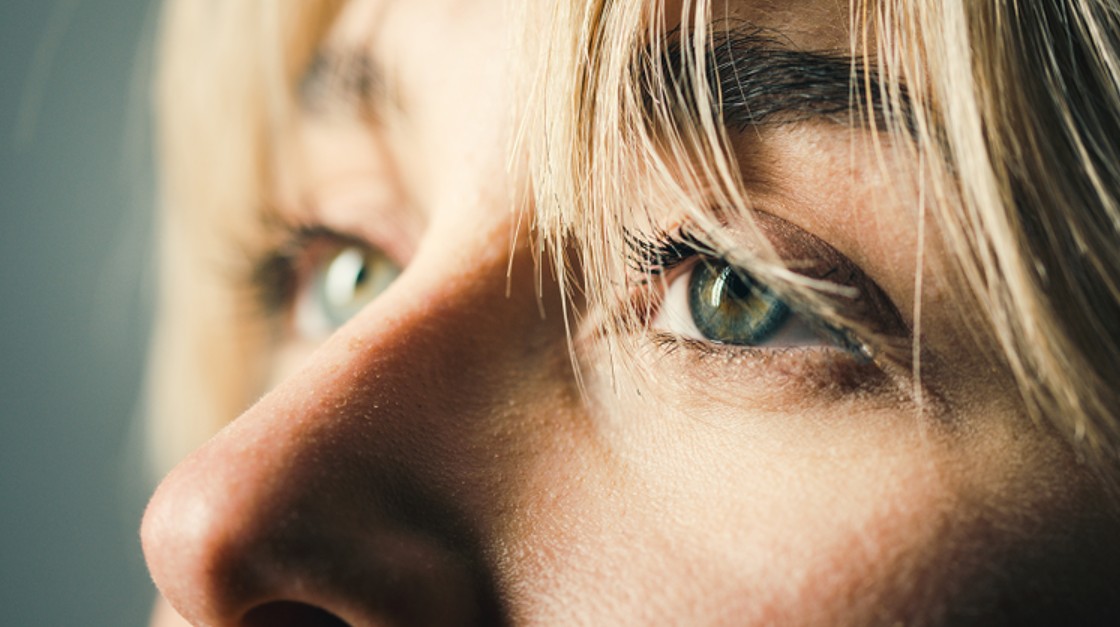
For example, when photographing a dog's eyes in close-up, each individual hair, the reflection in the pupil, or the expression in the eyes becomes the focal point of the image. Viewers can sense the animal's loyalty, curiosity, or sadness through such a small detail.
In macro photography, the close-up angle also helps to discover details that are difficult for the naked eye to see, such as flower petals, insects, dewdrops, or the surface texture of a product.
8. Over-the-shoulder shot
An over-the-shoulder shot is a photographic angle that captures an image of one subject through the shoulder or back of another subject.
This is a very common angle in film, television, vlogs, and narrative photography because it helps create the feeling that the viewer is directly participating in the conversation or event.
An over-the-shoulder shot not only showcases the central character but also helps build relationships between the subjects in the frame. It can depict connection, dialogue, conflict, observation, or companionship between two characters.
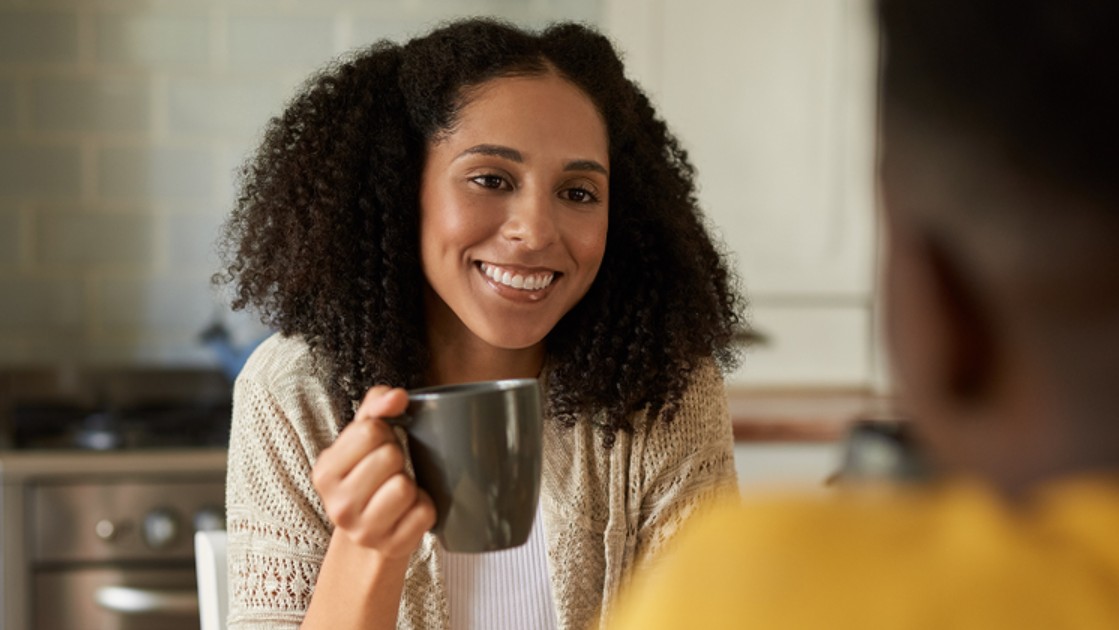
For example, when photographing someone studying online from behind a computer screen, viewers will feel as if they are sitting next to them and following the lecture. This creates a sense of immersion and enhances the authenticity of the image.
When using this angle, you should position the camera close enough to the subject in the foreground so that the shoulders only occupy a small portion of the frame, avoiding obscuring the main subject while still creating depth.
9. Conclusion
Basic camera angles are a crucial foundation for photographers to build composition, convey emotions, and tell stories through images. From medium shots, close-ups, wide shots to low angles, high angles, close-ups, or over-the-shoulder shots, each angle offers a unique perspective and creates different visual effects.
Understanding the characteristics of each shooting angle will help you be more proactive in the creative process, knowing how to choose the right angle for each subject and context. Whether using a professional camera or a smartphone, with regular practice and flexible changes in shooting angles, you can absolutely create impressive, emotionally rich photos that bear your personal touch.












VIP Products


Best Selling Products
Autodesk All App Account Copyright
120 USD
Adobe Premiere Pro Account
99 USD
Upgrade Duolingo Super
29 USD
Copyright Adobe Lightroom Account
59 USD
Upgrade genuine Capture One account
120 USD
Genuine Cheap Canva Pro
39 USD
Plugin Retouch4me
69 USD
Freepik Premium Account
59 USD
Adobe Photoshop Copyright - Full App
120 USD
ChatGPT Plus Account (GPT-4)
16 USD
MidJourney Account
29 USD
Windows 10 & 11 Pro Key
36 USD
Capcut Pro 1 Year
39 USD
Upgrade Genuine Office 365
49 USD
Genuine Adobe Illustrator account
99 USD