Best Selling Products

ChatGPT Plus Account (GPT-4)
16 USD

Upgrade Duolingo Super
29 USD

Upgrade Genuine Office 365
49 USD

Adobe Premiere Pro Account
99 USD

Autodesk All App Account Copyright
120 USD

Capcut Pro 1 Year
39 USD

Windows 10 & 11 Pro Key
36 USD

Upgrade genuine Capture One account
120 USD

Genuine Adobe Illustrator account
99 USD

Copyright Adobe Lightroom Account
59 USD

Adobe Photoshop Copyright - Full App
120 USD

MidJourney Account
29 USD

Genuine Cheap Canva Pro
39 USD

Plugin Retouch4me
69 USD

Freepik Premium Account
59 USD
Close-Up and Medium Close-Up Shooting Techniques: How to Create Emotionally Rich Frames for Any Video
Nội dung
- 1. Learn about close-up shots.
- 2. Why is the Medium Close-Up considered the "golden ratio"?
- 3. Avoid using excessively wide camera angles.
- 4. Medium Shot is still not close enough.
- 5. Also, avoid using Close-Up too close.
- 6. How to compose a beautiful and professional medium close-up shot.
- 7. When should I use Medium Close-Up?
- 8. Medium close-up in a scene with two characters.
- 9. Over-the-Shoulder và Shot-Reverse-Shot
- 10. Utilize post-production to create a Medium Close-Up.
Close-up shots and medium close-up shots are crucial camera angles that help convey emotions, build narrative, and create a connection between the characters and the viewer.
1. Learn about close-up shots.
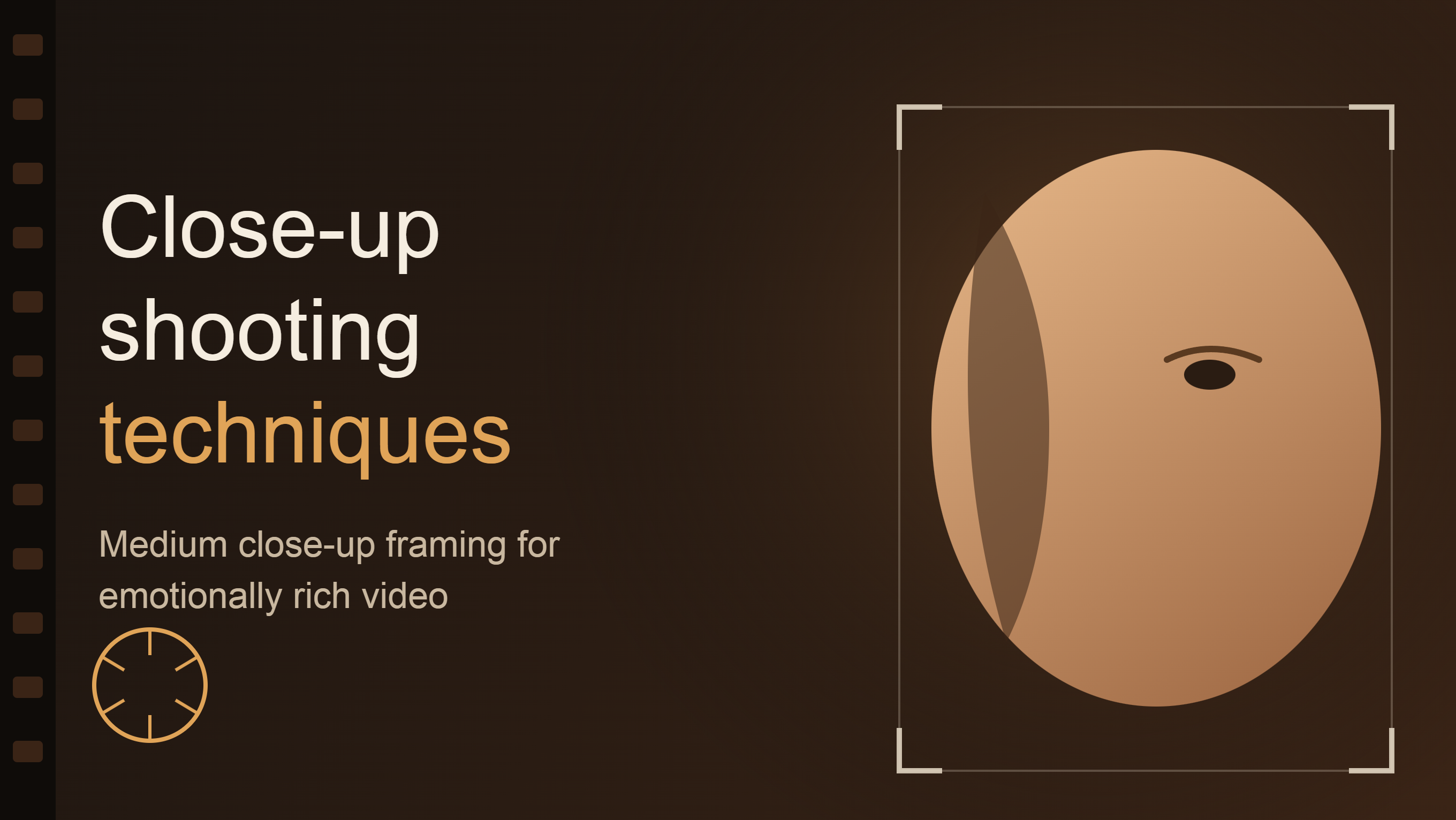
In film and video production, close-up shots are one of the most important camera angles for conveying a character's emotions. However, when it comes to close-ups, many people only think of bringing the camera very close to the face. In reality, there are many different levels of close-up shots, with the Medium Close-Up Shot (MCU) being considered the most versatile and widely used.
Medium close-up is a type of shot that captures the subject from the top of their head down to about their chest. This distance is close enough for viewers to clearly observe their eyes, facial expressions, and body language, but still leaves some space behind them to create depth in the frame.
It is precisely this balance that makes Medium Close-Ups considered the "golden spot" between expressing emotion and maintaining context. Viewers not only focus on the characters but also perceive the surrounding environment, thereby gaining a better understanding of the story's setting.
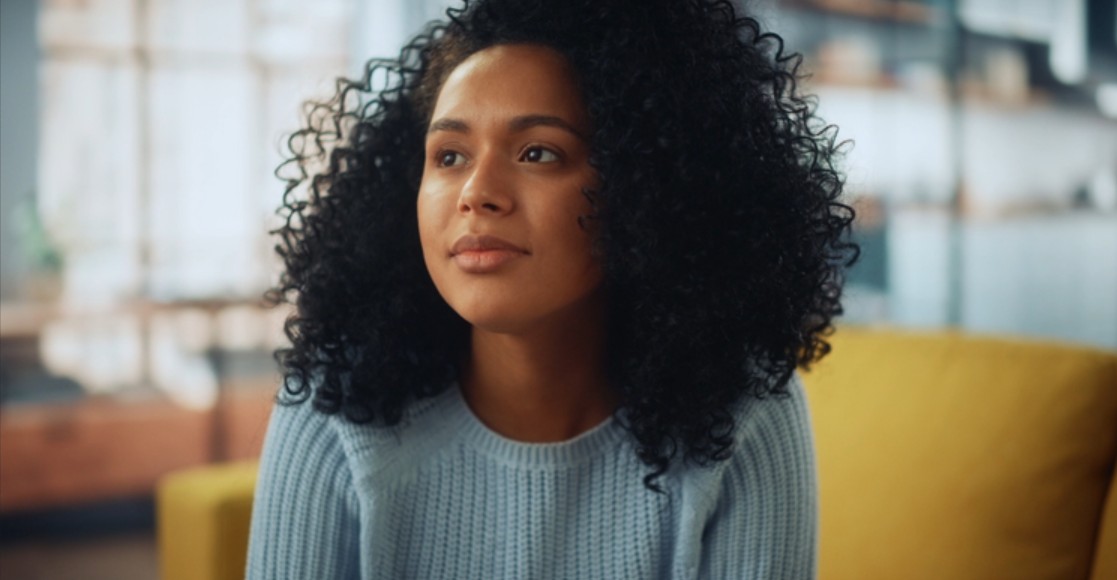
Today, medium close-ups appear in almost all video genres, including feature films, TV commercials, music videos, vlogs, corporate videos, podcasts, training videos, and even professional livestreams. If you have to choose a single camera angle that can be used for most of the duration of a film or video, a medium close-up is almost always the safest and most effective choice.
2. Why is the Medium Close-Up considered the "golden ratio"?
In filmmaking, the distance between the camera and the subject greatly influences the audience's emotional response. Each type of frame serves a specific purpose, but medium close-ups are highly regarded for achieving a perfect balance.
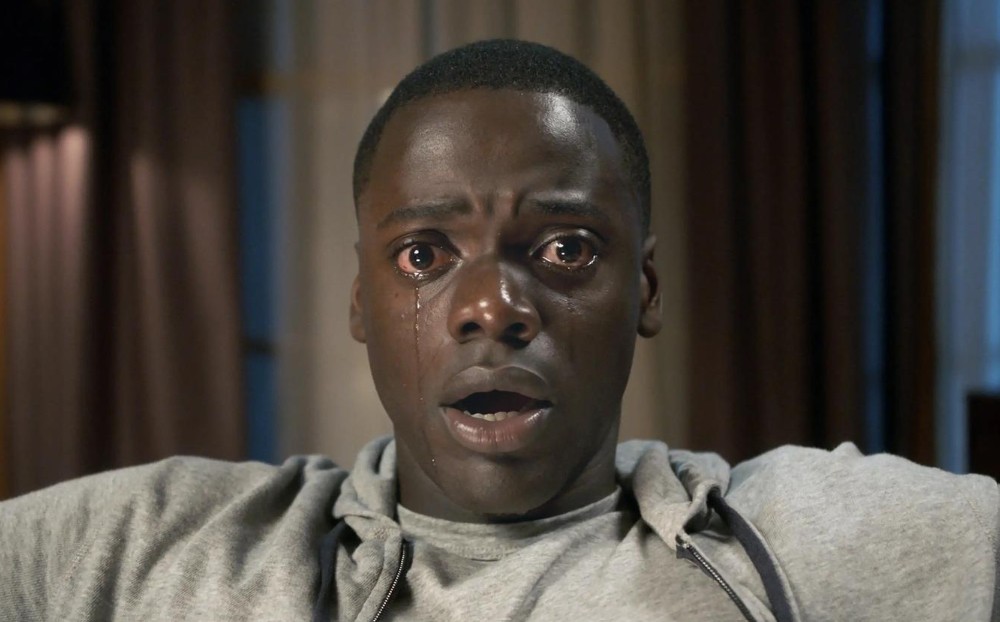
At this distance, viewers feel as if they are standing in front of the character to have a conversation. It's not too far to create a cold feeling, nor too close to make the frame feel cramped.
Facial expressions are much more clearly conveyed in these shots compared to wide-angle shots. Just a frown, a glance, or a slight smile is enough to transmit emotion without dialogue.
At the same time, the background setting is still present enough to provide additional information. A dark room, a modern office, or a quiet cafe all contribute to the story without distracting from the character.
3. Avoid using excessively wide camera angles.
A common mistake made by novice filmmakers is using too many wide shots throughout the video. Wide shots or long shots are meant to introduce the space and help viewers identify the characters' positions within the scene.
At the beginning of each segment, using a wide-angle shot is perfectly logical. Viewers will know where the story takes place, how many characters appear, and the distance between them.
However, if the entire video were filmed from this distance, the subject would appear too small in the frame. Viewers would find it difficult to discern expressions, eye movements, or subtle changes in facial features. The video would then resemble surveillance footage more than a cinematic work.
Wide shots are effective in action scenes, scenes with movement, or when you want to emphasize the smallness of a character against a vast space. However, for scenes involving dialogue, psychological depth, or conveying emotions, this is not the optimal choice.
Therefore, after completing the introductory scene, directors often move on to closer shots to draw viewers into the character's inner world.
4. Medium Shot is still not close enough.
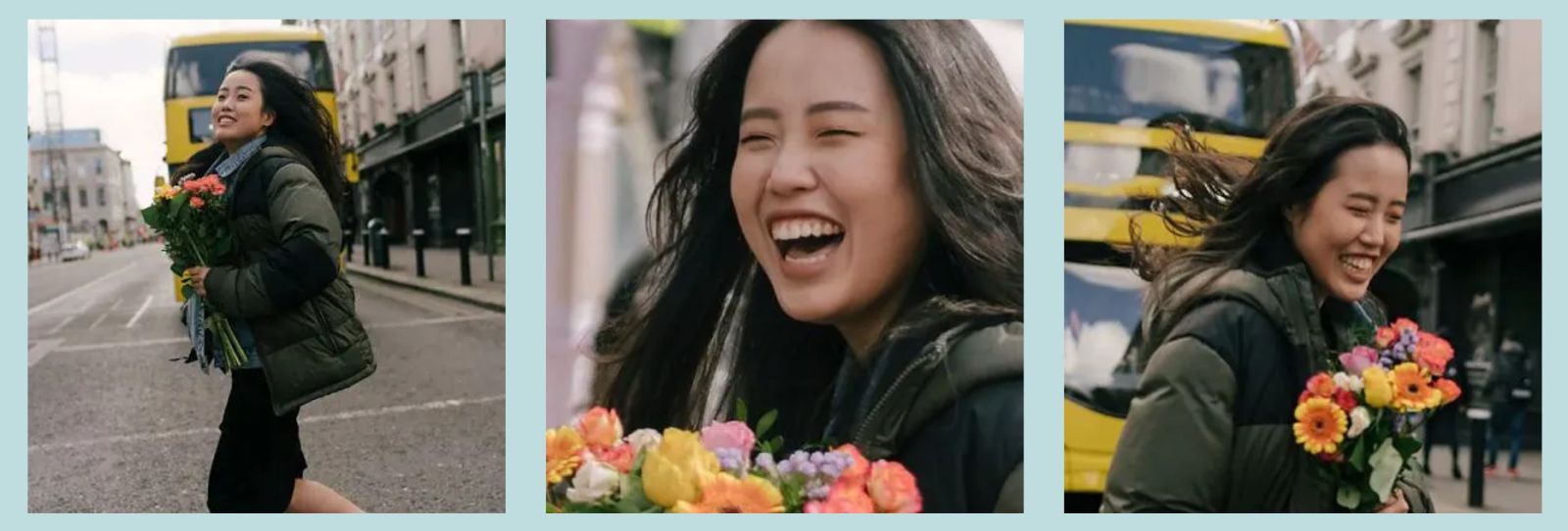
Following the Wide Shot, the Medium Shot is the next step forward, with the camera moving closer to the subject and framing the shot from the waist up.
A medium shot allows viewers to observe hand gestures, posture, and body movements while also seeing most of the surrounding space. This is an ideal angle for situational comedy scenes, product presentations, or segments with a lot of movement.
However, when the characters begin to speak or express deep emotions, Medium Shot still feels a bit distant. Viewers can't fully focus on their eyes and facial expressions.
That's why directors often switch to medium close-ups when the story reaches a more crucial point. Just by moving the camera a little closer, the entire emotional impact of the scene can change significantly.
This distance makes the audience feel like they are actually sitting opposite the character, rather than just observing from the outside.
5. Also, avoid using Close-Up too close.
Conversely, many people believe that the closer the shot, the stronger the emotion. This is only true in certain situations.
Close-up and extreme close-up shots typically fill the frame with a face or just a detail like the eyes, hands, or lips. These are highly emphatic camera angles.

When a character cries, gets angry, is scared, or experiences an emotional climax, Close-Up allows the viewer to almost "touch" their emotions. The eyes become the focal point of the entire frame, and every small detail carries weight.
However, if the entire film relied solely on close-ups, viewers would quickly become fatigued. Constantly being placed too close to the characters deprives the brain of spatial information and disrupts the rhythm of the story.
The effectiveness of Close-Up lies in its restraint. The less it appears, the more impactful it becomes in crucial moments.
That's also why Medium Close-Up is used significantly more in film production practice.
6. How to compose a beautiful and professional medium close-up shot.
A good medium close-up isn't simply about moving the camera closer.
First, the character needs to be positioned proportionally within the frame. The head shouldn't be too close to the top edge, as this will create a cramped feeling. Conversely, if there's too much empty space above, the character will appear small and lose focus.
The gaze is usually placed near the upper third of the frame according to the Rule of Thirds. This composition makes the image more natural and pleasing.
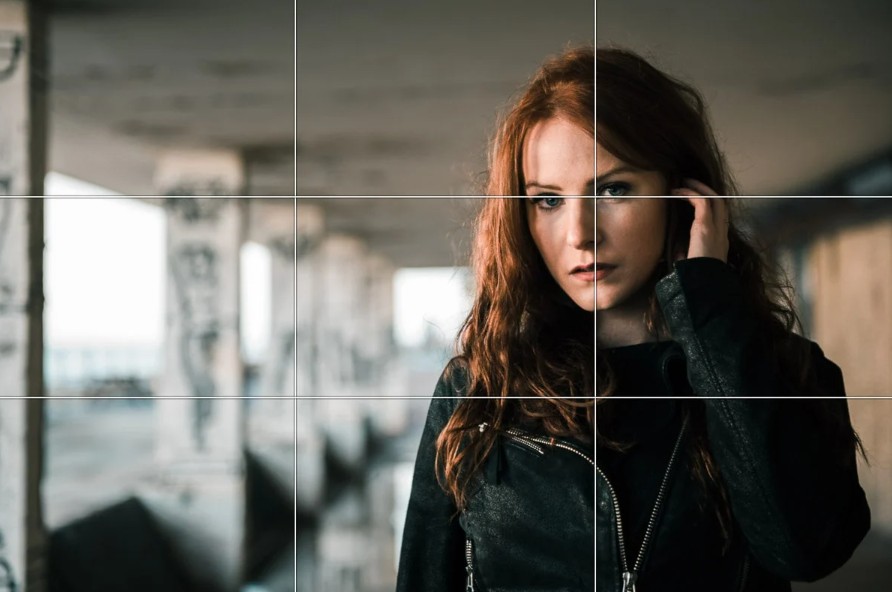
The background should still be present but not take up too much attention. Instead of a cluttered background, choose details that can support the story, such as a desk, window, bookshelf, or lighting.
If conditions permit, using a large aperture to create a shallow depth of field will help to slightly blur the background, creating a beautiful bokeh effect. This makes the subject stand out more while the frame still retains depth.
In addition, lighting plays an extremely important role. A soft light source shining on the face will help to make expressions clearer and create a much more professional impression compared to harsh or insufficient lighting.
7. When should I use Medium Close-Up?
Medium Close-Up is highly versatile and suitable for a wide range of situations.
In scenes where a character is speaking monologues, this is almost the ideal camera angle. Viewers can easily focus on the dialogue while still being able to perceive the surrounding space.
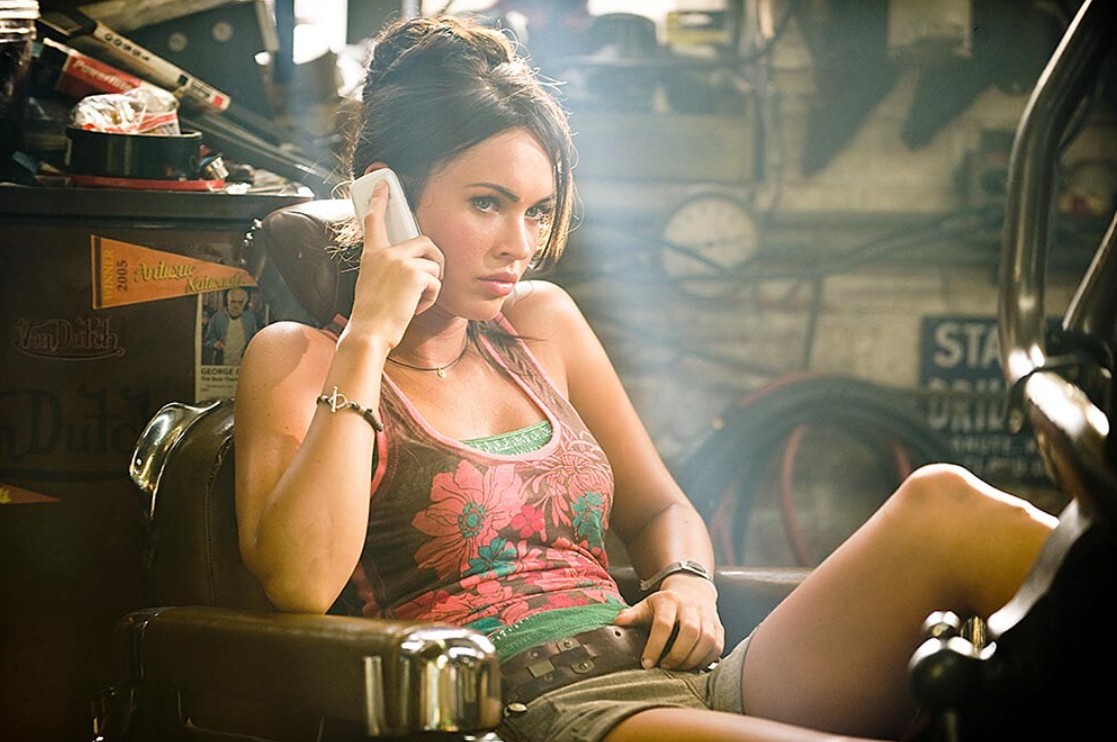
For vlogs, YouTube videos, or online training videos, Medium Close-Up creates the feeling that the speaker is having a direct conversation with the audience. This helps increase engagement and keep viewers engaged for longer.
In movies, this camera angle often appears in scenes where characters are making decisions, sharing thoughts, or starting an important conversation.
Corporate videos, customer interviews, video podcasts, and product introduction videos also highly favor using Medium Close-Up because the framing is sufficiently formal and professional yet still approachable.
8. Medium close-up in a scene with two characters.
One of the most notable applications of Medium Close-Up is scenes featuring two characters.
In dialogue, debate, or emotional scenes, this camera angle allows both characters to clearly express their emotions without having to get too close.
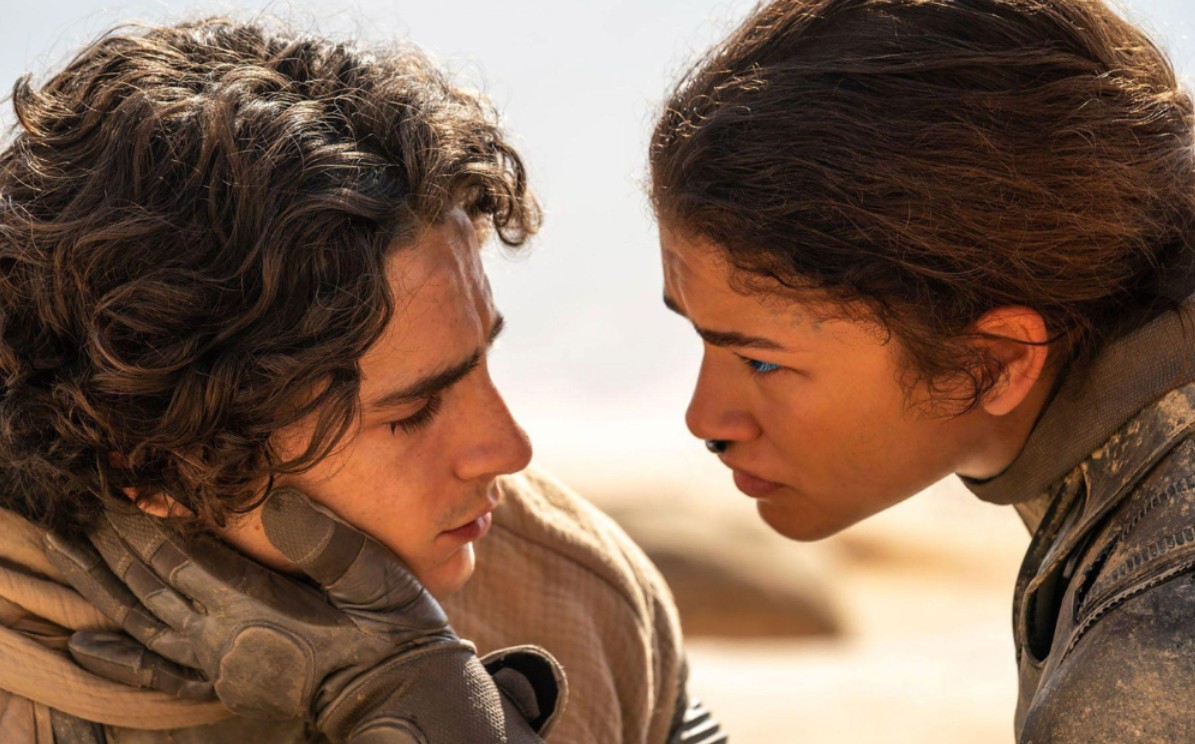
In particular, famous kissing scenes in movies are often filmed using a medium close-up rather than an extreme close-up. This distance is sufficient for viewers to feel the intimacy between the two characters while still seeing their gestures and movements.
If the shot is too wide, the emotion will be diluted. If it's too close, the frame can easily become awkward or lose its aesthetic appeal.
It is this balance that makes Medium Close-Up a popular choice for directors when building relationships between characters.
9. Over-the-Shoulder và Shot-Reverse-Shot
Over-the-Shoulder is a camera angle that positions the camera behind a character's shoulder, facing the person they are speaking to.
This technique is almost always combined with a medium close-up because the distance is just right, giving the viewer the feeling of being directly involved in the conversation.
When editing, over-the-shoulder scenes are often spliced together using the shot-reverse-shot technique. The camera alternates between the speaker and the listener, making the conversation lively and natural.
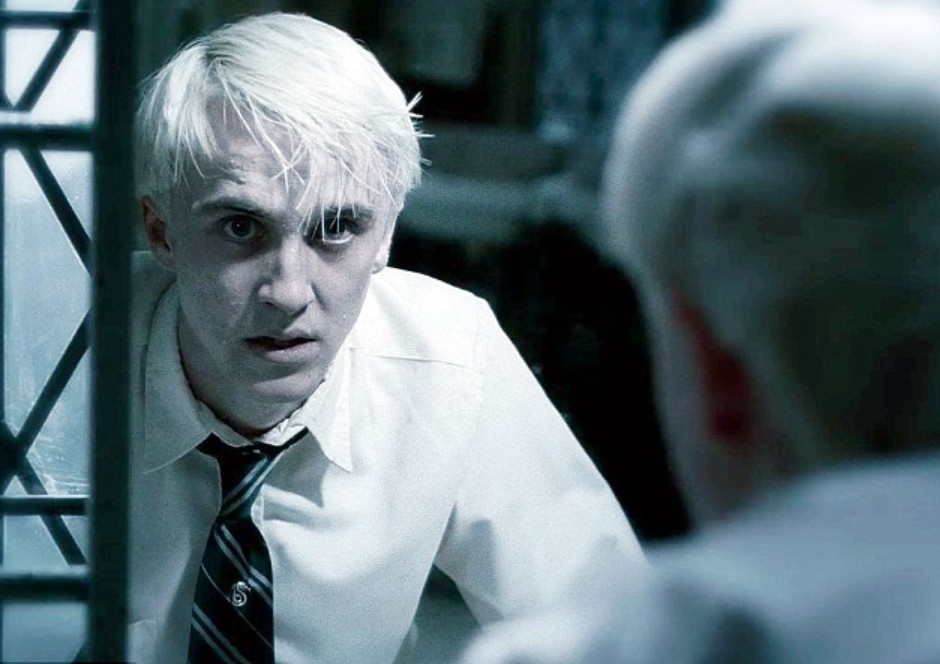
By varying the camera angle, the director can also convey the power dynamics between the characters. Low angles make the characters appear stronger, while high angles create a sense of weakness or being overwhelmed.
With just a slight change in camera angle, the audience's perception of the relationship between the two characters can completely alter their understanding.
10. Utilize post-production to create a Medium Close-Up.
You don't always need to shoot a Medium Close-Up shot right from the start.
If the video is recorded in high resolution like 4K or 5K, you can absolutely crop it during post-production to create closer shots while still maintaining sharpness.
This is a very popular solution in film, commercial, and YouTube video production because it offers editing flexibility.
For example, a medium shot can be converted into a medium close-up if the director feels the need to emphasize the character's emotions. Conversely, maintaining a wider frame during filming also creates more options during editing.
Software like Adobe Premiere Pro allows you to zoom in on the frame, adjust the layout, reposition the subject, and create the feeling of using a completely different camera angle without having to reshoot.





















VIP Products








Best Selling Products
ChatGPT Plus Account (GPT-4)
16 USD
Upgrade Duolingo Super
29 USD
Upgrade Genuine Office 365
49 USD
Adobe Premiere Pro Account
99 USD
Autodesk All App Account Copyright
120 USD
Capcut Pro 1 Year
39 USD
Windows 10 & 11 Pro Key
36 USD
Upgrade genuine Capture One account
120 USD
Genuine Adobe Illustrator account
99 USD
Copyright Adobe Lightroom Account
59 USD
Adobe Photoshop Copyright - Full App
120 USD
MidJourney Account
29 USD
Genuine Cheap Canva Pro
39 USD
Plugin Retouch4me
69 USD
Freepik Premium Account
59 USD