Best Selling Products

Capcut Pro 1 Year
39 USD

Freepik Premium Account
59 USD
Autodesk All App Account Copyright
120 USD
Adobe Premiere Pro Account
99 USD
Copyright Adobe Lightroom Account
59 USD

ChatGPT Plus Account (GPT-4)
16 USD
Genuine Adobe Illustrator account
99 USD

Upgrade Duolingo Super
29 USD

Adobe Photoshop Copyright - Full App
120 USD

Windows 10 & 11 Pro Key
36 USD
Genuine Cheap Canva Pro
39 USD

Upgrade genuine Capture One account
120 USD

Upgrade Genuine Office 365
49 USD

MidJourney Account
29 USD

Plugin Retouch4me
69 USD
Secrets to Reading and Applying Body Language in Photography for Beginners
Nội dung
- 1. The importance of body language in photography
- 2. Body language conveys confidence.
- 3. Avoid forced smiles.
- 4. Differentiate between professional and casual styles.
- 5. The role of eye contact in body language
- 6. Applying body language in photo shoots.
- 7. Common mistakes when giving posing instructions
- 8. Build connections through body language.
- 9. Conclusion
Body language is a crucial element in conveying emotion and storytelling in photography. From eye contact and smiles to posing, every detail directly impacts the quality of a portrait photograph.
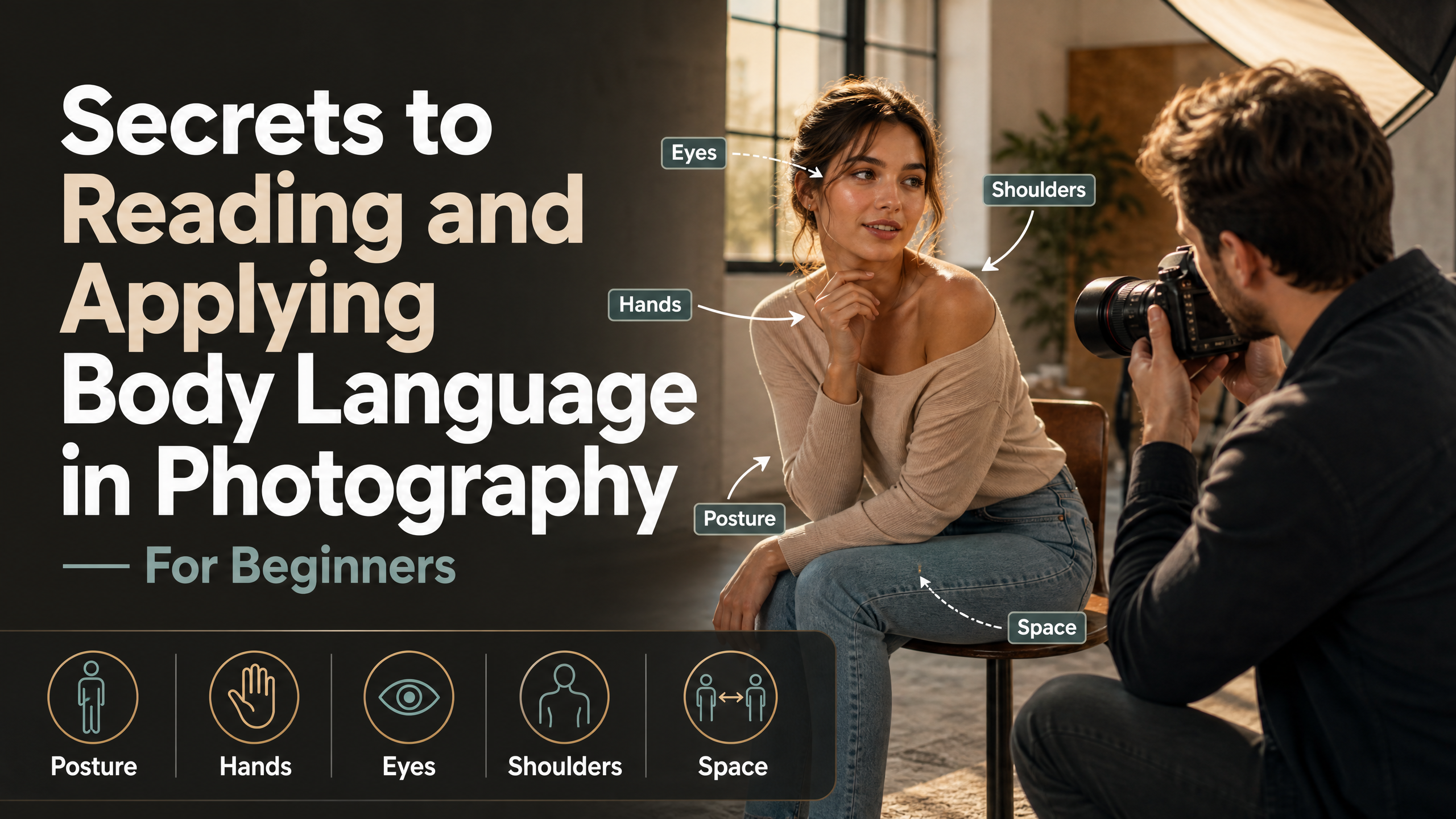
1. The importance of body language in photography
It's often said that a picture is worth a thousand words. This is absolutely true because images have the ability to convey emotions and messages directly without the need for words. In a single frame, viewers can sense joy, sadness, confidence, anxiety, or happiness simply through the way the subject stands, sits, or looks in a particular direction.
Body language acts as a bridge between the subject and the viewer. A natural pose can bring a photograph to life, while an emotionless expression will make the image look bland even if the technical elements are perfect.
For photographers, understanding body language offers numerous benefits. First, it helps clients create more natural and engaging poses. Many people unfamiliar with being in front of a camera often feel nervous and unsure of how to pose. By understanding how the body works and emotions are expressed, photographers can provide simple yet effective guidance to help clients feel more comfortable.
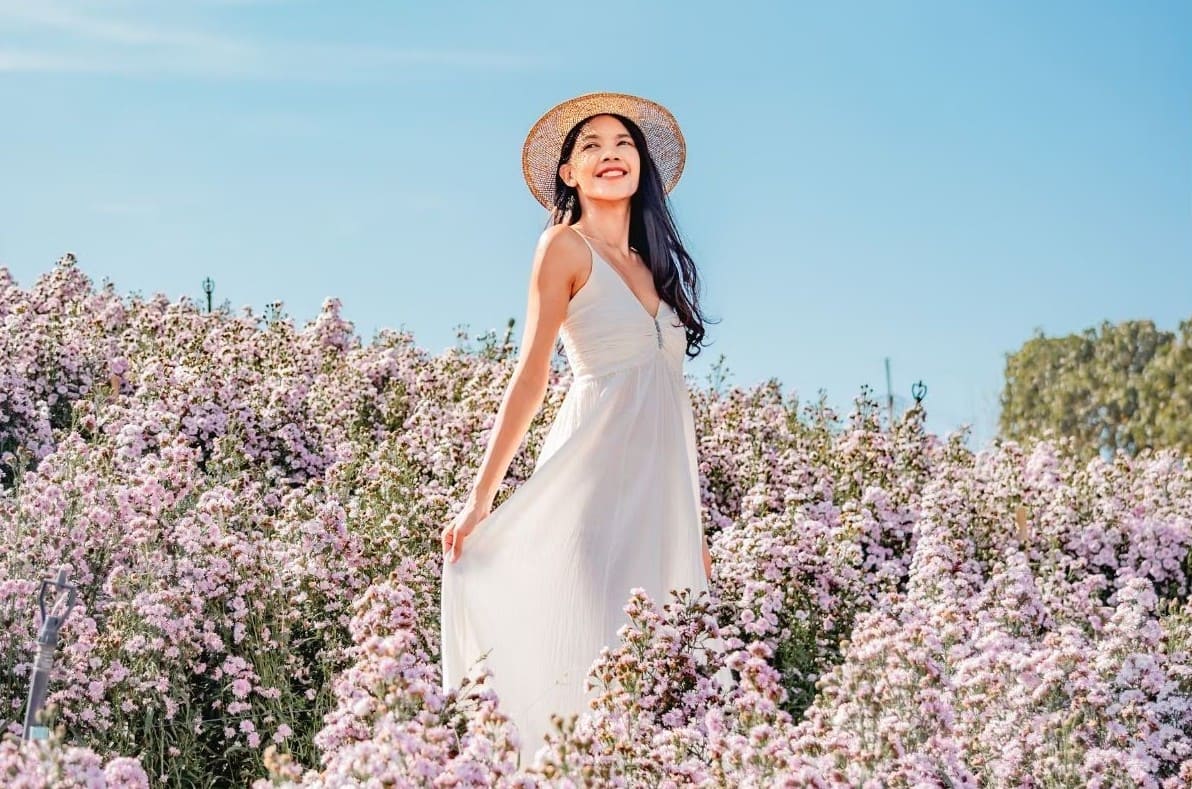
Furthermore, the ability to read body language helps photographers recognize the client's true emotional state. There are cases where clients say they are fine, but their closed posture, unfocused gaze, or tense expression suggests otherwise. By recognizing these signals, photographers can adjust their communication and create a more suitable atmosphere.
Another important benefit is the ability to build connection. In any photoshoot, the relationship between the photographer and the client directly impacts the quality of the images. When clients feel understood and trusted, they are more likely to express their true emotions in front of the camera.
Most importantly, body language helps create photographs with emotional depth. Viewers not only see a beautiful face but also sense the story, mood, and personality of the subject in the frame.
2. Body language conveys confidence.
One of the most exploited elements in portrait photography is confidence. This emotion has the ability to create a powerful appeal for the subject and help make the photograph look more professional.
Body posture can directly affect how others perceive us, as well as how we feel about ourselves. Postures that allow for open movement often project a sense of strength, power, and trustworthiness.
In photography, signs of confidence often manifest as the body occupying more space in the frame. Shoulders are broad, chest is forward, head is held high, and gaze is focused. Arms and legs are positioned comfortably rather than crossed or hunched over.
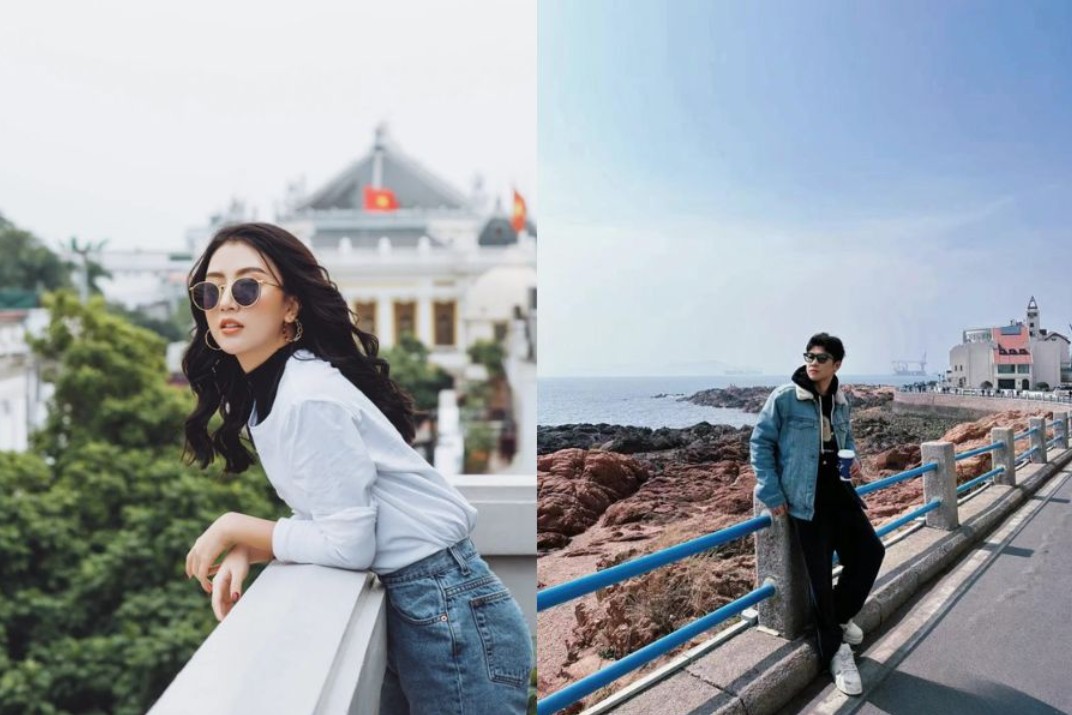
These postures not only help the subject stand out more but also have a positive impact on their psychology. When standing in a powerful posture, people tend to feel more confident, less anxious, and express themselves more naturally.
This is why many professional photographers often spend the first few minutes of a shoot guiding clients through "power poses." Simple actions like standing up straight, opening your shoulders, or placing your hands on your hips can create a significant change in emotion.
For business photos, profile pictures, or personal branding photos, confident body language is almost mandatory. It helps build a professional, trustworthy image and creates a positive impression on viewers.
3. Avoid forced smiles.
One of the most common mistakes in portrait photography is an unnatural smile. Many people think that simply smiling will make a photo better. However, in reality, forced smiles often make the image lose emotion and diminish the subject's appeal.
Psychological science has shown that humans are able to quickly distinguish between genuine and fake emotions. This relates to the concept of microexpressions. These are expressions that appear for extremely short periods of time and often reflect a person's true emotions.
When it comes to genuine joy, the most important sign isn't in the lips, but in the eyes. A sincere smile usually causes the muscles around the eyes to contract gently, creating a feeling of warmth and approachability. In contrast, a fake smile often only appears at the mouth while the eyes remain empty or emotionless.
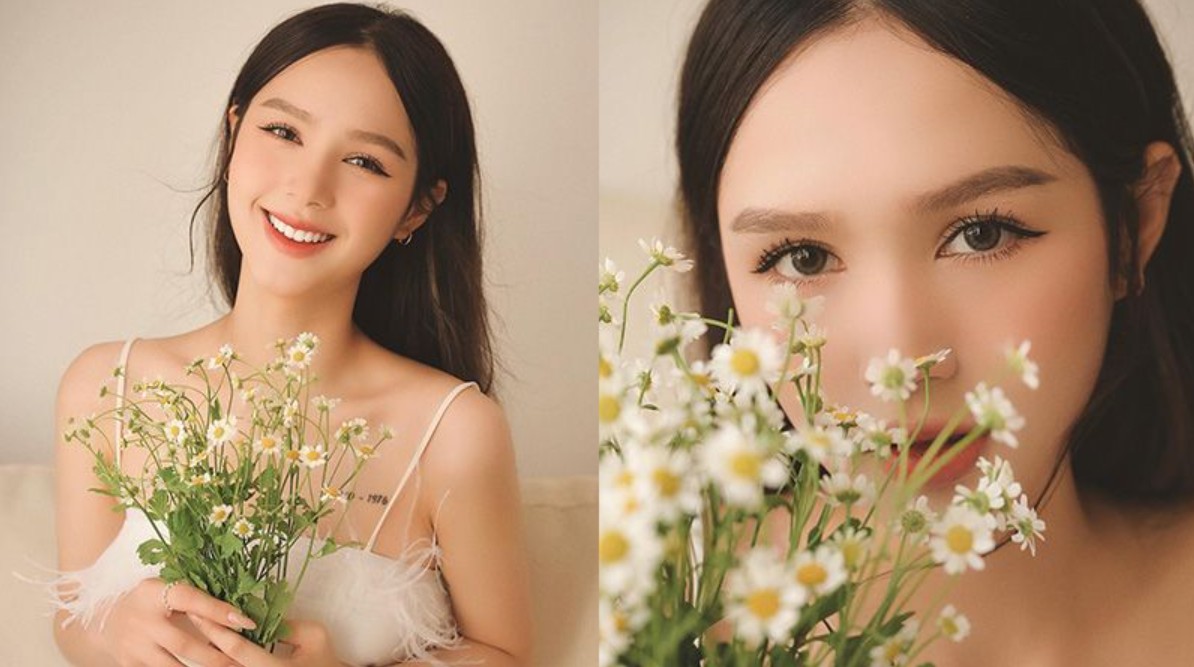
Many photographers make the mistake of constantly asking clients to "smile." This inadvertently creates pressure and makes expressions appear stiff. Instead, engage in natural conversations, tell funny stories, or recall positive memories.
When genuine emotions emerge, smiles become much more authentic. That's when the most emotionally rich photographs are created.
4. Differentiate between professional and casual styles.
Not every photograph requires the same type of body language. Each type of image demands different expressions to convey the right message.
In business portraits or professional profile photos, body language often conveys stability, professionalism, and trustworthiness. The subject typically stands or sits in a firm posture, looks directly into the camera, and maintains a well-controlled expression.
Looking directly into the camera creates a strong connection with the viewer. It conveys a sense of confidence, honesty, and readiness to communicate. This is why the majority of corporate portraits use this pose.
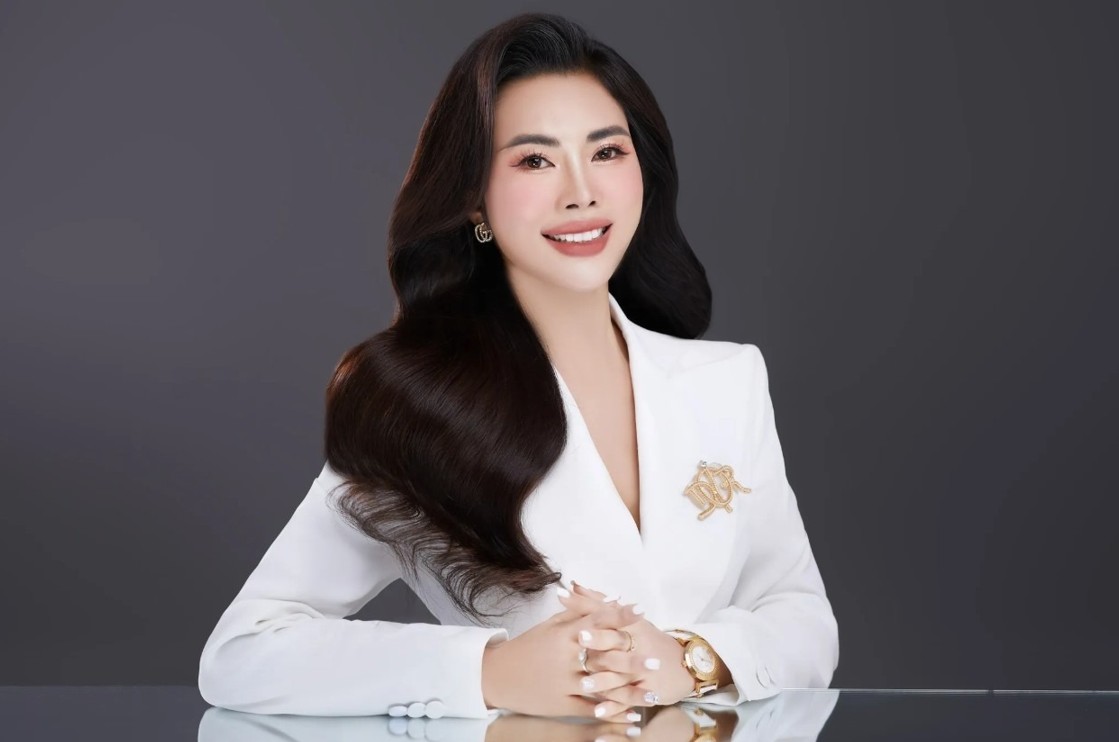
Conversely, in lifestyle, fashion, or art photography, naturalness and emotion are prioritized. The subject can look in a different direction, interact with the environment, or make natural movements.
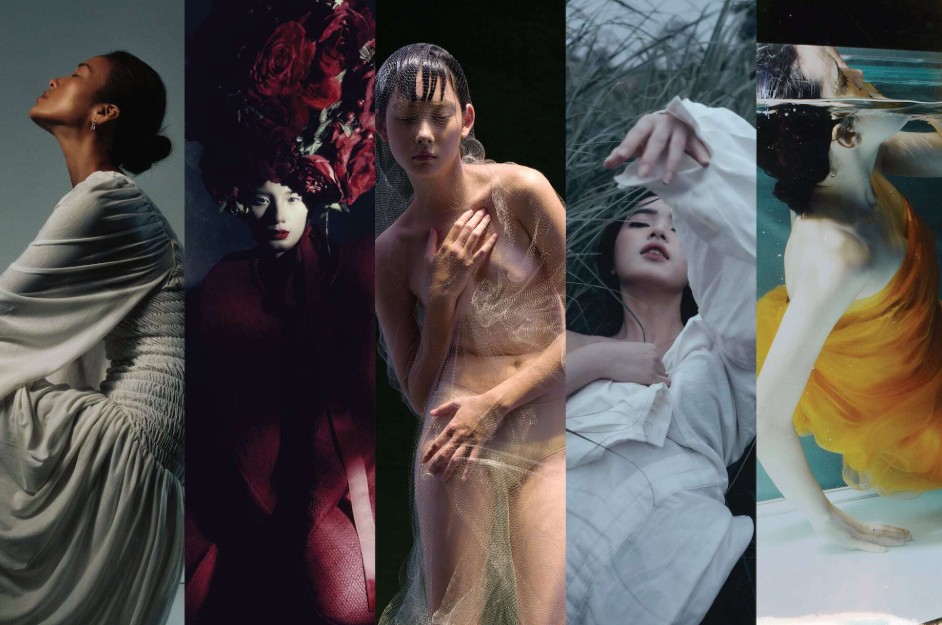
These types of photos often convey a more intimate and authentic feeling. Viewers feel as if they are observing a real moment unfolding rather than a staged pose in front of the camera.
Understanding the differences between these two styles helps photographers choose the appropriate guidance for each shoot and each intended use of the images.
5. The role of eye contact in body language
If we had to choose one element that has the greatest influence in body language, it would undoubtedly be eye contact. Eyes are where emotions are most clearly revealed and are often the first thing viewers notice when looking at a portrait.
A direct gaze often conveys decisiveness and connection. A downward gaze can evoke a sense of contemplation or humility. A gaze directed into the distance often creates a dreamy or narrative feeling.
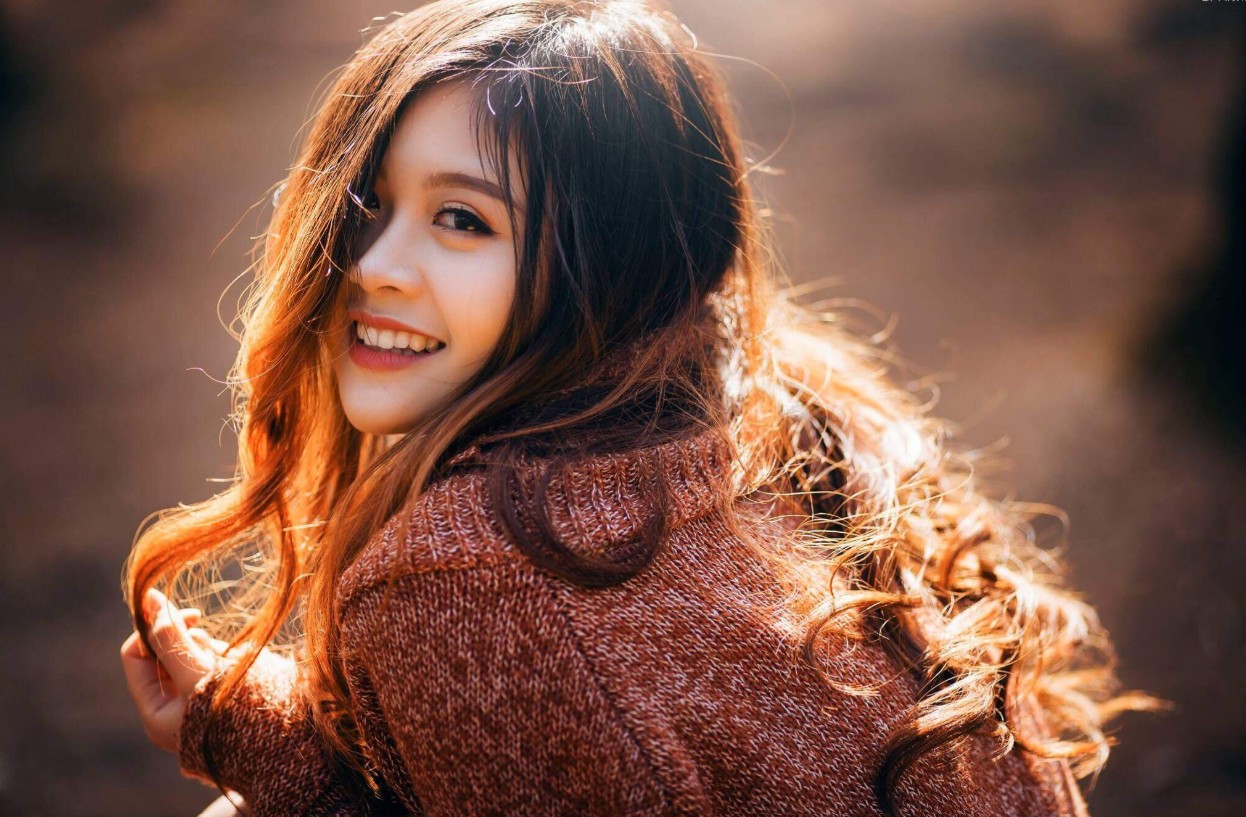
It's crucial that the gaze matches the emotion and message of the photograph. If the gaze and posture don't align, the viewer will feel something is unnatural.
Professional photographers often spend a lot of time guiding clients on how to use their eyes properly. Instead of simply looking at the camera, they encourage clients to imagine a specific situation or emotion to create depth in their gaze.
6. Applying body language in photo shoots.
Understanding the theory is one thing, but applying it in practice is another skill. During each photoshoot, the photographer needs to constantly observe and adjust to the client's body language.
When you notice the client is tense, slow down the pace of the photoshoot and create a more relaxed atmosphere. If the client lacks confidence, guide them to open-body poses to help them feel more empowered.
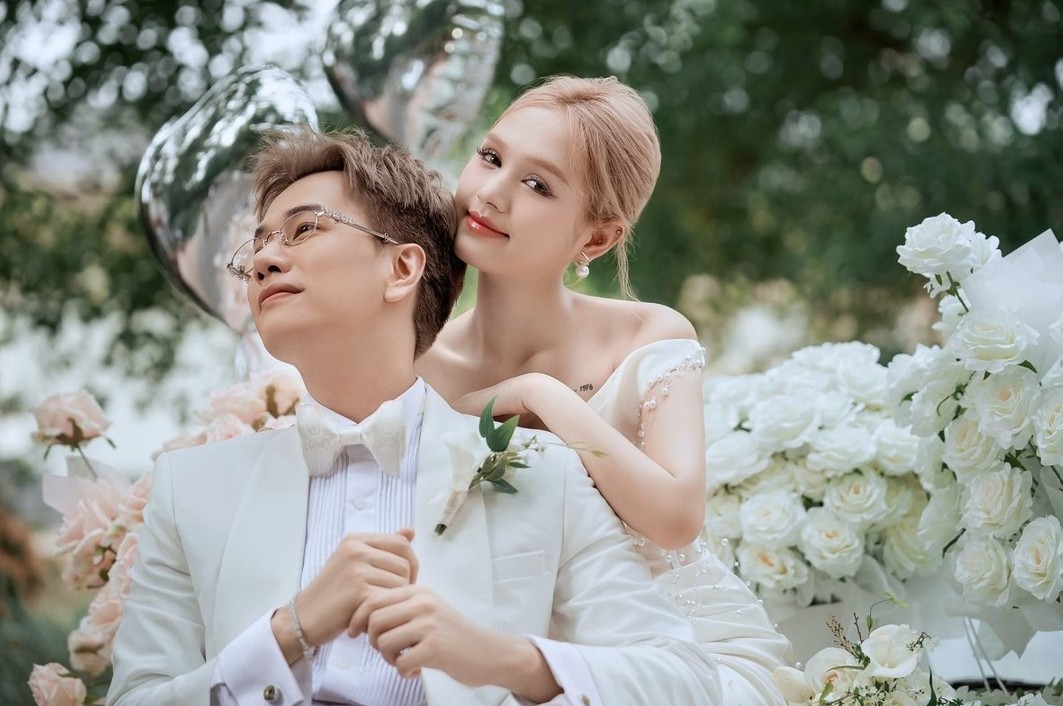
For business portraits, prioritize stable poses and direct eye contact. For fashion photography, encourage movement and creativity. For wedding photos, focus on the natural interaction between the two subjects.
Each genre of photography has its own requirements regarding body language. Choosing the right way to express oneself will help the photograph convey its message more effectively.
7. Common mistakes when giving posing instructions
One of the biggest mistakes is trying to apply the same styling approach to every client. Everyone has a different body shape, personality, and level of confidence. What works for one person may not work for another.
The second mistake is focusing too much on technique and forgetting about emotion. A perfect pose in terms of body language but lacking genuine emotion will still struggle to create a memorable photograph.
Additionally, many new photographers tend to give too many instructions at once. This confuses and stresses clients. Instead, provide simple, step-by-step instructions and allow them time to adapt.
8. Build connections through body language.
Body language isn't just for the subject; it applies to the photographer as well. Your posture, communication style, eye contact, and facial expressions all influence the client's psychology.
A friendly, open, and positive photographer often helps clients feel more at ease. Once trust is built, clients will be more likely to express their true emotions in front of the camera.
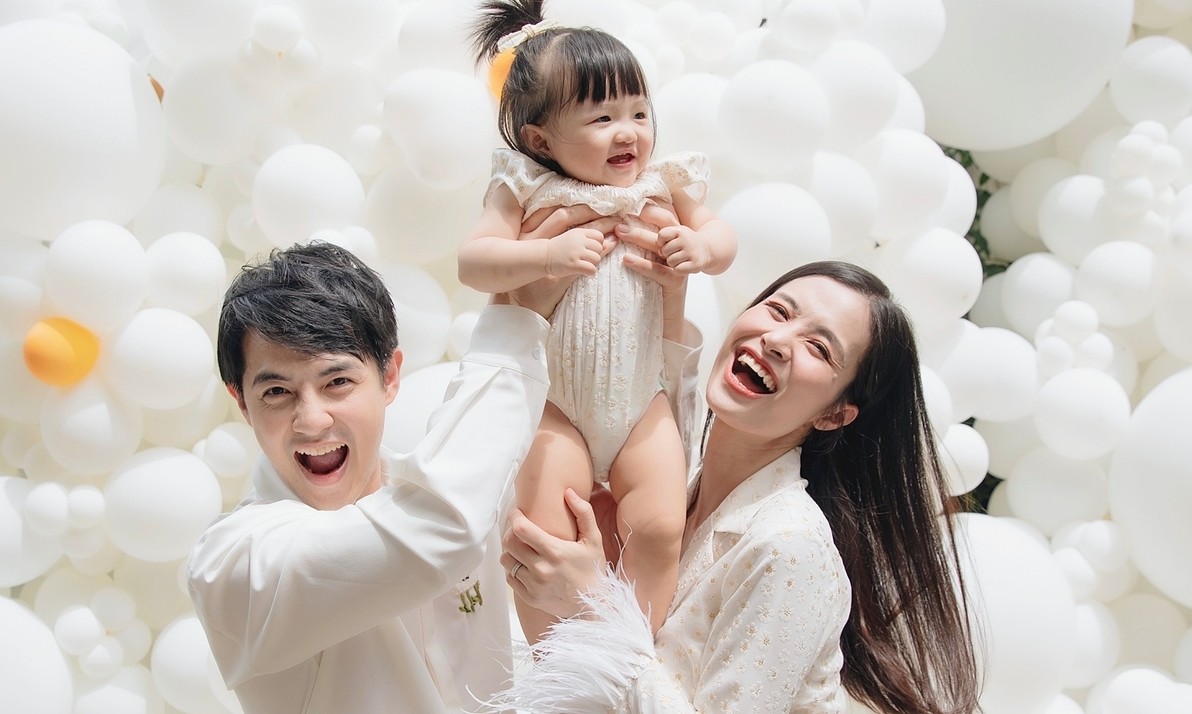
This is the foundation for creating authentic and emotionally rich photographs. In many cases, the ability to communicate and connect is even more important than the equipment the photographer is using.
9. Conclusion
A good photographer not only knows how to adjust aperture or shutter speed but also understands how people communicate through their bodies. By mastering body language, you will not only create technically beautiful photographs but also produce works with depth, emotion, and a powerful ability to connect with the viewer.

















VIP Products




Best Selling Products
Capcut Pro 1 Year
39 USD
Freepik Premium Account
59 USD
Autodesk All App Account Copyright
120 USD
Adobe Premiere Pro Account
99 USD
Copyright Adobe Lightroom Account
59 USD
ChatGPT Plus Account (GPT-4)
16 USD
Genuine Adobe Illustrator account
99 USD
Upgrade Duolingo Super
29 USD
Adobe Photoshop Copyright - Full App
120 USD
Windows 10 & 11 Pro Key
36 USD
Genuine Cheap Canva Pro
39 USD
Upgrade genuine Capture One account
120 USD
Upgrade Genuine Office 365
49 USD
MidJourney Account
29 USD
Plugin Retouch4me
69 USD