Best Selling Products
Genuine Cheap Canva Pro
39 USD
Capcut Pro 1 Year
39 USD

Freepik Premium Account
59 USD
Adobe Premiere Pro Account
99 USD
Upgrade genuine Capture One account
120 USD
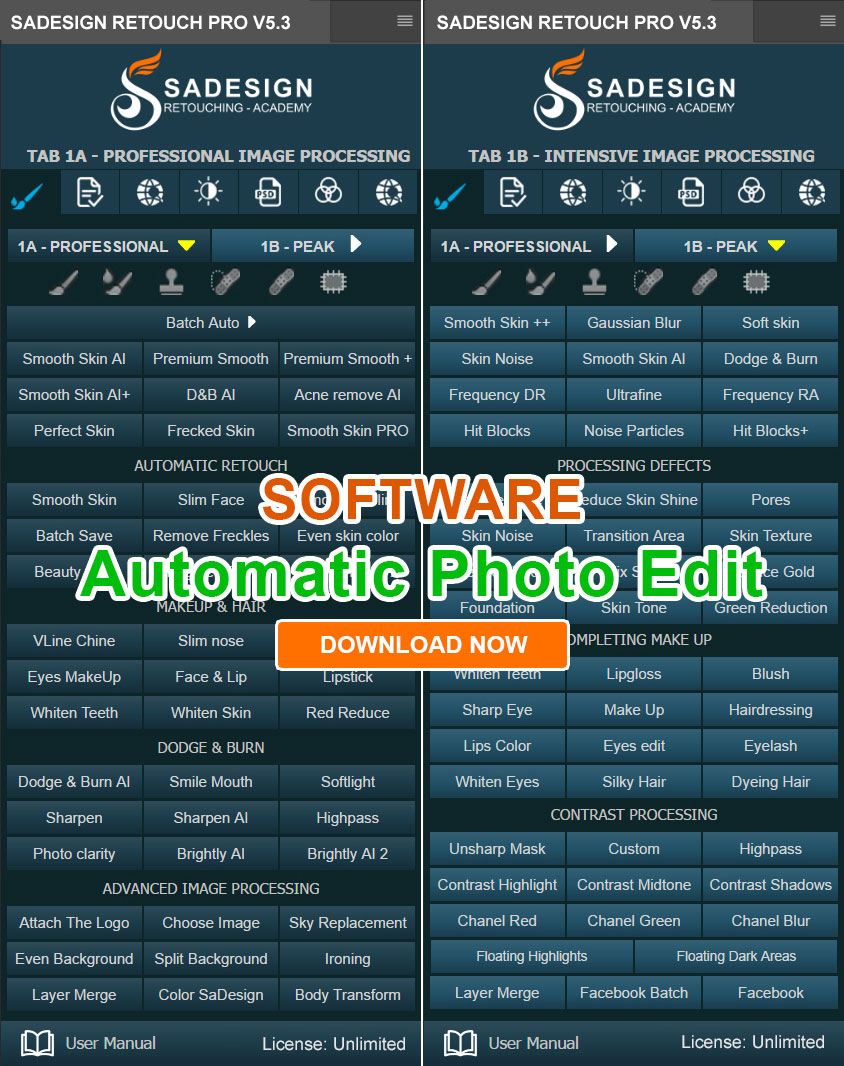
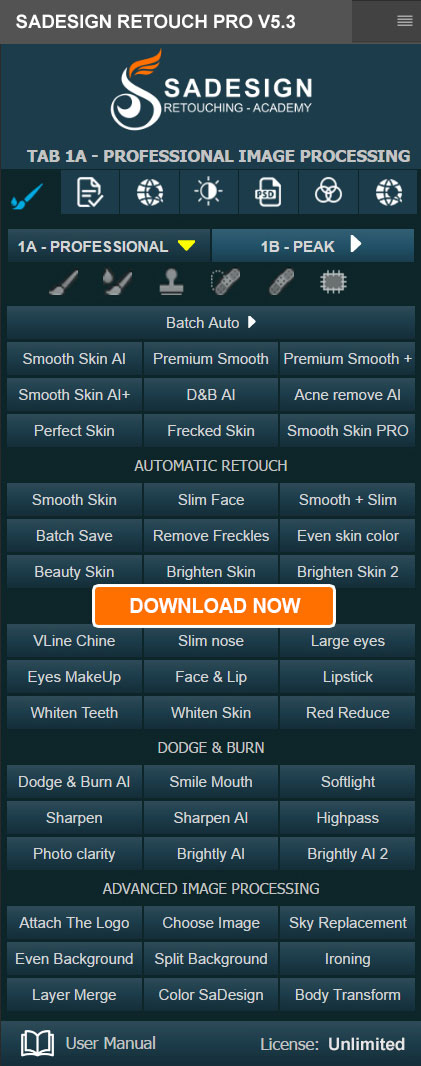
Plugin Retouch4me
69 USD

ChatGPT Plus Account (GPT-4)
16 USD
Windows 10 & 11 Pro Key
36 USD
Autodesk All App Account Copyright
120 USD
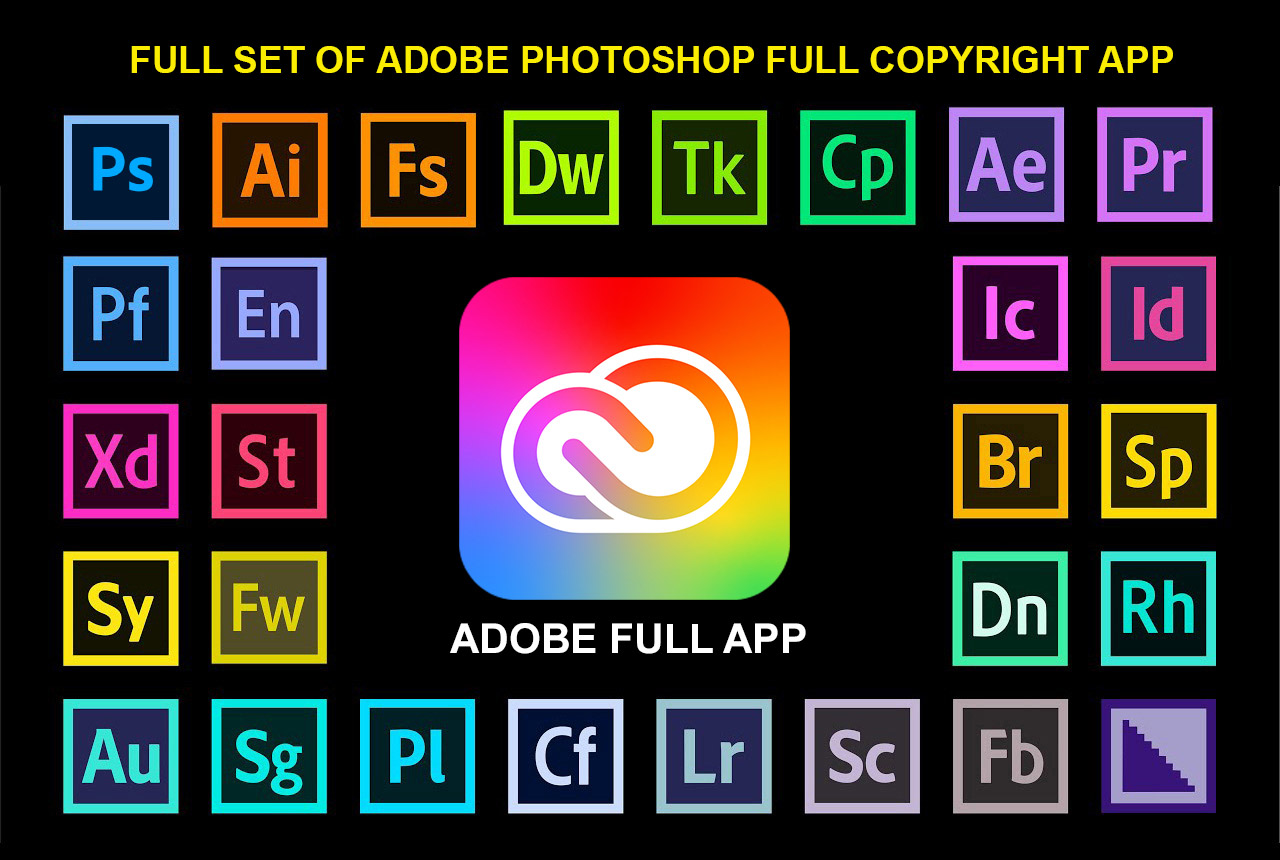
Adobe Photoshop Copyright - Full App
120 USD
Genuine Adobe Illustrator account
99 USD
Copyright Adobe Lightroom Account
59 USD

MidJourney Account
29 USD
Upgrade Genuine Office 365
49 USD

Upgrade Duolingo Super
29 USD
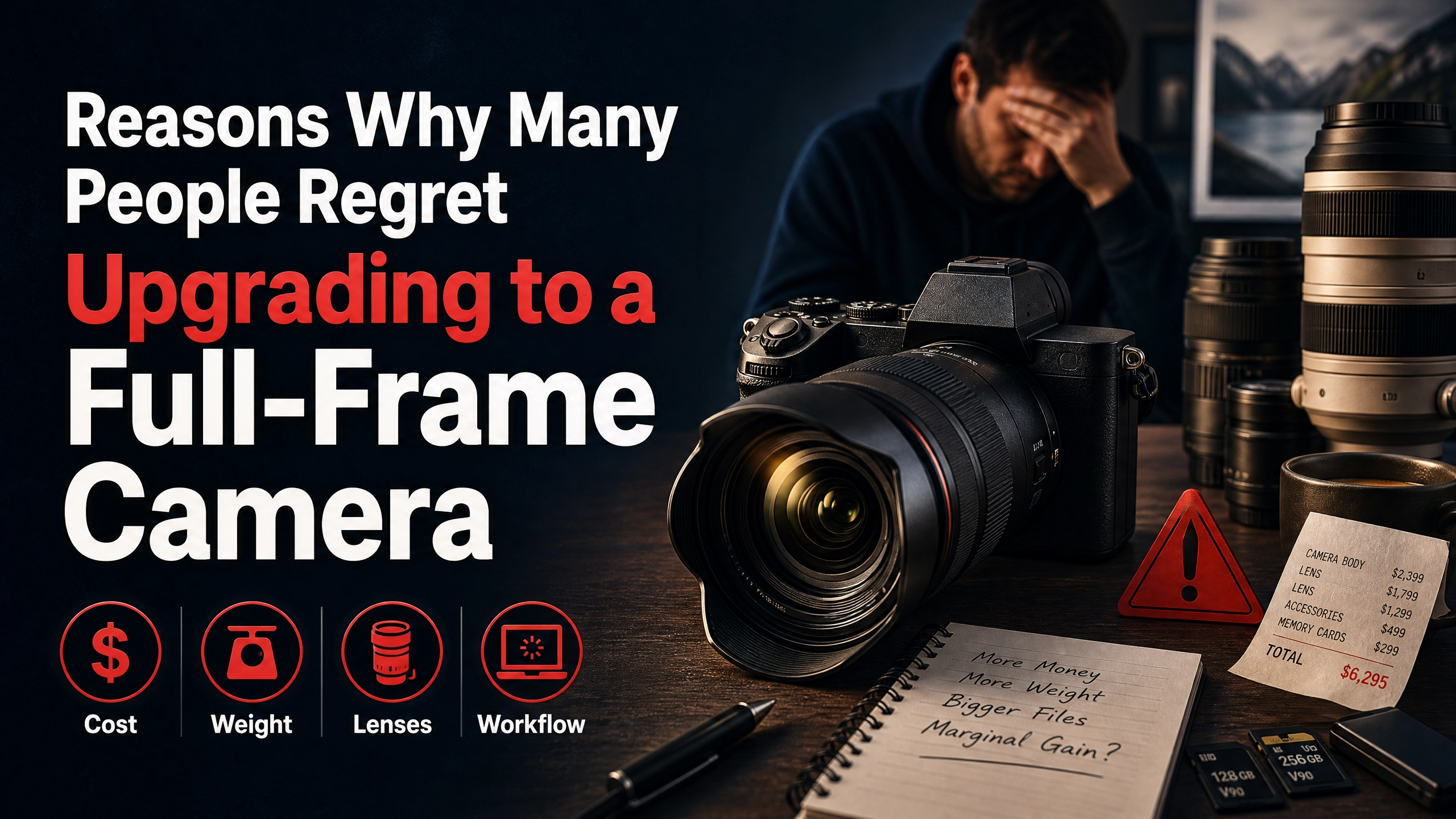
Reasons Why Many People Regret Upgrading to a Full-Frame Camera
Nội dung
- 1. The full-frame camera craze and unrealistic expectations.
- 1.1. Why do many people have misconceptions about the magic of full-frame cameras?
- 1.2. The invisible pressure from the trend of upgrading to full-frame cameras.
- 2. Four stark truths about owning a full-frame camera.
- 2.1. The cost of the full-frame camera ecosystem is a financial black hole.
- 2.2. Size and weight are major obstacles.
- 2.3. Full-frame cameras cannot replace photography skills.
- 2.4. Real-world needs often don't reach the limits of full-frame.
- 3. Tips to avoid regretting your investment in a full-frame camera.
- 3.1. Clearly define the purpose of the work before purchasing.
- 3.2. Smarter Alternatives
Full-frame cameras have always been considered a dream for many photography enthusiasts, but are they really a worthwhile investment for everyone?
1. The full-frame camera craze and unrealistic expectations.
1.1. Why do many people have misconceptions about the magic of full-frame cameras?
Undeniably, full-frame cameras possess many valuable technical advantages. Larger sensors capture more light, improving noise reduction at high ISOs, increasing dynamic range, and creating a more natural-looking bokeh effect.
These advantages lead many newcomers to photography to form a very common misconception: simply buying a full-frame camera will result in better photos.
In reality, the quality of a photograph depends on many different factors. Lighting, composition, timing, color, storytelling, and the ability to communicate with the subject all strongly influence the final result.
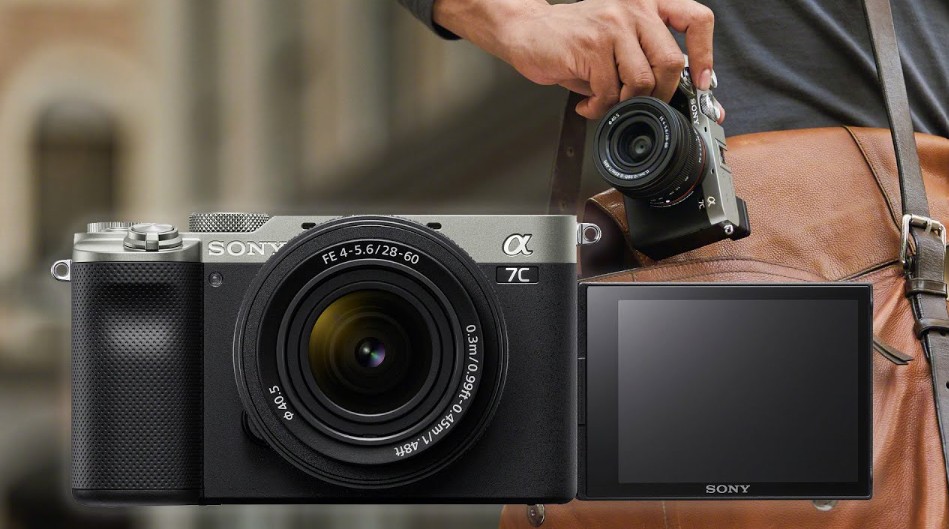
A skilled photographer can absolutely produce excellent photos with an APS-C or Micro Four Thirds camera. Conversely, someone who lacks understanding of lighting and composition can still produce lackluster photos even with the most expensive full-frame camera on the market.
It is noteworthy that the gap in image quality between full-frame and modern crop sensor cameras is narrowing significantly.
Newer generation APS-C sensors are capable of very good image processing. In favorable lighting conditions, the difference between photos taken with a full-frame and an APS-C sensor is sometimes almost imperceptible when viewed on a phone, computer, or social media.
In other words, the advantages of full-frame cameras exist, but they aren't always as obvious as many people imagine.
1.2. The invisible pressure from the trend of upgrading to full-frame cameras.
One of the reasons for the explosion of the full-frame craze is the tendency to compare products to others.
Seeing famous photographers using full-frame cameras, many people automatically assume that this is the deciding factor in creating outstanding works. They begin to feel that their own equipment is becoming "unprofessional."
The FOMO (fear of being left behind) mentality is very strong within the photography community.
Many people already own a system that perfectly meets their needs, but still feel the need to upgrade simply because everyone else is doing so.
The problem is that upgrades often don't stop at the device itself.
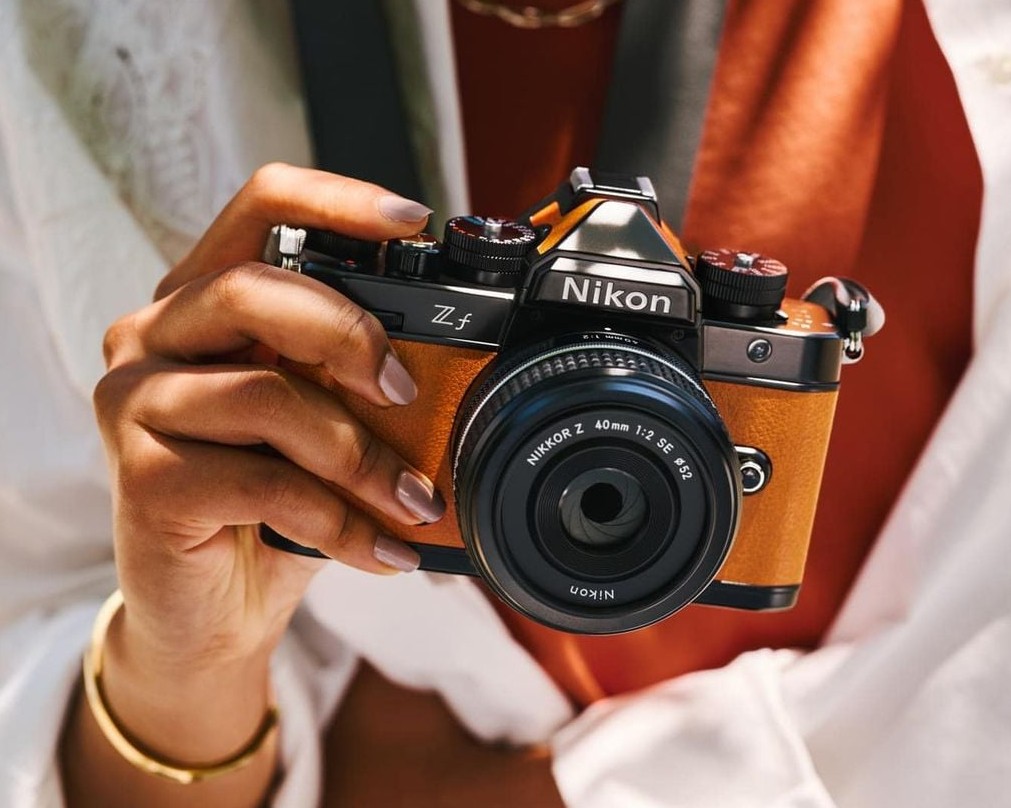
Once you enter the full-frame ecosystem, a whole host of new costs begin to appear. Full-frame lenses, high-speed memory cards, storage drives, image editing computers, and many other accessories all become significantly more expensive.
Many people realize that they are spending a large portion of their budget on equipment while having less and less time for learning and developing skills.
That's why many people upgrade to full-frame but the image quality remains almost unchanged.
2. Four stark truths about owning a full-frame camera.
2.1. The cost of the full-frame camera ecosystem is a financial black hole.
When researching full-frame cameras, most people tend to focus only on the price of the camera body. However, the camera body is only the starting point. The biggest cost actually lies in the accompanying ecosystem.
A full-frame camera might make you want better lenses to fully utilize the sensor's capabilities. This creates a demand for large-aperture lenses such as the 24-70mm f/2.8, 70-200mm f/2.8, or high-end prime lenses. Each lens can cost as much as, or even more than, the camera body itself.
Then there are spare batteries, high-speed memory cards, shockproof bags, specialized tripods, and a host of other incidental expenses. In particular, image files from high-resolution full-frame cameras are often very large. This necessitates upgrades to hard drives, RAM, and even the computer itself for more efficient post-processing.
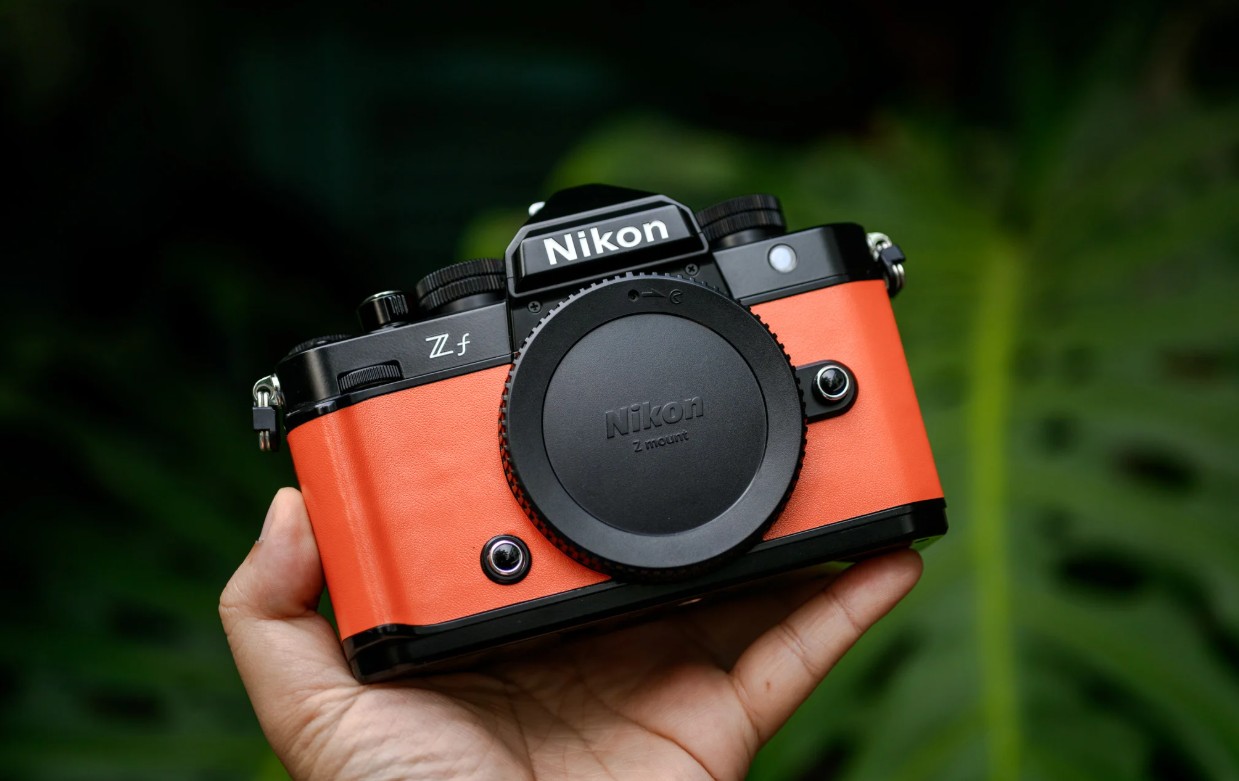
Many people enter the full-frame market with a budget for the camera body alone but fail to prepare for the entire ecosystem behind it. As a result, they constantly end up spending more money in the following years.
2.2. Size and weight are major obstacles.
Advertisements often focus on image quality but rarely mention a very common fact: full-frame cameras are usually significantly heavier.
A full-frame camera with a standard body and zoom lens can weigh between 1.2 and 2 kg. This might not sound like a lot, but when you have to carry it around all day on a trip or during a long shooting session, you'll feel the difference very clearly. Many people buy full-frame cameras intending to take them everywhere, but after only a few months, the camera starts sitting idle on the shelf.
The reason is simple: it's too heavy.
They started using their phones more because of the convenience. Eventually, the expensive camera was only taken out on a few special occasions. There's a famous saying in photography: "The best camera is the one you carry with you." If the equipment is too bulky and you're reluctant to use it, all its technical advantages become meaningless.
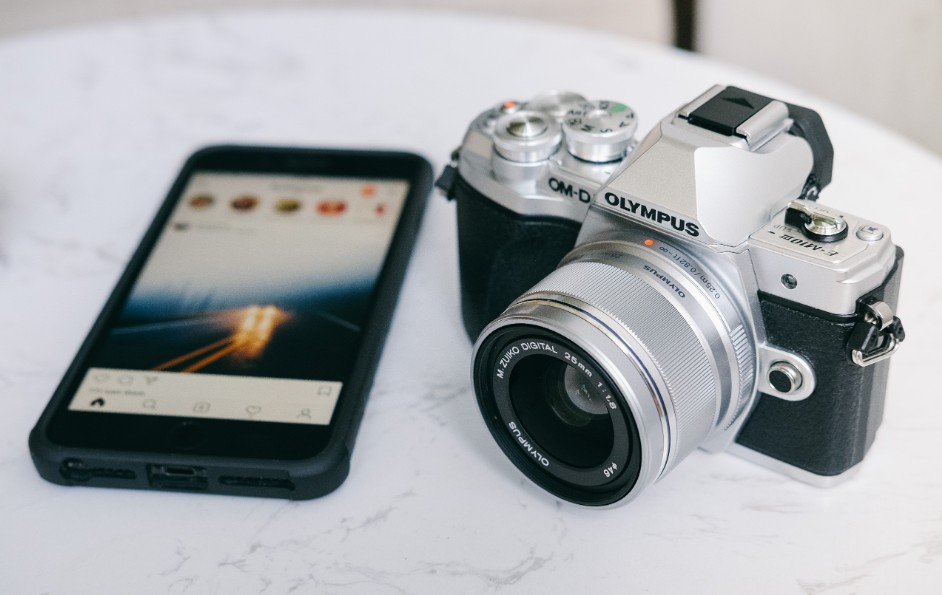
2.3. Full-frame cameras cannot replace photography skills.
This is perhaps the most disappointing truth for many after the upgrade. They expected their photos to look better immediately. But in reality, after a few weeks of use, they realized the old problems still persisted.
The layout isn't good.
The lighting is not controlled.
The colors lack emotion.
The subject's pose is awkward.
These issues are not related to sensor size. A full-frame camera doesn't automatically turn a user into a professional photographer. It only provides more tools for the user to utilize. If the skill level isn't high enough to take advantage of those benefits, the difference will be minimal.
Many professional photographers once created famous works using cameras with far lower specifications than today's modern equipment. This shows that the most important factor is always the person behind the camera.
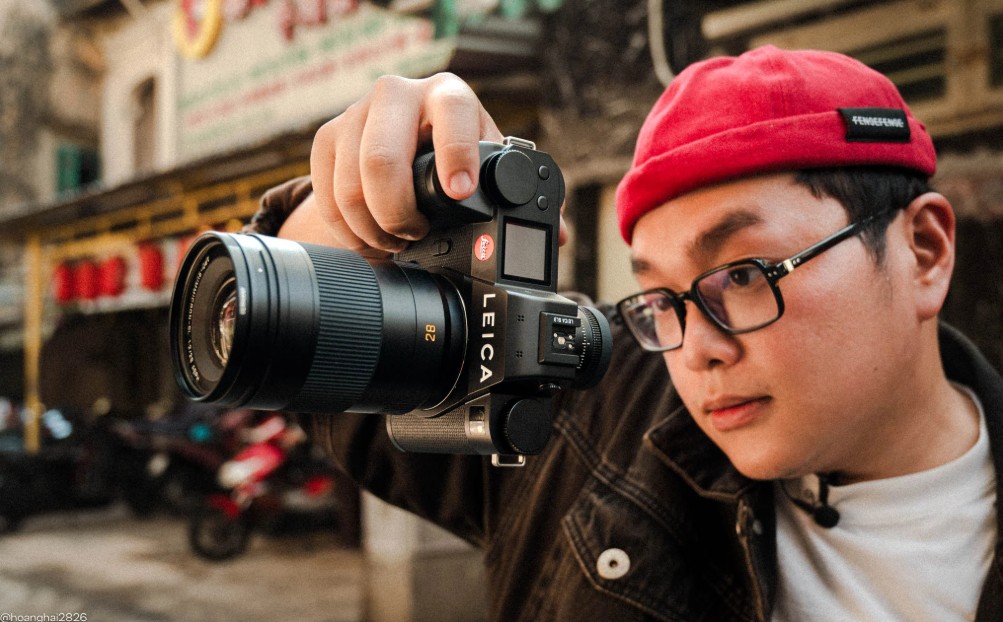
2.4. Real-world needs often don't reach the limits of full-frame.
A supercar can reach speeds of 300 km/h. But if you're only driving in the city at 50 km/h, most of that power will never be used. Full-frame cars are similar.
The greatest advantages of full-frame sensors often appear in specialized situations such as shooting weddings in low light, commercial advertising, high-end product photography, or printing extra-large format photos.
Meanwhile, the common needs of most users are taking photos of family, travel, portraits, landscapes, or posting photos on social media. In these situations, modern APS-C cameras can perfectly meet those needs. Many people spend double or triple the price but only get a fraction of the device's capabilities. That's why regret often arises after a purchase.
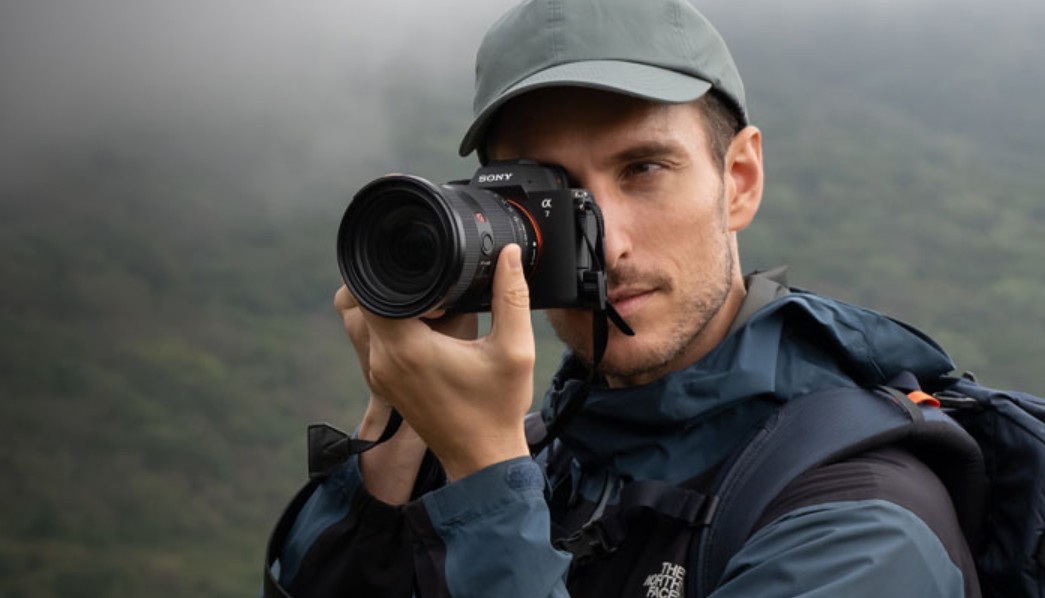
3. Tips to avoid regretting your investment in a full-frame camera.
3.1. Clearly define the purpose of the work before purchasing.
Before even thinking about upgrading, answer this very simple question.
What do you need a full-frame camera for?
If you're a professional wedding photographer, a commercial photographer, or frequently work in low-light environments, a full-frame camera might be a worthwhile investment. Conversely, if your primary focus is family photography, travel, or personal content creation, your current equipment is likely sufficient. Clearly identify your limitations. If the problem lies in skill, upgrading equipment won't solve it. Only if the issue is truly with the sensor or camera performance will a full-frame camera become a worthwhile option.
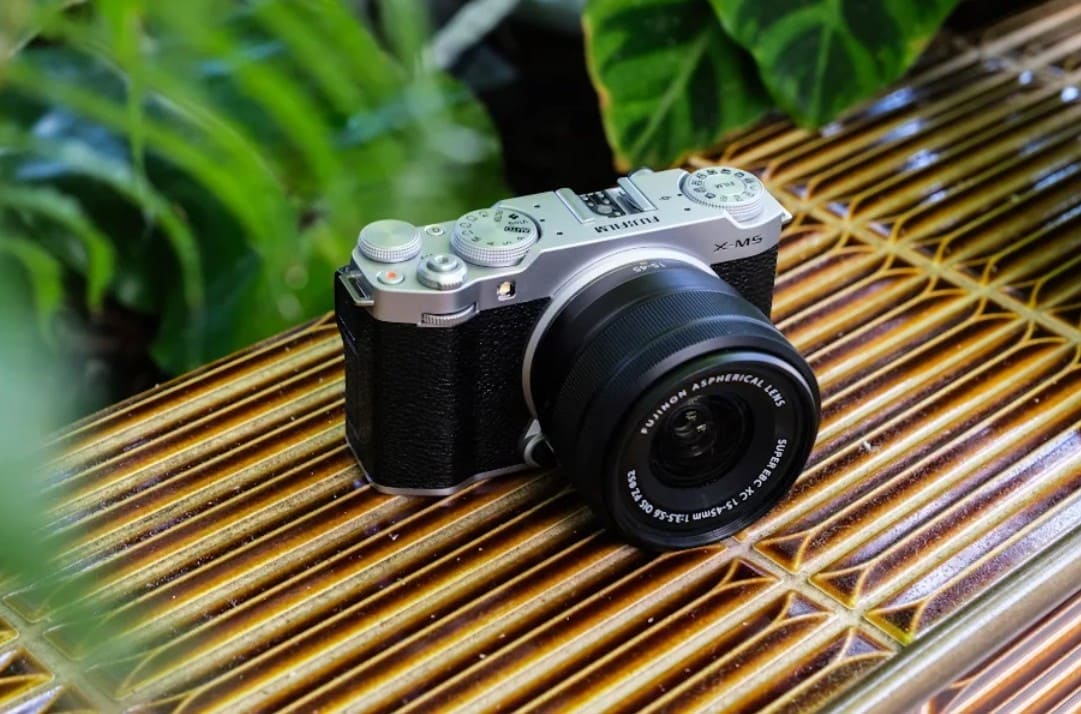
3.2. Smarter Alternatives
In many cases, upgrading the lens will yield a more noticeable improvement than upgrading the camera body.
A high-quality lens with a large aperture can significantly improve sharpness, bokeh, and low-light performance. Furthermore, learning about lighting, color correction, and composition often provides far greater long-term value than upgrading your camera. Another option is to rent a full-frame camera before buying one.
Gain practical experience through a few photoshoots.
Take your camera with you when you travel.
Edit image files on your computer.
Assess whether the difference truly justifies your personal needs.
Many people, after trying out full-frame cameras, realize that they don't make as big a difference as they imagined. Conversely, others discover that it's exactly the tool they need for their professional work. Regardless of the outcome, real-world experience is always more reliable than advertising claims.
Instead of asking "Are full-frame cameras any good?", a more appropriate question should be "Is a full-frame camera right for my needs?". By honestly answering that question, you'll avoid impulsive investments and focus your resources on what truly helps you improve your photography skills.












VIP Products

Best Selling Products
Genuine Cheap Canva Pro
39 USD
Capcut Pro 1 Year
39 USD
Freepik Premium Account
59 USD
Adobe Premiere Pro Account
99 USD
Upgrade genuine Capture One account
120 USD
Plugin Retouch4me
69 USD
ChatGPT Plus Account (GPT-4)
16 USD
Windows 10 & 11 Pro Key
36 USD
Autodesk All App Account Copyright
120 USD
Adobe Photoshop Copyright - Full App
120 USD
Genuine Adobe Illustrator account
99 USD
Copyright Adobe Lightroom Account
59 USD
MidJourney Account
29 USD
Upgrade Genuine Office 365
49 USD
Upgrade Duolingo Super
29 USD