Best Selling Products

Copyright Adobe Lightroom Account
59 USD

Genuine Adobe Illustrator account
99 USD

Genuine Cheap Canva Pro
39 USD

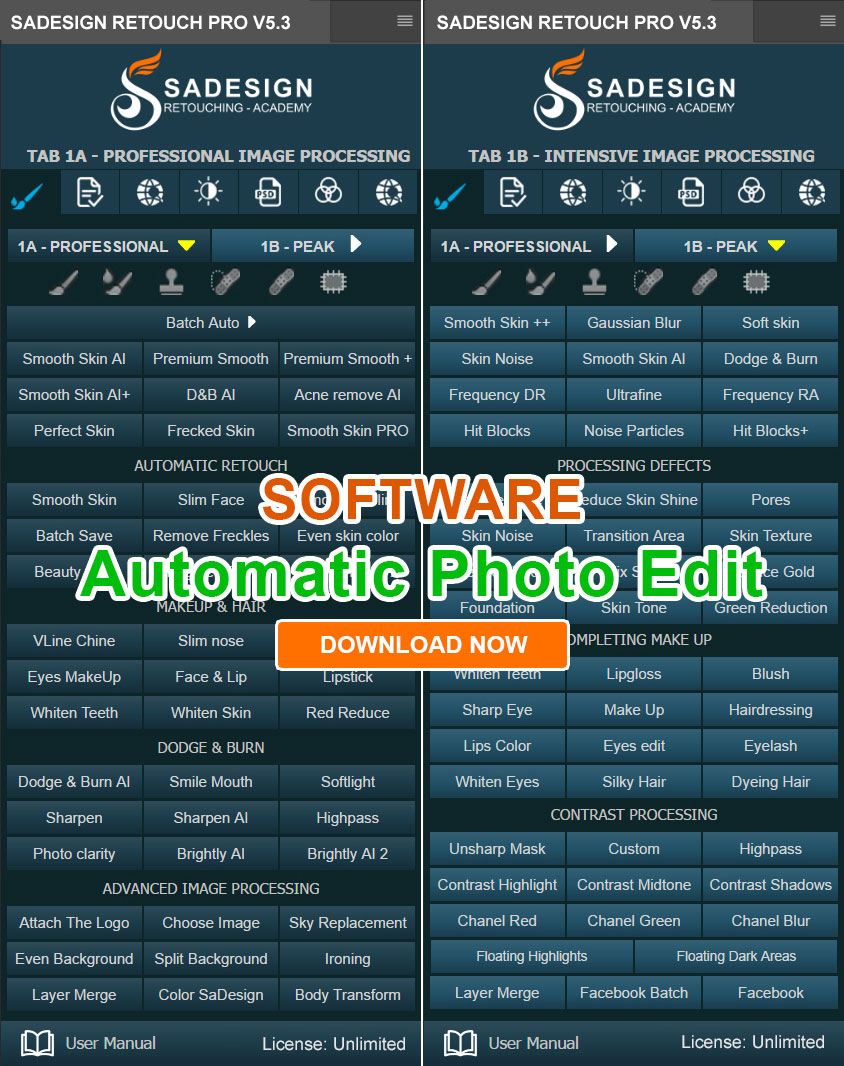
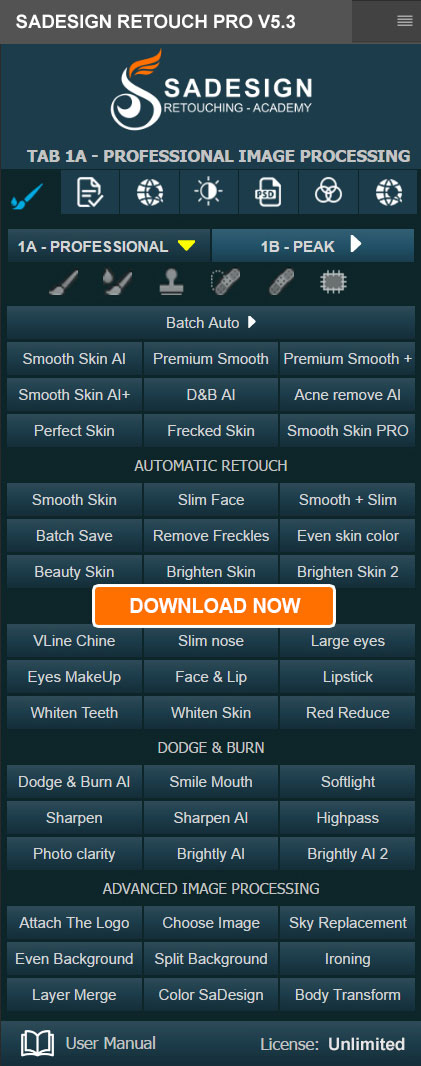
Plugin Retouch4me
69 USD

Capcut Pro 1 Year
39 USD

Upgrade Duolingo Super
29 USD

Freepik Premium Account
59 USD

Autodesk All App Account Copyright
120 USD

ChatGPT Plus Account (GPT-4)
16 USD

MidJourney Account
29 USD
Upgrade genuine Capture One account
120 USD
Adobe Photoshop Copyright - Full App
120 USD

Upgrade Genuine Office 365
49 USD

Adobe Premiere Pro Account
99 USD

Windows 10 & 11 Pro Key
36 USD
What is Bracketing? Types of Bracketing in Photography
Nội dung
- 1. Learn about Bracketing in Photography
- 1.1. The concept of exposure compensation in photography
- 1.2. Why has bracketing become an important tool?
- 2. Types of exposure compensation in photography
- 2.1. Exposure Compensation Photography
- 2.2. Depth of Field Compensation Photography
- 2.3. Exposure Compensation
- 2.4. White Balance Compensation Photography
- 2.5. Flash Compensation
- 3. When should exposure compensation be used in photography?
- 3.1. When encountering scenes with high contrast
- 3.2. When depth of field control is needed
- 3.3. When the light changes continuously
- 3.4. When photographing portraits or events
- 3.5. When creating professional HDR images
- 3.6. When wanting to create art
- 4. Conclusion
Bracketing, or exposure compensation, is an important technique that helps photographers handle complex lighting situations and improve image quality.
1. Learn about Bracketing in Photography
1.1. The concept of exposure compensation in photography
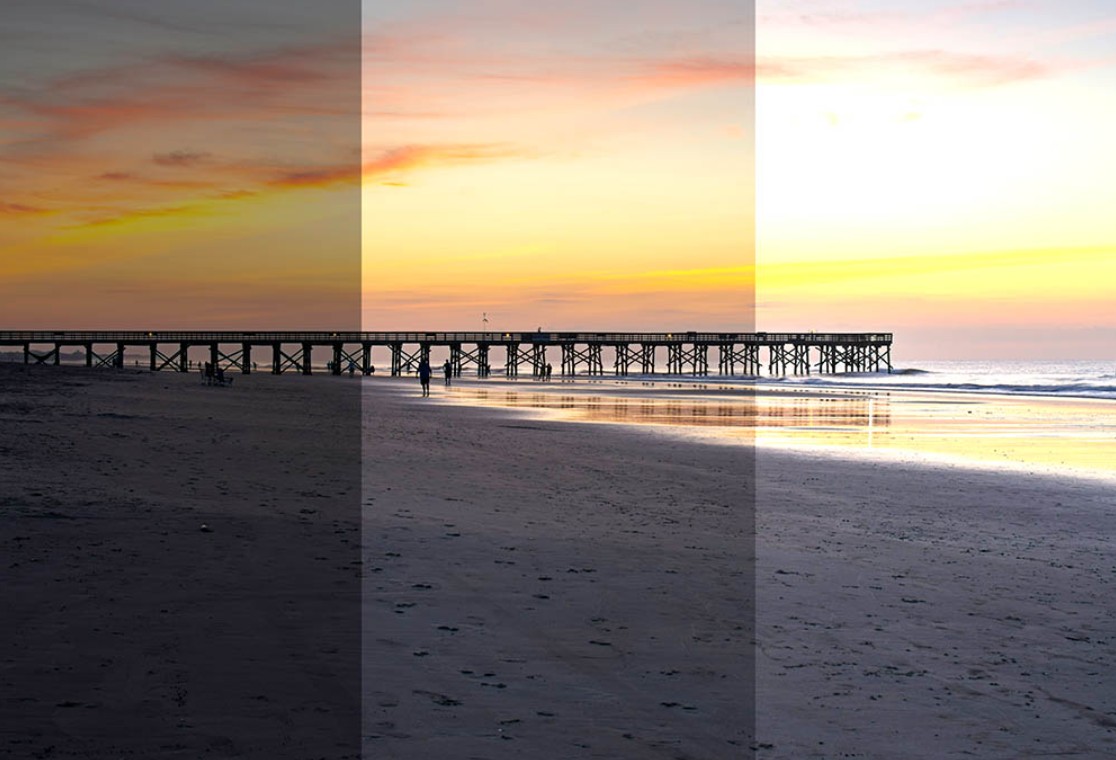
Bracketing, or exposure compensation, is a technique for taking multiple consecutive photos of the same subject or frame but with different settings. The purpose of this method is to create multiple versions of the same scene so that the photographer can choose or combine them to achieve the best possible result.
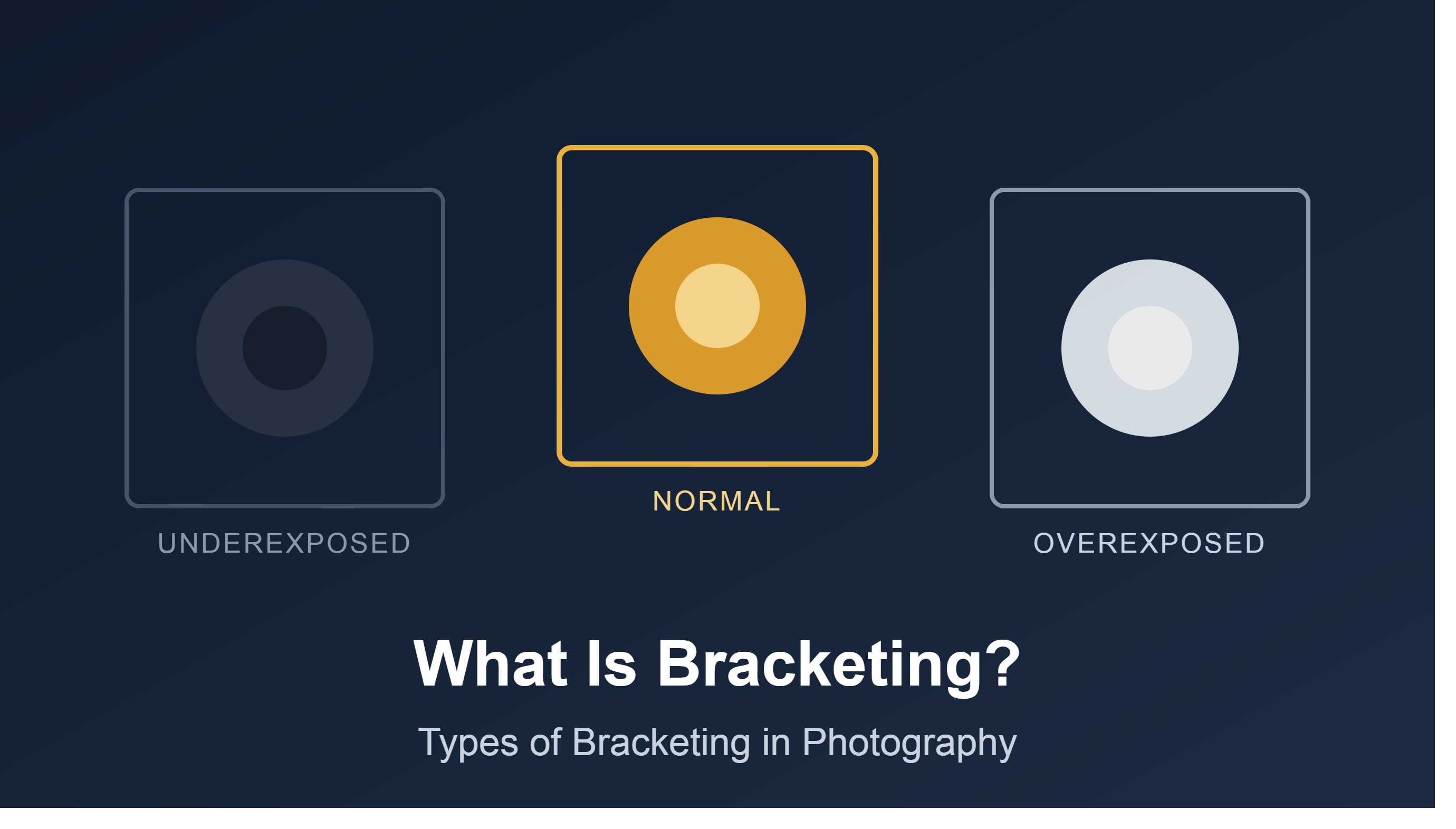
Among the various forms of bracketing, exposure compensation is the most common. Using this technique, the camera records multiple frames with different exposure levels. One image might be taken at standard exposure, one darker, and one brighter.
This gives photographers more options during post-processing or image stitching. Areas that are overexposed or lack detail in a frame can be restored by using data from the remaining frames.
1.2. Why has bracketing become an important tool?
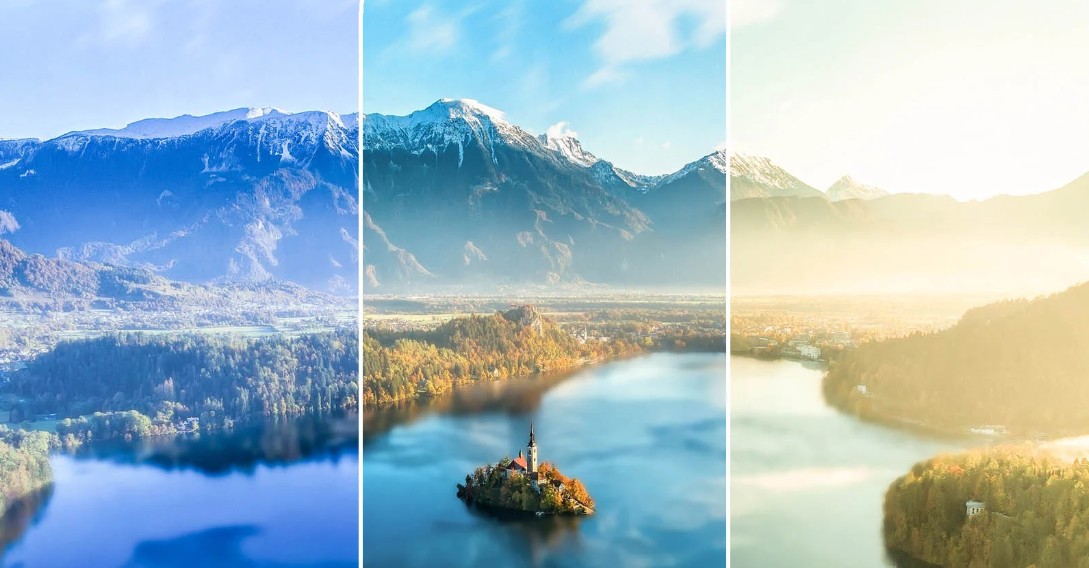
Even the most advanced camera sensors have certain limitations in their ability to capture dynamic range. In situations with large differences in brightness, cameras often have to sacrifice detail in either the bright or dark areas.
For example, when photographing a sunrise, the sky might be very bright while the ground remains in darkness. If you meter the light for the sky, the ground will be completely dark. Conversely, if you meter the light for the ground, the sky is likely to be overexposed.
Bracketing solves this problem by recording multiple exposure levels to ensure that no important details are lost.
This is also the foundation of HDR (High Dynamic Range) technology, a well-known post-processing method that helps reproduce a wider range of light than the sensor can capture.
2. Types of exposure compensation in photography
Bracketing isn't limited to simply changing brightness. In fact, this technique has many variations to serve different creative and technical purposes.
2.1. Exposure Compensation Photography
This is the most common form of bracketing and is often the first thing mentioned when discussing exposure compensation in photography.
The operating principle is quite simple. The camera takes a series of photos with different exposure levels. Typically, there will be one properly exposed photo, one underexposed photo, and one overexposed photo.
Exposure is typically adjusted via shutter speed. However, in some cases, users can also adjust the ISO or aperture to achieve similar results.
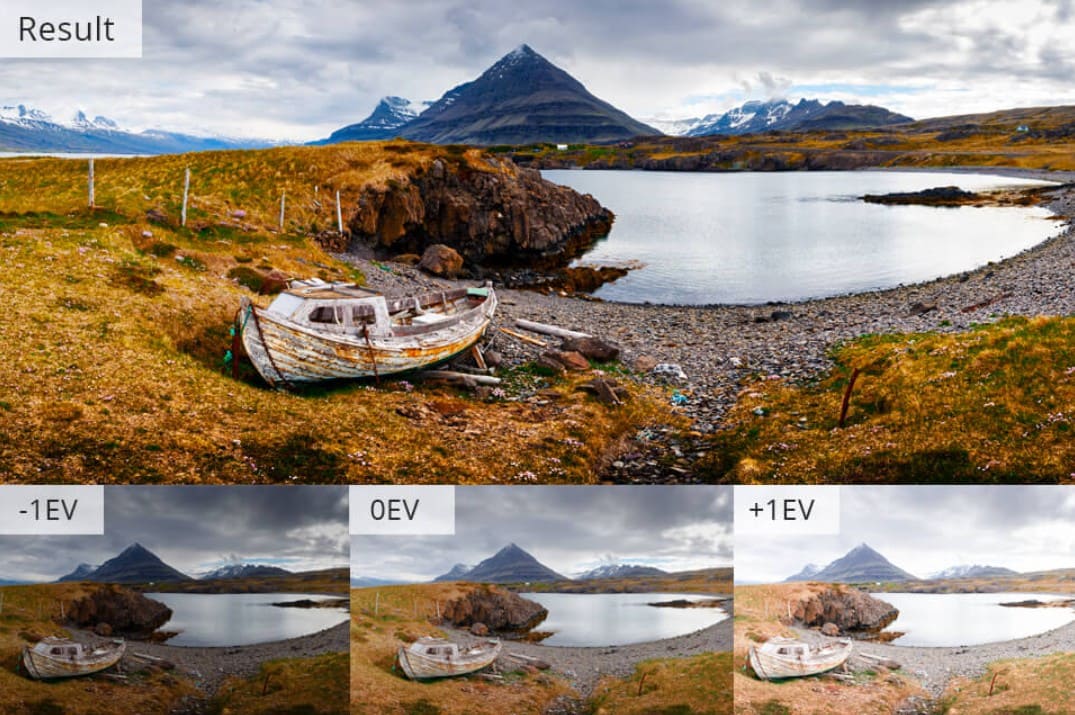
This technique is particularly useful in high-contrast situations such as shooting landscapes at sunrise or sunset, photographing interiors with bright windows, or photographing outdoor architecture in harsh sunlight.
Once complete, the photographer can choose the best frame or combine multiple images into an HDR image to retain full detail in both bright and dark areas.
2.2. Depth of Field Compensation Photography
Depth of field is a crucial factor in determining the sharpness of objects within a frame.
In the technique of depth-of-field bracketing, the photographer takes multiple photos with different aperture settings. Each photo will have a distinct depth of field.
Shots taken with large apertures like f/1.8 or f/2.8 will create a strong bokeh effect. Conversely, smaller apertures like f/11 or f/16 will help more areas of the image become sharper.
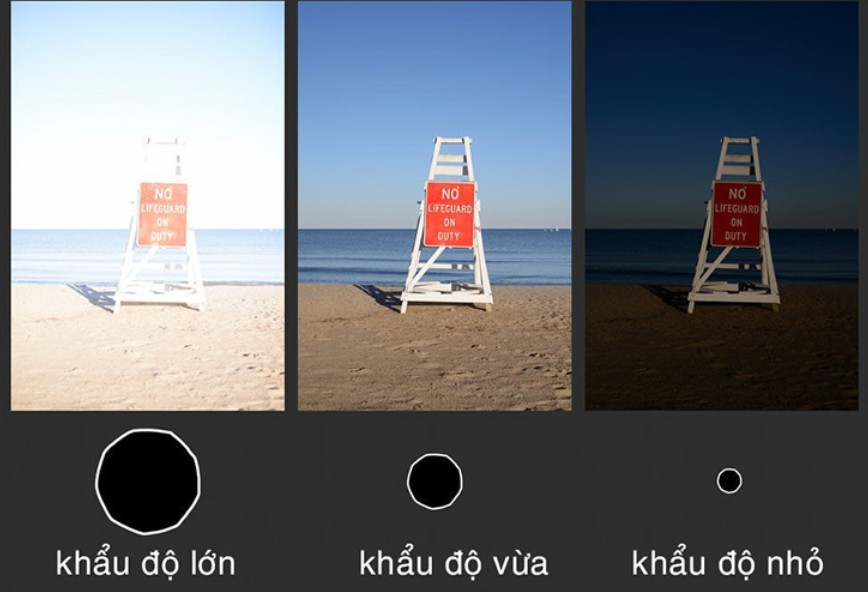
Shooting at different depths of field (DOF) gives photographers more options during post-processing. At the same time, this technique also helps create unique artistic effects suitable for different photographic genres.
In landscape and portrait photography, this is a useful tool for controlling the viewer's visual focus.
2.3. Exposure Compensation
Focus bracketing, or focus compensation, is a technique for taking multiple consecutive photos with different focus points.
Instead of changing the brightness, the camera will shift the focus point from near to far or vice versa.
This technique is particularly common in macro photography. When shooting at very close distances, the depth of field is often extremely shallow. Even with a small aperture, it's still difficult to get the entire subject in sharp focus.
Focus Bracketing allows you to capture multiple images with different areas of focus. These images are then combined using specialized software to create a single image with overall sharpness.

Today, many high-end mirrorless cameras have built-in Focus Bracketing, making the process much simpler and faster.
2.4. White Balance Compensation Photography
Color is an element that can powerfully influence the emotions of the viewer.
In environments with multiple light sources, determining the correct white balance can sometimes be very difficult. Sunlight, fluorescent lights, tungsten lights, and LED lights all have different color temperatures.
White balance compensation photography is a method of recording the same scene with multiple different white balance settings.
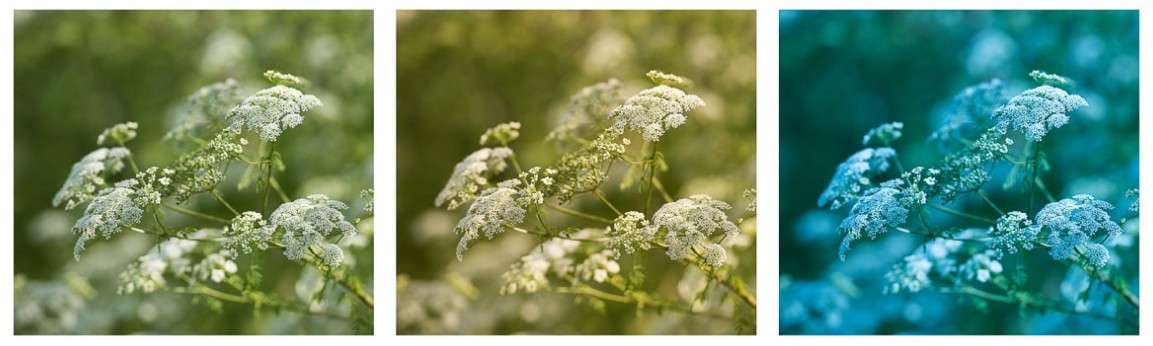
One image might have warmer tones, while another might lean towards cooler or neutral colors.
This allows the photographer to choose the version that best suits their artistic vision or the practical conditions of the photograph.
This technique is commonly used in landscape, interior, and art photography to create a wider range of color options right from the shooting stage.
2.5. Flash Compensation
Flash lighting plays a crucial role in many genres of photography.
However, determining the appropriate flash intensity isn't always easy, especially in mixed-light environments.
Flash bracketing is a technique for capturing multiple frames with different flash power levels.
One photograph might use a powerful flash to highlight the subject. Another might reduce the flash power to retain more ambient light.
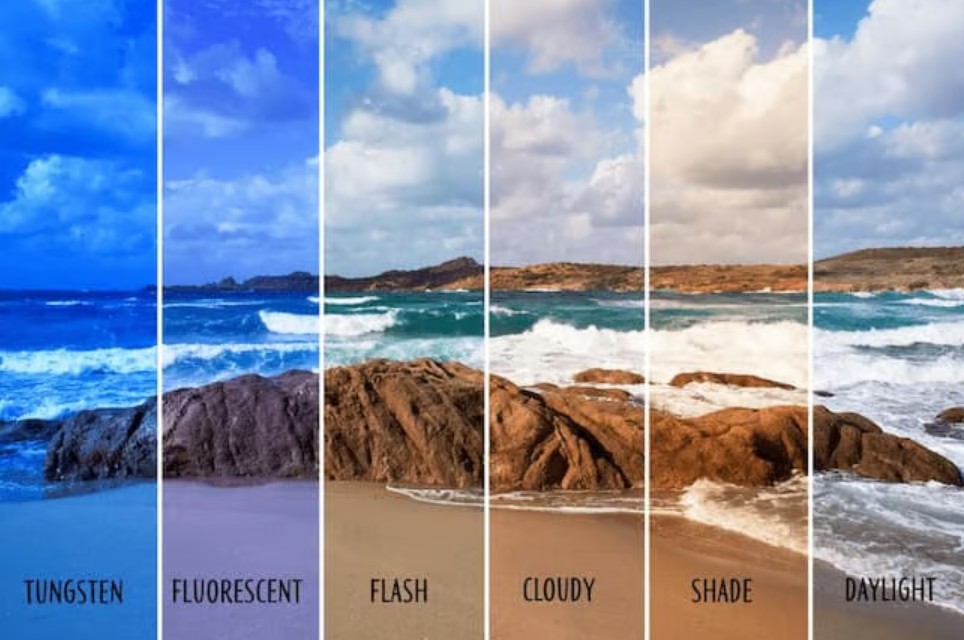
This allows the photographer to compare different results and choose the most suitable lighting level.
This technique is commonly used in portrait, event, fashion, and product photography.
3. When should exposure compensation be used in photography?
Bracketing isn't always necessary. However, in many specific situations, it's almost a mandatory solution if you want to achieve optimal image quality.
3.1. When encountering scenes with high contrast
This is the most common case.
Scenes with very bright skies but dark foregrounds often exceed the capabilities of a camera sensor.
Bracketing helps you capture full data in both bright and dark areas, resulting in a more balanced image.
3.2. When depth of field control is needed
In genres such as macro, landscape, or product photography, sharpness across the entire frame is a crucial requirement.
Focus bracketing and depth of field bracketing help photographers solve this problem effectively without sacrificing image quality.

3.3. When the light changes continuously
Times like sunrise, sunset, or outdoor events often have rapidly changing light conditions.
In these situations, bracketing helps ensure you don't miss the best moments due to incorrect exposure.
3.4. When photographing portraits or events
At important events, photographers often don't have the opportunity to capture the same moment multiple times.
Automatic bracketing increases the chances of capturing at least one frame with perfect parameters.
This is why many wedding and event photographers often activate Bracketing mode in unpredictable lighting situations.
3.5. When creating professional HDR images
HDR is the most well-known application of bracketing technology.
By combining different exposure levels, photographers can create images with a wide dynamic range, preserving detail in both dark and bright areas.
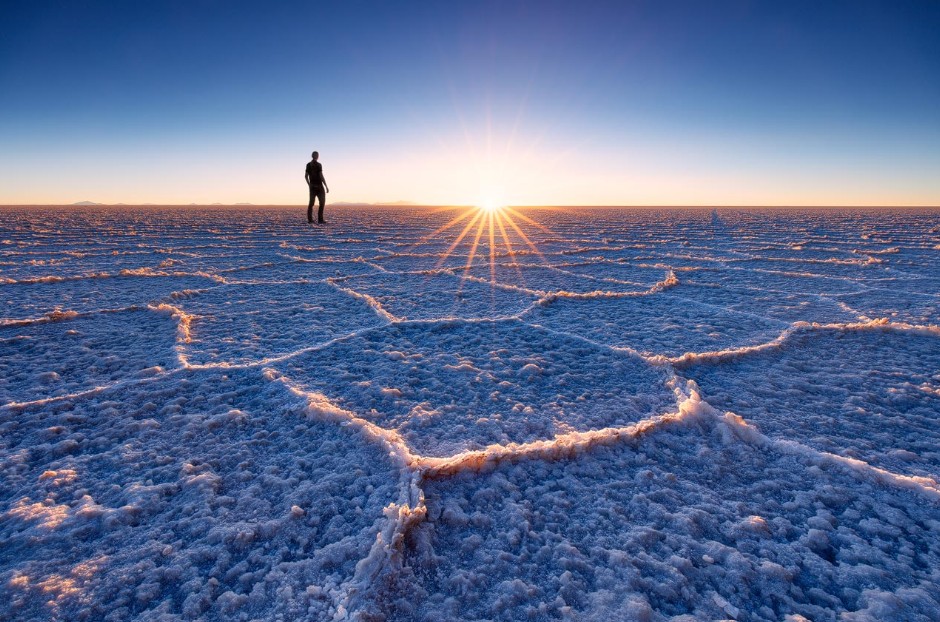
Today, HDR is widely used in landscape, architectural, real estate, and commercial advertising photography.
3.6. When wanting to create art
Bracketing is not just a technical tool; it's also a powerful creative tool.
Changing the exposure, color, focus, or flash light can create novel and unique visual effects.
Many art photographers use bracketing as a way to explore different perspectives and develop their personal style.
4. Conclusion
With modern cameras increasingly equipped with automatic bracketing features, understanding and mastering this technique will significantly improve the success rate of each shot. More importantly, bracketing is not just a technical solution to overcome sensor limitations, but also a creative tool that helps photographers expand their visual expression and create works with greater depth

















VIP Products







Best Selling Products
Copyright Adobe Lightroom Account
59 USD
Genuine Adobe Illustrator account
99 USD
Genuine Cheap Canva Pro
39 USD
Plugin Retouch4me
69 USD
Capcut Pro 1 Year
39 USD
Upgrade Duolingo Super
29 USD
Freepik Premium Account
59 USD
Autodesk All App Account Copyright
120 USD
ChatGPT Plus Account (GPT-4)
16 USD
MidJourney Account
29 USD
Upgrade genuine Capture One account
120 USD
Adobe Photoshop Copyright - Full App
120 USD
Upgrade Genuine Office 365
49 USD
Adobe Premiere Pro Account
99 USD
Windows 10 & 11 Pro Key
36 USD