Best Selling Products

Adobe Photoshop Copyright - Full App
120 USD

Adobe Premiere Pro Account
99 USD

MidJourney Account
29 USD

Freepik Premium Account
59 USD

Plugin Retouch4me
69 USD

ChatGPT Plus Account (GPT-4)
16 USD

Genuine Cheap Canva Pro
39 USD

Upgrade Duolingo Super
29 USD

Windows 10 & 11 Pro Key
36 USD

Upgrade Genuine Office 365
49 USD

Copyright Adobe Lightroom Account
59 USD

Upgrade genuine Capture One account
120 USD

Genuine Adobe Illustrator account
99 USD

Autodesk All App Account Copyright
120 USD

Capcut Pro 1 Year
39 USD
Can Film Cameras Really Take Astronomical Photos?
Nội dung
- 1. Choosing a film camera for astrophotography
- 2. What type of film should be used for astrophotography?
- 3. Choosing the best lens for astrophotography with a film camera.
- 4. Optional accessories
- 5. Preparing for astrophotography with film.
- 6. Technical refinement
- 7. Challenges and solutions when taking astronomical photographs with film.
Film cameras are in no way inferior to digital cameras in capturing the light of faint stars.
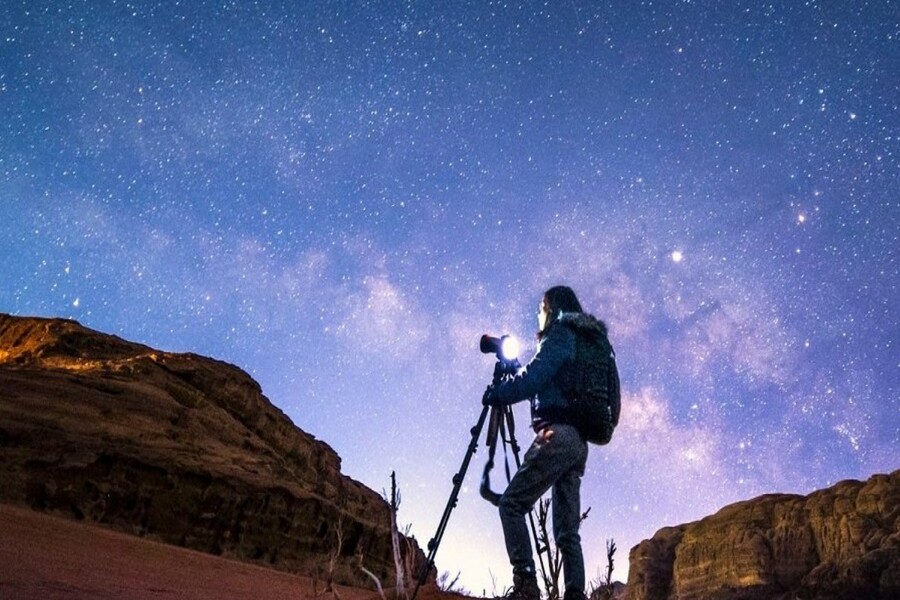
Many people believe that film is too susceptible to errors, has limited exposure control, and high processing costs, making it completely inferior to digital photography. However, it is precisely this challenge that makes this technique so appealing. Each astronomical film photograph possesses a unique beauty that digital cameras can hardly replicate: the natural grain texture, the soft, characteristic colors of each film type, the anticipation of waiting for the film to be developed, and above all, the appreciation for each moment captured. This article will guide you through the entire process, from choosing a camera, film, lens, and accessories, to preparation, exposure techniques, common challenges, and solutions.
1. Choosing a film camera for astrophotography
When embarking on astrophotography with film, the first and most important choice is the camera. Most beginners often opt for classic 35mm SLR cameras because they offer good technical performance, are readily available, reasonably priced, and have a wide range of lenses. A well-functioning, older SLR can provide an astrophotography experience comparable to that of modern systems.
The first thing you need to consider is that your camera must have a Bulb mode. This mode allows the shutter to stay open longer than the camera's normal limit, enabling you to take long exposures lasting seconds, even minutes. Without Bulb mode, it's almost impossible to capture star trails, the Milky Way, or any other night sky scenes. The second important feature is mirror lockup, which helps to fix the mirror in place when you press the shutter button to minimize vibration.
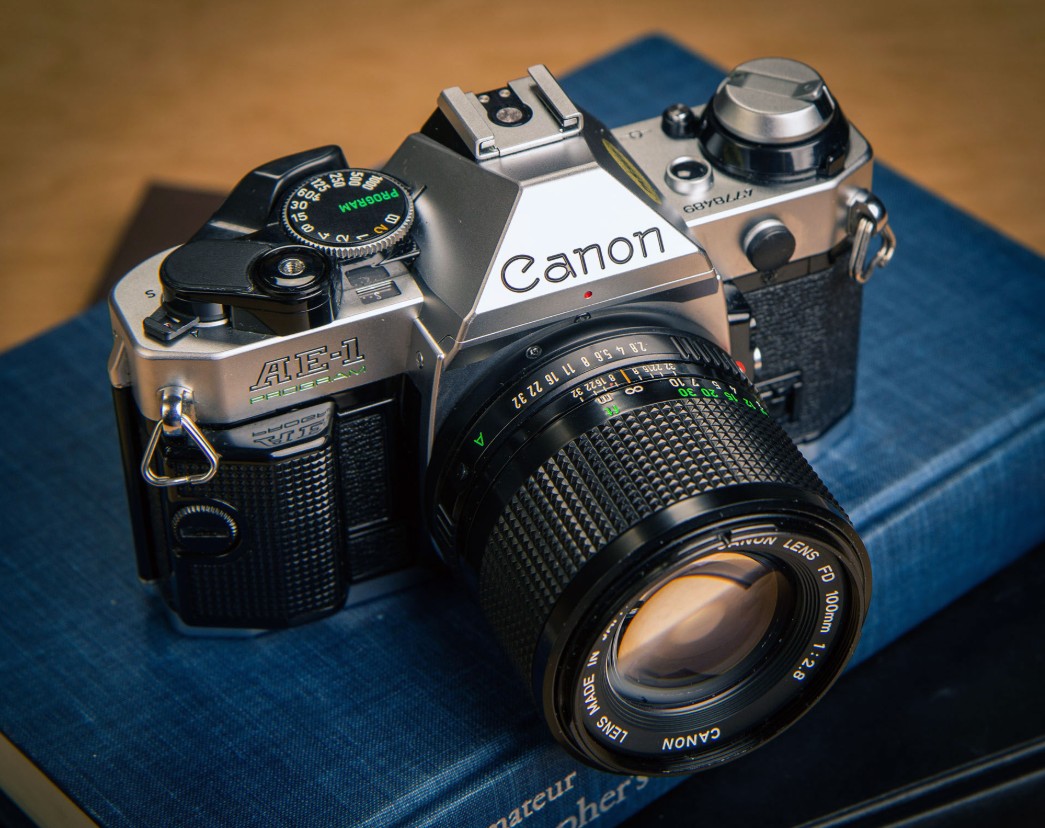
Some reliable camera models often favored by the film photography community include the Olympus OM1, Canon AE-1, and Nikon FE. These models are not only durable and easy to repair, but also reasonably priced on the used market. The important thing when buying a camera is to thoroughly check all functions, ensuring the shutter works smoothly, the light meter isn't too inaccurate, the lens isn't moldy, and the focus ring is still smooth.
Once you're familiar with film photography and want to achieve higher image quality, upgrading to a medium format camera is a promising next step. With larger film sizes, medium format cameras offer superior detail and tonal range, giving astrophotography impressive depth. However, these cameras are often more expensive, heavier, and more complex to operate, so they are best suited for experienced photographers.
2. What type of film should be used for astrophotography?
After choosing the right camera, the next question revolves around what type of film performs best under the night sky. 35mm film is the most popular choice because it's easy to find, easy to buy, and reasonably priced. When shooting astrophotography, the most important factor is ISO sensitivity.
A roll of film with an ISO of 400 or higher will help you capture more light, especially in completely dark conditions. Among color films, Kodak Portra 800 is favored by many for its very pleasing color reproduction, fine grain, and wide dynamic range. Even with long exposures, Portra 800 maintains colorfastness and minimizes reciprocity failure much better than many other film types.
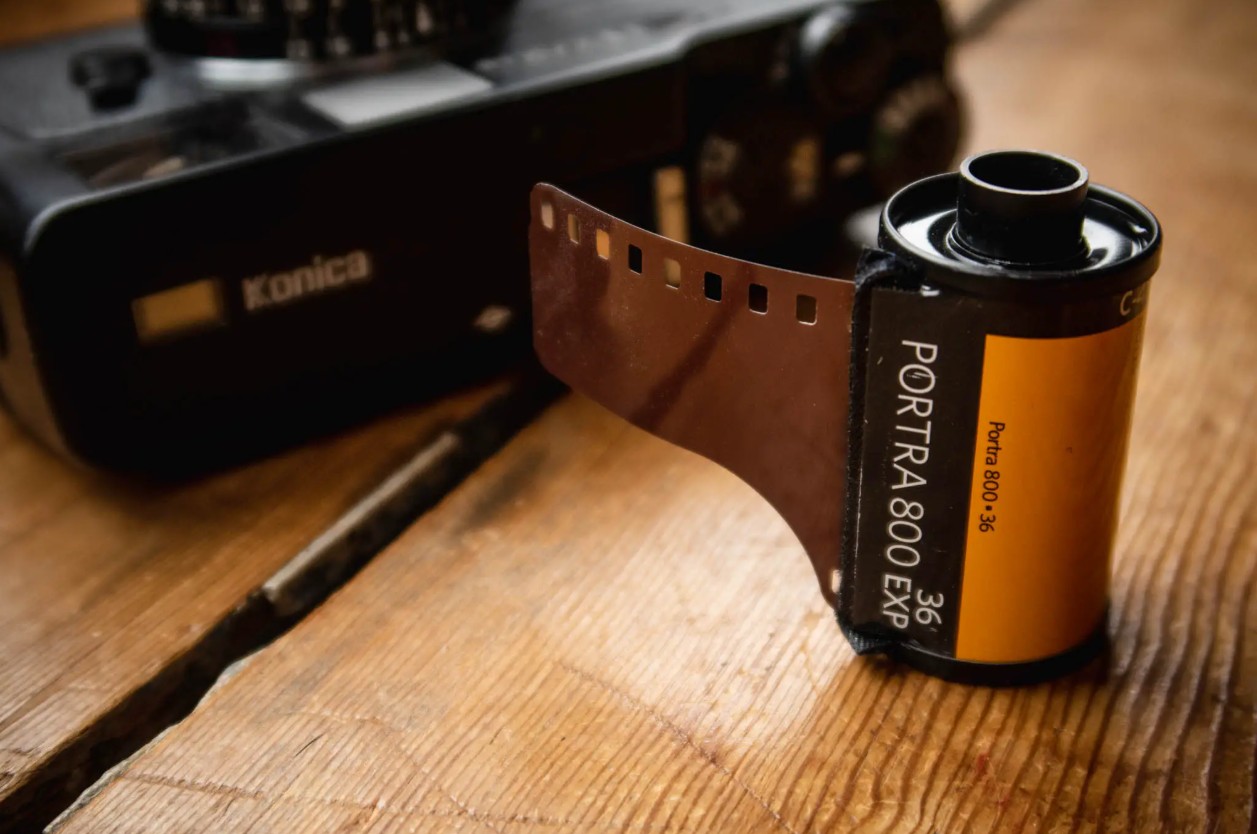
If you want to explore the minimalist, high-contrast beauty of the night sky through black and white, films like Kodak T-MAX P3200 or Ilford Delta 3200 are excellent choices. These are black and white films with extremely high light sensitivity, allowing for more detail to be captured in the dark. Of course, the grain will be greater, but the presence of grain itself has a unique aesthetic, suitable for a nostalgic astronomical style.
If you want to experiment with more "unique" styles, Ilford SFX 200 is also an interesting choice. With its high red sensitivity, this film can create distinctive effects when shooting areas with dusty skies or scenes with the deep red light characteristic of prolonged sunsets.
3. Choosing the best lens for astrophotography with a film camera.
The lens is the "eyes" of the camera and directly influences its ability to capture the beauty of the sky. When shooting astrophotography with film, wide-angle lenses are often preferred because they allow you to capture more of the scene, minimize camera shake, and limit star trails when the exposure isn't too long. A lens with a large aperture of f/2.8 or less is ideal because a wide aperture will help gather more light.
Before making your choice, you need to determine which lens mount your camera uses. For example, the Nikon FE uses the Nikon F mount, allowing you to take advantage of the extensive lens library spanning multiple generations of Nikon cameras. You can easily find a 28mm f/2.8 or 24mm f/2.8 lens.
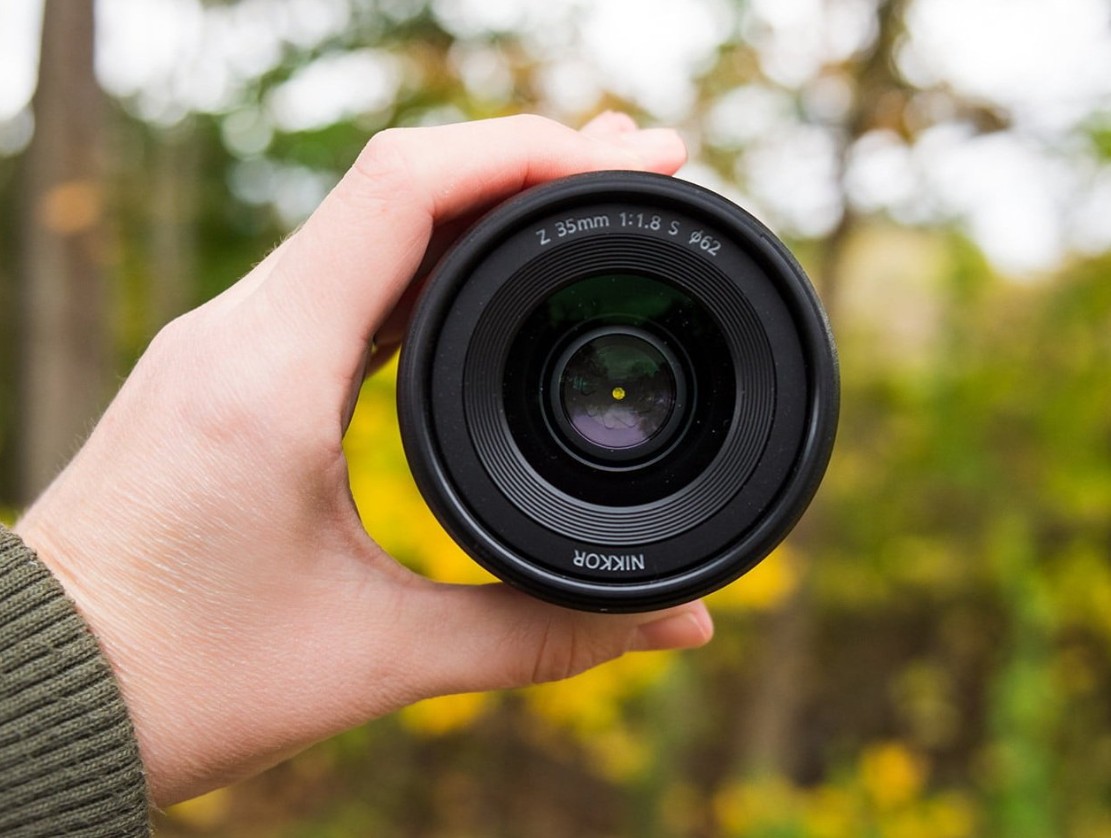
If you're a beginner and only have a 50mm f/2.8 kit lens, you can still capture the night sky. However, the narrower field of view will make it difficult to capture the Milky Way or vast stretches of sky. Wide-angle lenses make framing easier and create a sense of expansive sky.
Vintage lenses often lack the sharpness of modern lenses, but they compensate by delivering softer, more expressive images. However, you should also check for coma (the distortion of starlight into spherical or fan-shaped forms), which is very common in astrophotography. Whether or not to accept this depends on your desired style.
4. Optional accessories
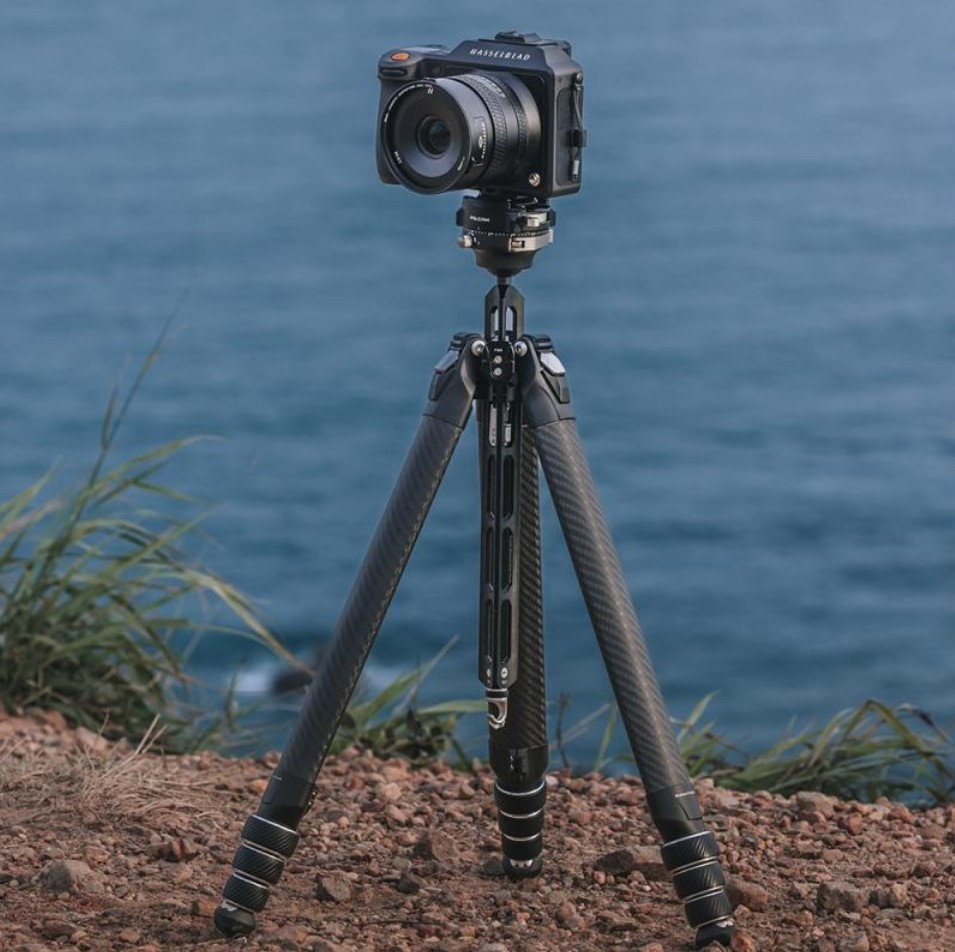
While not always mandatory, supporting accessories can make a significant difference between a successful photograph and one lacking sharpness. A tripod is an indispensable companion. A sturdy tripod will keep the camera stable throughout the exposure, preventing blur from camera shake.
A remote control or soft shutter release cable allows you to take photos remotely, reducing the risk of camera shake. This is a small accessory, but it plays a crucial role in optimizing image quality.
When working in the dark, a red flashlight is an invaluable aid. Red light doesn't impair the eye's ability to adjust to darkness like white light does. This allows for easier operation without affecting your ability to see the sky.
If you want to enhance your photography experience, you can use additional filters to increase contrast or, more specifically, a star tracker: a device that helps the camera follow the movement of stars, allowing you to expose for minutes without star trails appearing. However, star trackers are quite specialized and expensive, suitable for those who are serious about pursuing photography.
5. Preparing for astrophotography with film.
Thorough preparation before shooting will help you avoid many unnecessary mistakes. Choose a roll of film that suits the lighting conditions and the subject you want to photograph. High ISO film is suitable for dark skies, while low ISO film is better for photographing the moon or brightly lit subjects.
Don't forget to check your camera's battery. While most cameras don't require a lot of power, metering depends on the battery. A weak battery can cause inaccurate readings, leading to overexposure or underexposure.
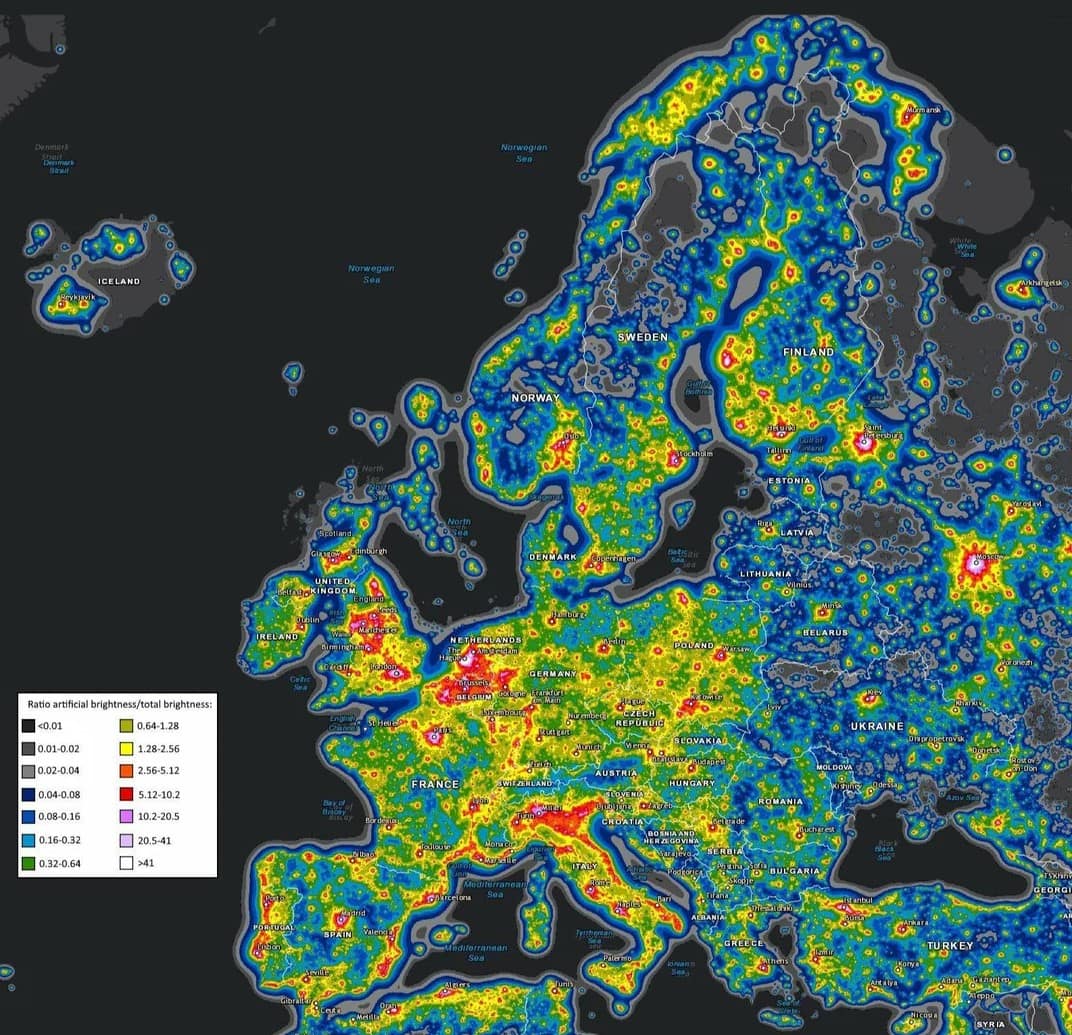
Choosing the right location is perhaps the most important step. The night sky is most beautiful when it's far from city lights. You can use apps like Light Pollution Map to find the darkest locations, such as mountains, deserted beaches, or wide meadows. However, even in urban areas, you can still find places with less light pollution, such as rooftops of tall buildings, parks at night, or suburban areas.
6. Technical refinement
When you begin shooting, seal the viewfinder with black tape to prevent light from leaking in and ruining the image. Set the lens to infinity, open the aperture to its maximum, and consider the appropriate exposure time. If your camera doesn't have a metering system suitable for astrophotography, you'll have to estimate or experiment several times.
Recording the parameters after each shot is a good habit that helps you learn from experience, especially since film cannot be reviewed immediately like digital film. Each frame needs to be treated carefully. Remember not to roll the film immediately after shooting to avoid confusion.
7. Challenges and solutions when taking astronomical photographs with film.
Astrophotography with film is not simple and requires a great deal of patience. Common challenges include long exposure times that exceed the camera's metering capabilities. You can experiment with different exposure times such as 15, 30, or 45 seconds to find the optimal exposure.
Framing in low light using an analog viewfinder is also difficult. A helpful tip is to use a digital camera to determine the composition first, then transfer the settings to a film camera.
Light pollution is a common problem for those living in urban areas. After scanning the film, you can post-process it using Photoshop to reduce glare, increase contrast, or remove excess light. However, you need to maintain the film's natural look and avoid over-restoring, which can lead to loss of detail.
If you appreciate craftsmanship, value the naturalness of light, and are willing to accept the challenges that film presents, then the answer to the question "Is it possible to take astrophotography photos with a film camera?" is definitely yes , and you should even try it .





















VIP Products








Best Selling Products
Adobe Photoshop Copyright - Full App
120 USD
Adobe Premiere Pro Account
99 USD
MidJourney Account
29 USD
Freepik Premium Account
59 USD
Plugin Retouch4me
69 USD
ChatGPT Plus Account (GPT-4)
16 USD
Genuine Cheap Canva Pro
39 USD
Upgrade Duolingo Super
29 USD
Windows 10 & 11 Pro Key
36 USD
Upgrade Genuine Office 365
49 USD
Copyright Adobe Lightroom Account
59 USD
Upgrade genuine Capture One account
120 USD
Genuine Adobe Illustrator account
99 USD
Autodesk All App Account Copyright
120 USD
Capcut Pro 1 Year
39 USD