
Best Selling Products

Adobe Premiere Pro Account
99 USD

Windows 10 & 11 Pro Key
36 USD

Upgrade Genuine Office 365
49 USD

Plugin Retouch4me
69 USD

Capcut Pro 1 Year
39 USD

Genuine Cheap Canva Pro
39 USD

Autodesk All App Account Copyright
120 USD

Copyright Adobe Lightroom Account
59 USD

MidJourney Account
29 USD

Adobe Photoshop Copyright - Full App
120 USD

Freepik Premium Account
59 USD

Genuine Adobe Illustrator account
99 USD

Upgrade Duolingo Super
29 USD

Upgrade genuine Capture One account
120 USD

ChatGPT Plus Account (GPT-4)
16 USD
Charging your phone overnight: A dangerous habit or a fear of becoming outdated?
Nội dung
- 1. When the worry about charging overnight was once completely justified.
- 2. Modern smartphones no longer have the concept of "overcharging".
- 3. Chargers and charging standards
- 4. Temperature: a factor that still needs to be respected.
- 5. So, is charging your phone overnight still considered a "taboo"?
Many people still unplug their chargers as soon as the battery is full for fear of fire, explosion, and battery degradation. But do those risks still exist in the age of smartphones?
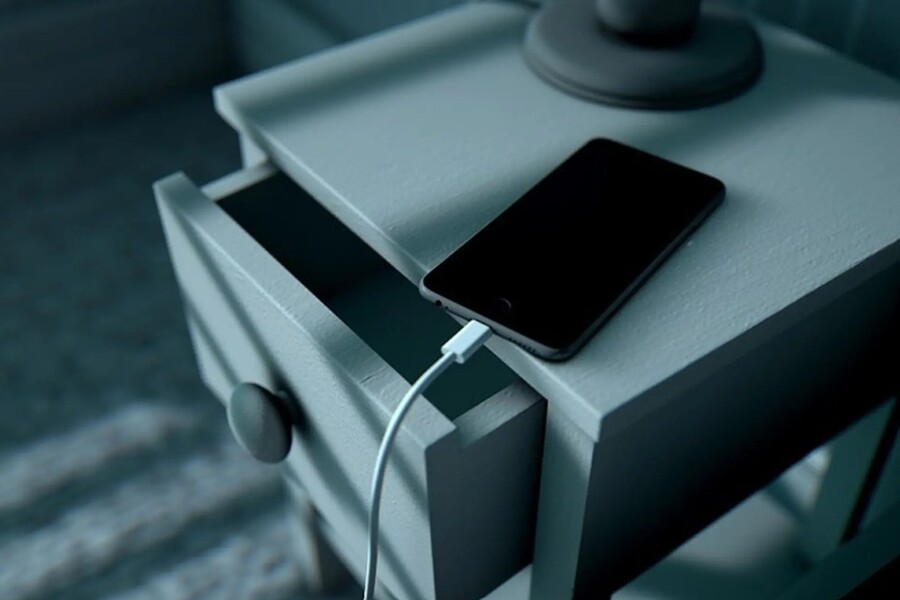
Many people grew up with a familiar piece of advice that has become almost a reflex: never charge your phone overnight . In the memories of many, parents, siblings, or even phone store employees constantly reminding them that charging while sleeping can damage the battery, cause the phone to overheat, and even pose a fire hazard. Over time, this warning has become ingrained in their habits, making unplugging the charger as soon as the battery reaches 100% an unwritten rule.
However, looking back at the context of rapidly developing technology, the question arises: is the notion of "not charging your phone overnight" still valid in today's smartphone age? Or is it merely a remnant of reasonable concerns from the past, but no longer relevant to the modern hardware and software ecosystem? To answer this question fairly, we need to go back to the origins of the fear, understand the evolution of battery technology, charging circuits, and how manufacturers today design user experiences around a very common habit: plugging in your phone to charge before bed.
1. When the worry about charging overnight was once completely justified.
To be fair, concerns surrounding charging phones overnight are not unfounded. In the early days of the smartphone world, especially during the transition from feature phones to touchscreen smartphones, lithium-ion batteries were still relatively "nascent" in terms of mass application. Manufacturers at that time prioritized product launch speed and a race for specifications over investing in sophisticated energy management systems like we do today.
Lithium-ion batteries are inherently sensitive to temperature and voltage. When overcharged or maintained at high voltage for extended periods, they tend to degrade more quickly. In this context, many older devices use relatively simple power management circuits, primarily relying on a fixed voltage threshold to cut off charging, rather than continuously monitoring the battery's temperature, current, and chemical state.

Alongside the limitations of the devices themselves, the accessories market during this period was also a chaotic mess. Cheap chargers, low-quality cables, and substandard components were rampant. In many cases, chargers couldn't regulate the current properly, leading to overcharging at high voltages, generating excessive heat. Incidents such as swollen batteries, abnormally hot devices, and even fires due to short circuits occurred and were widely reported, further reinforcing the belief that overnight charging is a dangerous habit.
In this context, the advice "don't charge your phone overnight" is perfectly reasonable. It helps users minimize risks when technology isn't yet smart enough to protect itself, especially when charging accessories aren't strictly regulated in terms of quality. It can be said that this is sound advice at the right time.
However, the problem is that much of the tech advice continues to be passed down by word of mouth, even when the technological landscape has completely changed.
2. Modern smartphones no longer have the concept of "overcharging".
One of the most common misconceptions today is that smartphones will continue to charge their batteries even when they reach 100%, if the user keeps them plugged in. In reality, with modern smartphones, this almost never happens.
When the battery is fully charged, the power management system, commonly known as the Battery Management System (BMS), will automatically intervene. Instead of continuing to charge at high current, the device will cut off the main charging current or reduce it to an extremely low level. The power at this point is only enough to compensate for the very small amount of energy consumed by the system, such as maintaining network connectivity, the system clock, or minimal background tasks.
This means the phone doesn't constantly go through a "charge-discharge" cycle as many people worry. The more common state is that the battery stays stable around 99–100%, with a very small current, almost not putting any significant stress on the battery.
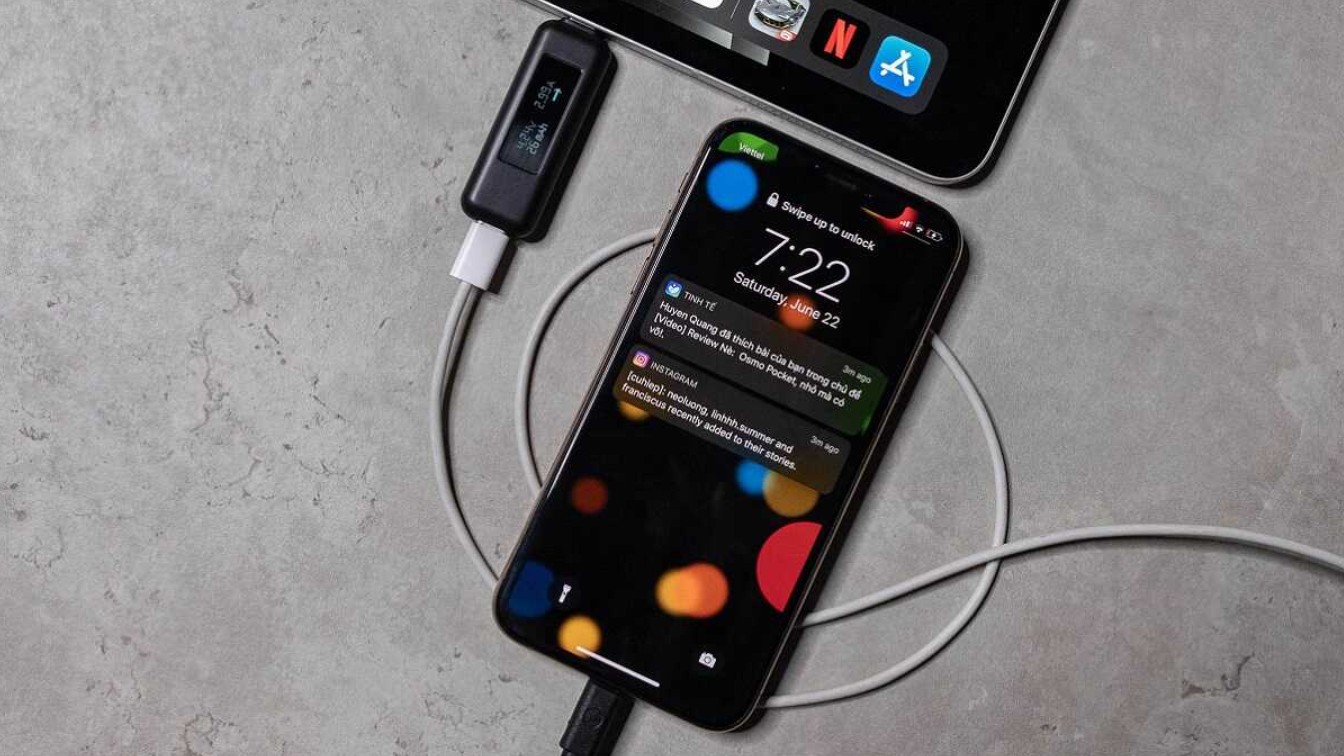
More importantly, in the modern smartphone era, software plays an increasingly important role in battery protection. Major companies like Apple, Samsung, Google, and Xiaomi are all investing heavily in smart charging algorithms. These algorithms not only react to the battery's current state but also learn the user's usage habits over time.
For example, if you typically plug in your phone around 11 PM and unplug it at 6 AM, the system can proactively fast charge it to around 70–80%, then pause for several hours. Only when you wake up will the battery be fully charged to 100%. This reduces the amount of time the battery has to remain at a high voltage.
Some devices even allow users to proactively limit the maximum charge level, commonly to 80% or 85%. This feature, once only found on high-end laptops, is now gradually becoming standard on smartphones. This shows that manufacturers themselves acknowledge that battery life depends heavily on charging management and have proactively designed solutions so users don't have to worry too much.
3. Chargers and charging standards
While smartphones have become much smarter, chargers, once considered just an accessory, have also undergone a significant transformation.
Today, chargers from reputable brands often incorporate multiple layers of protection: overcurrent, overvoltage, short circuit, and especially temperature control. These protection layers operate independently of the phone, creating a dual safety system. Even if one component malfunctions, the others can still intervene to minimize the risk.
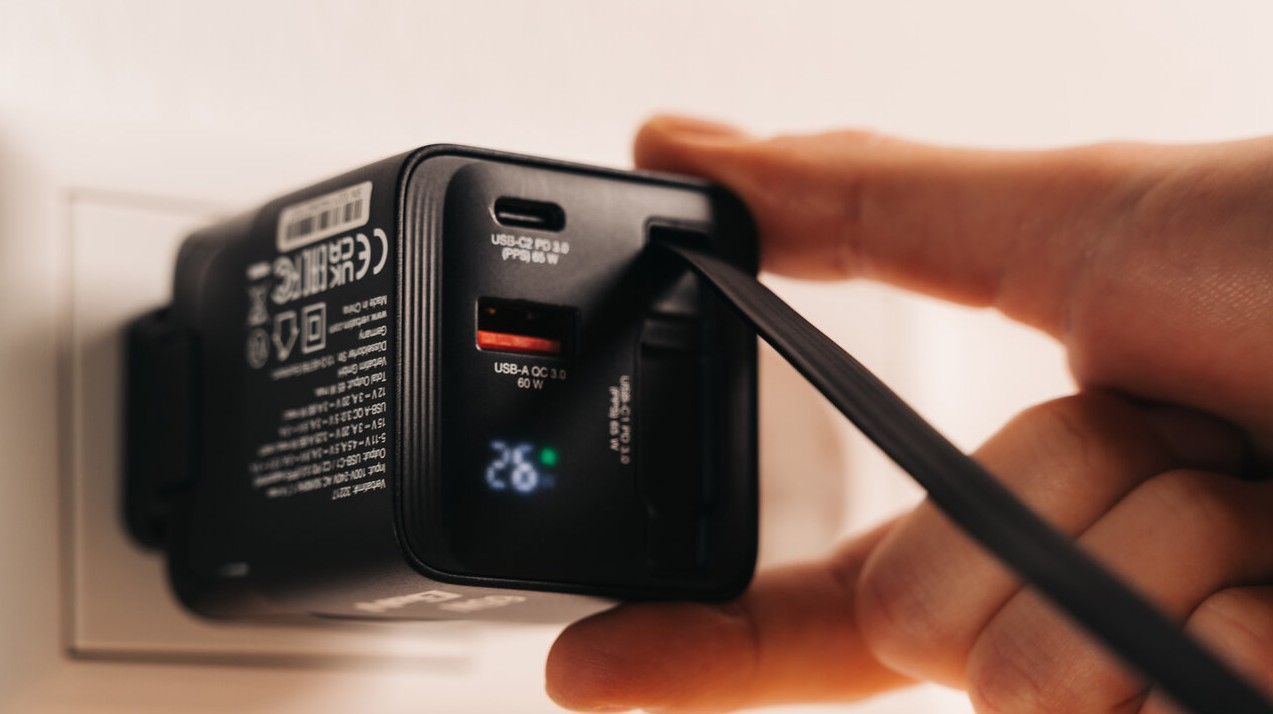
The widespread adoption of the USB-C and USB Power Delivery (USB PD) standards also marks a significant advancement. Unlike older charging standards, USB PD requires the charger and device to "negotiate" with each other before transmitting power. They exchange information about the appropriate voltage and current, and only when a safe agreement is reached does charging begin. This significantly reduces the risk of the device being forced to accept an unsuitable current.
In reality, most overnight charging incidents in recent years don't stem from the phone itself or modern charging technology. They're usually related to damaged cables, counterfeit chargers, or unsafe home electrical systems. In other words, the problem lies in using low-quality accessories, not in the habit of overnight charging.
4. Temperature: a factor that still needs to be respected.
Despite advancements in technology, there's one factor users shouldn't overlook: temperature. Lithium-ion batteries, no matter how intelligently managed, remain a heat-sensitive chemical system.
Charging your phone under a pillow, under a blanket, in an overly thick case, or on soft surfaces like a mattress can trap heat. Prolonged high temperatures not only degrade the battery faster but also reduce the effectiveness of its protective mechanisms. This is why many manufacturers recommend charging your phone in a well-ventilated area, away from direct sunlight and hot environments.
Modern smartphones can automatically slow down or pause charging when the temperature exceeds safe limits. However, relying entirely on the device's automatic mechanism isn't always the best option. Sensible usage habits still play a crucial role in extending battery life.
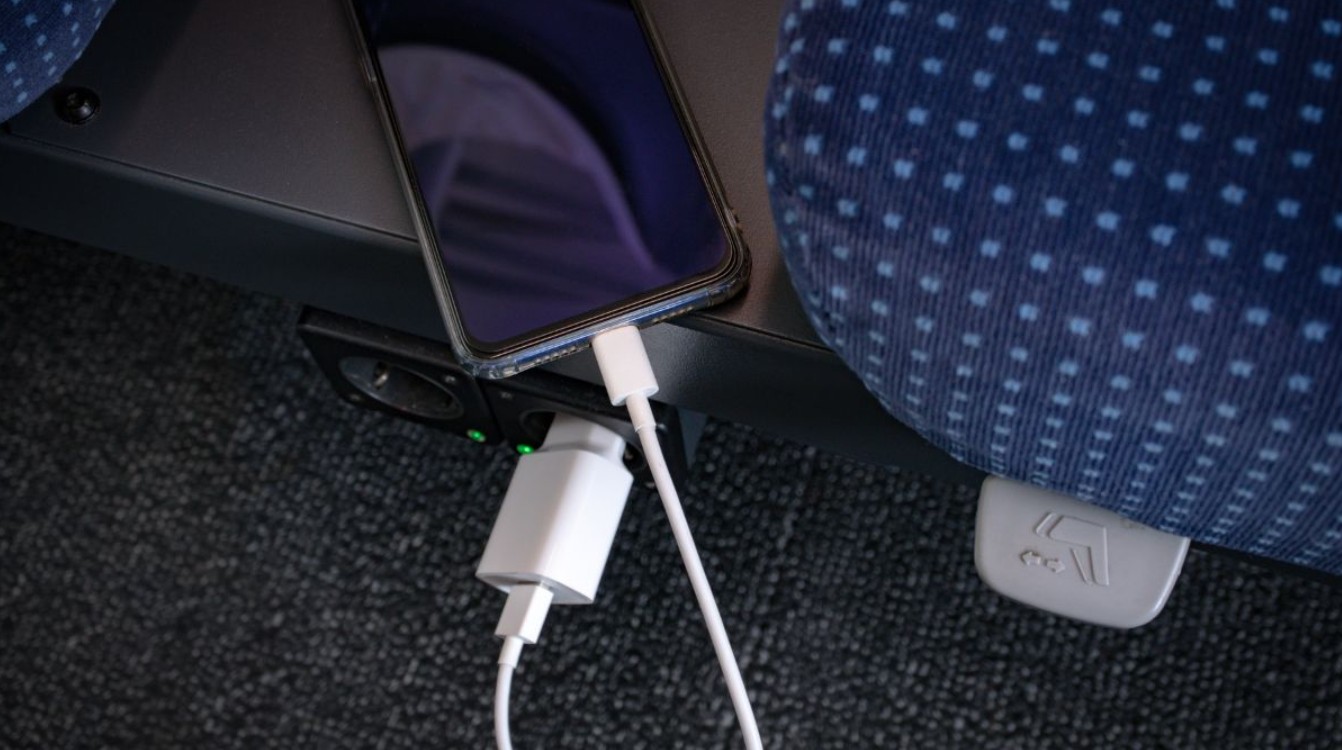
5. So, is charging your phone overnight still considered a "taboo"?
Considering all of the above factors, it's clear that the notion of "not charging your phone overnight" is largely outdated in today's context. Modern smartphones are designed to handle overnight charging safely, through a close combination of hardware, battery management software, and advanced charging standards.
For most users, charging their phones before bed is no longer as risky as it used to be. Simply using a quality charger and cable, avoiding excessively hot environments, not covering the device while charging, and activating optimal charging features if available, you can confidently wake up with a fully charged phone, ready for the day.
Perhaps, instead of continuing to worry about charging overnight, what's more important is how we update our technological knowledge. Because in the digital world, not all advice that was right in the past will remain relevant forever. And sometimes, letting go of an "unwritten rule" is a sign that technology has matured enough to serve humanity more intelligently.





















VIP Products








Best Selling Products
Adobe Premiere Pro Account
99 USD
Windows 10 & 11 Pro Key
36 USD
Upgrade Genuine Office 365
49 USD
Plugin Retouch4me
69 USD
Capcut Pro 1 Year
39 USD
Genuine Cheap Canva Pro
39 USD
Autodesk All App Account Copyright
120 USD
Copyright Adobe Lightroom Account
59 USD
MidJourney Account
29 USD
Adobe Photoshop Copyright - Full App
120 USD
Freepik Premium Account
59 USD
Genuine Adobe Illustrator account
99 USD
Upgrade Duolingo Super
29 USD
Upgrade genuine Capture One account
120 USD
ChatGPT Plus Account (GPT-4)
16 USD