Best Selling Products
Genuine Adobe Illustrator account
99 USD

MidJourney Account
29 USD
Adobe Photoshop Copyright - Full App
120 USD
Autodesk All App Account Copyright
120 USD
Genuine Cheap Canva Pro
39 USD
Windows 10 & 11 Pro Key
36 USD
Upgrade Genuine Office 365
49 USD

Freepik Premium Account
59 USD

Capcut Pro 1 Year
39 USD
Copyright Adobe Lightroom Account
59 USD
Upgrade genuine Capture One account
120 USD
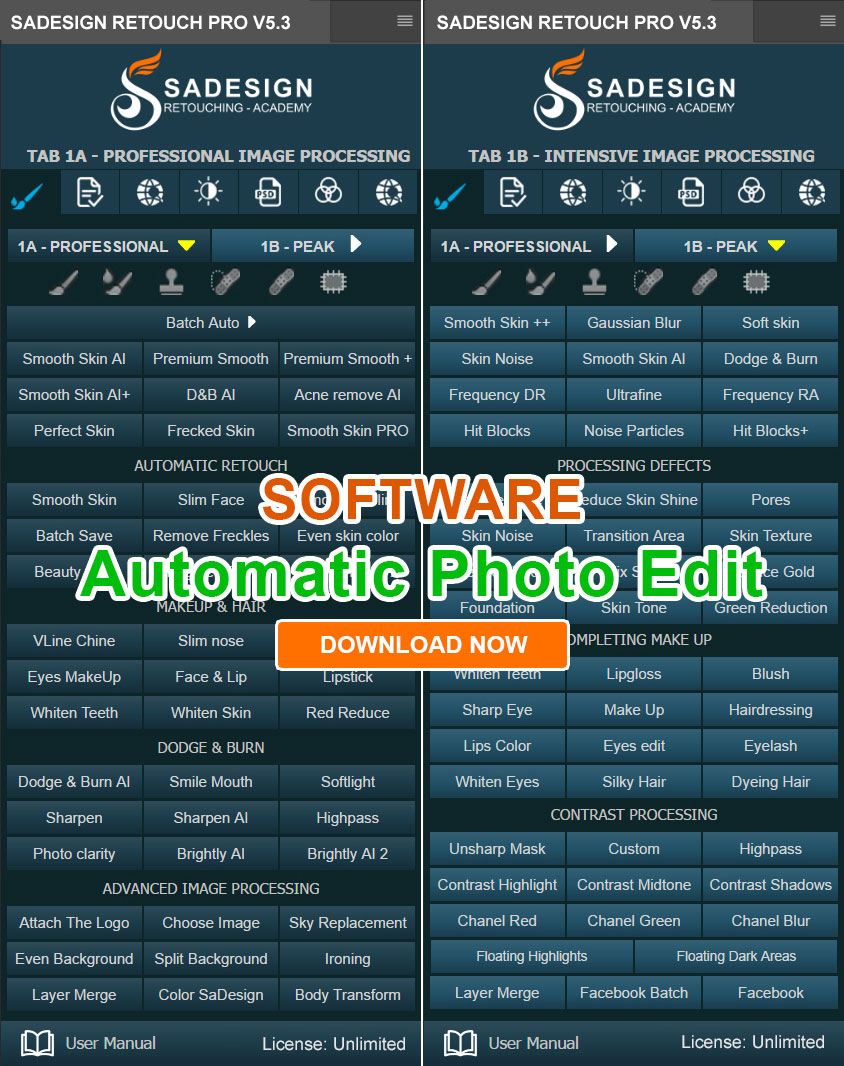
Plugin Retouch4me
69 USD
Upgrade Duolingo Super
29 USD

ChatGPT Plus Account (GPT-4)
16 USD
Adobe Premiere Pro Account
99 USD
Collage Art in Graphic Design: Techniques, Mindset, and Artistic Value
Nội dung
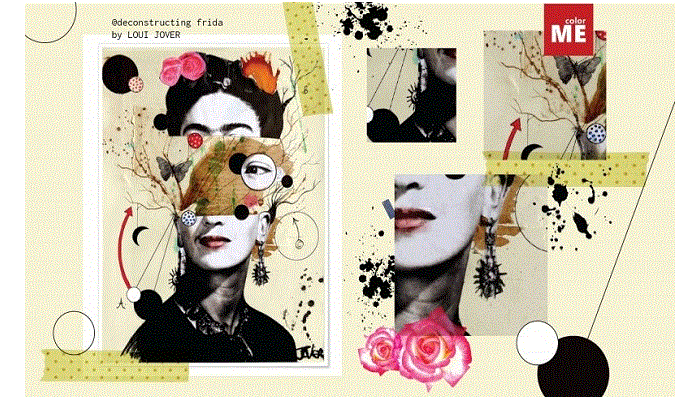
Collage Art is not simply about cutting and pasting; it is also a storytelling-oriented creative mindset. This article analyzes the techniques, composition principles, and aesthetic value of collage in design.
1. What is Collage Art?
Collage Art is an artistic creation technique that combines various visual elements to create a new piece intended to convey a specific message, meaning, or emotion. These visual elements can be incredibly diverse, ranging from newspapers, colored paper, and craft paper to fabric, ribbons, glitter, handwritten text, printed images, or even everyday materials. All of these are cut, torn, pasted, and arranged on a single background to form a creative and highly distinctive composition.
The defining characteristic of Collage Art is not technical perfection or seamlessness but rather the way different fragments interact with one another to generate new meanings. Each material fragment carries its own “visual memory,” and when placed alongside others, they create unexpected associations, sometimes metaphorical or even critical in nature..jpg)
Historically, collage techniques emerged very early. According to many sources, primitive forms of collage can be traced back to the invention of paper in China around 200 BCE. At that time, people had already begun using paper as a material for layering, pasting, and decoration. However, collage was not yet recognized as an independent art form.
It was not until around the 10th century in Japan that the technique began to be consciously applied in artistic practices, particularly in poetry writing and manuscript decoration. Japanese artisans used papers with different patterns, colors, and textures, combining them to create backgrounds for written text, thereby elevating the visual experience of literary works.
By the 20th century, Collage Art truly flourished and gained widespread recognition, especially within modern art movements. Pioneer artists used cutting and pasting techniques as a way to challenge traditional conventions of painting and question the nature of imagery, meaning, and reality itself. From this point onward, collage was no longer just a technique but became a revolutionary artistic language.
In contemporary graphic design, Collage Art has been reborn in many new forms, combining traditional craftsmanship with digital technology. Designers can create collages entirely by hand or integrate them with design software to expand expressive possibilities. Regardless of the medium, the essence of collage remains unchanged: it is the art of combination and redefinition.
2. Objects Used to Create Collage Art
One of the most fascinating aspects of Collage Art is its openness in terms of subject matter and materials. Unlike many design styles that require professional imagery or complex tools, collage allows creators to use the most familiar and accessible elements around them.
.jpg)
In terms of content, subjects in Collage Art can be anything of interest. People, nature, animals, objects, architecture, or even tiny details from everyday life can become creative materials. What matters is not whether the subject is “beautiful” or “ugly,” but how it is placed in relation to other elements to communicate the intended message.
Typically, the collage creation process begins with selecting a specific theme. This theme may be personal, social, or abstract. The creator then searches for images related to that theme, removes them from their original contexts, and rearranges them on a shared background. It is precisely this process of separation and reconnection that creates the unique charm of Collage Art.
As for the background, it plays a crucial role in shaping the overall emotional tone of the piece. Common background materials include newspapers, colored paper, craft paper, aged paper, or patterned paper. Each type of paper possesses its own texture and character, contributing visual depth to the collage.
In addition, paint, hand-drawn color blocks, or highly textured noisy backgrounds can also be effective choices. Visual noise helps make a collage feel more dynamic and less flat while enhancing the handcrafted and approachable quality of the work.
The only real limitation in Collage Art is the imagination and creativity of the creator. There are no rigid rules regarding what materials should or should not be used. An old newspaper clipping, a receipt, a faded photograph, or a handwritten note can all become focal points when placed in the right position and context.
3. Composition in Collage Art
Although Collage Art embraces freedom and experimentation, it is not a random arrangement without control. Behind the seemingly “organized chaos” of collage lie clear compositional principles that help maintain balance and accessibility for viewers.
.jpg)
In most Collage Art pieces, composition is still organized around a primary subject and supporting elements. The primary subject typically carries the core meaning of the work and is positioned in the center or another area that naturally attracts attention. It is often larger, more prominent, and possesses stronger contrast than surrounding elements.
Supporting elements serve to provide context and emphasize the primary subject. These are usually smaller in size and layered behind or around the focal point, creating depth and rhythm within the composition. This arrangement allows the viewer’s eye to move naturally throughout the frame rather than becoming stuck on a single point.
Beyond imagery, color is also a critical component of Collage Art composition. Although collage permits the use of numerous colors, successful pieces often feature a dominant color scheme or a cohesive tonal system. For example, combining analogous colors such as red, orange, and yellow can create warmth and stronger visual harmony.
Color combinations in collage do not necessarily need to follow traditional color theory rigidly, but they should still be controlled. If every element competes for attention, the piece can become overwhelming and lose its focal point. Conversely, when colors are used thoughtfully and selectively, collage achieves a balance between chaos and order.
.jpg)
In summary, despite its free-spirited nature, Collage Art still requires clear compositional thinking. Defining primary and secondary elements, establishing visual focal points, and selecting a dominant color palette are all essential factors that help a piece remain both creative and aesthetically compelling.
4. Popular Forms of Collage Art Today
In contemporary design, Collage Art does not exist merely as an isolated artistic style. Instead, it is applied flexibly across a variety of formats. Among them, the two most widely used forms today are Zines and Moodboards.
4.1. Zine
A Zine is a small-scale publication with a highly personal nature, typically created by cutting, tearing, and arranging text and images around a common theme to form a fresh composition. Zines allow creators to express personal perspectives, emotions, or reflections on specific topics without being constrained by traditional publishing formats.
.jpg)
In appearance, a zine resembles a small notebook. Most zines are handmade using paper, pens, scissors, and glue. Creators can collect images from various sources, arrange them on pages, and add handwritten notes, lettering, or illustrations.
This handcrafted quality is precisely what makes zines so appealing. Each zine is a unique edition that directly reflects the personality and emotions of its creator. In graphic design, zines are often used as a medium for experimenting with new ideas, styles, and visual languages.
4.2. Moodboard
A Moodboard shares similarities with a zine in its use of collage to gather images and materials, but its purpose is distinctly different. Moodboards focus on collecting and organizing visual elements related to a specific theme, project, or concept in order to provide an overall visual direction.
.jpg)
A moodboard is typically presented as a board or wall where images, colors, materials, and typography are placed side by side. Viewed from a distance, it allows people to quickly grasp the overall “mood” or spirit of a project, making it easier to guide subsequent design decisions.
In professional design workflows, moodboards are indispensable tools. They help designers organize ideas while providing a shared visual reference for discussions with clients or team members. Collage Art within moodboards is not only aesthetically valuable but also functions as a visual thinking map.
In graphic design, Collage Art not only enables the creation of unique and emotionally rich works but also serves as a thinking tool that helps designers explore ideas, experiment with styles, and push creative boundaries. Whether expressed through zines, moodboards, or communication materials, collage continues to uphold its core values: freedom, individuality, and powerful self-expression.
For those pursuing a creative path, understanding and applying Collage Art not only enhances design skills but also helps you discover your own voice in an increasingly crowded and competitive visual world.







VIP Products


Best Selling Products
Genuine Adobe Illustrator account
99 USD
MidJourney Account
29 USD
Adobe Photoshop Copyright - Full App
120 USD
Autodesk All App Account Copyright
120 USD
Genuine Cheap Canva Pro
39 USD
Windows 10 & 11 Pro Key
36 USD
Upgrade Genuine Office 365
49 USD
Freepik Premium Account
59 USD
Capcut Pro 1 Year
39 USD
Copyright Adobe Lightroom Account
59 USD
Upgrade genuine Capture One account
120 USD
Plugin Retouch4me
69 USD
Upgrade Duolingo Super
29 USD
ChatGPT Plus Account (GPT-4)
16 USD
Adobe Premiere Pro Account
99 USD