Best Selling Products

Freepik Premium Account
59 USD
Upgrade genuine Capture One account
120 USD
Adobe Premiere Pro Account
99 USD
Genuine Adobe Illustrator account
99 USD
Copyright Adobe Lightroom Account
59 USD
Plugin Retouch4me
69 USD
Upgrade Genuine Office 365
49 USD

MidJourney Account
29 USD
Genuine Cheap Canva Pro
39 USD
Windows 10 & 11 Pro Key
36 USD
Adobe Photoshop Copyright - Full App
120 USD
Autodesk All App Account Copyright
120 USD

ChatGPT Plus Account (GPT-4)
16 USD

Capcut Pro 1 Year
39 USD

Upgrade Duolingo Super
29 USD
Creating Mood Photo Frames: How to Edit Images Filled with Emotion
Nội dung
- 1. The nature of photographic and image editing trends is narrative in nature.
- 1.1 The rise of visual language in expressing the inner world
- 1.2 The role of geometric elements in isolating emotions
- 2. The core elements that make up a perfect mood photo frame.
- 2.1 Choosing a color palette and tonal range that evokes sadness.
- 2.2 Application of Shadowing and Background Blur Techniques in Artistic Design
- 2.3 Harmoniously combine typography and life mottos.
- 3. A step-by-step guide to creating mood photo frames using online tools.
- 3.1 Step 1: Prepare the original file and identify the emotional theme you want to convey.
- 3.2 Step 2: Set up the border structure and apply the chromatic filter.
- 3.3 Step 3: Integrate text content and publish a high-quality file.
- 4. Composition tips to elevate your ordinary photos into works of art.
- 4.1 Adhere to the principle of one-third to create space for the soul.
- 4.2 Utilize existing natural landscapes to create layered spaces.
- 5. Discover superior automated graphics optimization at appvip.ai
- 6. Core creative thinking guidelines when producing narrative content.
- 6.1 Always respect the authenticity of personal experiences.
- 6.2 Continuously hone your skills in observing the world around you.
- 7. Conclusion
This guide shows you how to create mood-themed photo frames online to convey profound messages.
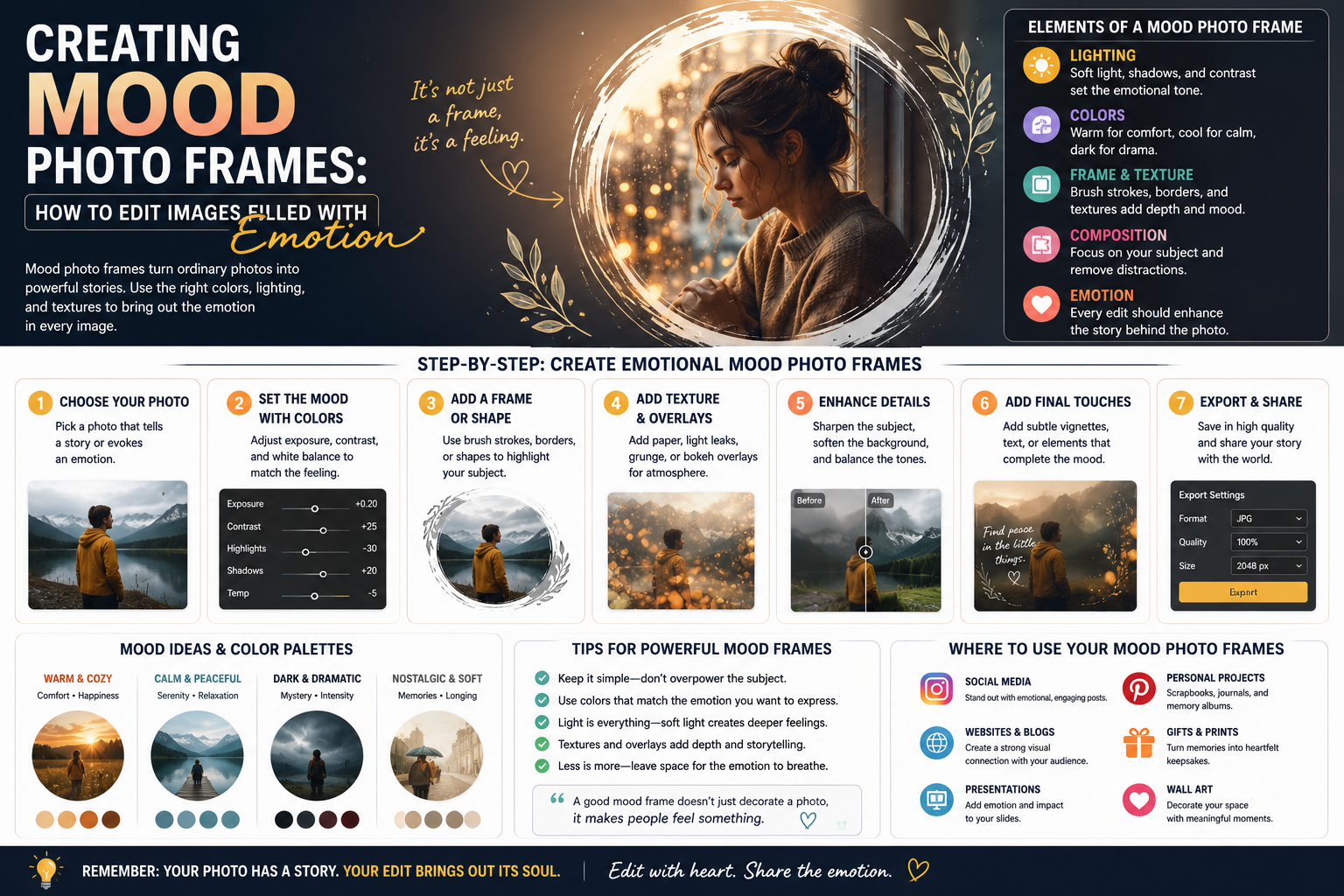
1. The nature of photographic and image editing trends is narrative in nature.

1.1 The rise of visual language in expressing the inner world
Today's social media communities are shifting from showcasing perfect moments to sharing genuine emotions, including moments of quiet reflection. A photograph speaks volumes, a synthesis of intangible elements where space and shadow sometimes convey more than clearly visible details. Creating a visual space with depth allows viewers to slow down, feel, and contemplate the story behind it.
1.2 The role of geometric elements in isolating emotions
The borders and buffers surrounding the image are not merely decorative details but possess a mathematical structure that guides the viewer's gaze. Narrowing the display space with dark frames or blurred areas creates a psychological effect of visual confinement, causing the viewer to focus entirely on the expression of the character or a static object in the center. This is a classic technique in art cinema used to depict loneliness, alienation, or nostalgia.
2. The core elements that make up a perfect mood photo frame.
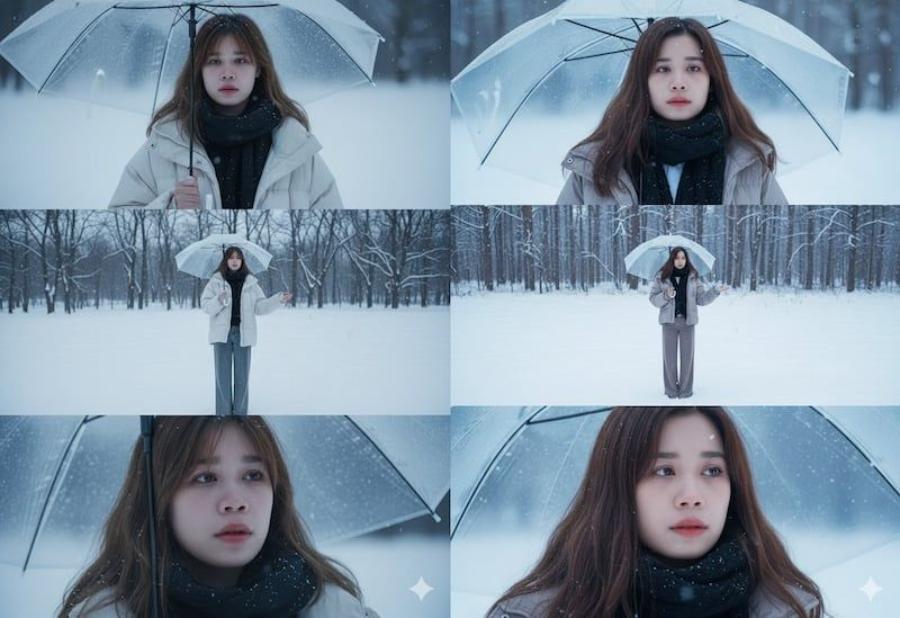
2.1 Choosing a color palette and tonal range that evokes sadness.
Color is the most powerful tool that directly impacts the human nervous system and emotions before the brain even has a chance to analyze the details in an image. For contemplative subjects, cool tones such as deep blue, ash gray, earthy brown, or vintage film-like color filters are always the preferred choice. Lowering color saturation and increasing the contrast of the shadows creates a serene, tranquil, and artistic atmosphere.
2.2 Application of Shadowing and Background Blur Techniques in Artistic Design
The blurring effect at the edges of the image mimics the phenomenon of the human eye focusing on a single point and neglecting surrounding elements while lost in thought. Modern editing tools allow you to create smooth transitions from sharp to blurry areas, combined with fine grain effects to evoke a nostalgic feel reminiscent of old film reels, adding a sense of melancholy to the artwork.
2.3 Harmoniously combine typography and life mottos.
A mood-focused photograph reaches its peak when subtly incorporated with concise text, literary quotes, or a narrative song lyric. The chosen font should be thin, delicate, or a natural, handwritten style, avoiding the thick, rigid fonts often used in advertising. The text is typically placed in the negative spaces around the frame to avoid disrupting the emotional flow of the subject.
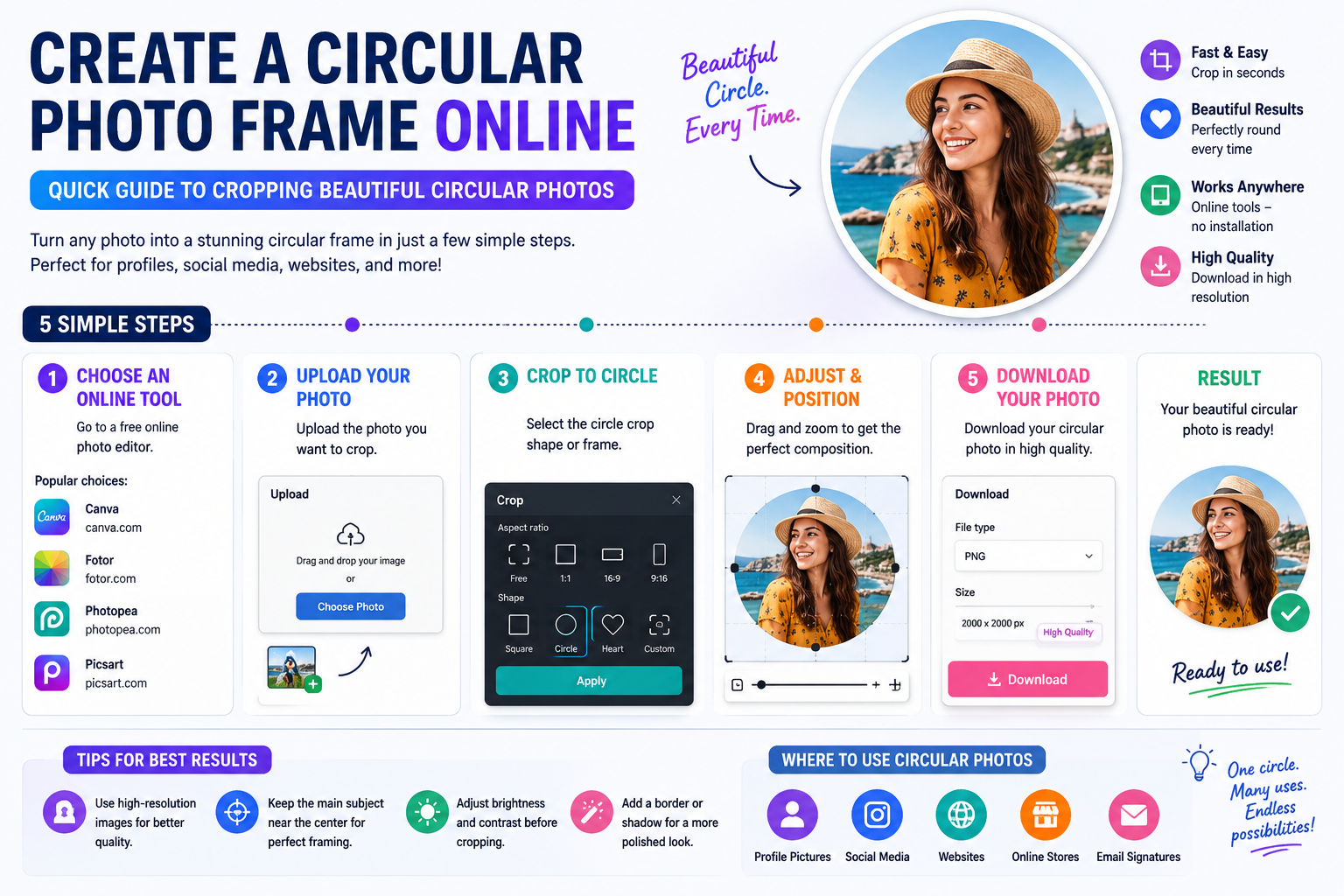
3. A step-by-step guide to creating mood photo frames using online tools.
3.1 Step 1: Prepare the original file and identify the emotional theme you want to convey.
The process of creating the artwork should begin with selecting a photograph that has a suitable composition and contains raw, raw emotional material.
-
Image selection: Prioritize photos taken against the light, in the rain, looking out a window, or on quiet street corners to easily evoke a train of thought.
-
System operation: Access the online editing software interface, upload the original file to cloud storage to prepare for further modifications.
3.2 Step 2: Set up the border structure and apply the chromatic filter.
This stage requires keen eyesight to create a balance between the realistic scene and the surrounding outline.
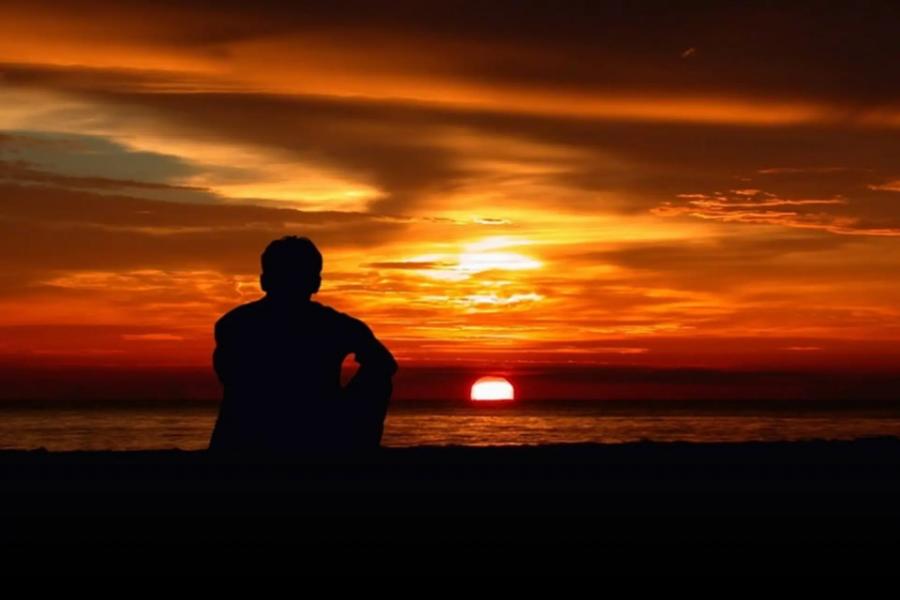
-
Creating padding: Slightly reduce the size of the original image to create a border, choosing a color for this border such as solid black, off-white, or extracting the darkest color from the image.
-
Apply the Vignette effect: Add darkening to the four corners to create the illusion that the surrounding space is gradually shrinking, concentrating all the light on the center of the image.
-
Advanced parameter adjustments: Actively drag the brightness slider to decrease brightness and slightly increase the blue or purple tones in dark areas to create a deep, artistic color palette.
3.3 Step 3: Integrate text content and publish a high-quality file.
The final step involves completing the narrative with words and packaging the data for sharing on social media platforms.
-
Insert text: Enter your prepared message or quote, adjust the opacity of the text to 60% to 80% so that the text blends into the background without being too harsh.
-
Overall check: Preview how the image will display on both phone and computer interfaces to ensure the text is not obscured or misaligned.
-
Download HD files: Choose the highest quality PNG or JPG file format to preserve fine grain and smooth color transitions, avoiding file compression issues when uploading.
4. Composition tips to elevate your ordinary photos into works of art.
4.1 Adhere to the principle of one-third to create space for the soul.
Placing the main subject directly in the center of the frame can sometimes feel direct and rigid, diminishing the narrative quality of the photograph. Instead, applying the rule of thirds by pushing the subject to one side and leaving two-thirds of the space for the empty sky or blank wall creates a powerful visual effect. This empty space is where viewers can place their personal thoughts and feelings.
4.2 Utilize existing natural landscapes to create layered spaces.
Before applying digital framing using software, you can create natural framing layers directly during the photography process. Tree canopies, windows, slightly ajar doors, or even foggy glass are all perfect natural frames. Shooting through these materials creates an incredibly captivating depth of field, giving the viewer the feeling of peeking into a private moment of the subject.
5. Discover superior automated graphics optimization at appvip.ai

The website appvip.ai is a pioneering ecosystem that provides the creative community with the ability to automate the entire graphic content editing process based on the power of advanced artificial intelligence. Without requiring users to possess complex skills or spend years researching cumbersome tools, the intelligent system automatically analyzes structure, identifies market trends, and suggests optimal image optimization solutions with just one click. This is a groundbreaking solution that helps content creators, marketers, and art enthusiasts optimize 90% of their working time while still producing emotionally rich and aesthetically superior media products and visuals that keep pace with the latest technological trends.
6. Core creative thinking guidelines when producing narrative content.
6.1 Always respect the authenticity of personal experiences.
Works that truly touch the hearts of viewers are always those that stem from the author's own genuine experiences and emotions. You don't need to force yourself into a fabricated sadness or blindly copy someone else's style. Learn to listen to your own feelings during a rain shower, a sunset, or a familiar corner of a cafe, and use graphic tools to artistically amplify those emotions.
6.2 Continuously hone your skills in observing the world around you.
The abilities of an excellent photographer and designer are nurtured by the habit of meticulously observing the smallest movements of everyday life. A streak of sunlight at the end of the day falling on the ground, a fallen leaf on a park bench, or the shadow of a lone pedestrian are all valuable pieces of material. Accumulating a rich bank of everyday images will provide you with readily available creative material whenever inspiration strikes.
7. Conclusion
Learning to understand emotions and mastering mood-setting techniques is an artistic step that elevates ordinary photos into emotionally resonant messages. The harmonious blend of profound human thought and the convenience of intuitive online editing tools will completely unleash your creative thinking.











VIP Products


Best Selling Products
Freepik Premium Account
59 USD
Upgrade genuine Capture One account
120 USD
Adobe Premiere Pro Account
99 USD
Genuine Adobe Illustrator account
99 USD
Copyright Adobe Lightroom Account
59 USD
Plugin Retouch4me
69 USD
Upgrade Genuine Office 365
49 USD
MidJourney Account
29 USD
Genuine Cheap Canva Pro
39 USD
Windows 10 & 11 Pro Key
36 USD
Adobe Photoshop Copyright - Full App
120 USD
Autodesk All App Account Copyright
120 USD
ChatGPT Plus Account (GPT-4)
16 USD
Capcut Pro 1 Year
39 USD
Upgrade Duolingo Super
29 USD