Best Selling Products
Autodesk All App Account Copyright
120 USD
Adobe Photoshop Copyright - Full App
120 USD

MidJourney Account
29 USD
Plugin Retouch4me
69 USD
Upgrade genuine Capture One account
120 USD
Copyright Adobe Lightroom Account
59 USD

Freepik Premium Account
59 USD

Windows 10 & 11 Pro Key
36 USD
Upgrade Genuine Office 365
49 USD
Upgrade Duolingo Super
29 USD
Genuine Adobe Illustrator account
99 USD

Capcut Pro 1 Year
39 USD
Genuine Cheap Canva Pro
39 USD

ChatGPT Plus Account (GPT-4)
16 USD
Adobe Premiere Pro Account
99 USD
Discover the Element Set in Design
Nội dung
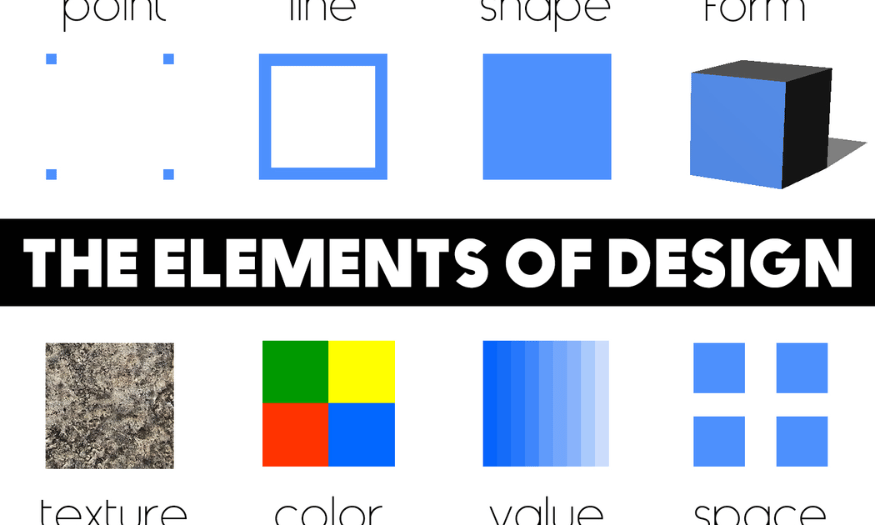
In the world of design, the “Element” factor is not simply the components that make up a product but also the factors that determine the aesthetics and effectiveness of a product. The Element set in design includes color, shape, images, typography, and space, each factor carrying its own mission, contributing to creating a perfect user experience.
1. Form
Form is considered the first and most important factor in design. It is often defined through three dimensions: width, height, and depth. Form can be divided into two main types: geometric form and natural form. Form is not only the way an object is seen but also the way it interacts with the surrounding space.
Geometric form often brings precision and calculation in design. Shapes such as squares, triangles, and circles are typical examples of geometric form. They can create a sense of balance, stability, and easy recognition in the eyes of viewers. In contrast, natural form often brings more emotion and softness, commonly seen in designs inspired by nature or vivid patterns.
The choice between these two types of form will depend on the message that the designer wants to convey. In web design, form is used to build user interfaces, from forms to navigation components. Ensuring that the form fits the overall design not only helps organize information but also creates a positive user experience. The combination of geometric form and natural form can create powerful impacts on how viewers interact with the product.
.png)
2. Shape
Shape is one of the most basic elements in design. All objects are composed of shapes, and each shape carries its own meaning. Shape is usually defined by lines and areas of color, creating prominence compared to the surrounding space. Shape can affect the perception and emotions of viewers.
There are three basic types of shapes: geometric, natural, and abstract. Geometric shapes often bring a sense of solidity and can be used to create balance in design. Natural shapes are more flexible and familiar, often used in designs related to nature or emotion. Abstract shapes open up many creative possibilities, allowing designers to express ideas freely and richly.
The combination of different shapes can create powerful effects on viewers’ perception. For example, a design with many triangles can convey a dynamic and upward feeling, while circles bring softness and friendliness. Choosing the right shape not only helps organize information but also creates specific emotions for users. This shows the importance of shape in building a complete and attractive design.
.png)
3. Line
Line is an indispensable design element, capable of organizing space, creating emphasis, and guiding viewers. A line can simply be a stroke connecting two points, but in design, it can carry much more meaning. Lines can be used to create patterns, shapes, and even movement in design.
Lines can be classified into many types: straight, curved, long, short, horizontal, or vertical. Each type of line brings a different feeling to the design. For example, straight lines often create a sense of stability and order, while curved lines bring softness and flexibility. Using lines skillfully can create movement in the design, guiding the viewer’s eye from one point to another.
In addition, lines can also convey emotions through thickness, color, and form. A thin line can give a feeling of lightness, while a thick line can create a strong and clear feeling. The combination of different lines can create unique and impressive spaces, contributing to the overall design. From there, lines are not merely a technical tool but also an important part of conveying the emotions and message of the work.
.png)
4. Texture
Texture is an important element in design, often understood as the surface characteristic of an object. Texture not only affects how a surface is seen but also how it feels when touched. Texture can be divided into two main types: tactile texture and visual texture.
Tactile texture is often perceived by touch, such as the surface of wood, stone, or fabric. In 3D design, tactile texture becomes especially important because it helps create a sense of closeness and realism for users. Designers often use techniques such as impasto in painting to create vivid and deep surfaces. Paying attention to tactile texture can make a product more attractive and memorable.
Visual texture, on the other hand, mainly creates an impression for viewers through color and shape. Although it cannot be touched, a painting with good visual texture can create a feeling as if it has depth and detail. This texture is often used in 2D design, where vision plays the main role in conveying the message. The combination of different types of textures can create rich experiences for viewers, thereby helping increase the attractiveness of the product.
.png)
5. Color
Color is one of the most powerful elements in design, capable of affecting viewers’ emotions and behavior. Color is not simply an attribute of an object but also a powerful tool for conveying messages. Each color can evoke different emotions and meanings, from the peace of blue to the dynamism of red.
In design, choosing the right color can create harmony and balance. Designers often use color theory to determine how to combine colors effectively. Contrasting colors can attract attention, while analogous colors create harmony and comfort. Moreover, color can also be used to classify information and guide users in interacting with the product.
In addition, color can affect branding and recognition. A distinctive color can create strong brand recognition, helping consumers easily recognize and remember it. Therefore, choosing color is not only an aesthetic decision but also an important part of marketing strategy. A skillful combination of colors will help create products that are more outstanding and memorable in consumers’ minds.
.png)
6. Space
Space plays an important role in “providing oxygen” for the elements in design. Negative space or white space is the existing empty space, usually behind and around images or graphic objects. This negative space keeps our design from becoming cluttered or too difficult to understand. Creating enough space between elements can help viewers easily access and feel the message that the design wants to convey.
There are two main types of space: two-dimensional space and three-dimensional space. The space inside a shape is considered positive space, while the remaining space outside is called negative space. When designing, people often emphasize negative space because it helps create balance and harmony for the overall work. Using negative space skillfully can highlight other elements in the design, thereby creating attraction and impression for viewers.
Space can also affect the feeling of depth and distance in design. A design that uses space effectively can create a sense of spaciousness and openness, while a cramped design can make viewers feel pressured. From there, managing space is not only a technical element but also an important part of creating a positive user experience.
.png)
7. Movement
The element of movement has become an indispensable part of modern design, especially in the digital age. In more classical or static design methods, movement can be implied, but objects cannot move. Movement can be applied to lines, shapes, forms, and textures, and can even move objects in space. This is especially useful because it allows forms or shapes to express personality or tell a story.
In modern design, movement can be shown through animations, helping enhance the user experience. For example, in applications and interfaces, when users interact with a button, that button can create an animation effect on the canvas, and the next page can slide into view. This not only creates attraction but also provides users with immediate feedback when they interact with a specific part of the interface. Movement helps create a smoother and more natural experience, while making the design more lively and attractive.
Applying the element of movement in design is not merely about creating eye-catching effects but can also help organize and prioritize information more effectively. Movement can guide viewers’ eyes, helping them easily grasp important content and guiding them through the journey of interacting with the product. Therefore, integrating movement intelligently will contribute to increasing the value of the overall design.
.png)
8. Contrast
Contrast is an important design element that helps create prominence and attract viewers’ attention. Contrast can be expressed through color, size, shape, and texture. When two or more elements have a clear difference, they create a strong opposition, thereby helping emphasize the message that the designer wants to convey.
Using contrast in design can create a dynamic and profound feeling. For example, combining light and dark colors can highlight a specific element, making it the focal point in the overall work. Contrast can also be applied to classify information, making it easier for viewers to identify and understand the content. Considering the use of contrast appropriately will create powerful impacts on users’ emotions and experiences.
Moreover, contrast is not limited to color but can also be applied to geometric elements. A large shape can attract more attention when placed next to a smaller shape. This combination not only creates interest in the design but also helps direct viewers to the most important parts of the work.
9. Balance
Balance is an indispensable design element that helps create stability and harmony in a work. Balance can be divided into two main types: symmetrical balance and asymmetrical balance. Symmetrical balance is when elements are arranged evenly around an axis, creating harmony and comfort for viewers’ eyes. In contrast, asymmetrical balance often creates more dynamism and interest, when elements with different sizes and shapes are arranged freely.
Achieving balance in design is very important to create a positive user experience. A design with good balance will help viewers feel comfortable and easily access the content without feeling cluttered or confused. This is especially important in web design, where users need to interact with many different elements in the same space.
Balance can also affect how viewers perceive a brand. A strong brand often has designs that show good balance, making consumers feel trust and reassurance. Therefore, focusing on the balance element not only helps create a beautiful work but also contributes to building a solid brand image in customers’ hearts.
10. Photoshop - The perfect software for creating Elements
Photoshop is one of the world’s leading graphic design software, developed by Adobe Systems. With the ability to edit images, create graphics, and design websites, Photoshop has become an indispensable tool for both professional and amateur designers. This software provides a wide range of powerful features, from color correction and creating special effects to the ability to work with layers and vectors.
One of Photoshop’s strengths is its ability to create rich and diverse design elements. You can easily create unique shapes, icons, and textures, helping enhance creativity in your design work. With a rich toolset, Photoshop allows you to customize every aspect of the design, from brightness and contrast to special effects, helping you realize every idea easily and effectively.
Appvip provides Photoshop software upgrade services, helping you optimize your working experience and make the most of the latest features of this software. With the upgrade, you will gain access to advanced tools and features, helping improve work efficiency and design quality. Appvip’s team of experts will support you during the upgrade process, ensuring that the software works as smoothly and stably as possible.
11. Conclusion
In summary, the Element set in design is not only separate components but also elements that have a close relationship with each other, creating a perfect overall picture. Understanding and applying these elements flexibly will help designers create outstanding, attractive products that bring the best experience to users. Exploring the Element set is not only a journey to seek beauty but also a path leading to endless creativity in design. Let these elements become a source of inspiration for your creative work!













VIP Products


Best Selling Products
Autodesk All App Account Copyright
120 USD
Adobe Photoshop Copyright - Full App
120 USD
MidJourney Account
29 USD
Plugin Retouch4me
69 USD
Upgrade genuine Capture One account
120 USD
Copyright Adobe Lightroom Account
59 USD
Freepik Premium Account
59 USD
Windows 10 & 11 Pro Key
36 USD
Upgrade Genuine Office 365
49 USD
Upgrade Duolingo Super
29 USD
Genuine Adobe Illustrator account
99 USD
Capcut Pro 1 Year
39 USD
Genuine Cheap Canva Pro
39 USD
ChatGPT Plus Account (GPT-4)
16 USD
Adobe Premiere Pro Account
99 USD