Best Selling Products
Upgrade Genuine Office 365
49 USD

Capcut Pro 1 Year
39 USD
Upgrade Duolingo Super
29 USD

MidJourney Account
29 USD
Autodesk All App Account Copyright
120 USD
Adobe Premiere Pro Account
99 USD
Genuine Cheap Canva Pro
39 USD
Windows 10 & 11 Pro Key
36 USD
Upgrade genuine Capture One account
120 USD
Copyright Adobe Lightroom Account
59 USD
Adobe Photoshop Copyright - Full App
120 USD

ChatGPT Plus Account (GPT-4)
16 USD
Genuine Adobe Illustrator account
99 USD
Plugin Retouch4me
69 USD

Freepik Premium Account
59 USD
What is a Poster? Trends and How to Design a Professional Poster
Nội dung
- 1. Common types of posters
- 1.1 Advertising Poster
- 1.2 Movie Poster
- 1.3 Motivational posters and social posters
- 1.4 Event Poster
- 2. What makes an effective marketing poster?
- 3. Elements that make up a professional poster design
- 3.1 Clear and easily understandable message
- 3.2 Visual layout with focal points
- 3.3 Harmonious and Strategic Color Scheme
- 3.4 Appropriate and legible typography
- 3.5 High-quality images and graphics
- 3.6 The brand is cleverly integrated.
- 3.7 Clear Call-to-Action (CTA)
- 3.8 Cross-platform adaptability
- 4. Current and future trends in poster design
- 5. Professional poster design tool: Canva
- 6. Conclusion
Posters are a powerful communication tool, helping to convey messages visually and impressively. With the development of technology and modern design trends, posters are no longer simply pieces of paper with images and text, but also works of art that express the personality and creative vision of the designer.
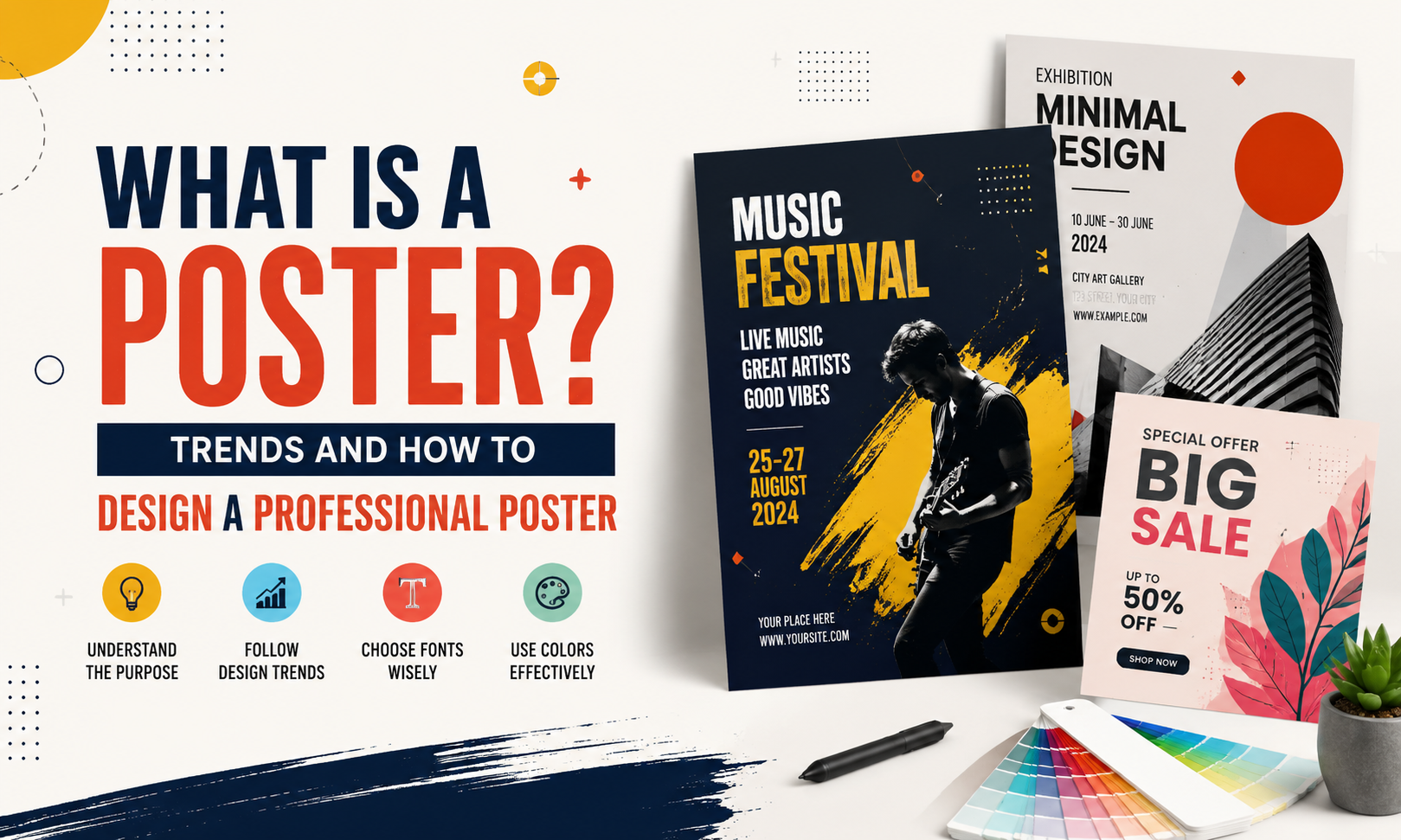
1. Common types of posters
1.1 Advertising Poster
Advertising posters are one of the oldest and most effective communication tools, thanks to their ability to convey messages visually and easily. From the early 20th century, posters began to appear in a political role, such as recruitment posters during World War I, where images and slogans were combined to call for strong action. Today, advertising posters are not simply product images, but an indispensable part of brand communication campaigns.
With their power to capture attention in public spaces, advertising posters become a direct link between brands and potential customers. From large prints on walls to digital versions on social media, posters amplify the message consistently. An impressive design not only creates a sense of familiarity but also evokes a desire to own the product, thereby building a strong and memorable brand image in the minds of consumers.
1.2 Movie Poster
Movie posters are one of the most impactful forms of design in the media industry. More than just a promotional tool, a movie poster is the "first gateway" leading viewers into the world of the film. Typically, posters are designed based on original images or exclusive illustrations, aiming to quickly convey the setting and genre of the film.
It's crucial for the designer to select and highlight valuable details in the film's content while maintaining an element of mystery to pique the viewer's curiosity. Information about the director, cast, and release date is often included in the poster as key points, creating a widespread media effect. A successful film poster not only increases brand recognition for the film but also stimulates emotions and encourages audiences to go to the cinema.
1.3 Motivational posters and social posters
Motivational and social posters play a special role in boosting morale and raising community awareness. Motivational posters often carry concise, inspiring messages accompanied by positive imagery, helping viewers overcome psychological barriers and cultivate perseverance. They are commonly found in corporate environments, supporting and encouraging employees and motivating teams.
Conversely, social posters focus on reflecting current issues such as environmental pollution and social inequality. Designers often use metaphorical imagery or powerful designs to evoke emotions and encourage action. Regardless of the form, these posters always carry the mission of awakening the community, prompting reflection, and raising big questions about responsibility in modern society.
1.4 Event Poster
Event posters are important visual tools for promoting cultural, artistic, and entertainment activities. Their primary role is to convey information such as the event name, time, and location. However, to truly attract viewers, aesthetics and visual personality must be prioritized. An effective event poster not only announces a program but also evokes emotion and curiosity.
Designers often explore creative approaches, such as using iconic slogans combined with unique illustrations. This helps the poster become part of an artistic experience, where viewers sense the unique character of the event at first glance. The success of an event poster lies in its ability to balance information and emotion, creating a strong appeal for attendees.
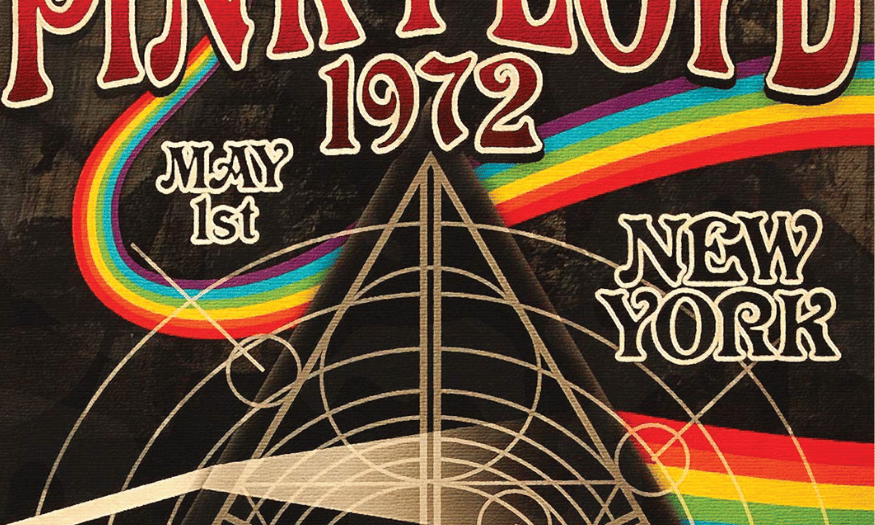
2. What makes an effective marketing poster?
An effective marketing poster is more than just an eye-catching design; it's a sophisticated blend of imagery, content, and message. In today's information-saturated world, where viewers are constantly bombarded with images and messages daily, a memorable poster needs to capture both aesthetic appeal and strategic communication. It must make an impression from the very first moment, prompting viewers to not only look but also feel and reflect.
To achieve this, the poster's main message needs to be clear and easy to understand. The principle is that the text should be concise and to the point, prioritizing powerful keywords such as "action," "emotion," or "spark curiosity." Secondary information such as time, location, and organizer should also be arranged logically to avoid overwhelming the viewer. This allows viewers to grasp the core message within seconds, thus creating an initial connection with the poster.
Visual elements are also crucial in attracting attention. Colors, typography, layout, and illustrations must be appropriate for the target audience and the communication context. A poster aimed at young people might use bright colors and a dynamic design, while one targeting older adults needs elegance and readability. Images should evoke emotion or tell a story, creating a deeper connection with the viewer. Finally, brand recognition is essential, helping viewers easily remember and associate the organization behind the message. When all these elements combine perfectly, the poster will not only attract attention but also touch the hearts and minds of the viewers.
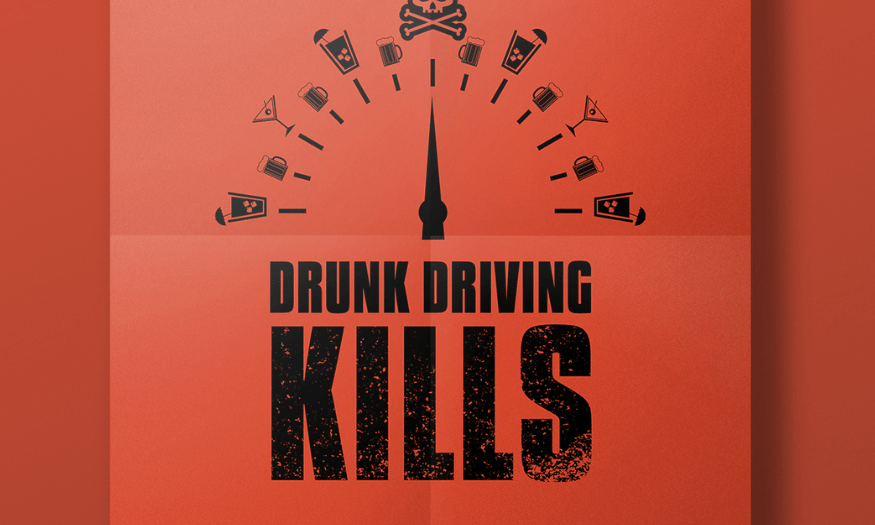
3. Elements that make up a professional poster design
A professional poster is not simply a visually appealing image; it must also be able to convey a message clearly and effectively, leaving a lasting impression on the viewer. Poster design is a combination of art, communication strategy, and visual thinking. To achieve maximum effectiveness, each element in the design plays a crucial role. Below are the core components needed in a professional poster design.
3.1 Clear and easily understandable message
A poster, no matter how eye-catching, is worthless if it doesn't convey its message. The first crucial step is defining your communication goal: are you promoting an event, a product, or simply inspiring others? Once you've identified your goal, crafting a core message—short, concise, and memorable—will become the backbone of the entire design. A clear message allows viewers to grasp the content in seconds, creating an immediate connection.
3.2 Visual layout with focal points
The layout of a poster is crucial in guiding the reader's eye to the important sections. A professional design requires a clear visual hierarchy, where the title, main image, and supporting information are arranged purposefully. Intelligent use of whitespace not only creates a sense of spaciousness but also enhances the poster's aesthetics. A well-structured layout makes the content easier to understand while highlighting key points.

3.3 Harmonious and Strategic Color Scheme
Color has the power to strongly influence viewers' emotions. A professional poster doesn't choose colors randomly; instead, the colors are selected based on the emotion to be conveyed and the target audience. The color palette should be consistent, usually only 2-4 primary colors, with sufficient contrast between the background and text to ensure the information remains clear. Color is not only an aesthetic element but also a powerful communication tool, helping to create a lasting impression on viewers.
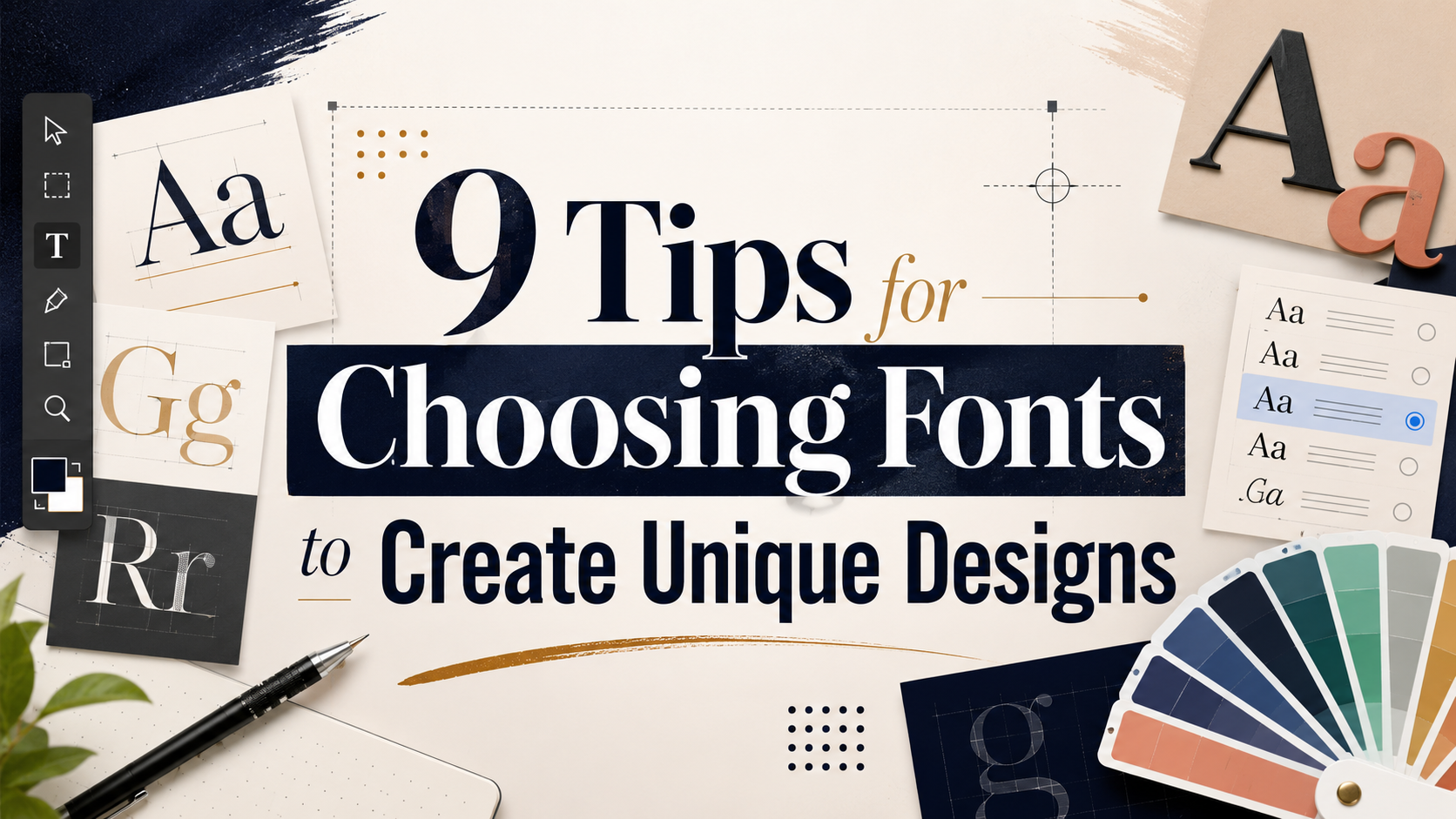
3.4 Appropriate and legible typography
Typography is a crucial element in poster design. Choosing the right font not only enhances the design but also helps convey the message effectively. Select fonts that are easy to read, match the message's "personality," and limit the use of too many typefaces – ideally, one or two fonts. Ensure the font size is appropriate so viewers can read it clearly from a distance, especially when using the poster outdoors.
3.5 High-quality images and graphics
Images are a central element in conveying emotion and creating a focal point for a poster. A professional poster needs to use sharp, high-resolution images that are relevant to the message. Images should be symbolic or narrative, helping to create an emotional connection with the viewer. Sometimes, custom illustrations can further enhance the aesthetic value and differentiate the design.
3.6 The brand is cleverly integrated.
For corporate or product promotional posters, brand identity elements need to be clearly displayed but without feeling forced. The logo, brand colors, slogan, or distinctive graphic elements should be integrated harmoniously. This not only increases brand recognition but also maintains the overall aesthetic appeal of the poster.
3.7 Clear Call-to-Action (CTA)
Professional posters always include a clear call to action, letting viewers know what to do next. Depending on the goal, the CTA could be "Join Now," "Register Before..." or "Scan the QR code for more details." Ensure the CTA is prominent, easily visible, and placed in a suitable location, encouraging immediate action.
3.8 Cross-platform adaptability
Today, posters aren't just printed and displayed on the streets. A professional design needs to be easily adaptable between formats: from large outdoor prints and indoor stand-alone posters to digital versions for social media, email, or websites. Having different aspect ratios (A3, A5, 1:1, 4:5, etc.) ready will save you time and ensure image consistency across all communication channels.
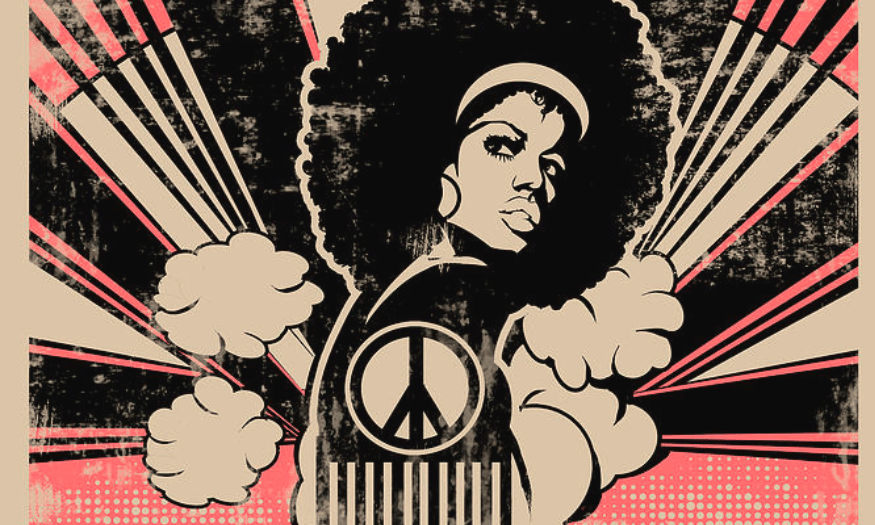
4. Current and future trends in poster design
In an era where visuals play a central role in reaching and retaining users, poster design is constantly evolving to adapt to visual tastes, technology, and how people interact with content. Current poster design trends are clearly shifting towards minimalism, increased interactivity, and strong personalization – reflecting changes in the information consumption behavior of modern audiences.
One of the prominent trends is minimalism. In a context where users are visually overwhelmed with a plethora of content every day, simplicity – but intentional – creates appeal. Posters using negative space, monochromatic or high-contrast colors, and striking typography are gaining popularity because they are both sophisticated and memorable. Minimalism doesn't mean monotony; instead, it's a meticulous choice where each element on the poster has a purpose and contributes to the overall design.
Simultaneously, motion posters are gradually taking over the digital space. Especially on social media platforms like Instagram and TikTok, posters are no longer static. A slight movement of typography or color effects can create a vibrant experience, capturing attention in an instant. Motion posters are not simply design products; they are part of a modern story, where each frame can “tell” something profound.
Personalization in poster design is also on the rise. With the development of user data and AI technology, marketing campaigns can create multiple versions of posters tailored to different target groups. For example, the same music event might offer a different version to rock fans than to acoustic fans, even though the core content remains the same. This helps brands build a deeper, more personalized connection with their audience, improving conversion rates and brand recall.
Finally, posters are becoming increasingly interactive, especially in exhibition spaces and events. Integrating elements like QR codes, augmented reality (AR) technology, and motion sensors allows viewers to directly interact with the poster. This combination of visual design and technological experience brings new depth to message delivery, opening up unprecedented creative opportunities in poster design.
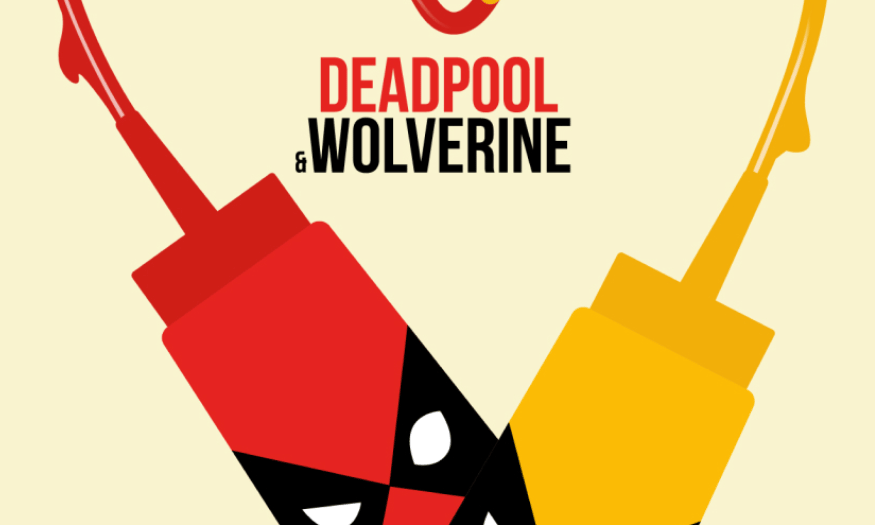
5. Professional poster design tool: Canva
Canva is one of the leading online design tools, allowing users to easily create professional posters in just minutes. With its user-friendly interface, Canva gives you access to a vast resource library, including over 75 million high-quality images, videos, and graphics. In particular, the Canva Pro version offers many exclusive features, helping you edit and create unique designs that keep up with modern trends.
With Canva, you don't need to be a design expert to create impressive products. This tool provides drag-and-drop capabilities, allowing you to customize every detail of your design. You can also easily save design sets, share them with colleagues, and collaborate in teams.
If you're looking for a reliable place to upgrade to Canva Pro, visit SaDesign . Here, you'll find a Canva Pro upgrade package at an incredibly affordable price, just 399,000 VND for one year. SaDesign guarantees genuine licenses, dedicated installation support, and a 100% money-back guarantee if you're not satisfied. Don't miss the chance to experience the amazing features of Canva Pro at SaDesign today!
6. Conclusion
In summary, posters are not only an effective communication medium but also a unique art form. Mastering design trends and applying professional principles will help you create attractive and impressive posters. Whether you are a professional designer or a beginner, continuously updating your knowledge and skills will help you stand out in this creative field. Always remember, a successful poster not only conveys a message but also touches the emotions of the viewer.







VIP Products


Best Selling Products
Upgrade Genuine Office 365
49 USD
Capcut Pro 1 Year
39 USD
Upgrade Duolingo Super
29 USD
MidJourney Account
29 USD
Autodesk All App Account Copyright
120 USD
Adobe Premiere Pro Account
99 USD
Genuine Cheap Canva Pro
39 USD
Windows 10 & 11 Pro Key
36 USD
Upgrade genuine Capture One account
120 USD
Copyright Adobe Lightroom Account
59 USD
Adobe Photoshop Copyright - Full App
120 USD
ChatGPT Plus Account (GPT-4)
16 USD
Genuine Adobe Illustrator account
99 USD
Plugin Retouch4me
69 USD
Freepik Premium Account
59 USD