Best Selling Products

Copyright Adobe Lightroom Account
59 USD

Adobe Premiere Pro Account
99 USD

MidJourney Account
29 USD

Freepik Premium Account
59 USD

Upgrade genuine Capture One account
120 USD

Adobe Photoshop Copyright - Full App
120 USD

ChatGPT Plus Account (GPT-4)
16 USD

Windows 10 & 11 Pro Key
36 USD

Genuine Cheap Canva Pro
39 USD

Genuine Adobe Illustrator account
99 USD

Capcut Pro 1 Year
39 USD

Upgrade Duolingo Super
29 USD

Autodesk All App Account Copyright
120 USD

Plugin Retouch4me
69 USD

Upgrade Genuine Office 365
49 USD
"Free" isn't really free: The true price of familiar apps.
Nội dung
Free apps are ubiquitous in the digital world, but behind the convenience lie invisible costs. How are users' data, time, and attention being exploited?
1. The "gold mine" of personal data behind every free app.
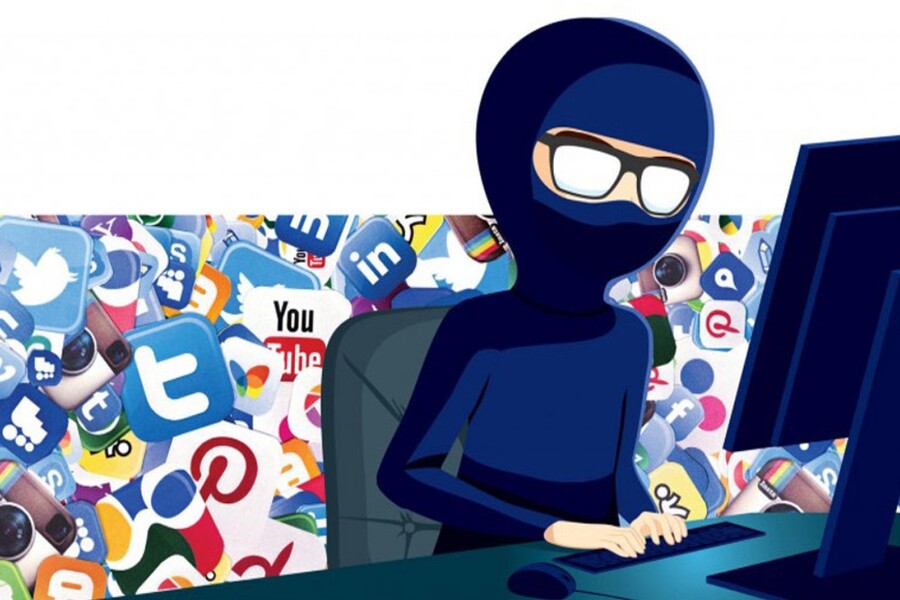
One of the biggest, most common, yet least noticed trade-offs when using free apps is personal data. In the digital economy, data is considered the "oil of the 21st century": a resource of immense value that can be transformed into profit through various means.
When installing a free app, users often quickly click the "agree" button to the terms of use and privacy policy without carefully reading the content. In reality, these lengthy documents, spanning dozens of pages, are essentially contracts allowing the app to collect, process, and exploit user data. This data can include basic personal information, usage patterns, lifestyle habits, social relationships, and even real-time geographical location.
Map applications like Google Maps or Waze are prime examples. While offering clear benefits in navigation and avoiding traffic jams, these apps continuously collect users' location data. Information about where you live, where you work, the distance you travel each day, and the time you leave and return home are all recorded and analyzed. The initial purpose was to improve service accuracy, but it also serves to build user behavior profiles in order to display relevant advertisements.
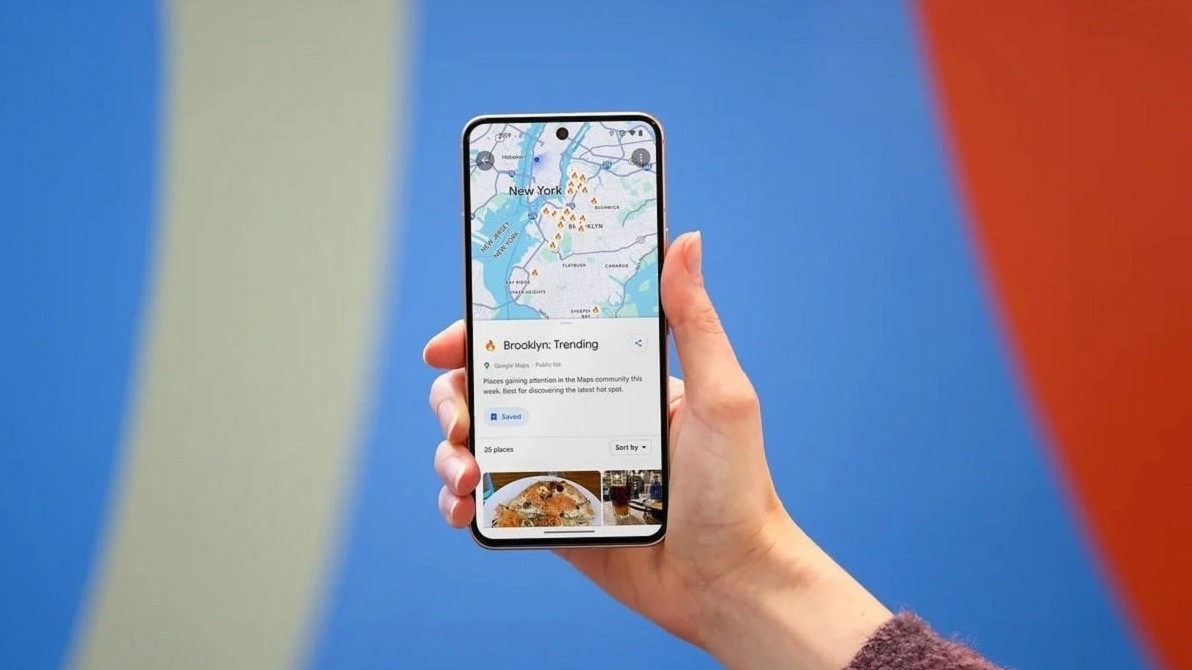
It's not just map applications; social media platforms like Facebook, Instagram, and TikTok also collect data at a much deeper level than users imagine. Every like, comment, share, time spent watching a video, or scrolling through a post is recorded. Even content you just glance at without interacting with contributes to a comprehensive picture of your preferences and psychology.
It's worth noting that users rarely feel the loss immediately. Data isn't tangible; it doesn't disappear before your eyes, causing no immediate pain or discomfort. But when personal data is misused, leaked, or used for purposes beyond the user's control, the consequences can be severe, ranging from surveillance and manipulation of consumer behavior to issues related to privacy and personal safety.
2. Location, habits, and emotions all become data.
In the past, personal data mainly revolved around static information such as names, addresses, or phone numbers. Today, free applications collect dynamic data that directly reflects users' daily lives. Location, travel habits, daily routines, and even emotional states can all be inferred from application usage behavior.
Many weather apps require continuous location access, even when it's not really necessary. Some shopping, gaming, and social media apps also silently collect location data for advertising and market analysis purposes. By combining multiple data sources, tech companies can build user profiles with astonishing accuracy.
Beyond location, apps can also infer users' emotions and psychological states. Frequency of use, access times, and the most frequently consumed content are all important indicators. For example, algorithms can identify a user's tendency to view content related to stress, anxiety, or insomnia and use this information to display advertisements related to medication, counseling services, or mental health products.
From a user experience design perspective, this is a remarkable technological achievement. But from a privacy perspective, it raises serious questions about the boundaries between individuals and businesses. When users no longer have control over what is being collected and how it is used, "free" begins to become a risky concept.
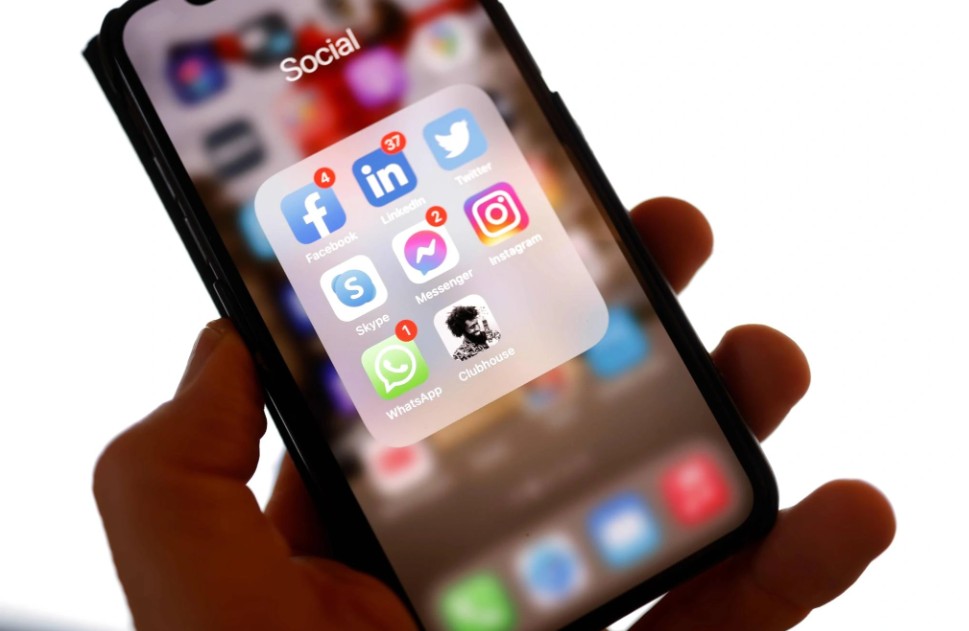
Besides personal data, user attention is an invisible but extremely valuable form of "currency" in the business model of free applications. In the attention economy, the more time users spend on a platform, the higher the commercial value of that platform.
Social media apps like Instagram, Facebook, and TikTok are designed to maximize user time. Infinite scrolling interfaces, constant push notifications, and personalized content recommendation algorithms all aim to keep users engaged for as long as possible. Every minute you spend on an app is not just entertainment time, but also data and advertising opportunities.
Many people don't realize that fatigue, lack of focus, or the feeling of "not knowing how long I've been scrolling" are consequences of deliberate design decisions. These factors are carefully studied based on behavioral psychology, aiming to stimulate dopamine and create repetitive usage habits.
When users realize that their time is being unconsciously wasted, they will understand that "free" doesn't necessarily mean inexpensive. Time is a finite and irretrievable resource. Sacrificing hours each day for free apps can negatively impact work productivity, the quality of relationships, and mental health in the long run.
3. The trap of convenience and ingrained habits.
One of the reasons free apps are so hard to replace is the convenience they offer. When an app has been used long enough, it's not just a tool but becomes a part of the user's daily routine. This convenience gradually turns into dependence.
Many people struggle to leave a social media platform despite being aware of its negative impacts. This isn't because the app is perfect, but because their entire network of friends, memories, photos, and interaction history are stored there. Leaving means losing connections or having to rebuild them from scratch elsewhere.
Similarly, cloud storage services like Google Photos or Apple iCloud initially offered free storage to attract users. As photo and data libraries grew larger, switching to another service became incredibly time-consuming and cumbersome. Users faced the choice of either paying monthly fees or facing the complex and risky process of migrating their data.
This is a familiar "lock-in" strategy in digital product design. The free application acts as the entry point, while the actual cost only appears once the user is deeply engaged. At this point, paying is no longer a free choice, but a way to maintain the convenience that has become a habit.
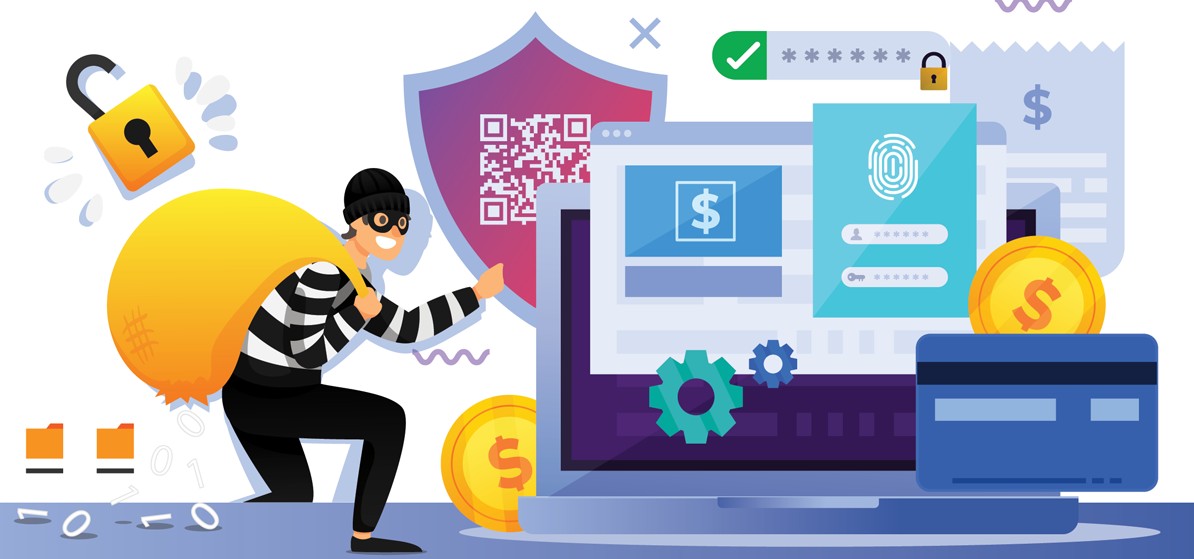
Another often overlooked aspect is the quality of the user experience in free apps. Advertisements, notifications, and distractions are often more prevalent in free versions compared to paid versions. This not only affects the user experience but also impacts their emotions and concentration.
Advertising today is no longer simply random banners or videos. It's personalized based on collected data, blurring the lines between content and advertising. Users can be misled into making purchasing decisions or engaging in consumer behavior without their full awareness.
In the field of design, this is a difficult dilemma between profit and ethics. Optimizing advertising revenue sometimes goes against the long-term interests of users. Free apps can become cumbersome, slow, and less user-friendly over time as more and more elements are added to exploit commercial value.
4. Free apps and a lost sense of control.
Another psychological but equally important trade-off is the feeling of control. When using a free app, users often have little say in deciding the product's direction. Changes to the interface, algorithms, or privacy policies can be implemented without explicit user consent.
Many people have experienced the frustration of a familiar app suddenly changing how it displays content or prioritizing ads. Despite their dissatisfaction, they continue using it because they lack suitable alternatives or because the switching costs are too high.
Meanwhile, paid services tend to treat users as actual customers, with clearer rights and respect. This doesn't mean every paid app is perfect, but the relationship between provider and user is usually more transparent than the "free data exchange" model.
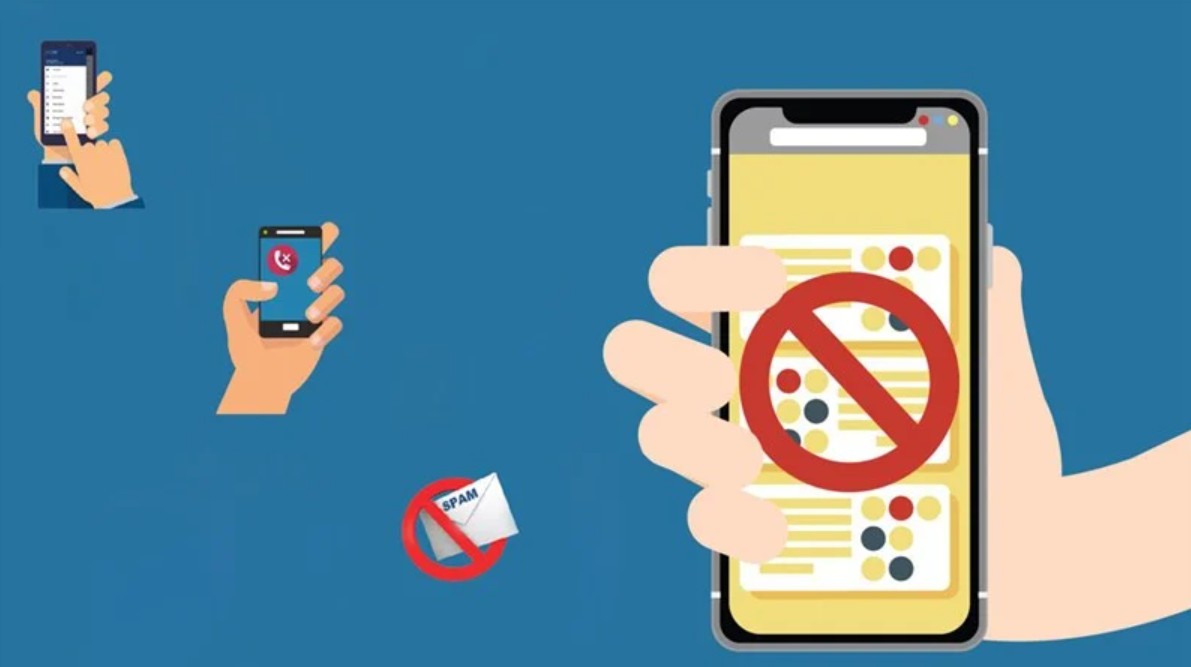
It's important to emphasize that free apps are not the enemy of users. In fact, they play a crucial role in popularizing technology, providing access to information and services for billions of people worldwide. The problem isn't the free nature of the app itself, but rather users' lack of awareness of the trade-offs that come with it.
When users understand that data, time, attention, and control all have value, they will be more discerning when faced with offers of "free." Carefully reading access permissions, setting time limits, and weighing the pros and cons of free versus paid versions are small but necessary steps to protect themselves.
As a content creator and experience designer, helping users understand these trade-offs is not only a professional responsibility but also a way to build a healthier digital ecosystem.
In short, free apps offer many undeniable benefits, but they aren't truly "free" in the absolute sense. The price users pay can be personal data, time, attention, flexibility, and a sense of control. These trade-offs often occur subtly, only becoming apparent when users have become deeply involved.





















VIP Products








Best Selling Products
Copyright Adobe Lightroom Account
59 USD
Adobe Premiere Pro Account
99 USD
MidJourney Account
29 USD
Freepik Premium Account
59 USD
Upgrade genuine Capture One account
120 USD
Adobe Photoshop Copyright - Full App
120 USD
ChatGPT Plus Account (GPT-4)
16 USD
Windows 10 & 11 Pro Key
36 USD
Genuine Cheap Canva Pro
39 USD
Genuine Adobe Illustrator account
99 USD
Capcut Pro 1 Year
39 USD
Upgrade Duolingo Super
29 USD
Autodesk All App Account Copyright
120 USD
Plugin Retouch4me
69 USD
Upgrade Genuine Office 365
49 USD